

It’s normal for a dehumidifier to blow slightly cooler air, especially during startup or in cold environments. However, if the air feels icy or the unit isn’t removing moisture, there may be an issue with the refrigerant, airflow, or defrost cycle. Understanding how your dehumidifier works helps you spot real problems and maintain efficiency.
Key Takeaways
- Dehumidifiers naturally blow cooler air: The refrigeration cycle cools coils to condense moisture, so some cold air output is expected.
- Frost buildup can cause cold air: In low temperatures, evaporator coils may freeze, triggering defrost mode and reducing dehumidification.
- Refrigerant leaks lead to poor performance: Low refrigerant levels prevent proper cooling and heating of coils, resulting in cold air and low efficiency.
- Clogged filters restrict airflow: Dirty air filters reduce circulation, causing coils to overcool and the unit to blow cold air.
- Incorrect room temperature matters: Most dehumidifiers work best above 65°F (18°C); below that, they struggle and may blow cold air.
- Defrost cycle is normal but should be brief: Short bursts of cold air during defrosting are okay, but constant cold air suggests a malfunction.
- Regular maintenance prevents issues: Cleaning filters, checking vents, and proper placement keep your dehumidifier running efficiently.
📑 Table of Contents
- Why Is Your Dehumidifier Blowing Cold Air? Understanding the Basics
- How a Dehumidifier Works: The Science Behind the Chill
- Common Causes of Cold Air from a Dehumidifier
- When Cold Air Is a Sign of a Serious Problem
- How to Fix a Dehumidifier Blowing Cold Air
- Preventing Cold Air Issues: Maintenance Tips
- Conclusion
Why Is Your Dehumidifier Blowing Cold Air? Understanding the Basics
If you’ve ever stood near your dehumidifier and felt a chill, you’re not alone. Many homeowners are surprised—and sometimes concerned—when their dehumidifier starts blowing cold air instead of the warm or neutral air they expect. But before you panic, it’s important to know that some degree of cool air output is completely normal. Dehumidifiers work by pulling in humid air, cooling it to remove moisture, and then reheating it slightly before blowing it back into the room. However, if the air feels unusually cold or the unit isn’t reducing humidity as it should, there might be an underlying issue.
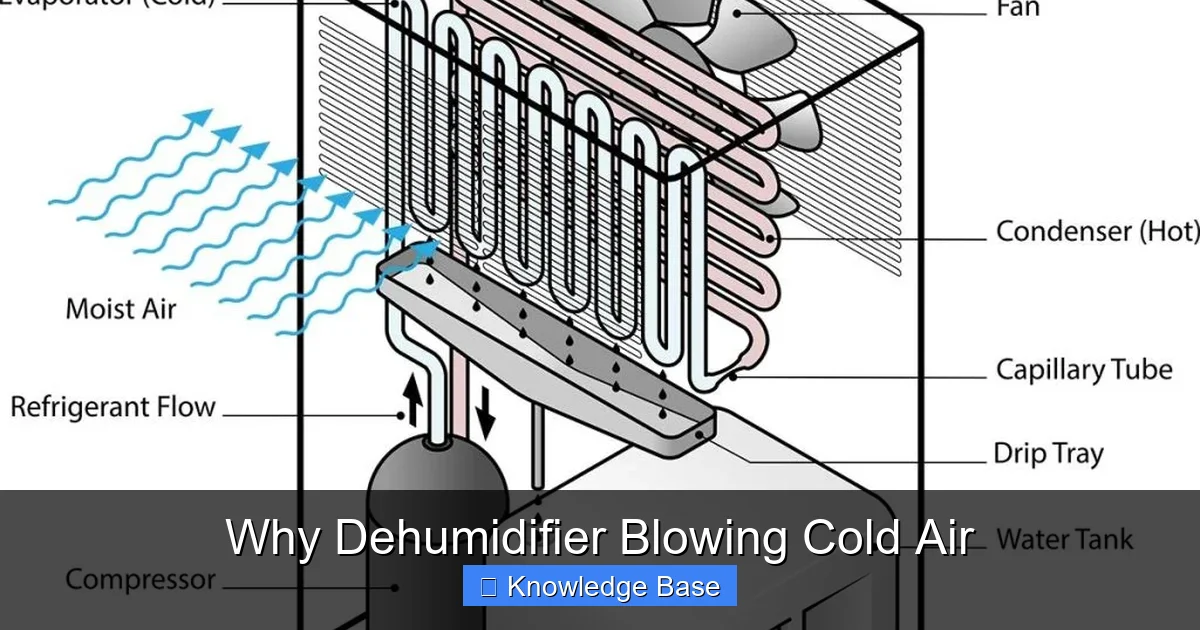
So why does this happen? The answer lies in the dehumidifier’s internal mechanics. Most residential dehumidifiers use a refrigeration-based system, similar to an air conditioner. They contain a compressor, condenser, evaporator coils, and a fan. When humid air enters the unit, it passes over cold evaporator coils. The moisture in the air condenses into water droplets, which collect in a tank or drain hose. The now-dry air then moves over warm condenser coils, where it’s reheated before being expelled back into the room. This process naturally results in air that’s cooler than the surrounding environment—especially during the initial cooling phase or in colder rooms.
But here’s the catch: if the air coming out feels icy or the dehumidifier isn’t collecting water, something might be off. It could be a sign of frost buildup, a refrigerant problem, or a clogged filter. The good news? Most of these issues are fixable with a little troubleshooting and regular maintenance. In this guide, we’ll walk you through the most common reasons your dehumidifier is blowing cold air, how to diagnose the problem, and what you can do to fix it.
How a Dehumidifier Works: The Science Behind the Chill
Visual guide about Why Dehumidifier Blowing Cold Air
Image source: bestdehumidifier.reviews
To understand why your dehumidifier might be blowing cold air, it helps to know exactly how these machines operate. Unlike air conditioners, which are designed to cool the air, dehumidifiers are built to remove moisture. But because they use a refrigeration cycle to do this, they end up affecting air temperature as a side effect.
Let’s break it down step by step. When you turn on your dehumidifier, the fan pulls humid air from the room into the unit. This air first passes over the evaporator coils, which are extremely cold—often below the dew point of the incoming air. As the air cools, the moisture in it condenses into water droplets, just like how dew forms on grass in the morning. These droplets drip into a collection bucket or are directed to a drain hose.
Once the air is stripped of moisture, it moves over the condenser coils, which are warm because they’re releasing the heat absorbed during the cooling process. The air is reheated slightly and then blown back into the room. Ideally, the output air should be just a few degrees cooler than the room temperature—comfortable, not cold.
However, several factors can disrupt this balance. For example, if the room is too cold, the evaporator coils can get so cold that they freeze over. This frost buildup insulates the coils, reducing their ability to absorb heat and condense moisture. As a result, the unit may enter a defrost cycle, during which it temporarily stops dehumidifying and blows cold air while it melts the ice. This is normal, but if it happens too often or lasts too long, it’s a sign the unit is struggling.
Another factor is the refrigerant level. If there’s a leak or the system is undercharged, the coils won’t get cold enough to condense moisture effectively. This can cause the dehumidifier to run continuously, blowing cold air without removing much humidity. In extreme cases, the compressor may overheat or shut down.
Understanding this process helps you see why cold air isn’t always a red flag. It’s a natural part of the dehumidification cycle. But when the cold air becomes excessive or persistent, it’s time to dig deeper.
Common Causes of Cold Air from a Dehumidifier

Visual guide about Why Dehumidifier Blowing Cold Air
Image source: bestdehumidifier.reviews
Now that you know how a dehumidifier works, let’s explore the most common reasons it might be blowing cold air. Some are harmless and expected, while others indicate a problem that needs attention.
1. Normal Operation in Cool Environments
One of the most frequent causes of cold air output is simply the environment in which the dehumidifier is operating. If you’re running it in a basement, garage, or crawl space where temperatures are below 65°F (18°C), the unit has to work harder to condense moisture. The evaporator coils get extremely cold, and the air passing over them comes out noticeably cooler.
For example, imagine running your dehumidifier in a chilly basement during winter. The air entering the unit is already cool and damp. As it passes over the cold coils, it drops in temperature even more before being reheated. But because the condenser coils also rely on ambient heat to warm the air, they may not fully reheat it in a cold room. The result? Air that feels cold when it exits the unit.
This isn’t necessarily a malfunction. Many dehumidifiers are designed to handle cooler temperatures, but their efficiency drops as it gets colder. Some models even have an automatic shutoff or reduced performance below certain temperatures. So if your dehumidifier is in a cold space and blowing cool air, it might just be doing its job under challenging conditions.
2. Frost Buildup on Evaporator Coils
Frost is a major culprit when it comes to cold air and poor performance. When the evaporator coils get too cold—especially in humid but cool environments—moisture in the air can freeze on the coils instead of dripping into the tank. This frost acts as an insulator, preventing the coils from absorbing heat effectively. As a result, the dehumidifier can’t remove moisture, and the air passing over the frozen coils comes out cold.
Most modern dehumidifiers have an automatic defrost feature that detects frost buildup and temporarily reverses the refrigeration cycle to melt the ice. During this cycle, the unit stops dehumidifying and may blow cold air for a few minutes. This is normal and necessary to prevent damage. However, if the defrost cycle runs too often or the frost returns immediately after defrosting, it could indicate a problem.
Common causes of excessive frost include:
– Operating the unit in temperatures below 60°F (15°C)
– Poor airflow due to a dirty filter or blocked vents
– A malfunctioning defrost sensor or timer
– Low refrigerant levels
If you notice ice forming on the coils or the unit frequently entering defrost mode, it’s time to investigate further.
3. Dirty or Clogged Air Filter
You might not think the air filter plays a big role in temperature, but it does. A clean filter ensures proper airflow through the unit. When the filter is clogged with dust, pet hair, or mold, air can’t move freely over the coils. This reduced airflow causes the evaporator coils to become excessively cold, increasing the risk of frost and reducing the unit’s ability to reheat the air.
For instance, if your dehumidifier has been running for weeks without a filter change, the buildup can restrict airflow by 30% or more. The coils get colder than intended, the air comes out chilly, and moisture removal slows down. In extreme cases, the compressor may overheat or the unit may shut off entirely.
The fix is simple: check and clean the filter regularly—ideally every 2–4 weeks during heavy use. Most filters are washable and reusable. Just rinse them under warm water, let them dry completely, and reinstall. This small maintenance task can prevent cold air issues and extend the life of your dehumidifier.
4. Refrigerant Leak or Low Charge
Refrigerant is the lifeblood of your dehumidifier’s cooling system. It absorbs heat from the air and releases it as the air is dried. If there’s a leak or the system was undercharged at the factory, the refrigerant level drops. This leads to several problems:
– The evaporator coils don’t get cold enough to condense moisture
– The condenser coils don’t get warm enough to reheat the air
– The unit runs longer and harder, increasing wear and energy use
The result? Air that’s cooler than it should be and little to no moisture removal. You might also notice that the compressor runs continuously or that the unit feels unusually warm on the outside.
Refrigerant issues are serious and usually require professional repair. Unlike air conditioners, dehumidifiers aren’t designed for easy refrigerant recharge. If you suspect a leak, it’s best to contact a certified technician. Attempting to fix it yourself can be dangerous and may void your warranty.
5. Malfunctioning Defrost System
As mentioned earlier, the defrost cycle is essential for preventing frost buildup. But if the defrost system isn’t working properly, the unit may get stuck in defrost mode or fail to defrost at all. A faulty defrost sensor, timer, or heater can cause the dehumidifier to blow cold air continuously, even when it should be removing moisture.
For example, if the defrost sensor doesn’t detect frost, the unit won’t initiate defrosting, and ice will keep building up. Conversely, if the sensor is overly sensitive, the unit might defrost too often, wasting energy and reducing efficiency.
Signs of a defrost problem include:
– Ice covering the evaporator coils
– The unit frequently switching between dehumidifying and defrosting
– Cold air output with little water collection
– Unusual clicking or humming sounds
In many cases, replacing the defrost sensor or timer can resolve the issue. Check your user manual for troubleshooting steps or consult a professional.
When Cold Air Is a Sign of a Serious Problem
While some cold air is normal, there are times when it signals a more serious issue. Knowing when to worry can save you from costly repairs or a complete breakdown.
Persistent Cold Air with No Moisture Removal
If your dehumidifier is blowing cold air but the humidity level isn’t dropping—and the water tank isn’t filling—it’s a red flag. This suggests the unit isn’t actually dehumidifying. Possible causes include:
– A refrigerant leak
– A seized compressor
– A blocked drain or full tank (if the unit has a float switch)
– A malfunctioning humidistat
Check the water tank first. If it’s full, empty it and restart the unit. If the problem persists, it’s time to investigate further.
Unusual Noises or Smells
Cold air accompanied by strange sounds—like grinding, squealing, or banging—could indicate mechanical failure. A burning smell might point to an overheating motor or electrical issue. These signs require immediate attention. Turn off the unit and unplug it. Continuing to run a faulty dehumidifier can cause fire hazards or further damage.
Unit Overheating or Shutting Off
Ironically, a dehumidifier blowing cold air might also overheat internally. If the coils are frozen or airflow is restricted, the compressor has to work harder, generating excess heat. Many units have thermal cutoffs that shut them down to prevent damage. If your dehumidifier keeps turning off, it could be due to overheating caused by cold air issues.
How to Fix a Dehumidifier Blowing Cold Air
The good news? Many cold air problems are fixable with simple steps.
Step 1: Check the Room Temperature
Make sure the room is above 65°F (18°C). If it’s colder, consider moving the dehumidifier to a warmer area or using a space heater to raise the temperature slightly. Some models are rated for colder environments—check your user manual.
Step 2: Clean the Air Filter
Turn off and unplug the unit. Remove the filter, rinse it under warm water, and let it dry completely before reinstalling. Do this every 2–4 weeks.
Step 3: Inspect for Frost or Ice
Open the front panel and look at the coils. If you see ice, let the unit defrost naturally (turn it off for a few hours). Avoid using sharp objects to chip away ice.
Step 4: Ensure Proper Airflow
Keep the dehumidifier at least 6–12 inches away from walls and furniture. Don’t block the intake or exhaust vents.
Step 5: Check the Water Tank and Drain
Empty the tank if full. If using a drain hose, make sure it’s not kinked or clogged.
Step 6: Reset the Unit
Unplug the dehumidifier for 10–15 minutes, then plug it back in. This can reset the control board and defrost system.
Step 7: Call a Professional
If the problem persists after these steps, it may be a refrigerant leak, electrical issue, or compressor failure. Contact a certified technician for diagnosis and repair.
Preventing Cold Air Issues: Maintenance Tips
Regular maintenance is the best way to avoid cold air problems and keep your dehumidifier running efficiently.
– Clean the filter monthly during peak use.
– Wipe down the exterior and vents with a damp cloth.
– Empty the water tank regularly or use a continuous drain hose.
– Store the unit properly during off-seasons—clean it, dry it, and cover it.
– Schedule annual professional inspections if used heavily.
Conclusion
A dehumidifier blowing cold air isn’t always a cause for alarm. In many cases, it’s a normal part of the dehumidification process, especially in cool or humid environments. However, if the air feels icy, the unit isn’t collecting water, or you notice other warning signs, it’s time to investigate. Common causes include frost buildup, dirty filters, low refrigerant, or defrost system issues. With regular maintenance and a little troubleshooting, you can keep your dehumidifier running smoothly and your home comfortably dry. Remember: a well-maintained dehumidifier not only removes moisture but also helps prevent mold, dust mites, and musty odors—making your living space healthier and more pleasant year-round.
Frequently Asked Questions
Is it normal for a dehumidifier to blow cold air?
Yes, it’s normal for a dehumidifier to blow slightly cooler air, especially during startup or in cold rooms. The refrigeration process naturally cools the air as moisture is removed. However, the air shouldn’t feel icy or cold enough to lower room temperature significantly.
Why is my dehumidifier blowing cold air and not collecting water?
This usually indicates a problem like frost buildup, a refrigerant leak, or a clogged filter. If the coils are frozen or airflow is restricted, the unit can’t remove moisture effectively. Check for ice on the coils and clean the filter.
Can a dehumidifier work in cold temperatures?
Most dehumidifiers work best above 65°F (18°C). In colder environments, frost can form on the coils, reducing efficiency. Some models are designed for low-temperature use—check your manual for specifications.
How often should I clean my dehumidifier filter?
Clean the filter every 2–4 weeks during heavy use, or monthly during regular use. A dirty filter restricts airflow, causes coils to overcool, and can lead to cold air output and frost buildup.
What should I do if my dehumidifier is frozen?
Turn off the unit and let it defrost naturally for several hours. Do not use tools to chip away ice. Once thawed, clean the filter, ensure proper airflow, and restart. If freezing recurs, check the defrost system or room temperature.
When should I call a professional for my dehumidifier?
Call a technician if the unit blows cold air with no moisture removal, makes unusual noises, overheats, or shows signs of a refrigerant leak. These issues often require specialized tools and expertise to fix safely.