
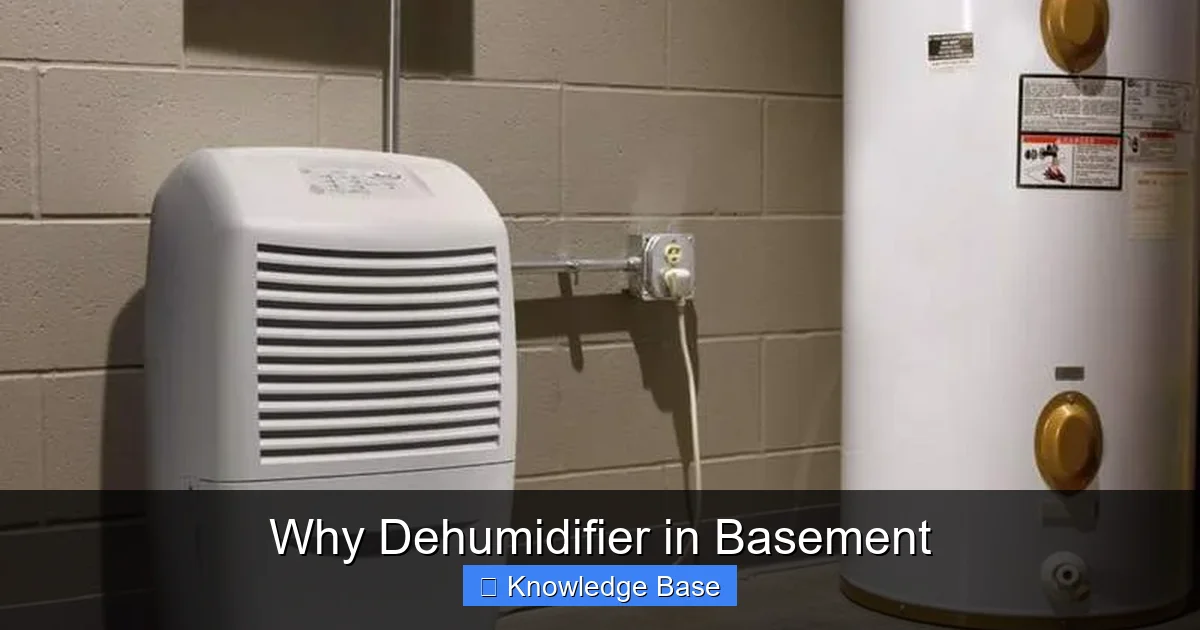
Using a dehumidifier in your basement isn’t just a luxury—it’s a necessity. Basements are naturally prone to high humidity, which can lead to mold, mildew, and structural damage. A dehumidifier helps maintain healthy air quality, protects your belongings, and improves overall home comfort.
Key Takeaways
- Prevents mold and mildew growth: High humidity in basements creates the perfect breeding ground for mold. A dehumidifier keeps moisture levels low, stopping mold before it starts.
- Improves indoor air quality: Damp basements release musty odors and allergens into your home. Removing excess moisture helps you breathe easier and reduces allergy symptoms.
- Protects your home’s structure: Excess moisture can warp wood, rust metal, and weaken foundations. A dehumidifier helps preserve your basement’s integrity.
- Preserves stored items: Clothes, books, electronics, and furniture stored in basements are vulnerable to moisture damage. A dehumidifier keeps them safe and dry.
- Reduces energy costs: Dry air feels cooler and is easier for your HVAC system to manage, potentially lowering heating and cooling bills.
- Prevents pest infestations: Insects like silverfish and dust mites thrive in damp environments. Lower humidity makes your basement less inviting to pests.
- Enhances comfort and usability: A dry basement is more comfortable to use as a living space, home gym, or playroom.
📑 Table of Contents
- Why Dehumidifier in Basement: The Hidden Threat of Basement Humidity
- Understanding Basement Humidity: What’s Normal and What’s Not
- Health Risks of a Damp Basement
- Protecting Your Home’s Structure and Belongings
- How a Dehumidifier Works and Why It’s Effective
- Additional Tips for Managing Basement Humidity
- Energy Efficiency and Cost Savings
- Common Misconceptions About Basement Dehumidifiers
- Conclusion: A Dry Basement Is a Healthy, Happy Basement
Why Dehumidifier in Basement: The Hidden Threat of Basement Humidity
You’ve probably walked into your basement and noticed that unmistakable musty smell—like damp socks or old books left in a closet. That’s not just an odor; it’s a warning sign. Your basement is likely too humid, and that excess moisture can cause serious problems over time.
Basements are naturally more humid than other parts of the house. They’re below ground level, often surrounded by soil that retains water. Plus, they’re usually poorly ventilated and cooler, which means moisture doesn’t evaporate easily. When warm, humid air from outside meets the cool basement walls, condensation forms—just like water droplets on a cold soda can. This creates the perfect environment for mold, mildew, and a host of other issues.
Ignoring basement humidity might seem harmless at first. But over time, it can lead to structural damage, health problems, and costly repairs. That’s where a dehumidifier comes in. It’s not just an appliance—it’s a protective shield for your home and your family’s well-being.
Understanding Basement Humidity: What’s Normal and What’s Not

Visual guide about Why Dehumidifier in Basement
Image source: evaporativehumidifiers.com
Before you can fix a problem, you need to understand it. So, what exactly is humidity, and why does it matter in your basement?
Humidity refers to the amount of water vapor in the air. It’s measured as a percentage called relative humidity (RH). Ideally, indoor humidity should be between 30% and 50%. Anything above 60% is considered high and can lead to mold growth.
Basements often have humidity levels well above this range—sometimes reaching 70% or higher. This is due to several factors:
- Ground moisture: Water from the soil around your foundation can seep through walls or floors, especially during rainy seasons or snow melts.
- Poor ventilation: Basements typically have fewer windows and less airflow, trapping moisture inside.
- Condensation: Cold surfaces like concrete walls and pipes attract moisture from warm air, leading to dampness.
- Leaks and cracks: Even small foundation cracks can let in groundwater, increasing indoor humidity.
To check your basement’s humidity, use a hygrometer—a simple, inexpensive device that measures moisture levels. You can find one at most hardware stores or online. Place it in the center of your basement and check it regularly, especially after storms or during humid summer months.
If your readings are consistently above 60%, it’s time to take action. A dehumidifier is the most effective way to bring those numbers down and keep them stable.
Health Risks of a Damp Basement
You might think a damp basement only affects your home’s structure, but it can also impact your health—especially if you or your family members have allergies, asthma, or respiratory conditions.
High humidity encourages the growth of mold and mildew. These fungi release spores into the air, which can be inhaled. Over time, this can lead to:
- Respiratory issues: Coughing, wheezing, shortness of breath, and aggravated asthma symptoms.
- Allergic reactions: Sneezing, itchy eyes, runny nose, and skin rashes.
- Headaches and fatigue: Poor air quality can make you feel sluggish and unwell.
- Long-term health effects: Prolonged exposure to mold has been linked to chronic sinus infections and even neurological problems in rare cases.
Children, elderly individuals, and people with weakened immune systems are especially vulnerable. Even if no one in your household has allergies, the musty smell alone can be a sign of hidden mold growing behind walls or under flooring.
A dehumidifier helps by reducing the moisture that mold needs to survive. By keeping humidity below 60%, you create an environment where mold can’t thrive. This means cleaner air, fewer health risks, and peace of mind.
Protecting Your Home’s Structure and Belongings
Your basement is more than just storage space—it’s part of your home’s foundation. And when it’s too humid, it can compromise the entire structure.
Excess moisture can cause:
- Wood rot: Support beams, floor joists, and wooden furniture can absorb moisture and begin to decay.
- Metal corrosion: Tools, appliances, and even structural steel can rust when exposed to damp air.
- Concrete damage: Over time, moisture can weaken concrete, leading to cracks and crumbling.
- Insulation breakdown: Wet insulation loses its effectiveness and can grow mold, reducing energy efficiency.
These issues don’t happen overnight, but they can be expensive to fix. A single mold remediation job can cost thousands of dollars. Foundation repairs are even more costly. Preventing these problems with a dehumidifier is far more affordable than dealing with the consequences.
And it’s not just your home’s structure at risk—your belongings are too. Basements are often used to store seasonal clothes, holiday decorations, photo albums, books, and even electronics. All of these items can be ruined by moisture.
Imagine pulling out your winter coat after a summer in the basement, only to find it covered in mildew. Or discovering that your old family photos have warped and stuck together. A dehumidifier helps preserve these items by maintaining a dry, stable environment.
Even if you don’t store much in your basement, the humidity can still affect the rest of your home. Moist air can rise into upper floors, damaging drywall, peeling paint, and warping hardwood floors. By controlling basement humidity, you protect your entire house.
How a Dehumidifier Works and Why It’s Effective
So, how does a dehumidifier actually work? And why is it the best solution for basement moisture?
A dehumidifier is essentially a mini air conditioner with a twist. It pulls in humid air, removes the moisture, and releases dry air back into the room. Here’s a simple breakdown of the process:
- Air intake: A fan draws humid basement air into the unit.
- Cooling coils: The air passes over cold coils, causing moisture to condense into water droplets.
- Water collection: The collected water drips into a built-in tank or is drained directly through a hose.
- Reheating: The dry air is warmed slightly and released back into the basement.
Most modern dehumidifiers are equipped with a humidistat, which lets you set your desired humidity level. Once the air reaches that level, the unit automatically turns off, saving energy. When humidity rises again, it turns back on.
There are two main types of dehumidifiers:
- Compressor (refrigerant) dehumidifiers: Best for warm, humid environments. They’re efficient and widely used in homes.
- Desiccant dehumidifiers: Use a moisture-absorbing material instead of cooling coils. They work well in colder basements but may use more energy.
For most basements, a compressor dehumidifier is the best choice. Look for one with a capacity of 30 to 50 pints per day, depending on the size of your space and humidity level.
Many models also come with features like:
- Auto-defrost: Prevents ice buildup on coils in cold temperatures.
- Continuous drainage: Allows you to connect a hose so you don’t have to empty the tank.
- Energy Star certification: Ensures the unit is energy-efficient and cost-effective to run.
- Air filtration: Some models include filters to trap dust and allergens.
Choosing the Right Dehumidifier for Your Basement
Not all dehumidifiers are created equal. To get the best results, you need to choose the right one for your basement’s size and conditions.
Start by measuring your basement’s square footage. A general rule of thumb:
- 30-pint unit: Suitable for small basements (up to 1,000 sq. ft.) with moderate humidity.
- 50-pint unit: Ideal for larger basements (1,000–2,000 sq. ft.) or areas with high humidity.
- 70-pint unit or higher: Best for very damp basements, flood-prone areas, or commercial use.
Also consider the basement’s temperature. If your basement is often below 65°F, look for a model with auto-defrost or one specifically designed for cold spaces.
Placement matters too. Put the dehumidifier in the most humid area—often near the center or close to a water source like a sump pump. Keep it away from walls and furniture to ensure proper airflow.
And don’t forget maintenance. Empty the water tank regularly (or use a drain hose), clean the air filter every few weeks, and wipe down the coils if needed. A well-maintained dehumidifier will last longer and work more efficiently.
Additional Tips for Managing Basement Humidity
While a dehumidifier is a powerful tool, it works best when combined with other moisture-control strategies. Here are some practical tips to keep your basement dry:
- Seal cracks and gaps: Use caulk or hydraulic cement to fill foundation cracks. This prevents groundwater from seeping in.
- Improve drainage: Make sure your gutters and downspouts direct water away from the foundation. Extend downspouts at least 6 feet from the house.
- Install a sump pump: If your basement floods, a sump pump can remove water quickly and prevent long-term damage.
- Use a vapor barrier: Install a plastic sheet on basement walls or floors to block moisture from the soil.
- Ventilate properly: Open windows when weather permits, or install an exhaust fan to improve airflow.
- Insulate cold surfaces: Wrap cold water pipes and basement walls with insulation to reduce condensation.
- Monitor humidity regularly: Keep a hygrometer in your basement and check it weekly.
These steps, combined with a dehumidifier, create a comprehensive moisture management system. They’re especially important if you live in a humid climate or have experienced basement flooding in the past.
Energy Efficiency and Cost Savings
Some homeowners worry that running a dehumidifier will spike their energy bill. But the truth is, a dehumidifier can actually save you money in the long run.
First, modern dehumidifiers are much more energy-efficient than older models. Look for units with the Energy Star label—they use up to 30% less energy than standard models.
Second, dry air feels cooler in the summer. When your basement is less humid, your whole house feels more comfortable. This means you can set your thermostat a few degrees higher and still stay cool, reducing your air conditioning usage.
In the winter, dry air is easier to heat. Your furnace won’t have to work as hard to warm up moist, heavy air. This can lead to noticeable savings on your heating bill.
And don’t forget the cost of repairs. Preventing mold, rot, and structural damage saves you from expensive fixes down the road. A $200–$500 dehumidifier is a small price to pay compared to a $5,000 mold remediation job.
To maximize efficiency:
- Set the humidistat to 45–50% for optimal comfort and energy use.
- Use a model with a timer or smart controls to run only when needed.
- Keep the basement door closed to prevent humid air from entering other areas.
- Clean the filter regularly to maintain airflow and efficiency.
Common Misconceptions About Basement Dehumidifiers
Despite their benefits, there are still some myths about dehumidifiers that might make homeowners hesitant. Let’s clear them up:
Myth 1: “My basement isn’t that damp—I don’t need a dehumidifier.”
Even if you don’t see standing water or obvious mold, high humidity can still be present. Musty smells, condensation on windows, or warped wood are subtle signs. A hygrometer can reveal hidden problems.
Myth 2: “Opening windows will fix the humidity.”
While ventilation helps, it’s not enough in humid climates. Outdoor air can actually add more moisture to your basement, especially during rainy or muggy weather.
Myth 3: “Dehumidifiers are too noisy.”
Modern units are much quieter than older models. Look for one with a low decibel rating (under 50 dB) if noise is a concern.
Myth 4: “I can just use fans instead.”
Fans circulate air but don’t remove moisture. They might help with surface drying but won’t reduce overall humidity levels.
Myth 5: “Dehumidifiers are only for summer.”
Basements can stay damp year-round, especially in colder months when condensation increases. Running a dehumidifier in winter helps prevent ice buildup and mold growth.
Conclusion: A Dry Basement Is a Healthy, Happy Basement
Your basement doesn’t have to be a damp, dark, and musty space. With the right tools and habits, you can transform it into a clean, dry, and usable part of your home.
A dehumidifier is one of the most effective ways to achieve that. It tackles the root cause of basement problems—excess moisture—and prevents a cascade of issues from mold to structural damage. It protects your health, your belongings, and your investment in your home.
Whether you use your basement for storage, a home gym, a playroom, or just extra living space, keeping it dry makes it more comfortable and functional. And with energy-efficient models available, it’s a smart, cost-effective solution.
So, if you’ve been ignoring that musty smell or noticing condensation on your walls, now is the time to act. Invest in a quality dehumidifier, pair it with good moisture management practices, and enjoy a healthier, happier basement—and home.
Frequently Asked Questions
Do I really need a dehumidifier in my basement?
Yes, if your basement has high humidity—typically above 60%. Even if you don’t see visible mold, excess moisture can damage your home and affect your health. A dehumidifier helps maintain a safe, dry environment.
How often should I run my basement dehumidifier?
Run it continuously during humid months or whenever humidity levels rise above your set point. Most models have auto-shutoff when the desired level is reached, so they only run when needed.
Can a dehumidifier help with musty smells?
Absolutely. Musty odors are often caused by mold and mildew, which thrive in damp conditions. By reducing humidity, a dehumidifier eliminates the source of the smell.
Will a dehumidifier increase my electricity bill?
It may add a small amount to your bill, but energy-efficient models use minimal power. Plus, the savings from preventing mold damage and reduced HVAC usage often outweigh the cost.
Where should I place my dehumidifier in the basement?
Place it in the most humid area, usually near the center or close to a water source like a sump pump. Keep it away from walls and furniture for proper airflow.
Can I use a dehumidifier in a cold basement?
Yes, but choose a model with auto-defrost or one designed for low temperatures. Standard dehumidifiers may ice up in cold spaces, reducing efficiency.