

If your dehumidifier isn’t collecting water, it’s often due to low humidity, dirty filters, or airflow issues—not a broken unit. This guide walks you through troubleshooting steps to get your dehumidifier working properly again.
Key Takeaways
- Low indoor humidity: Dehumidifiers need humidity above 40-50% to collect water effectively; below that, they may not produce visible moisture.
- Clogged or dirty air filter: A blocked filter restricts airflow, reducing the unit’s ability to pull moisture from the air.
- Frozen coils: In cold environments, evaporator coils can ice up, preventing proper operation and water collection.
- Incorrect placement: Poor ventilation or placing the unit in a corner limits air circulation and reduces efficiency.
- Full or improperly installed water tank: A full tank or misaligned container triggers an automatic shut-off, stopping water collection.
- Refrigerant issues or mechanical failure: Low refrigerant or compressor problems require professional repair and aren’t DIY fixes.
- Defective humidistat: A malfunctioning sensor may prevent the dehumidifier from detecting high humidity, so it doesn’t run when needed.
📑 Table of Contents
Why Dehumidifier Not Collecting Water? Understanding the Basics
You’ve just bought a shiny new dehumidifier, plugged it in, and waited expectantly for that satisfying drip-drip sound as water fills the tank. But after hours—or even days—of running, the collection bucket is still bone dry. Frustrating, right?
Before you panic and assume your dehumidifier is broken, take a deep breath. In most cases, the issue isn’t mechanical failure—it’s something simple you can fix yourself. Dehumidifiers are designed to remove excess moisture from the air, but they only work under the right conditions. If those conditions aren’t met, your unit might run nonstop without collecting a single drop.
This guide will walk you through every possible reason why your dehumidifier is not collecting water. We’ll cover everything from environmental factors to maintenance oversights and mechanical faults. By the end, you’ll know exactly how to diagnose and resolve the problem—whether you’re dealing with a brand-new unit or an older model that’s suddenly stopped working.
Common Causes and How to Fix Them
1. The Air Is Already Dry Enough
Let’s start with the most overlooked reason: your home might simply not be humid enough. Dehumidifiers are most effective when indoor relative humidity (RH) is above 50%. If your home’s RH is already below 40%, especially during cooler months or in dry climates, your dehumidifier won’t have much moisture to extract.
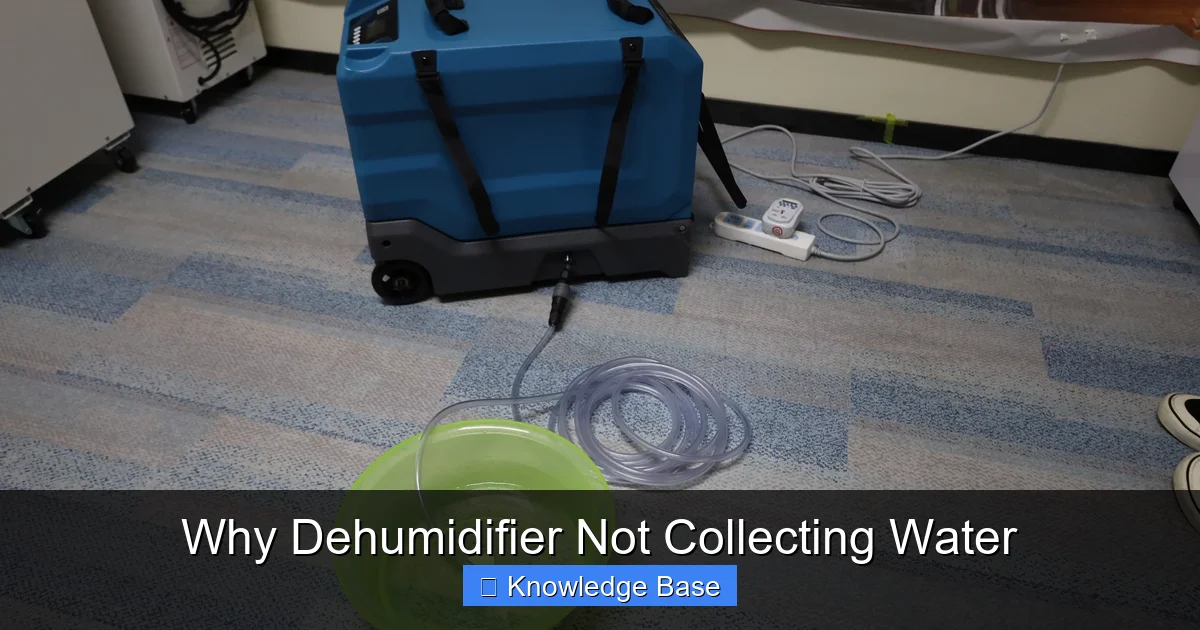
Visual guide about Why Dehumidifier Not Collecting Water
Image source: iororwxhqijjlk5q.ldycdn.com
For example, if you live in Arizona or another arid region, the air may naturally be too dry for a dehumidifier to collect noticeable water—even if it’s running. Similarly, during winter, indoor heating systems can drastically reduce humidity levels. In such cases, running a dehumidifier might actually be counterproductive.
What to do: Use a hygrometer (a small, inexpensive device that measures humidity) to check your indoor RH. If it’s consistently below 45%, your dehumidifier may not collect water simply because there’s nothing to collect. In this case, consider using a humidifier instead to maintain a healthy 40–60% RH range.
2. Dirty or Clogged Air Filter
Your dehumidifier has an air filter—usually located behind a front or side grille—that traps dust, pet hair, and other airborne particles. Over time, this filter can become clogged, restricting airflow through the unit. When air can’t flow freely, the dehumidifier can’t pull in enough moist air to extract water efficiently.
Imagine trying to drink through a straw that’s half-blocked with lint. That’s what’s happening inside your dehumidifier. The fan is working, but the airflow is too weak to make a difference.
What to do: Turn off and unplug the unit. Remove the filter (check your user manual for location) and inspect it. If it’s gray, dusty, or visibly dirty, clean it with warm water and mild soap. Let it dry completely before reinserting. Most filters should be cleaned every 2–4 weeks during heavy use.
Pro tip: If your filter is damaged or missing, replace it immediately. Running the dehumidifier without a filter can lead to dust buildup on the coils, further reducing efficiency.
3. Frozen Evaporator Coils
If your dehumidifier is running but not collecting water—and you notice ice forming on the coils—you’ve likely got a frozen coil problem. This typically happens when the unit is used in environments below 65°F (18°C), especially in basements, garages, or unheated crawl spaces.
Here’s what’s happening: The evaporator coils get so cold that moisture in the air freezes on them instead of dripping into the tank. Once the coils are iced over, airflow stops, and the dehumidifier can’t function.
You might also hear the compressor running but no fan noise, or the unit may shut off unexpectedly due to a built-in freeze protection sensor.
What to do: First, turn off the dehumidifier and let it sit for 24–48 hours to thaw completely. Never try to chip away ice—this can damage the coils. Once thawed, check the room temperature. If it’s consistently below 65°F, consider moving the unit to a warmer area or using a model specifically designed for low-temperature operation (often labeled “cold climate” or “low-temp” dehumidifiers).
Also, ensure the air filter is clean—restricted airflow can contribute to coil freezing even in moderately cool environments.
4. Incorrect Placement or Poor Airflow
Where you place your dehumidifier matters more than you might think. If it’s crammed into a corner, blocked by furniture, or placed too close to walls, it can’t draw in enough air to work efficiently. Dehumidifiers need space—at least 6–12 inches of clearance on all sides—for proper airflow.
Think of it like a person trying to breathe with a pillow over their face. The machine is trying to pull in air, but it’s suffocating from lack of space.
Another common mistake? Running the dehumidifier in a room with open windows or doors. This allows humid outdoor air to constantly enter, making it nearly impossible for the unit to keep up—especially on rainy or humid days.
What to do: Relocate the dehumidifier to an open area with good air circulation. Avoid placing it near heat sources like radiators or in direct sunlight, which can affect humidity readings. Close windows and doors in the room to create a sealed environment. For best results, run the unit in the most humid area of your home—like a basement, laundry room, or bathroom.
Bonus tip: Use a fan to help circulate air toward the dehumidifier. This can improve efficiency, especially in large or poorly ventilated spaces.
5. Full or Misaligned Water Tank
Most modern dehumidifiers have a built-in float switch that automatically shuts off the unit when the water tank is full. This prevents overflow and water damage. However, if the tank isn’t seated properly—or if the float switch is stuck—the dehumidifier may stop collecting water even when the tank isn’t full.
You might notice the unit is running, but the indicator light says “tank full” or the display shows an error code. Sometimes, the tank looks half-empty, but the sensor thinks it’s full.
What to do: Turn off the dehumidifier and remove the water tank. Empty it completely, even if it doesn’t look full. Check for cracks, warping, or debris that might prevent it from seating correctly. Reinstall the tank firmly, ensuring it clicks into place. If the problem persists, inspect the float mechanism inside the tank—gently move it up and down to see if it’s stuck.
If the float is damaged or the sensor is faulty, you may need to contact the manufacturer for a replacement part or professional repair.
6. Defective Humidistat or Sensor
Your dehumidifier has a built-in humidistat—a sensor that measures the humidity level in the air. Based on this reading, it decides whether to turn on or off. If the humidistat is malfunctioning, it might incorrectly detect low humidity and shut off the unit prematurely—even when the air is still damp.
This is especially common in older units or models with lower-quality sensors. You might find that the dehumidifier runs for just a few minutes before turning off, or it doesn’t turn on at all—even in a visibly damp basement.
What to do: Compare your dehumidifier’s humidity reading with a standalone hygrometer. If there’s a significant difference (more than 5–10%), the humidistat may be faulty. Unfortunately, this isn’t a DIY fix—most humidistats are sealed units that require professional calibration or replacement.
Contact the manufacturer or a certified technician for assistance. In some cases, it may be more cost-effective to replace the entire unit, especially if it’s over 5 years old.
Advanced Troubleshooting: When It’s More Than Just Maintenance
Refrigerant Leaks or Low Charge
If you’ve ruled out all the common issues and your dehumidifier still isn’t collecting water, the problem might be internal—specifically, a refrigerant leak or low refrigerant charge. Dehumidifiers use refrigerant (similar to air conditioners) to cool the evaporator coils, which condenses moisture from the air.

Visual guide about Why Dehumidifier Not Collecting Water
Image source: dehumidifierhireauckland.co.nz
If the refrigerant level is low, the coils won’t get cold enough to extract water. You might notice the unit runs continuously but produces little to no water, or the coils feel only slightly cool to the touch.
This is not a DIY repair. Handling refrigerant requires special tools, certification, and safety precautions. Attempting to fix it yourself can be dangerous and may void your warranty.
What to do: If you suspect a refrigerant issue, stop using the dehumidifier and contact a qualified HVAC technician. They can test the system, locate leaks, and recharge the refrigerant if needed. Keep in mind that repairs can be costly—sometimes exceeding half the price of a new unit.
Compressor or Fan Motor Failure
The compressor is the heart of your dehumidifier—it pumps refrigerant through the system. If it fails, the unit won’t cool the coils, and no water will be collected. Similarly, if the fan motor stops working, air won’t circulate, and moisture won’t be pulled into the system.
Signs of compressor failure include a humming sound with no cooling, the unit overheating, or a burning smell. A failed fan motor might result in no airflow or a loud grinding noise.
What to do: These are serious mechanical issues that require professional diagnosis and repair. In many cases, especially with older units, replacement is more economical than repair. Check your warranty—some manufacturers offer extended coverage on compressors.
Electrical or Control Board Problems
Modern dehumidifiers rely on electronic control boards to manage settings, sensors, and safety features. If the control board fails, the unit may not turn on, may run erratically, or may not respond to settings.
You might notice error codes on the display, unresponsive buttons, or the unit turning on and off randomly. In some cases, the dehumidifier may appear to be working but isn’t actually removing moisture.
What to do: Reset the unit by unplugging it for 10–15 minutes, then plugging it back in. If the problem persists, consult the user manual for error code meanings. If the control board is faulty, it will likely need to be replaced by a technician.
Preventive Maintenance Tips to Avoid Future Issues
Now that you know why your dehumidifier might not be collecting water, let’s talk about how to keep it running smoothly in the future. A little maintenance goes a long way in preventing downtime and extending the life of your unit.
Clean the Filter Regularly
Set a reminder to clean the air filter every 2–4 weeks during humid seasons. A clean filter ensures maximum airflow and efficiency. If you have pets or live in a dusty area, you may need to clean it more often.
Inspect and Clean the Coils
Every 6 months, use a soft brush or vacuum attachment to gently remove dust from the evaporator and condenser coils. Dirty coils reduce heat exchange and can lead to freezing or overheating.
Check the Water Tank and Drain Hose
If you use a continuous drain hose, make sure it’s not kinked, clogged, or disconnected. Periodically flush the hose with water to prevent mold or algae buildup. Also, clean the water tank monthly with a mixture of water and vinegar to prevent bacterial growth.
Monitor Humidity Levels
Use a hygrometer to keep an eye on indoor humidity. Aim for 40–60% RH. If levels drop too low, turn off the dehumidifier to avoid over-drying the air, which can cause dry skin, static electricity, and damage to wooden furniture.
Store Properly During Off-Seasons
If you don’t use your dehumidifier year-round (e.g., in winter), clean it thoroughly, empty the tank, and store it in a dry, temperature-controlled space. Cover it to prevent dust accumulation.
When to Call a Professional
While many dehumidifier issues are easy to fix at home, some problems require expert attention. Here’s when it’s time to call a professional:
- The unit is under warranty and needs internal repair.
- You suspect a refrigerant leak or compressor failure.
- The control board or humidistat is malfunctioning.
- You’ve tried all troubleshooting steps and the dehumidifier still isn’t collecting water.
- You notice burning smells, unusual noises, or electrical issues.
Attempting complex repairs yourself can be dangerous and may void your warranty. Always prioritize safety and consult a certified technician when in doubt.
Conclusion: Don’t Panic—Most Issues Are Fixable
Finding your dehumidifier not collecting water can be disappointing, but it’s rarely a sign of total failure. In most cases, the problem stems from simple issues like low humidity, a dirty filter, or incorrect placement—all of which you can resolve with a little troubleshooting.
Start by checking the basics: Is the air humid enough? Is the filter clean? Is the tank properly seated? Is the unit in a good location? These steps solve the majority of “no water” complaints.
If those don’t work, consider more advanced causes like frozen coils, sensor malfunctions, or mechanical failures. And remember: regular maintenance is your best defense against future problems.
By understanding how your dehumidifier works and what it needs to function properly, you’ll keep your home comfortable, healthy, and free from excess moisture—all while getting the most out of your investment.
Frequently Asked Questions
Why is my dehumidifier running but not collecting water?
This is usually due to low humidity, a dirty filter, or frozen coils. Check the indoor humidity level with a hygrometer and clean the air filter. If the room is cold, the coils may be iced over—let the unit thaw completely.
Can a dehumidifier work in cold temperatures?
Most standard dehumidifiers are designed for temperatures above 65°F (18°C). In colder areas like basements or garages, use a low-temperature model to prevent coil freezing and ensure proper operation.
How often should I clean my dehumidifier filter?
Clean the filter every 2–4 weeks during heavy use, or more often if you have pets or live in a dusty environment. A clean filter ensures optimal airflow and efficiency.
My dehumidifier says “tank full” but the bucket isn’t full. What’s wrong?
The float switch or sensor may be stuck or misaligned. Remove the tank, check for debris, and ensure it’s seated correctly. Gently move the float to see if it’s jammed.
Is it normal for a dehumidifier to not collect water in winter?
Yes, especially if indoor humidity is below 40%. Heating systems dry the air, so there may not be enough moisture to collect. Use a humidifier instead to maintain healthy humidity levels.
Can I fix a dehumidifier that’s not collecting water myself?
Many issues—like dirty filters, full tanks, or poor placement—can be fixed at home. However, refrigerant leaks, compressor failure, or electrical problems require professional repair.