
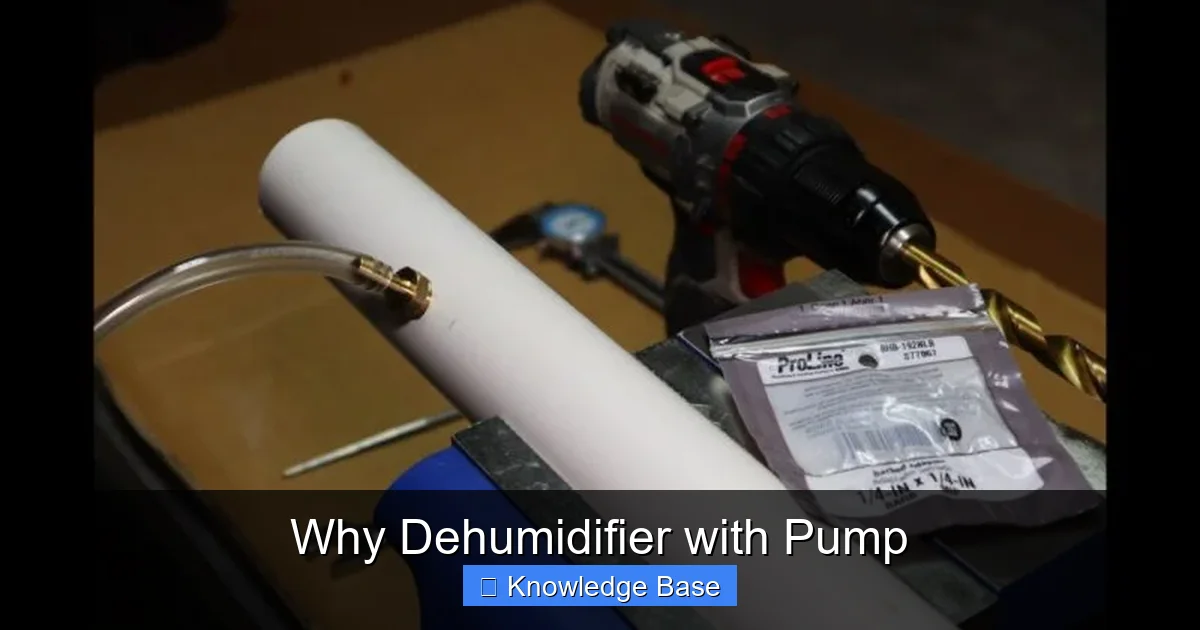
A dehumidifier with pump offers superior convenience and efficiency by automatically removing collected moisture, eliminating the need for manual emptying. Ideal for basements, crawl spaces, and hard-to-reach areas, these units provide continuous operation and improved air quality with minimal effort.
Key Takeaways
- Automatic Water Removal: A built-in pump lets the dehumidifier expel water vertically or over long distances, enabling continuous operation without manual intervention.
- Perfect for Tight Spaces: Ideal for basements, crawl spaces, and laundry rooms where drainage access is limited or nonexistent.
- Reduced Maintenance: No need to constantly check and empty water tanks—great for busy households or vacation homes.
- Improved Air Quality: By maintaining optimal humidity levels (30–50%), these units help prevent mold, mildew, dust mites, and musty odors.
- Energy Efficient Operation: Many pump-equipped models include smart sensors and auto-shutoff features that reduce energy waste.
- Versatile Installation Options: Can be placed away from floor drains or sinks, offering greater flexibility in room layout and usage.
- Long-Term Cost Savings: Prevents structural damage and health issues caused by excess moisture, saving money on repairs and medical bills.
📑 Table of Contents
- Why Dehumidifier with Pump? The Ultimate Guide to Smarter Moisture Control
- How Does a Dehumidifier with Pump Work?
- Top Benefits of Choosing a Dehumidifier with Pump
- Where to Use a Dehumidifier with Pump
- Installation and Maintenance Tips
- Common Misconceptions About Dehumidifiers with Pumps
- Choosing the Right Dehumidifier with Pump
- Conclusion: Make the Smart Choice for Your Home
Why Dehumidifier with Pump? The Ultimate Guide to Smarter Moisture Control
Imagine walking into your basement after a rainy week and being greeted not by that damp, earthy smell, but by fresh, dry air. No puddles near the dehumidifier. No frantic trips to empty a full water tank at 2 a.m. Just peace of mind—and a home that feels healthier and more comfortable. This is the reality when you choose a dehumidifier with pump.
Most people think all dehumidifiers work the same way: they pull in moist air, extract the water, and store it in a bucket you have to empty. While that’s true for basic models, modern advancements have introduced a game-changer—the internal condensate pump. This small but mighty component transforms how dehumidifiers function, especially in challenging environments like basements, crawl spaces, or homes without easy access to floor drains. In this guide, we’ll explore why a dehumidifier with pump isn’t just a luxury—it’s a practical, smart upgrade for anyone serious about indoor air quality and home maintenance.
How Does a Dehumidifier with Pump Work?
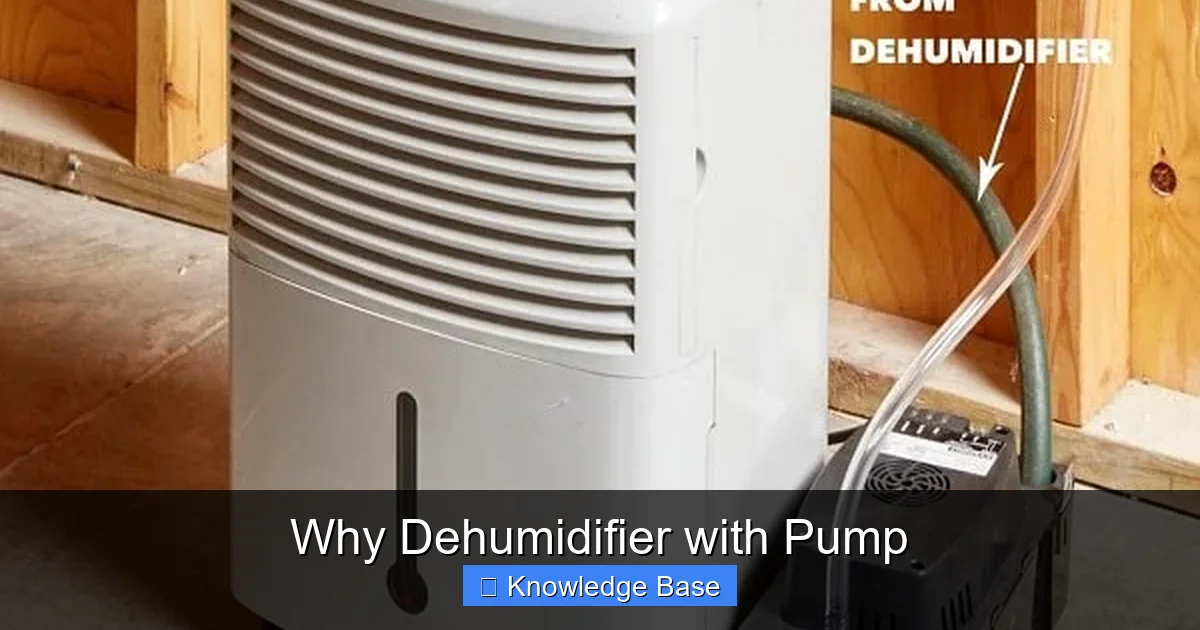
At its core, a dehumidifier with pump operates on the same principle as a standard unit: it draws in humid air, cools it to condense moisture, and collects the water. But here’s the key difference—instead of relying solely on gravity or a passive drip tray, a pump-equipped model uses an electric pump to actively push the collected water out through a hose.
Visual guide about Why Dehumidifier with Pump
Image source: thedehumidifierexperts.com
The Science Behind Moisture Removal
Dehumidifiers work by passing warm, moist air over cold coils. As the air cools, its ability to hold moisture decreases, causing water vapor to condense into liquid droplets. These droplets collect in a reservoir—traditionally a removable bucket. However, in a pump model, that water is immediately transferred via a small hose connected to an internal pump, which can discharge it vertically (up to 15 feet or more) or horizontally across long distances.
Pump vs. Gravity Drainage: What’s the Difference?
Standard dehumidifiers with gravity drainage require the unit to be positioned lower than the drain point, and the hose must slope downward. This limits placement options and often means the dehumidifier must sit near a floor drain or sink. In contrast, a dehumidifier with pump can push water upward, allowing you to place the unit in a corner, under a shelf, or even in a sealed crawl space—then route the hose to a nearby window, utility sink, or sump pit.
For example, imagine installing a dehumidifier in a finished basement bedroom with no floor drain. With a pump model, you can discreetly run a thin hose up through a wall cavity or along baseboards to an exterior vent or laundry sink. No drilling through concrete. No tripping hazards. Just clean, efficient moisture control.
Top Benefits of Choosing a Dehumidifier with Pump
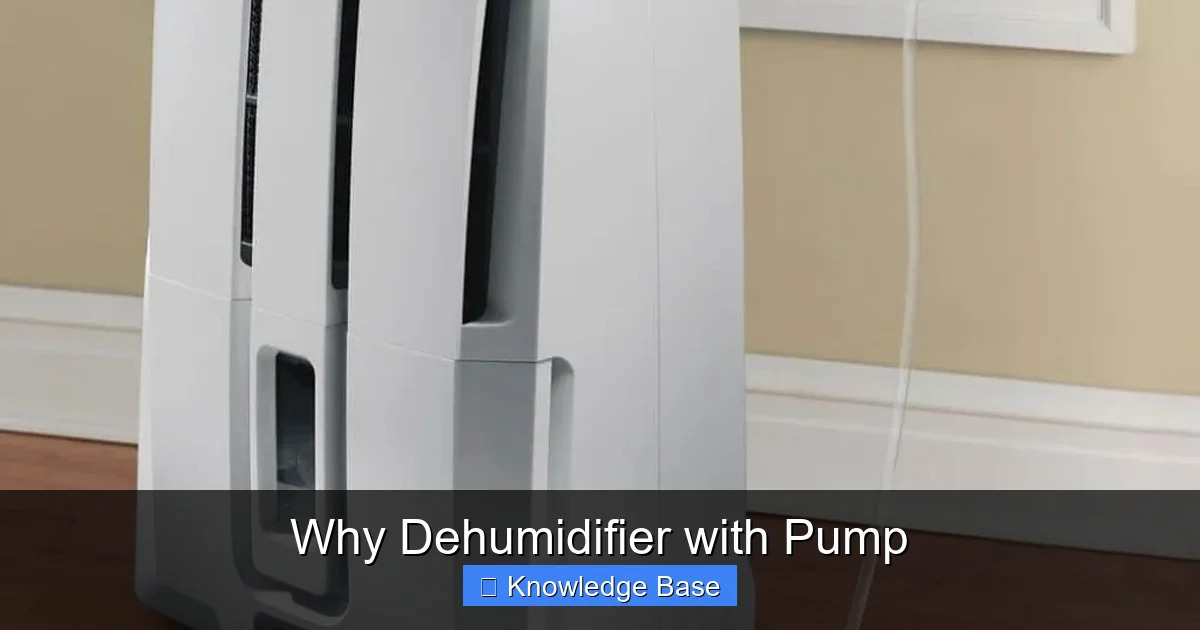
The advantages of a dehumidifier with pump go far beyond convenience. These units are engineered for real-world challenges, offering solutions that basic models simply can’t match.
Visual guide about Why Dehumidifier with Pump
Image source: hvaclifehack.com
1. Continuous, Hands-Free Operation
One of the biggest frustrations with traditional dehumidifiers is the constant need to monitor and empty the water tank. Most buckets hold between 1 and 2 gallons, which can fill up in just a few hours during humid weather. If you forget to empty it, the unit shuts off—leaving your space vulnerable to moisture buildup.
A dehumidifier with pump eliminates this hassle. Once connected to a discharge hose, it can run 24/7 without interruption. Whether you’re at work, on vacation, or asleep, the pump ensures water is continuously expelled. This is especially valuable in vacation homes or rental properties where no one is around to check the unit regularly.
2. Ideal for Basements and Crawl Spaces
Basements are notorious for high humidity due to poor ventilation, groundwater seepage, and cooler temperatures. Crawl spaces are even worse—often dark, confined, and completely cut off from drainage systems. In these areas, a standard dehumidifier with a gravity drain is nearly useless unless you’re willing to run a hose across the floor or drill through foundation walls.
A pump-equipped model solves this problem. You can place the dehumidifier deep inside a crawl space and run the hose up through a vent or utility opening. Some homeowners even connect the discharge line to an existing sump pump system, creating a fully automated moisture management setup.
3. Prevents Mold, Mildew, and Structural Damage
Excess humidity doesn’t just make your home feel clammy—it can cause serious damage over time. Mold and mildew thrive in damp environments, leading to health issues like allergies, asthma, and respiratory infections. Wooden beams, drywall, and insulation can rot or warp, compromising your home’s structural integrity.
By maintaining a consistent humidity level between 30% and 50%, a dehumidifier with pump helps prevent these problems before they start. The continuous operation ensures that even during peak humidity seasons, your home stays protected. For instance, in coastal regions or areas with heavy rainfall, a pump model can make the difference between a musty basement and a dry, usable space.
4. Energy Efficiency and Smart Features
Modern dehumidifiers with pumps often come with advanced features like humidity sensors, auto-restart after power outages, and programmable timers. These smart functions help optimize energy use by running only when needed. Some models even connect to Wi-Fi, allowing you to monitor and control humidity levels from your smartphone.
Because the pump allows for uninterrupted operation, the unit doesn’t have to work as hard to catch up after being shut off due to a full tank. This results in smoother performance and lower energy consumption over time. In fact, many ENERGY STAR® certified dehumidifiers with pumps use up to 30% less energy than older, non-pump models.
Where to Use a Dehumidifier with Pump
A dehumidifier with pump isn’t just for basements—it’s a versatile solution for any area prone to excess moisture. Here are the most common and effective applications:
Basements
Basements are the number one location for dehumidifier installation. Whether finished or unfinished, they’re vulnerable to dampness from groundwater, condensation, and poor airflow. A pump model allows you to place the unit in the most effective spot—often a central or low-lying area—and route the discharge hose to a window, sump pit, or exterior wall.
Pro Tip: Use a hose with a check valve to prevent backflow, and insulate the discharge line if running it through cold areas to avoid freezing in winter.
Crawl Spaces
Crawl spaces are tight, dark, and often inaccessible. Traditional dehumidifiers are difficult to install and maintain here. A compact dehumidifier with pump, however, can be mounted on a wall or placed on a small platform, with the hose exiting through a vent or access panel. Some homeowners even use ducting to direct dry air into the crawl space for better coverage.
Laundry Rooms
Laundry rooms generate significant moisture from washing machines and dryers (especially if vented indoors). A dehumidifier with pump can be placed under a counter or in a corner, with the hose running to a nearby sink or floor drain. This prevents moisture from spreading to adjacent rooms and reduces the risk of mold on walls and cabinets.
Garages and Workshops
Garages often lack insulation and ventilation, making them prone to condensation—especially in colder months. Tools, vehicles, and stored items can rust or degrade in high humidity. A dehumidifier with pump keeps the space dry and protects your investments. Since garages rarely have floor drains, the pump feature is essential for easy water removal.
RV and Boat Storage
If you store an RV or boat in a humid climate, moisture can cause mold, odors, and corrosion. A small, portable dehumidifier with pump can be placed inside during off-seasons, with the hose routed outside through a vent or window seal. This ensures your vehicle stays in top condition until your next adventure.
Installation and Maintenance Tips
Installing a dehumidifier with pump is straightforward, but a few best practices can ensure optimal performance and longevity.
Choosing the Right Hose
Most pump-equipped dehumidifiers come with a ¼-inch or ⅜-inch vinyl or reinforced hose. For long runs or vertical lifts, use a reinforced hose to prevent kinking. Avoid using garden hoses—they’re too stiff and can crack under pressure.
Proper Placement
Place the dehumidifier on a level surface with at least 6–12 inches of clearance around all sides for proper airflow. Avoid placing it near heat sources like furnaces or water heaters, as this can reduce efficiency.
Drainage Setup
Route the discharge hose to a suitable outlet: a floor drain, sump pit, utility sink, or exterior vent. Use hose clamps to secure connections and prevent leaks. If running the hose through a wall or window, use a weatherproof seal to maintain insulation and prevent drafts.
Regular Maintenance
Even with a pump, your dehumidifier needs basic care:
- Clean the air filter every 2–4 weeks to maintain airflow.
- Inspect the pump and hose monthly for clogs or leaks.
- Check the condensate pan (if present) for algae or mineral buildup.
- Wipe down the exterior with a damp cloth to prevent dust accumulation.
Warning: Never operate the pump without water in the reservoir—it can overheat and fail. Most models have a float switch to prevent this, but it’s still good practice to check the unit periodically.
Common Misconceptions About Dehumidifiers with Pumps
Despite their benefits, some homeowners hesitate to buy a dehumidifier with pump due to myths and misunderstandings. Let’s clear them up.
“They’re Too Expensive”
While pump models cost more upfront—typically $50–$150 more than basic units—they save money in the long run. Reduced maintenance, lower energy bills, and prevention of mold damage add up over time. Think of it as an investment in your home’s health and value.
“They’re Noisy”
Modern dehumidifiers with pumps are designed for quiet operation. The pump itself makes minimal noise—often less than a whisper. Most noise comes from the fan and compressor, which are comparable to standard models. Look for units with a decibel rating below 50 dB for near-silent performance.
“They Use Too Much Electricity”
Actually, many pump-equipped dehumidifiers are more energy-efficient because they operate continuously at optimal levels. Unlike units that cycle on and off due to full tanks, pump models maintain steady humidity, reducing the need for high-power bursts. Plus, smart sensors prevent unnecessary runtime.
“I Don’t Need One—My Basement Is Fine”
Even if your basement feels dry, hidden moisture can still cause problems. Use a hygrometer to measure humidity levels. If it’s above 50%, you’re at risk for mold and structural damage. A dehumidifier with pump provides proactive protection, not just reactive fixes.
Choosing the Right Dehumidifier with Pump
Not all dehumidifiers with pumps are created equal. Here’s what to look for when shopping:
Capacity
Measured in pints per day (PPD), capacity should match your space. For a 1,000 sq. ft. basement, a 30–50 PPD unit is usually sufficient. Larger spaces or high-humidity areas may need 70 PPD or more.
Pump Lift Height
Check the maximum vertical lift—typically 10–15 feet. If you need to pump water up to a window or second-floor drain, ensure the model supports it.
Hose Length and Compatibility
Most units include a 6–10 foot hose. If you need longer, buy an extension or a reinforced replacement. Ensure the hose diameter matches the outlet.
Additional Features
- Auto-defrost: Prevents ice buildup in cold environments (below 65°F).
- Humidistat: Lets you set and maintain a specific humidity level.
- Timer: Schedule operation during off-peak hours.
- Filter indicator: Alerts you when the air filter needs cleaning.
- Wheels and handles: Make it easy to move the unit.
Top brands like Frigidaire, hOmeLabs, AprilAire, and Santa Fe offer reliable dehumidifiers with pumps. Read customer reviews and check warranty terms—most come with 1–2 years of coverage.
Conclusion: Make the Smart Choice for Your Home
A dehumidifier with pump isn’t just a convenience—it’s a necessity for anyone dealing with persistent moisture issues. From basements to crawl spaces, garages to vacation homes, these units deliver reliable, hands-free humidity control that protects your property and improves your quality of life.
By automating water removal, reducing maintenance, and enabling flexible installation, a dehumidifier with pump offers unmatched peace of mind. Whether you’re battling mold, preserving wooden structures, or simply wanting a fresher, more comfortable home, this upgrade is well worth the investment. Don’t wait for musty smells or warped floors to take action. Choose a dehumidifier with pump today—and breathe easier tomorrow.
Frequently Asked Questions
Can a dehumidifier with pump work without a drain?
Yes, but only temporarily. The pump removes water automatically, but it still needs a discharge point like a sink, sump pit, or exterior vent. Without a drain, the pump will eventually fail or the unit will shut off.
How often do I need to maintain a dehumidifier with pump?
Clean the air filter every 2–4 weeks and inspect the pump and hose monthly. Full maintenance takes just 5–10 minutes and ensures long-term reliability.
Will a dehumidifier with pump increase my electricity bill?
Not necessarily. Many pump models are energy-efficient and run only when needed. Over time, they may even save money by preventing mold damage and reducing HVAC workload.
Can I use a dehumidifier with pump in cold temperatures?
Only if it has an auto-defrost feature. Most standard units stop working below 65°F. Look for cold-climate models designed for garages or unheated spaces.
How far can a dehumidifier pump push water?
Most pumps can lift water 10–15 feet vertically and push it 20–30 feet horizontally. Check the manufacturer’s specs for exact limits.
Is a dehumidifier with pump worth the extra cost?
Absolutely—especially for basements, crawl spaces, or areas without floor drains. The convenience, protection, and long-term savings make it a smart investment.