
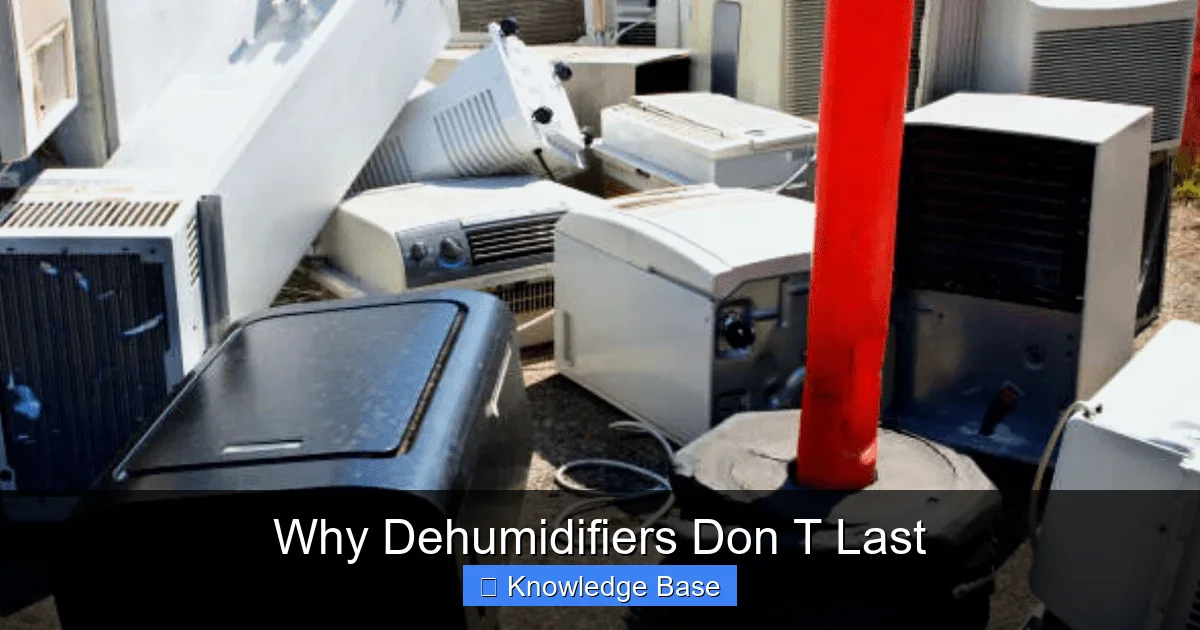
Dehumidifiers don’t last as long as expected due to poor maintenance, harsh operating conditions, and low-quality components. Regular cleaning, proper placement, and choosing energy-efficient models can significantly improve longevity.
Key Takeaways
- Frequent filter and coil cleaning is essential: Dust and debris buildup reduces efficiency and strains the compressor, shortening the unit’s life.
- Operating in extreme temperatures damages components: Running a dehumidifier in very cold or hot environments can cause refrigerant issues and motor failure.
- Low-quality compressors fail faster: Budget models often use weaker compressors that overheat and burn out within a few years.
- Continuous runtime without breaks causes wear: Running nonstop without maintenance cycles leads to motor fatigue and electrical failures.
- Improper drainage leads to water damage: Clogged hoses or full tanks can cause leaks, rust, and internal corrosion.
- Humidity levels above 60% increase strain: High ambient moisture forces the unit to work harder, accelerating wear and tear.
- Regular maintenance extends lifespan: Simple monthly checks can add 3–5 years to your dehumidifier’s life.
📑 Table of Contents
- Why Dehumidifiers Don’t Last: The Hidden Reasons Behind Short Lifespans
- 1. Poor Maintenance: The #1 Killer of Dehumidifiers
- 2. Operating in Extreme Temperatures
- 3. Low-Quality Components and Compressor Failures
- 4. Continuous Runtime Without Breaks
- 5. Improper Placement and Ventilation
- 6. High Ambient Humidity and Overuse
- How to Make Your Dehumidifier Last Longer
- Conclusion: Don’t Let Your Dehumidifier Die Prematurely
Why Dehumidifiers Don’t Last: The Hidden Reasons Behind Short Lifespans
You’ve just bought a shiny new dehumidifier, hoping it’ll keep your basement dry and your air fresh. But within two or three years—sometimes less—it starts making weird noises, stops pulling moisture, or just dies altogether. Sound familiar? You’re not alone. Many homeowners are frustrated by how quickly dehumidifiers seem to wear out, especially when they’re expected to last five to ten years or more.
The truth is, dehumidifiers don’t last as long as they should—and it’s rarely just bad luck. While some units are built with lower-quality parts, the biggest culprits are often user habits, environmental factors, and lack of maintenance. Unlike refrigerators or washing machines, dehumidifiers are often treated as “set it and forget it” appliances. But they’re actually complex machines with moving parts, refrigerants, and electrical components that need regular care.
In this guide, we’ll break down the real reasons why dehumidifiers don’t last, from design flaws to everyday misuse. You’ll learn how to spot early warning signs, extend your unit’s life, and choose a model that’s built to endure. Whether you’re dealing with a musty basement, a damp crawl space, or high indoor humidity, understanding these factors can save you money, stress, and the hassle of constant replacements.
1. Poor Maintenance: The #1 Killer of Dehumidifiers
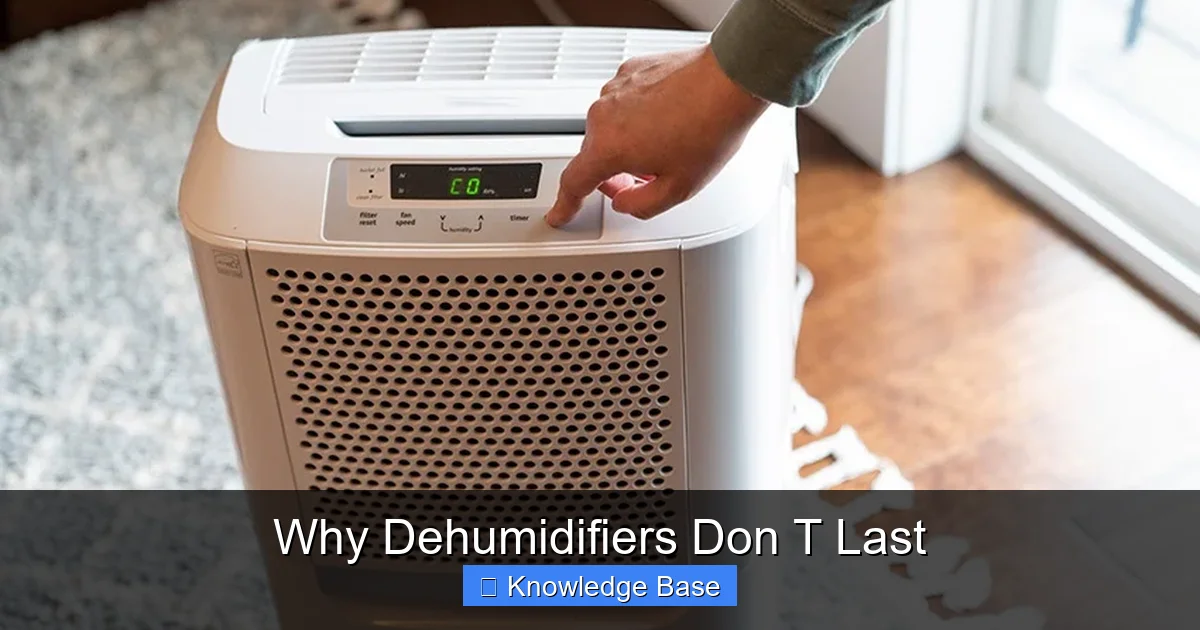
Visual guide about Why Dehumidifiers Don T Last
Image source: gossiboocrew.com
Let’s start with the most common reason dehumidifiers don’t last: neglect. Just like your car needs oil changes, your dehumidifier needs regular cleaning and upkeep. Unfortunately, most people don’t realize this until it’s too late.
Dirty Air Filters Reduce Airflow and Overwork the System
The air filter is the first line of defense in your dehumidifier. It traps dust, pet dander, and other airborne particles before they enter the internal components. But over time, this filter gets clogged. When airflow is restricted, the evaporator coils can’t absorb moisture efficiently. The unit has to run longer and harder to achieve the same results, which puts extra strain on the compressor and fan motor.
For example, imagine trying to breathe through a straw—that’s what your dehumidifier feels like with a dirty filter. The motor works overtime, overheats, and eventually fails. In fact, studies show that a clogged filter can reduce efficiency by up to 30% and cut the lifespan of the unit in half.
The fix? Clean or replace the filter every 4–6 weeks during heavy use (like summer or rainy seasons). Most models have a removable filter that can be vacuumed or rinsed with water. Just make sure it’s completely dry before reinstalling.
Frost and Ice Buildup on Evaporator Coils
Another maintenance issue is frost accumulation on the evaporator coils. This happens when the unit operates in cold environments—typically below 65°F (18°C). As warm, moist air passes over the cold coils, moisture condenses and freezes. Over time, this ice layer insulates the coils, preventing heat exchange and reducing dehumidification.
Many modern units have auto-defrost features, but these aren’t foolproof. If the defrost cycle fails or the unit runs too long without a break, ice can build up and damage the coils or compressor. In severe cases, the unit may shut down completely to prevent damage.
To avoid this, never run a standard dehumidifier in unheated spaces like garages or crawl spaces during winter unless it’s specifically rated for low temperatures (look for “cold climate” or “low-temp” models). And if you notice frost forming, turn the unit off and let it thaw completely before resuming use.
Neglecting the Water Tank and Drain Hose
Most dehumidifiers collect water in a removable tank that needs to be emptied regularly. But if you forget to check it, the tank can overflow, causing water to spill onto the floor or seep into the machine’s internal components. This leads to rust, corrosion, and electrical shorts.
Even if you use a continuous drain hose, it can become clogged with algae, mold, or mineral deposits—especially if you’re using hard water. A blocked hose means water can’t exit, so the unit shuts off or overflows.
To prevent this, inspect the drain hose monthly and flush it with a mixture of water and vinegar to dissolve buildup. Also, consider using a drain pan or float switch as an extra safety measure.
2. Operating in Extreme Temperatures
Visual guide about Why Dehumidifiers Don T Last
Image source: thespruce.com
Dehumidifiers are designed to work best in typical indoor conditions—between 65°F and 80°F (18°C to 27°C). But many people place them in basements, garages, or attics where temperatures can swing wildly. This is a major reason why dehumidifiers don’t last.
Cold Environments Cause Refrigerant Issues
In cold spaces, the refrigerant inside the dehumidifier can’t absorb heat efficiently. The compressor has to work harder to maintain pressure, which increases wear and can lead to premature failure. Additionally, as mentioned earlier, cold air holds less moisture, so the unit may run constantly trying to reach the set humidity level—even when there’s little water to remove.
For instance, running a standard dehumidifier in a 50°F (10°C) basement in winter is like asking a marathon runner to sprint in snow boots. It’s inefficient and exhausting.
Solution: Use a cold-climate dehumidifier with a specialized refrigerant and enhanced defrost system. These models can operate effectively down to 41°F (5°C) and are ideal for unheated areas.
High Heat and Humidity Overload the System
On the flip side, extremely hot and humid environments—like a poorly ventilated laundry room or a tropical climate—can also shorten a dehumidifier’s life. High ambient humidity means the unit has to remove more water, which increases condensation on the coils. If the condenser can’t release heat fast enough, the system overheats.
This is especially true for smaller or underpowered units. A 30-pint dehumidifier in a 1,000-square-foot humid basement may struggle to keep up, running 24/7 and burning out within a year or two.
Tip: Choose a unit with a higher capacity (in pints per day) than you think you need. For example, if your space is moderately damp, go for a 50-pint model instead of a 30-pint. It will cycle on and off more efficiently, reducing wear.
3. Low-Quality Components and Compressor Failures
Not all dehumidifiers are built the same. While premium brands like Frigidaire, hOmeLabs, or AprilAire use durable compressors and sealed bearings, budget models often cut corners to save costs. This is a key reason why dehumidifiers don’t last long—especially the cheap ones.
Weak Compressors Burn Out Quickly
The compressor is the heart of the dehumidifier. It pumps refrigerant through the system, enabling the cooling and condensation process. In low-end models, manufacturers use smaller, less efficient compressors that can’t handle continuous operation.
For example, a $100 dehumidifier might use a single-speed compressor that runs at full power all the time. This generates excess heat and vibration, leading to motor burnout in 18–24 months. In contrast, higher-end models feature variable-speed or rotary compressors that adjust output based on demand, reducing strain and extending life.
Signs of compressor failure include loud knocking noises, failure to start, or the unit running but not removing moisture. Unfortunately, compressor repairs are often more expensive than buying a new unit.
Poorly Sealed Bearings and Fan Motors
The fan motor circulates air over the coils, and it’s usually housed in a sealed bearing. In cheaper models, these bearings aren’t well protected from dust and moisture. Over time, debris gets inside, causing friction, overheating, and eventual failure.
You might notice the fan slowing down, making grinding noises, or stopping altogether. Once the motor seizes, the unit can’t function.
To avoid this, choose models with sealed or maintenance-free bearings. Also, keep the area around the dehumidifier clean and dust-free.
Thin Metal Casings and Weak Electrical Components
Many budget dehumidifiers use thin plastic or lightweight metal casings that vibrate excessively during operation. This vibration can loosen internal wiring, damage solder joints, or crack the refrigerant lines.
Additionally, low-quality capacitors, relays, and circuit boards are prone to electrical failures. A power surge or frequent on/off cycling can fry these components, leaving the unit dead.
Investing in a well-built model with a solid chassis and robust electrical components can add years to its life—even if it costs $50–$100 more upfront.
4. Continuous Runtime Without Breaks
Dehumidifiers are workhorses, but they’re not designed to run nonstop without rest. Yet many people set them to run 24/7, especially in humid climates or during rainy seasons. This constant operation is a major reason why dehumidifiers don’t last.
Motor and Compressor Fatigue
Every time the compressor starts, it experiences a surge of electrical current—known as inrush current—which is much higher than normal operating current. Frequent cycling (turning on and off) increases this stress, wearing out the motor windings and capacitors.
Even when running continuously, the motor generates heat. Without proper cooling periods, internal temperatures rise, degrading insulation and shortening the motor’s lifespan.
Solution: Use a humidistat to control runtime. Set the dehumidifier to maintain 45–50% humidity. When the target is reached, the unit will cycle off, giving the motor a break. This not only saves energy but also reduces wear.
Lack of Defrost Cycles in Cold Weather
As mentioned earlier, frost buildup is a problem in cold environments. But even with auto-defrost, continuous runtime can overwhelm the system. The defrost cycle uses extra energy to melt ice, and if it runs too often, it can overheat the compressor.
Some units have a timer that forces a defrost cycle every 30–60 minutes, but if the ambient temperature is too low, this may not be enough.
Tip: In cold areas, run the dehumidifier only during warmer parts of the day or use a timer to limit operation to 8–12 hours.
5. Improper Placement and Ventilation
Where you place your dehumidifier matters more than you think. Poor placement can restrict airflow, cause overheating, and lead to premature failure.
Blocked Air Intakes and Exhaust Vents
Dehumidifiers need space to breathe. If you place it too close to walls, furniture, or curtains, the air intake and exhaust vents can become blocked. This reduces airflow, causes the unit to overheat, and forces the fan and compressor to work harder.
For example, placing a dehumidifier in a tight corner with only 6 inches of clearance on all sides can cut efficiency by 20% or more.
Best practice: Leave at least 12–18 inches of clearance around all sides, especially the front and back where air flows in and out.
Running in Enclosed or Unventilated Spaces
Some people run dehumidifiers in small, sealed rooms like closets or crawl spaces without any airflow. While this might seem efficient, it traps heat and moisture, creating a feedback loop that stresses the unit.
Additionally, without fresh air, the dehumidifier may recirculate the same damp air, reducing its effectiveness.
Solution: Ensure the space has some ventilation—open a window slightly or use a fan to circulate air. This helps the dehumidifier work more efficiently and reduces runtime.
6. High Ambient Humidity and Overuse
Finally, the very problem your dehumidifier is solving—high humidity—can also be its downfall. When humidity levels are consistently above 60%, the unit has to work much harder, accelerating wear and tear.
Constant High Load Shortens Lifespan
In humid climates or during monsoon seasons, dehumidifiers often run nonstop. This constant load heats up the compressor, dries out lubricants, and increases the risk of electrical failure.
For example, in Florida or the Gulf Coast, where humidity averages 70–80%, a dehumidifier may run 18–24 hours a day. Without proper maintenance and a robust design, it’s unlikely to last more than 3–4 years.
Solutions for High-Humidity Areas
– Use a whole-house dehumidifier integrated with your HVAC system. These are built for continuous operation and last 10+ years with proper maintenance.
– Supplement with exhaust fans in bathrooms and kitchens to reduce moisture at the source.
– Seal cracks in basements and crawl spaces to prevent groundwater infiltration.
– Consider a dual-hose dehumidifier for better efficiency in large spaces.
How to Make Your Dehumidifier Last Longer
Now that you know why dehumidifiers don’t last, here’s how to fight back and extend their life:
1. **Clean the filter monthly**—or more often in dusty environments.
2. **Inspect and clean coils** every 6 months using a soft brush or coil cleaner.
3. **Empty the tank regularly** or use a continuous drain with a clog-resistant hose.
4. **Place the unit in a well-ventilated area** with plenty of clearance.
5. **Avoid extreme temperatures**—use cold-climate models in unheated spaces.
6. **Set a humidistat** to 45–50% and let the unit cycle on and off.
7. **Schedule annual maintenance**—check seals, wiring, and refrigerant levels if possible.
By treating your dehumidifier like the hardworking appliance it is, you can easily add 3–5 years to its life—saving hundreds in replacement costs.
Conclusion: Don’t Let Your Dehumidifier Die Prematurely
Dehumidifiers don’t last as long as they should—but it’s not inevitable. With proper care, smart usage, and the right model, you can keep your unit running efficiently for 7–10 years or more. The key is understanding the hidden stresses that wear them down: poor maintenance, extreme temperatures, low-quality parts, and overuse.
Think of your dehumidifier like a car. It needs regular oil changes (filter cleaning), tire rotations (coil maintenance), and occasional tune-ups. Ignore it, and it will break down when you need it most.
So the next time you buy a dehumidifier, don’t just look at the price. Consider the build quality, energy efficiency, and maintenance requirements. And once it’s running, treat it with respect—clean it, place it wisely, and give it breaks.
Your home—and your wallet—will thank you.
Frequently Asked Questions
How long should a dehumidifier last?
A well-maintained dehumidifier should last 5–10 years, depending on usage and quality. Budget models may fail in 2–3 years, while high-end units can exceed 10 years with proper care.
Why does my dehumidifier stop working after a few years?
Common reasons include dirty filters, frost buildup, compressor failure, or electrical issues. Most failures are preventable with regular maintenance and proper placement.
Can I run my dehumidifier 24/7?
Yes, but it increases wear and energy use. Use a humidistat to cycle the unit on and off, which reduces strain and extends lifespan.
Should I clean the coils on my dehumidifier?
Yes. Dirty coils reduce efficiency and cause overheating. Clean them every 6 months with a soft brush or coil cleaner to maintain performance.
What humidity level should I set my dehumidifier to?
Set it between 45% and 50% for optimal comfort and efficiency. Levels above 60% promote mold growth, while below 40% can dry out wood and skin.
Can a dehumidifier be repaired, or should I replace it?
Simple issues like clogged filters or hoses can be fixed. However, compressor or refrigerant leaks often cost more to repair than replacing the unit.