

Dehumidifiers stop working due to common issues like dirty filters, frozen coils, full water tanks, or electrical faults. Regular maintenance and troubleshooting can restore performance and extend the life of your unit.
Key Takeaways
- Dirty or clogged air filters restrict airflow, causing the unit to overheat or shut down prematurely.
- Frozen evaporator coils occur in cold environments, blocking moisture removal and halting operation.
- A full water tank triggers an automatic shutoff; emptying it restores function.
- Faulty humidistat or sensors misread humidity levels, leading to incorrect on/off cycles or complete failure.
- Compressor or fan motor issues prevent proper air circulation and dehumidification.
- Refrigerant leaks reduce cooling efficiency, making the dehumidifier ineffective.
- Lack of regular maintenance accelerates wear and tear, increasing the risk of breakdowns.
📑 Table of Contents
Why Dehumidifiers Stop Working: A Comprehensive Guide
Imagine walking into your basement after a humid summer day, expecting a cool, dry space—only to find your dehumidifier silent and the air still thick with moisture. Frustrating, right? Dehumidifiers are essential appliances for maintaining indoor air quality, preventing mold growth, and protecting your home from moisture damage. But when they suddenly stop working, it can feel like a major setback.
You’re not alone. Many homeowners experience this issue, often at the worst possible time. The good news? Most dehumidifier failures aren’t due to catastrophic malfunctions. In fact, the majority of problems are preventable and fixable with a little know-how. Understanding why dehumidifiers stop working is the first step toward keeping your unit running efficiently year after year.
In this guide, we’ll explore the most common reasons dehumidifiers fail, how to diagnose them, and what you can do to fix or prevent them. Whether you’re dealing with a unit that won’t turn on, one that runs but doesn’t remove moisture, or one that keeps shutting off unexpectedly, we’ve got you covered. Let’s dive in and get your dehumidifier back to doing what it does best—keeping your home dry and comfortable.
Common Causes of Dehumidifier Failure
Dehumidifiers are complex machines with several working parts, and when one component fails, the entire system can grind to a halt. While it might seem overwhelming, most failures stem from a handful of common issues. Identifying the root cause is key to getting your unit back up and running.

Visual guide about Why Dehumidifiers Stop Working
Image source: myhomemyglobe.com
Let’s break down the most frequent culprits behind dehumidifier malfunctions. From simple oversights like a full water tank to more technical problems like refrigerant leaks, we’ll walk you through each scenario with practical examples and actionable tips.
1. Dirty or Clogged Air Filters
One of the most overlooked yet critical components of a dehumidifier is the air filter. Located at the intake vent, the filter traps dust, pet dander, and other airborne particles before they enter the internal system. Over time, this filter can become clogged, especially in dusty environments or homes with pets.
When the filter is dirty, airflow is restricted. This forces the fan motor to work harder, which can lead to overheating. In many models, the unit will automatically shut down to prevent damage. Even if it doesn’t shut off completely, reduced airflow means less moisture is being pulled from the air, making the dehumidifier less effective.
For example, imagine running your dehumidifier in a basement workshop where sawdust is constantly in the air. After a few weeks, the filter becomes packed with debris. The unit may still turn on, but you’ll notice it’s no longer reducing humidity levels. A quick inspection reveals a gray, caked-on filter that’s barely allowing air through.
The fix? Clean or replace the filter regularly. Most manufacturers recommend checking the filter every 30 to 60 days, depending on usage. Cleaning is simple: remove the filter, vacuum it, or rinse it under warm water (if it’s washable), and let it dry completely before reinserting. For non-washable filters, replace them as needed.
2. Frozen Evaporator Coils
If your dehumidifier is running but not collecting water, frozen evaporator coils could be the problem. This issue typically occurs in cold environments—think basements in winter or garages where temperatures drop below 65°F (18°C).
Here’s what happens: the evaporator coils cool down to condense moisture from the air. In cold conditions, the coils can get so cold that moisture freezes on them instead of dripping into the water tank. Over time, a layer of ice builds up, blocking airflow and preventing the unit from functioning.
You might notice the fan is still spinning, but no water is being collected. In some cases, the unit may shut off automatically due to a built-in freeze protection sensor. If you suspect frozen coils, turn off the dehumidifier and let it sit for several hours to thaw. Once the ice melts, check the coils for any remaining frost or damage.
To prevent this, avoid using your dehumidifier in unheated spaces during cold months. If you must use it, consider a model with an auto-defrost feature, which periodically heats the coils to prevent freezing. Alternatively, move the unit to a warmer area or use a space heater nearby to maintain a stable temperature.
3. Full or Improperly Seated Water Tank
Dehumidifiers collect moisture in a built-in water tank, which needs to be emptied regularly. Most units have a float switch that detects when the tank is full and automatically shuts off the machine to prevent overflow. If the tank isn’t emptied or isn’t seated correctly, the dehumidifier will stop working—even if it’s still plugged in and powered on.
This is one of the simplest issues to fix. Check the water tank: is it full? Is it properly locked into place? Sometimes, the tank may look empty, but debris or mineral buildup can interfere with the float switch, causing a false “full” reading.
For instance, if you’ve been using your dehumidifier in a hard water area, mineral deposits can accumulate in the tank and around the float mechanism. This can prevent the switch from resetting even after emptying. Cleaning the tank with a mild vinegar solution can dissolve these deposits and restore proper function.
Pro tip: If you don’t want to empty the tank manually, consider a model with a continuous drainage option. You can attach a hose to the drain port and route it to a floor drain or sump pump, allowing the dehumidifier to run indefinitely without intervention.
4. Faulty Humidistat or Humidity Sensor
The humidistat is the “brain” of your dehumidifier—it measures the current humidity level and tells the unit when to turn on or off. If the humidistat is malfunctioning, your dehumidifier might not respond correctly to changes in moisture, leading to poor performance or complete failure.
For example, you might set the desired humidity level to 50%, but the unit keeps running nonstop or shuts off too early. This could mean the sensor is misreading the air, either because it’s dirty, damaged, or simply worn out over time.
To test the humidistat, use a separate hygrometer (a device that measures humidity) to compare readings. If there’s a significant difference, the sensor may need calibration or replacement. Some high-end models allow you to recalibrate the sensor through the control panel, while others require professional service.
Regular cleaning can also help. Dust and grime can accumulate on the sensor, affecting its accuracy. Use a soft, dry cloth to gently wipe the sensor area. Avoid using liquids, as moisture can damage the electronics.
5. Compressor or Fan Motor Problems
The compressor and fan motor are the powerhouse components of a dehumidifier. The compressor pressurizes the refrigerant, enabling the cooling process, while the fan pulls air over the coils to remove moisture. If either of these fails, the unit won’t function properly.
A failing compressor might make loud clicking or humming noises but won’t start. This could be due to electrical issues, a burnt-out motor, or a faulty start capacitor. Similarly, a fan motor that’s seized or damaged won’t circulate air, rendering the dehumidifier ineffective.
These problems are often more complex and may require professional repair or replacement. However, regular maintenance can extend the life of these components. Keep the unit clean, ensure proper ventilation around the appliance, and avoid overworking it in extremely humid conditions.
If you suspect a motor or compressor issue, listen for unusual sounds. A fan that’s struggling to spin or a compressor that clicks repeatedly but doesn’t start are red flags. In such cases, it’s best to consult a technician rather than attempting a DIY fix, as electrical components can be dangerous to handle.
6. Refrigerant Leaks
Refrigerant is the chemical that enables the cooling process in your dehumidifier. If there’s a leak in the system, the refrigerant level drops, reducing the unit’s ability to cool the coils and remove moisture. This often results in the dehumidifier running continuously without collecting any water.
Signs of a refrigerant leak include reduced cooling efficiency, ice buildup on the coils (even in warm environments), and a hissing sound near the coils or tubing. Unfortunately, refrigerant leaks are not something you can fix at home. Handling refrigerant requires certification due to environmental regulations, and the system must be properly evacuated and recharged.
If you suspect a leak, contact a qualified HVAC technician. They can locate the leak, repair it, and recharge the system with the correct amount of refrigerant. While this can be costly, it’s often more economical than replacing the entire unit—especially for high-end models.
How to Prevent Dehumidifier Breakdowns
Prevention is always better than repair. By following a few simple maintenance practices, you can keep your dehumidifier running smoothly and avoid the frustration of unexpected failures.
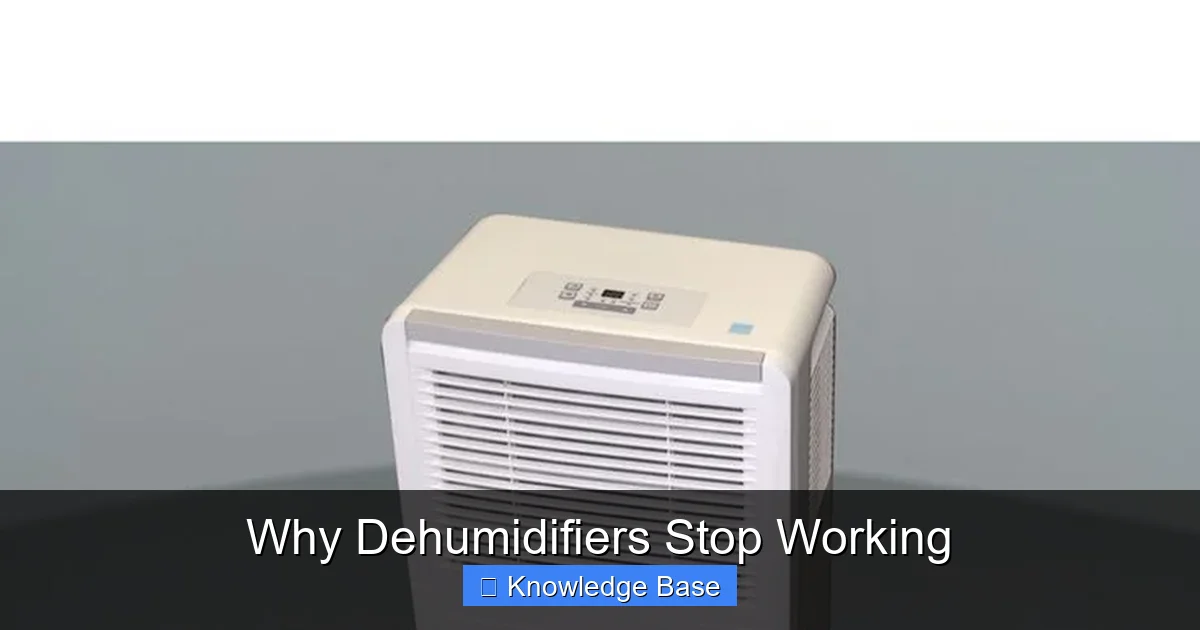
Visual guide about Why Dehumidifiers Stop Working
Image source: i.pinimg.com
Regular Cleaning and Maintenance
Set a monthly reminder to inspect and clean your dehumidifier. Start with the air filter—clean or replace it as needed. Wipe down the exterior with a damp cloth to remove dust and grime. Check the water tank for mold or mineral buildup and clean it with a vinegar solution.
Also, inspect the coils and fins for dirt or ice. Use a soft brush or vacuum attachment to gently remove debris. Never use sharp objects, as they can damage the delicate fins.
Proper Placement and Ventilation
Where you place your dehumidifier matters. Keep it away from walls, furniture, and curtains to ensure proper airflow. Allow at least 6–12 inches of clearance on all sides. Avoid placing it in direct sunlight or near heat sources, as this can cause the unit to overheat.
If you’re using it in a basement, consider elevating it slightly off the floor to prevent water damage and improve air circulation.
Monitor Humidity Levels
Use a hygrometer to monitor indoor humidity levels. Ideally, you want to maintain between 30% and 50% humidity. If levels are consistently high, your dehumidifier may be working overtime, increasing wear and tear. Address the source of excess moisture—such as leaks, poor ventilation, or high outdoor humidity—to reduce the load on your unit.
Use a Timer or Smart Features
Many modern dehumidifiers come with timers or smart controls that allow you to schedule operation. This prevents the unit from running unnecessarily and reduces energy consumption. For example, you can set it to run only during the most humid parts of the day.
Smart models can even connect to your smartphone, sending alerts when the tank is full or if there’s a malfunction. This proactive monitoring can help you catch issues early.
When to Call a Professional
While many dehumidifier issues can be resolved with basic troubleshooting, some problems require expert attention. If you’ve tried the steps above and your unit still isn’t working, it’s time to call a professional.
Signs that you need a technician include:
- The unit won’t turn on, even after checking the power source and resetting the circuit breaker.
- You hear unusual noises like grinding, screeching, or constant clicking.
- There’s visible damage to the coils, tubing, or electrical components.
- The dehumidifier is leaking water or refrigerant.
- The compressor or fan motor is hot to the touch or smells burnt.
Attempting to repair electrical or refrigerant systems without proper training can be dangerous and may void your warranty. A certified technician has the tools and expertise to diagnose and fix complex issues safely.
Conclusion
Dehumidifiers are invaluable for maintaining a healthy, comfortable home, but they’re not immune to problems. Understanding why dehumidifiers stop working—whether it’s a clogged filter, frozen coils, or a faulty sensor—empowers you to take action before small issues become big headaches.
Regular maintenance, proper placement, and timely troubleshooting can go a long way in keeping your unit running efficiently. And when in doubt, don’t hesitate to seek professional help. With a little care and attention, your dehumidifier can serve you well for many years, ensuring your home stays dry, mold-free, and comfortable no matter the season.
Frequently Asked Questions
Why won’t my dehumidifier turn on?
Check if the unit is plugged in, the circuit breaker hasn’t tripped, and the water tank isn’t full. If all seem fine, the issue could be a faulty power cord, internal fuse, or control panel.
Why is my dehumidifier running but not collecting water?
This is often due to dirty filters, frozen coils, or low refrigerant. Clean the filter, ensure the room is above 65°F, and check for ice buildup. If the problem persists, a refrigerant leak may be the cause.
How often should I clean my dehumidifier filter?
Clean or replace the filter every 30 to 60 days, depending on usage and air quality. In dusty environments or homes with pets, more frequent cleaning may be needed.
Can I use my dehumidifier in a cold basement?
Most dehumidifiers are designed for temperatures above 65°F. Using them in colder areas can cause coils to freeze. Look for models with auto-defrost or use a space heater to maintain warmth.
Is it worth repairing a dehumidifier?
If the repair cost is less than half the price of a new unit and the dehumidifier is less than 5 years old, repair is usually worthwhile. For older units or major issues like compressor failure, replacement may be more cost-effective.
How can I prevent mold in my dehumidifier?
Empty and clean the water tank weekly, use a vinegar solution to remove mold, and ensure the unit is completely dry before storing. Running the dehumidifier regularly also prevents stagnant water buildup.