
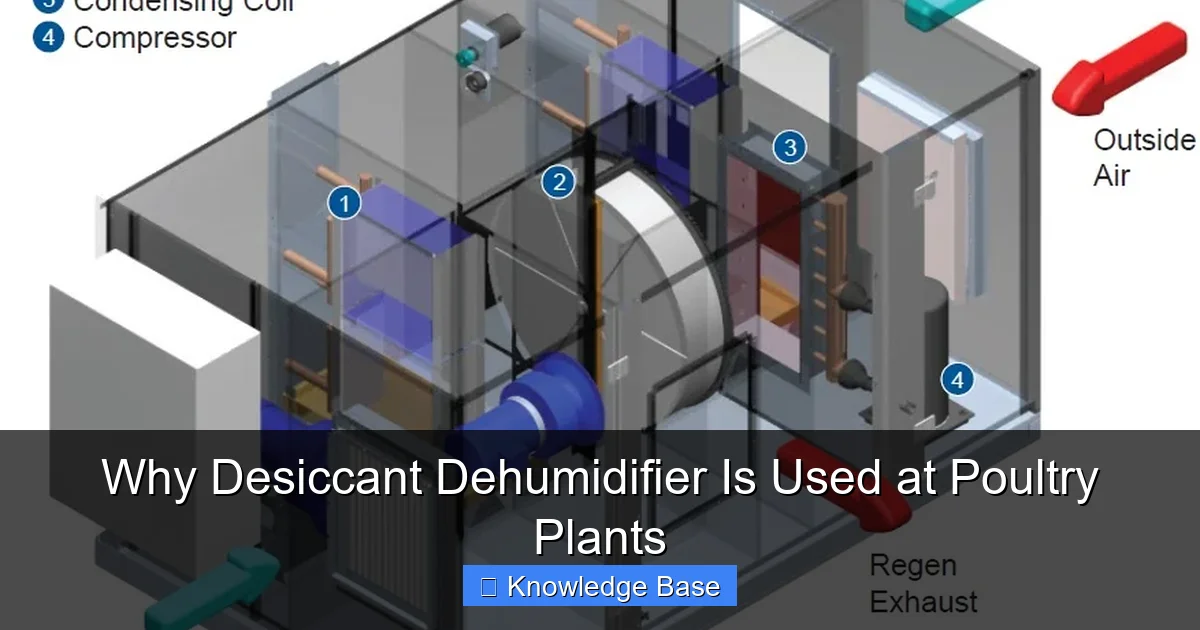
Desiccant dehumidifiers play a vital role in poultry processing plants by controlling humidity, preventing microbial growth, and preserving product quality. They help maintain strict hygiene standards, reduce spoilage, and ensure compliance with food safety regulations in high-moisture environments.
Key Takeaways
- Controls Humidity Effectively: Desiccant dehumidifiers remove moisture from the air more efficiently than refrigerant models, especially in cold or low-temperature environments common in poultry plants.
- Prevents Bacterial and Fungal Growth: By maintaining low humidity levels, they inhibit the growth of harmful pathogens like Salmonella and Listeria, which thrive in damp conditions.
- Protects Equipment and Infrastructure: Reduces condensation on machinery, walls, and ceilings, preventing corrosion, mold, and structural damage.
- Improves Product Shelf Life: Lower moisture levels slow down spoilage and extend the freshness of poultry products during processing and storage.
- Supports Food Safety Compliance: Helps meet HACCP and FDA standards by creating a controlled environment that minimizes contamination risks.
- Enhances Worker Comfort and Safety: Reduces slippery floors and foggy conditions, improving workplace safety and employee morale.
- Energy Efficient in Cold Climates: Unlike traditional dehumidifiers, desiccant systems perform well in low temperatures, making them ideal for refrigerated poultry facilities.
📑 Table of Contents
- Why Desiccant Dehumidifier Is Used at Poultry Plants
- Understanding the Role of Humidity in Poultry Processing
- How Desiccant Dehumidifiers Work
- Preventing Microbial Growth and Ensuring Food Safety
- Protecting Equipment and Infrastructure
- Improving Product Quality and Shelf Life
- Supporting Regulatory Compliance and Worker Safety
- Energy Efficiency and Cost Considerations
- Conclusion
Why Desiccant Dehumidifier Is Used at Poultry Plants
Poultry processing plants are high-intensity environments where hygiene, safety, and efficiency are non-negotiable. From slaughtering and evisceration to packaging and cold storage, every stage generates significant amounts of moisture. This moisture comes from water used in cleaning, steam from equipment, and the natural evaporation from bird carcasses. Left unchecked, this humidity creates a breeding ground for bacteria, promotes mold growth, and can damage equipment. That’s where desiccant dehumidifiers come in—offering a powerful, reliable solution to maintain optimal environmental conditions.
Unlike traditional refrigerant dehumidifiers, desiccant systems use a moisture-absorbing material (like silica gel) to pull water vapor from the air. This makes them especially effective in cold or low-temperature environments, which are common in poultry plants. Whether it’s a chilling room, a packaging area, or a storage warehouse, desiccant dehumidifiers help maintain dry, safe, and compliant conditions. In this article, we’ll explore the critical reasons why these systems are indispensable in modern poultry operations.
Understanding the Role of Humidity in Poultry Processing
Visual guide about Why Desiccant Dehumidifier Is Used at Poultry Plants
Image source: ctrltechnologies.com
Humidity is one of the most overlooked yet influential factors in poultry plant operations. While temperature control often gets the spotlight, humidity plays an equally important role in product quality, equipment longevity, and worker safety. Poultry processing involves multiple water-intensive steps—washing, scalding, defeathering, and sanitizing—each contributing to elevated moisture levels in the air.
When humidity rises, condensation forms on cold surfaces like metal equipment, refrigeration units, and concrete floors. This creates wet, slippery conditions that increase the risk of workplace accidents. More importantly, high humidity encourages the growth of microorganisms. Bacteria such as Salmonella, Campylobacter, and Listeria thrive in moist environments and can contaminate poultry products, leading to foodborne illnesses and costly recalls.
Additionally, excess moisture can compromise the texture and shelf life of processed poultry. For example, moisture on the surface of chicken breasts can lead to freezer burn during storage or promote spoilage during refrigeration. In packaging areas, humidity can affect the integrity of labels and packaging materials, causing them to peel or degrade.
Desiccant dehumidifiers address these challenges by actively removing moisture from the air, even in cold conditions where other dehumidifiers struggle. They help maintain a dry atmosphere that supports food safety, protects equipment, and ensures consistent product quality.
How Desiccant Dehumidifiers Work
Visual guide about Why Desiccant Dehumidifier Is Used at Poultry Plants
Image source: drycareindia.com
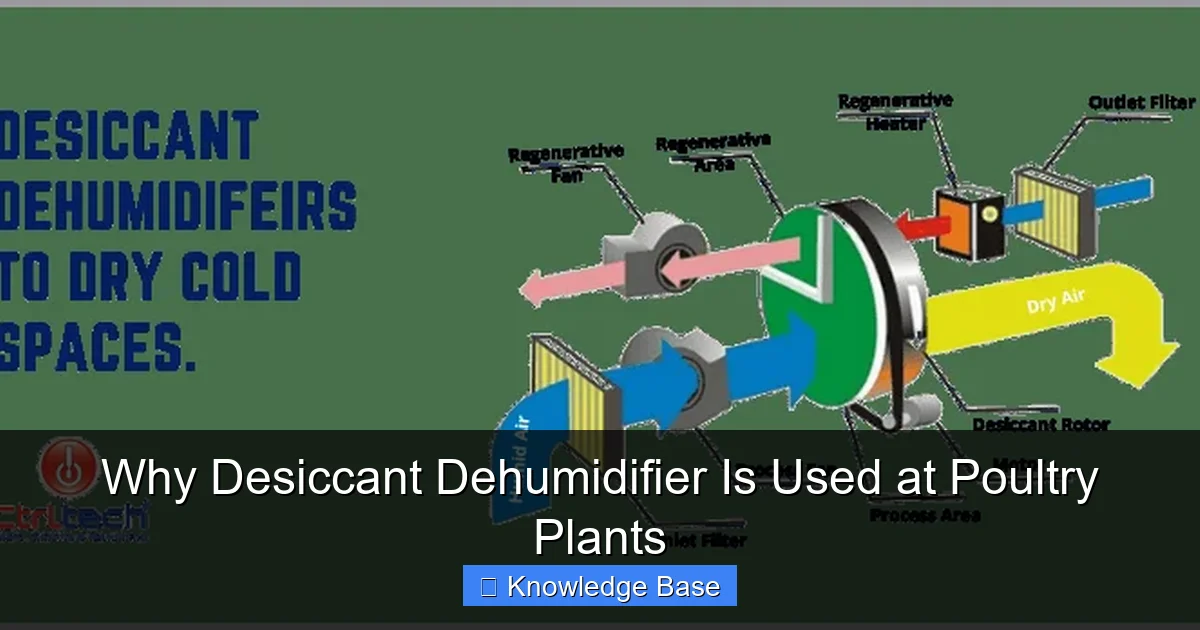
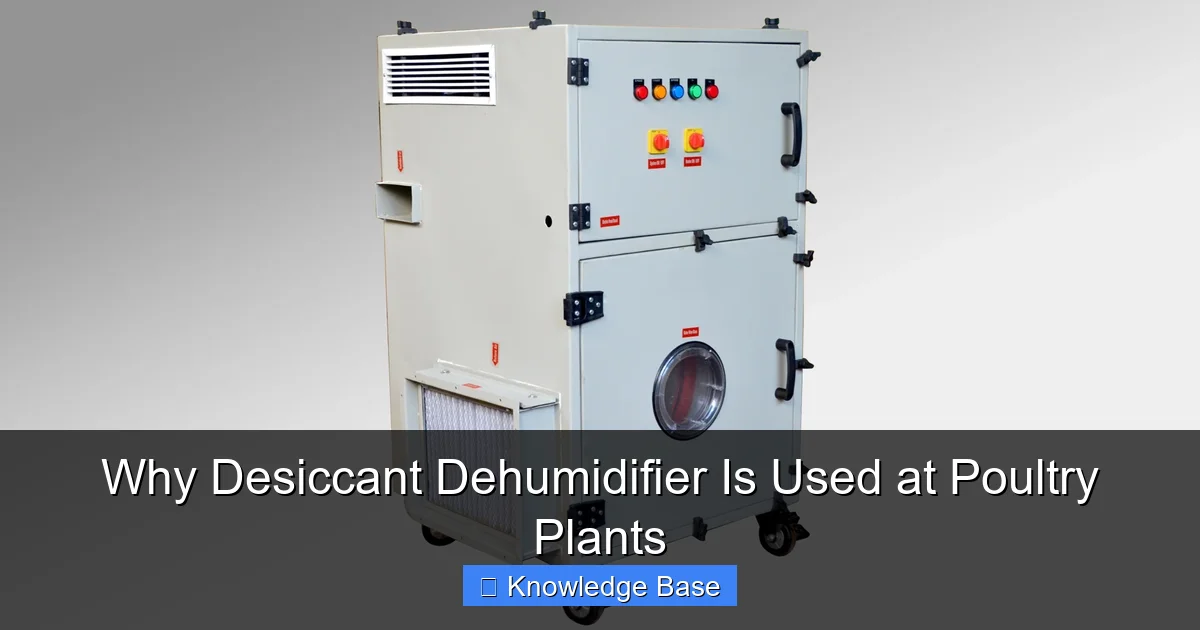
To appreciate why desiccant dehumidifiers are so effective in poultry plants, it’s important to understand how they function. Unlike refrigerant dehumidifiers, which cool the air to condense moisture, desiccant systems use a hygroscopic material—typically silica gel or a similar desiccant—to absorb water vapor directly from the air.
The Science Behind Desiccant Technology
Desiccant dehumidifiers operate on a simple yet powerful principle: adsorption. The desiccant material has a high affinity for water molecules, pulling them out of the air and trapping them within its porous structure. Air is drawn into the dehumidifier and passed over a rotating desiccant wheel or through a fixed bed of desiccant material. As the air moves through, moisture is captured, and dry air is released back into the environment.
Once the desiccant becomes saturated, it needs to be regenerated. This is done by applying heat—usually from electric elements or hot air—to release the trapped moisture. The humid air is then vented outside the facility, while the desiccant is restored and ready to absorb more moisture. This continuous cycle allows desiccant dehumidifiers to operate efficiently 24/7, even in demanding industrial settings.
Advantages Over Refrigerant Dehumidifiers
One of the biggest advantages of desiccant dehumidifiers is their performance in cold environments. Refrigerant dehumidifiers rely on cooling coils to condense moisture, but they become ineffective when temperatures drop below 15°C (60°F). In poultry plants, where refrigeration units and cold storage areas often operate at 4°C (39°F) or lower, refrigerant systems simply can’t keep up.
Desiccant dehumidifiers, on the other hand, work effectively across a wide temperature range—from sub-zero to high heat. This makes them ideal for use in chillers, freezers, and processing rooms where consistent humidity control is critical. Additionally, desiccant systems can achieve much lower humidity levels (down to 1% relative humidity), which is essential for preventing microbial growth and condensation.
Another benefit is energy efficiency in specific applications. While desiccant dehumidifiers may consume more energy during regeneration, their ability to operate in cold climates often offsets this cost. In poultry plants, where maintaining low humidity is a constant challenge, the reliability and performance of desiccant systems make them a worthwhile investment.
Preventing Microbial Growth and Ensuring Food Safety
Food safety is the cornerstone of any poultry processing operation. Contamination from bacteria, mold, and other pathogens can lead to serious health risks, product recalls, and damage to brand reputation. Humidity control is a key part of preventing these issues, and desiccant dehumidifiers are a proven tool in this effort.
Stopping Bacteria in Their Tracks
Pathogens like Salmonella and Listeria are a constant threat in poultry plants. These bacteria can survive and multiply in moist environments, especially on surfaces that are difficult to clean. High humidity increases the risk of cross-contamination, as water droplets can carry bacteria from one area to another.
By maintaining low humidity levels, desiccant dehumidifiers create an environment that is hostile to microbial growth. Dry air reduces the availability of free water, which bacteria need to survive. This helps protect both the poultry products and the equipment used in processing.
For example, in a packaging room where chicken is portioned and sealed, even a small amount of condensation on a conveyor belt can lead to bacterial buildup. A desiccant dehumidifier keeps the air dry, minimizing condensation and reducing the risk of contamination. This not only improves food safety but also supports compliance with Hazard Analysis and Critical Control Points (HACCP) standards.
Reducing Mold and Spoilage
Mold is another common problem in high-humidity environments. It can grow on walls, ceilings, and even on stored packaging materials. Once established, mold is difficult to remove and can release spores that contaminate the air and food products.
Desiccant dehumidifiers help prevent mold by keeping relative humidity below 60%—the threshold at which mold typically begins to grow. In cold storage areas, where temperature fluctuations can cause condensation, desiccant systems are especially valuable. They ensure that the air remains dry, even when doors are opened frequently or when products are moved in and out.
This protection extends the shelf life of poultry products. Moisture is a major contributor to spoilage, as it promotes the growth of spoilage organisms and accelerates chemical reactions that degrade meat quality. By controlling humidity, desiccant dehumidifiers help maintain the freshness, texture, and flavor of chicken, turkey, and other poultry items.
Protecting Equipment and Infrastructure
Poultry plants rely on a wide range of equipment—from conveyor belts and slicers to refrigeration units and packaging machines. All of these systems are vulnerable to moisture damage, especially in high-humidity environments. Desiccant dehumidifiers play a crucial role in protecting this valuable infrastructure.
Preventing Corrosion and Rust
Metal components are particularly susceptible to corrosion when exposed to moisture. Over time, rust can weaken structural supports, damage moving parts, and lead to equipment failure. In areas with frequent washdowns or high steam usage, the risk is even greater.
Desiccant dehumidifiers reduce the amount of moisture in the air, minimizing condensation on metal surfaces. This helps prevent rust and extends the lifespan of equipment. For example, in a processing room where stainless steel conveyors are used, a desiccant dehumidifier can keep the air dry enough to prevent water droplets from forming on the metal, even after cleaning.
Reducing Maintenance and Downtime
Moisture-related damage often leads to increased maintenance costs and unexpected downtime. When equipment fails due to corrosion or electrical shorts caused by humidity, production lines can come to a halt. This not only affects output but also increases labor and repair expenses.
By maintaining a dry environment, desiccant dehumidifiers help reduce the frequency of maintenance and extend the operational life of machinery. This leads to more reliable production schedules and lower long-term costs. In one case study, a poultry plant in the Midwest reported a 30% reduction in equipment repairs after installing desiccant dehumidifiers in its packaging and storage areas.
Protecting Electrical Systems
Electrical panels, sensors, and control systems are also at risk in humid environments. Moisture can cause short circuits, corrode connections, and interfere with sensor accuracy. This can lead to malfunctions, safety hazards, and inaccurate process control.
Desiccant dehumidifiers help protect these sensitive components by keeping the surrounding air dry. This is especially important in control rooms and areas with automated systems, where even minor electrical issues can disrupt operations.
Improving Product Quality and Shelf Life
The quality of poultry products is directly influenced by the conditions in which they are processed and stored. Moisture control is a key factor in maintaining freshness, texture, and appearance. Desiccant dehumidifiers contribute significantly to product quality by creating a stable, dry environment.
Preventing Freezer Burn and Ice Buildup
In cold storage and freezing areas, moisture in the air can condense and freeze on the surface of poultry products. This leads to freezer burn—a condition that causes dry, discolored patches on the meat. Freezer burn not only affects the appearance of the product but can also impact taste and texture.
Desiccant dehumidifiers reduce the amount of moisture in the air before it reaches freezing temperatures, minimizing the risk of ice formation. This helps preserve the quality of frozen chicken, turkey, and other products, ensuring they remain appealing to consumers.
Maintaining Packaging Integrity
Packaging plays a critical role in protecting poultry from contamination and moisture. However, high humidity can compromise packaging materials. Labels may peel, plastic wraps may fog, and cardboard boxes may weaken or warp.
By keeping the air dry, desiccant dehumidifiers help maintain the integrity of packaging. This ensures that products remain sealed, labeled correctly, and protected during transport and storage. In one poultry plant, the use of desiccant dehumidifiers reduced packaging defects by over 40%, leading to fewer customer complaints and returns.
Supporting Consistent Processing Conditions
Poultry processing requires precise control over temperature and humidity to ensure consistent results. Variations in moisture levels can affect the performance of equipment, the texture of the meat, and the effectiveness of sanitizing agents.
Desiccant dehumidifiers provide stable humidity control, allowing processors to maintain uniform conditions throughout the facility. This leads to more predictable outcomes, better product consistency, and higher overall quality.
Supporting Regulatory Compliance and Worker Safety
Poultry plants must comply with strict regulations from agencies like the FDA, USDA, and OSHA. These regulations cover everything from food safety and hygiene to workplace conditions. Desiccant dehumidifiers help facilities meet these standards by creating a safer, cleaner environment.
Meeting HACCP and FDA Standards
Hazard Analysis and Critical Control Points (HACCP) is a systematic approach to identifying and controlling food safety hazards. Humidity control is often a critical control point in poultry processing, especially in areas where condensation could lead to contamination.
Desiccant dehumidifiers support HACCP compliance by maintaining low humidity levels and reducing the risk of microbial growth. They also help facilities pass FDA inspections by demonstrating proactive measures to control environmental hazards.
Enhancing Worker Safety and Comfort
High humidity can make work environments uncomfortable and unsafe. Wet floors increase the risk of slips and falls, while foggy conditions can reduce visibility. These hazards are especially dangerous in fast-paced processing areas.
Desiccant dehumidifiers help reduce condensation on floors and equipment, creating a safer workspace. They also improve air quality by reducing mold spores and odors, contributing to better worker health and morale. In one survey, poultry plant workers reported a 25% improvement in comfort levels after desiccant dehumidifiers were installed.
Reducing Odors and Improving Air Quality
Poultry processing can produce strong odors from organic matter and cleaning chemicals. High humidity can intensify these smells and make them more persistent. Desiccant dehumidifiers help by reducing moisture, which in turn reduces the volatility of odor-causing compounds.
This leads to a more pleasant work environment and can also help with community relations, especially for plants located near residential areas.
Energy Efficiency and Cost Considerations
While desiccant dehumidifiers are highly effective, they do consume energy—particularly during the regeneration phase. However, their benefits often outweigh the costs, especially when considering long-term savings and operational improvements.
Energy Use and Optimization
Desiccant dehumidifiers typically use electric heaters or hot air to regenerate the desiccant material. This can lead to higher energy consumption compared to refrigerant systems in warm environments. However, in cold climates or low-temperature applications, their efficiency shines.
Many modern desiccant systems include energy recovery features, such as heat exchangers, to reuse waste heat and reduce overall consumption. Additionally, variable speed drives and smart controls allow the units to adjust output based on real-time humidity levels, further improving efficiency.
Return on Investment
The initial cost of a desiccant dehumidifier may be higher than other types, but the return on investment is often rapid. Savings come from reduced spoilage, lower maintenance costs, extended equipment life, and fewer product recalls. In one case, a poultry plant recouped its investment in desiccant dehumidifiers within 18 months due to reduced waste and improved efficiency.
Choosing the Right System
When selecting a desiccant dehumidifier for a poultry plant, consider factors like capacity, regeneration method, and integration with existing HVAC systems. Work with a reputable supplier who understands the unique challenges of food processing environments.
Conclusion
Desiccant dehumidifiers are not just a luxury—they are a necessity in modern poultry processing plants. From preventing bacterial growth and protecting equipment to ensuring food safety and worker comfort, these systems deliver unmatched performance in high-moisture, low-temperature environments. By maintaining dry, controlled conditions, they help poultry plants meet regulatory standards, reduce waste, and deliver high-quality products to consumers.
Investing in desiccant dehumidification is an investment in safety, efficiency, and long-term success. As the poultry industry continues to grow and evolve, humidity control will remain a critical factor in maintaining competitiveness and consumer trust.
Frequently Asked Questions
Why can’t refrigerant dehumidifiers be used in poultry plants?
Refrigerant dehumidifiers rely on cooling air to condense moisture, which becomes ineffective in cold environments below 15°C. Poultry plants often operate at much lower temperatures, making desiccant dehumidifiers the better choice.
Do desiccant dehumidifiers consume a lot of energy?
They do use energy for regeneration, but modern systems include energy recovery features and smart controls to optimize efficiency. The long-term savings in reduced spoilage and maintenance often offset the energy costs.
Can desiccant dehumidifiers be used in freezing areas?
Yes, desiccant dehumidifiers are ideal for freezing and cold storage areas because they remove moisture before it can condense and freeze, preventing ice buildup and freezer burn.
How do desiccant dehumidifiers improve food safety?
By maintaining low humidity, they inhibit the growth of bacteria and mold, reduce condensation on surfaces, and help prevent cross-contamination, supporting HACCP and FDA compliance.
Are desiccant dehumidifiers noisy?
Most industrial desiccant dehumidifiers are designed for quiet operation, especially when installed in dedicated mechanical rooms. Noise levels are typically comparable to other HVAC equipment.
How often do desiccant dehumidifiers need maintenance?
Regular maintenance includes cleaning filters, checking the desiccant wheel, and inspecting electrical components. With proper care, these systems can operate reliably for many years.