
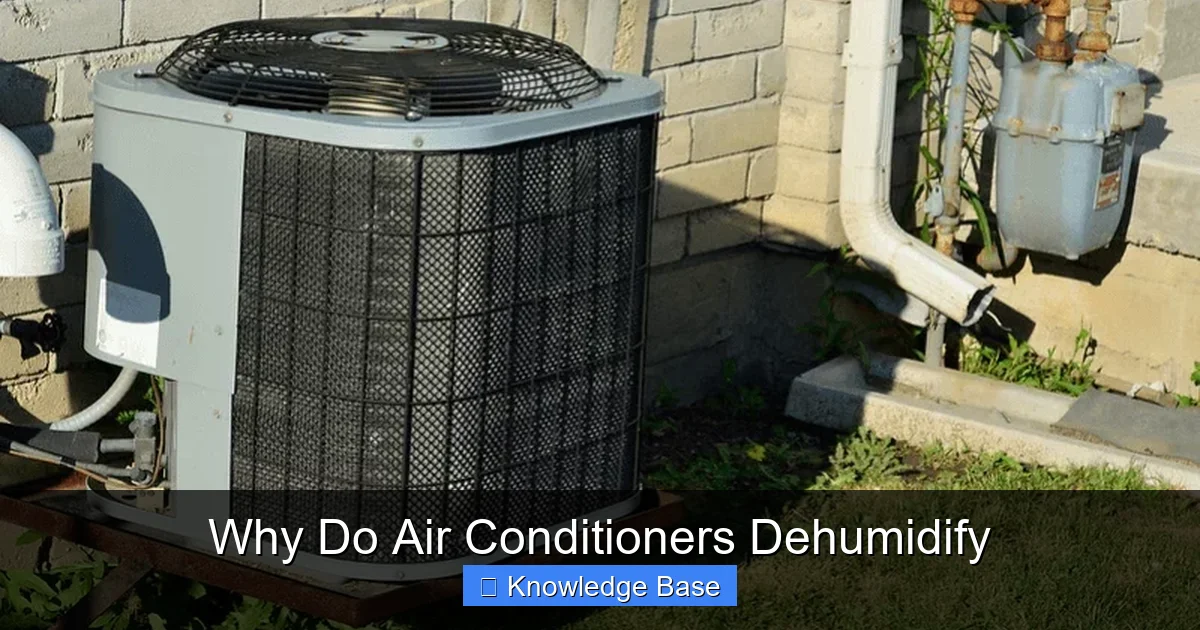
Air conditioners dehumidify because they cool warm, moist air, causing water vapor to condense on cold evaporator coils. This natural byproduct of the refrigeration cycle removes excess moisture, improving comfort and indoor air quality.
Key Takeaways
- Dehumidification is a natural side effect of cooling: As warm air passes over cold evaporator coils, moisture condenses and is drained away.
- Humidity affects perceived temperature: High humidity makes rooms feel hotter, so removing moisture enhances comfort even at higher thermostat settings.
- Better indoor air quality: Lower humidity reduces mold, mildew, dust mites, and allergens, creating a healthier living environment.
- Energy efficiency improves: Dry air feels cooler, allowing you to set the thermostat higher and reduce energy consumption.
- Modern AC units offer enhanced dehumidification: Features like variable-speed compressors and dedicated dehumidify modes optimize moisture removal.
- Proper maintenance ensures effective dehumidification: Clean filters and coils help the system remove moisture efficiently.
- Extreme humidity may require supplemental dehumidifiers: In very humid climates, standalone units can assist your AC in maintaining ideal humidity levels.
📑 Table of Contents
- Why Do Air Conditioners Dehumidify? The Science Behind Cooler, Drier Air
- The Science of Dehumidification: How AC Units Remove Moisture
- Comfort and Perception: How Humidity Affects How We Feel
- Health and Indoor Air Quality Benefits of Dehumidification
- Energy Efficiency and Cost Savings Through Effective Dehumidification
- Optimizing Dehumidification: Tips and Maintenance
- When Your AC Isn’t Dehumidifying Enough: Troubleshooting Common Issues
- Conclusion: The Hidden Power of Dehumidification
Why Do Air Conditioners Dehumidify? The Science Behind Cooler, Drier Air
Have you ever stepped into a room cooled by an air conditioner and noticed how not only is it cooler—but it also feels *lighter*, less sticky? That’s not just your imagination. The refreshing feeling you get from air conditioning isn’t just about lowering the temperature. It’s also about removing moisture from the air. In fact, one of the most important—and often overlooked—functions of an air conditioner is dehumidification.
You might think air conditioners only cool the air, but they do much more. As part of the cooling process, they naturally pull excess humidity out of your indoor environment. This happens because of the way refrigeration works inside your AC unit. When warm, moisture-laden air flows over cold evaporator coils, the water vapor in the air condenses into liquid water—just like how dew forms on grass in the early morning. That water is then collected and drained away, leaving the air drier and more comfortable.
This dual action—cooling and dehumidifying—is what makes air conditioning so effective at improving indoor comfort. Without dehumidification, even a cold room could feel clammy and unpleasant. High humidity levels make the air feel heavier and warmer than it actually is, which is why a 75°F room with 80% humidity can feel more oppressive than an 80°F room with 40% humidity. By reducing moisture, your air conditioner helps your body cool itself more efficiently through sweat evaporation, making you feel cooler even if the thermostat hasn’t changed.
Understanding why air conditioners dehumidify is key to appreciating their full value. It’s not just about comfort—it’s about health, energy efficiency, and protecting your home. From preventing mold growth to lowering your energy bills, the dehumidifying power of your AC plays a quiet but crucial role in creating a pleasant indoor environment.
The Science of Dehumidification: How AC Units Remove Moisture
Visual guide about Why Do Air Conditioners Dehumidify
Image source: sp-ao.shortpixel.ai
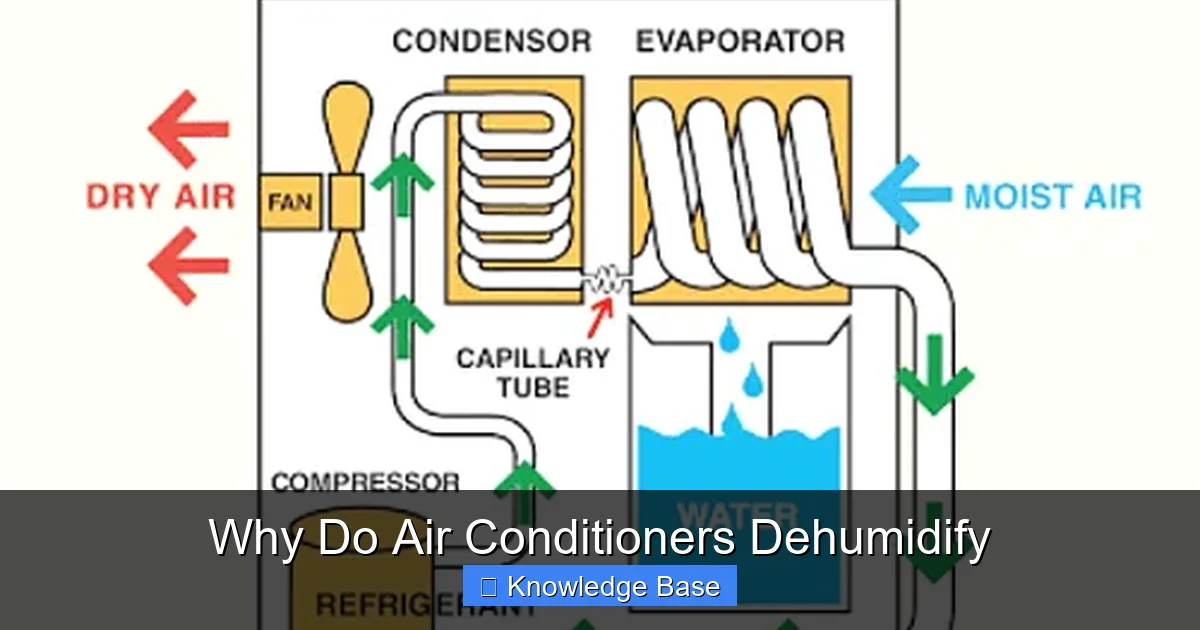
To truly grasp why air conditioners dehumidify, it helps to understand the basic mechanics of how they work. At its core, an air conditioner is a heat pump. It doesn’t “create” cold air—instead, it removes heat from indoor air and transfers it outside. But in the process of pulling heat out, it also pulls moisture out. This happens through a cycle involving refrigerant, coils, a compressor, and a fan.
Here’s how it works step by step: Warm indoor air is drawn into the air conditioner through return vents. This air passes over the evaporator coils, which are filled with cold refrigerant. As the warm air contacts the cold surface of the coils, two things happen: the air loses heat (cooling down), and the moisture in the air—water vapor—condenses into liquid water. This is the same principle that causes fog to form on a bathroom mirror after a hot shower.
The condensed water droplets collect on the coils and drip into a drain pan, where they’re channeled outside through a condensate drain line. Meanwhile, the now-cooler, drier air is blown back into the room by the indoor fan. The refrigerant, now warmed from absorbing heat, travels to the outdoor unit where it releases that heat and gets re-cooled, ready to repeat the cycle.
This process is known as the vapor-compression refrigeration cycle, and dehumidification is a natural byproduct. The colder the evaporator coils, the more moisture they can extract from the air. In fact, the ideal temperature for maximum dehumidification is around 40–50°F (4–10°C)—much colder than the air being delivered into your home. That’s why some of the coldest parts of the system are hidden inside the unit, where they can efficiently condense moisture without overcooling the supply air.
It’s important to note that dehumidification only occurs when the AC is actively cooling. If the system is in “fan-only” mode, it circulates air but doesn’t remove moisture. Similarly, if the evaporator coils aren’t cold enough—due to low refrigerant levels, dirty coils, or restricted airflow—dehumidification becomes less effective. This is why regular maintenance is essential for optimal performance.
Comfort and Perception: How Humidity Affects How We Feel

Visual guide about Why Do Air Conditioners Dehumidify
Image source: sp-ao.shortpixel.ai
You’ve probably heard the phrase “It’s not the heat, it’s the humidity.” There’s a lot of truth to that. While temperature measures how hot or cold the air is, humidity measures how much moisture is in the air. And when it comes to how comfortable we feel, humidity plays a huge role.
Our bodies cool themselves primarily through sweat evaporation. When sweat evaporates from your skin, it takes heat with it, creating a cooling effect. But in high-humidity environments, the air is already saturated with moisture, so sweat doesn’t evaporate as easily. This makes you feel hotter and stickier, even if the actual temperature isn’t that high.
For example, a room at 78°F with 70% relative humidity can feel like 85°F or higher due to the reduced evaporation rate. This is measured by something called the “heat index” or “feels-like” temperature. Air conditioners help combat this by lowering both the actual temperature and the humidity level. When the air is drier, your body can cool itself more efficiently, making the room feel more comfortable at a higher thermostat setting.
This is one reason why you can often raise your thermostat by a few degrees in the summer and still feel just as comfortable—especially if your AC is doing a good job of dehumidifying. In fact, the U.S. Department of Energy suggests that for every degree you raise your thermostat, you can save up to 3–5% on cooling costs. So, if your air conditioner is effectively removing moisture, you might be able to set it at 78°F instead of 72°F and still feel cool and comfortable.
Another benefit of lower humidity is reduced “clamminess.” High humidity makes surfaces feel damp, clothes take longer to dry, and you might even notice condensation on windows or walls. By dehumidifying the air, your AC helps eliminate that sticky, uncomfortable feeling that comes with muggy weather.
In short, dehumidification doesn’t just make the air drier—it makes your entire living space feel more pleasant. It’s a subtle but powerful way that air conditioners enhance comfort beyond simple temperature control.
Health and Indoor Air Quality Benefits of Dehumidification
Beyond comfort, one of the most important reasons air conditioners dehumidify is to support better indoor air quality and health. High humidity doesn’t just feel uncomfortable—it can actively harm your health and your home.
When indoor humidity levels stay above 60% for extended periods, it creates an ideal environment for mold, mildew, dust mites, and bacteria to thrive. These allergens and microorganisms can trigger or worsen respiratory conditions like asthma, allergies, and bronchitis. Mold spores, in particular, can become airborne and be inhaled, leading to coughing, sneezing, eye irritation, and even more serious health issues over time.
Dust mites, which are microscopic creatures that feed on dead skin cells, also thrive in humid environments. They are one of the most common indoor allergens and can cause sneezing, runny nose, itchy eyes, and difficulty breathing—especially in children and people with sensitive immune systems. By keeping humidity levels between 30% and 50%, your air conditioner helps create an environment where these pests can’t survive.
Dehumidification also helps prevent structural damage to your home. Excess moisture can warp wood, damage drywall, and cause paint to peel. In basements and crawl spaces, high humidity can lead to musty odors and the growth of mold on walls and insulation. Over time, this can compromise the integrity of your home and lead to costly repairs.
Additionally, lower humidity reduces the risk of condensation forming on cold surfaces like windows, pipes, and ductwork. This not only prevents water damage but also reduces the chance of mold growth in hidden areas. For people with respiratory conditions or weakened immune systems, maintaining proper humidity levels is especially important for long-term health.
Modern air conditioners often include features that enhance dehumidification, such as variable-speed compressors and dedicated “dry” or “dehumidify” modes. These allow the system to run longer at lower speeds, removing more moisture without overcooling the space. Some high-efficiency units even have built-in humidity sensors that automatically adjust operation based on indoor moisture levels.
In short, the dehumidifying function of your air conditioner is a silent guardian of your health and home. It’s not just about feeling comfortable—it’s about creating a safer, cleaner, and more breathable indoor environment.
Energy Efficiency and Cost Savings Through Effective Dehumidification
You might be surprised to learn that dehumidification can actually help you save money on your energy bills. While it might seem counterintuitive—after all, removing moisture takes energy—effective dehumidification allows your air conditioner to work more efficiently and reduces the overall cooling load.
Here’s how it works: When the air is dry, your body feels cooler at higher temperatures. This means you can set your thermostat a few degrees higher and still feel comfortable. For example, instead of cooling your home to 72°F, you might feel just as comfortable at 76°F if the humidity is low. Since air conditioners use the most energy when they’re running at full capacity, reducing runtime can lead to significant energy savings.
According to the U.S. Department of Energy, raising your thermostat by just 7–10 degrees for 8 hours a day can save up to 10% a year on heating and cooling costs. In humid climates, where air conditioners often run constantly, this can translate to hundreds of dollars in annual savings.
Another way dehumidification improves efficiency is by reducing the “latent heat” load. In HVAC terms, there are two types of heat: sensible heat (which affects temperature) and latent heat (which affects humidity). When your AC removes moisture, it’s addressing latent heat. If the air is already dry, the system spends less time and energy on dehumidification and can focus more on cooling. This makes the entire process faster and more efficient.
However, not all air conditioners dehumidify equally. Older or oversized units often cool the air too quickly, shutting off before they’ve had a chance to remove much moisture. This leads to a cold but clammy environment—exactly what you don’t want. That’s why modern systems use variable-speed technology, which allows the compressor and fan to run at lower speeds for longer periods. This extended runtime gives the evaporator coils more time to condense moisture, improving both comfort and efficiency.
Proper sizing and installation are also critical. An air conditioner that’s too large for your home will cycle on and off frequently, reducing dehumidification and increasing wear and tear. A properly sized unit runs longer cycles, removing more moisture and using energy more efficiently.
In short, effective dehumidification isn’t just a comfort feature—it’s a smart energy-saving strategy. By keeping humidity in check, your air conditioner can do its job better, use less energy, and help you save money.
Optimizing Dehumidification: Tips and Maintenance
To get the most out of your air conditioner’s dehumidifying capabilities, a little maintenance and smart usage go a long way. Here are some practical tips to ensure your system removes moisture effectively and keeps your home comfortable.
First, change your air filter regularly—ideally every 1–3 months, depending on usage and filter type. A dirty filter restricts airflow, which reduces the amount of air passing over the evaporator coils. This not only lowers cooling efficiency but also limits dehumidification. When airflow is restricted, the coils can’t get cold enough to condense moisture effectively.
Second, keep your evaporator and condenser coils clean. Over time, dust and debris can build up on these components, insulating them and reducing heat transfer. This makes it harder for the coils to cool the air and remove moisture. Most HVAC professionals recommend having your coils inspected and cleaned annually as part of routine maintenance.
Third, make sure your condensate drain line is clear. If the drain line becomes clogged with algae or debris, water can back up and potentially cause damage or trigger a safety shutoff. You can prevent this by flushing the drain line with a mixture of water and vinegar every few months.
Fourth, use a programmable or smart thermostat. These devices allow you to set higher temperatures when you’re away and lower them when you’re home. Some models even have humidity sensors and can adjust cooling based on moisture levels, optimizing both comfort and efficiency.
Fifth, consider using ceiling fans in conjunction with your air conditioner. Fans don’t cool the air, but they create a breeze that helps sweat evaporate from your skin, making you feel cooler. This allows you to raise the thermostat setting without sacrificing comfort.
Finally, if you live in an extremely humid climate—such as the southeastern United States—you might benefit from a standalone dehumidifier. While your AC removes moisture, it may not be enough during peak humidity months. A whole-house or portable dehumidifier can supplement your AC’s efforts, maintaining ideal humidity levels (between 30% and 50%) and reducing the strain on your cooling system.
By following these tips, you can maximize your air conditioner’s dehumidifying performance and enjoy a cooler, drier, and more energy-efficient home.
When Your AC Isn’t Dehumidifying Enough: Troubleshooting Common Issues
Sometimes, despite your best efforts, your air conditioner might not be removing enough moisture. If your home still feels sticky or you notice condensation on windows, it could be a sign that your system isn’t dehumidifying properly. Here are some common causes and solutions.
One possibility is that your AC is oversized. As mentioned earlier, oversized units cool the air too quickly, shutting off before they’ve had time to remove much moisture. This results in a cold but humid environment. If you suspect your unit is too large, consult an HVAC professional to evaluate your system and recommend a properly sized replacement.
Another issue could be low refrigerant levels. Refrigerant is essential for the cooling and dehumidification process. If there’s a leak or the charge is low, the evaporator coils won’t get cold enough to condense moisture effectively. This often requires professional repair.
Dirty or frozen evaporator coils can also hinder dehumidification. If the coils are covered in dust or ice, they can’t transfer heat properly. Check for ice buildup and ensure airflow isn’t blocked by furniture or curtains near return vents.
Poor insulation or air leaks in your home can also contribute to high indoor humidity. Warm, moist outdoor air can seep in through gaps in windows, doors, or walls, overwhelming your AC’s dehumidifying capacity. Sealing leaks and improving insulation can help maintain lower humidity levels.
Finally, if your home has high internal moisture sources—such as frequent cooking, showering, or drying clothes indoors—your AC may struggle to keep up. Using exhaust fans in kitchens and bathrooms, covering pots while cooking, and venting dryers outside can reduce indoor humidity and ease the load on your air conditioner.
If you’ve tried these steps and still have issues, it’s time to call a professional. An HVAC technician can diagnose the problem and ensure your system is operating at peak efficiency.
Conclusion: The Hidden Power of Dehumidification
So, why do air conditioners dehumidify? The answer lies in the very nature of how they cool your home. By pulling heat from indoor air and passing it over cold evaporator coils, air conditioners naturally cause moisture to condense and drain away. This process doesn’t just make the air cooler—it makes it drier, more comfortable, and healthier to breathe.
Dehumidification is more than a side effect; it’s a vital function that enhances comfort, improves indoor air quality, supports energy efficiency, and protects your home from moisture-related damage. From reducing allergens to allowing you to raise your thermostat, the benefits are both immediate and long-term.
Understanding this process empowers you to make smarter choices about your cooling system. Whether it’s maintaining your unit, upgrading to a more efficient model, or using supplemental dehumidifiers, you now know how to optimize your home’s humidity levels for maximum comfort and savings.
Next time you walk into a cool, dry room on a hot summer day, take a moment to appreciate the quiet work of your air conditioner. It’s not just cooling the air—it’s transforming it.
Frequently Asked Questions
Do all air conditioners dehumidify?
Yes, all air conditioners dehumidify as part of the cooling process. When warm, moist air passes over cold evaporator coils, moisture condenses and is drained away. However, the effectiveness varies based on system type, size, and maintenance.
Can an air conditioner remove too much moisture?
Yes, over-dehumidification can make indoor air too dry, leading to dry skin, irritated sinuses, and static electricity. Ideal indoor humidity is between 30% and 50%. Use a hygrometer to monitor levels and adjust settings if needed.
Why does my room feel cold but still humid?
This usually happens when the AC cools the air too quickly without running long enough to remove moisture. It’s common with oversized units. Consider upgrading to a properly sized system or using a standalone dehumidifier.
How can I improve my AC’s dehumidification?
Change filters regularly, clean coils, ensure proper airflow, and use a programmable thermostat. In very humid areas, a whole-house dehumidifier can supplement your AC’s performance.
Does turning up the fan speed help dehumidify?
No, higher fan speeds reduce dehumidification because air passes over the coils too quickly to condense moisture. Lower fan speeds allow more contact time, improving moisture removal.
Is it normal for my AC to drain water?
Yes, it’s completely normal. The water comes from condensed moisture in the air. If the drain line is clogged or leaking, however, it may indicate a problem that needs repair.