
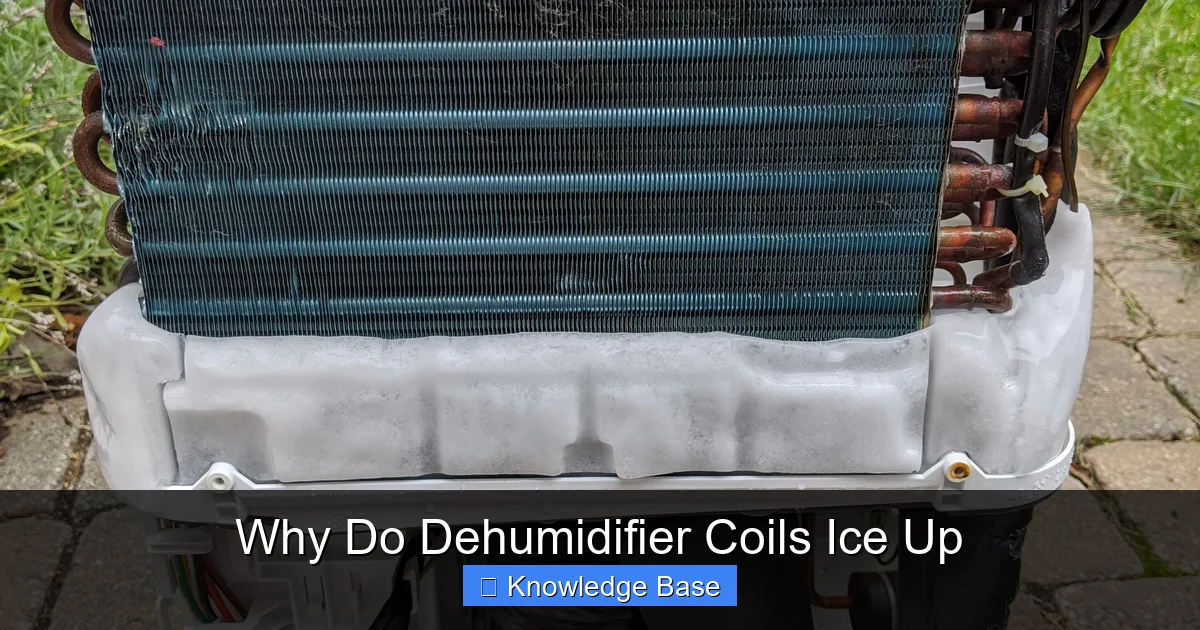
Dehumidifier coils ice up due to low temperatures, dirty filters, or refrigerant issues. This common problem reduces efficiency and can damage your unit if ignored. Learn the causes, fixes, and prevention tips to keep your dehumidifier running smoothly year-round.
Key Takeaways
- Low ambient temperature: Dehumidifiers struggle in cold spaces below 65°F (18°C), causing coils to freeze.
- Dirty air filters: Clogged filters restrict airflow, leading to coil overcooling and ice buildup.
- Refrigerant leaks: Low refrigerant levels reduce heat transfer, increasing the risk of freezing.
- Faulty defrost sensor or timer: A malfunctioning defrost system prevents automatic ice removal.
- Overworking the unit: Running a dehumidifier in high humidity without breaks can overwhelm the system.
- Poor ventilation or blocked coils: Dust and debris on coils or vents hinder heat exchange.
- Incorrect unit size: An oversized or undersized dehumidifier may cycle improperly, promoting ice formation.
📑 Table of Contents
- Why Do Dehumidifier Coils Ice Up? Understanding the Basics
- How Dehumidifiers Work: The Science Behind the Coils
- Top Causes of Frozen Dehumidifier Coils
- How to Fix Iced-Up Dehumidifier Coils
- Preventing Future Ice Buildup: Maintenance Tips
- When to Call a Professional
- Choosing a Dehumidifier That Resists Freezing
- Conclusion
Why Do Dehumidifier Coils Ice Up? Understanding the Basics
If you’ve ever opened your dehumidifier and found a block of ice covering the coils, you’re not alone. It’s one of the most common issues homeowners face, especially during colder months or in damp basements. But why do dehumidifier coils ice up in the first place? The answer lies in how your dehumidifier works and the environmental conditions it operates in.
Dehumidifiers remove moisture from the air by pulling humid air over cold coils. As the air cools, moisture condenses into water droplets, which are collected in a tank or drained away. The now-drier air is then reheated slightly and released back into the room. This process relies on a delicate balance of temperature, airflow, and refrigerant levels. When any part of this system is disrupted—like when the coils get too cold—ice can form instead of water, blocking airflow and reducing efficiency.
Imagine your dehumidifier as a tiny air conditioner. It uses refrigerant to cool the coils, but unlike AC units, dehumidifiers are often used in spaces where the air is already cool, like basements or garages. In these environments, the coils can drop below freezing, especially if airflow is restricted or the unit is overworked. When moisture in the air hits these super-cooled coils, it doesn’t just condense—it freezes. Over time, this ice builds up, forming a thick layer that can completely block the coils and stop the machine from working.
Understanding why this happens is the first step to fixing it. The good news? Most causes of frozen coils are preventable and fixable with a little maintenance and awareness. In this guide, we’ll walk you through the top reasons dehumidifier coils ice up, how to troubleshoot them, and how to keep your unit running efficiently all year long.
How Dehumidifiers Work: The Science Behind the Coils
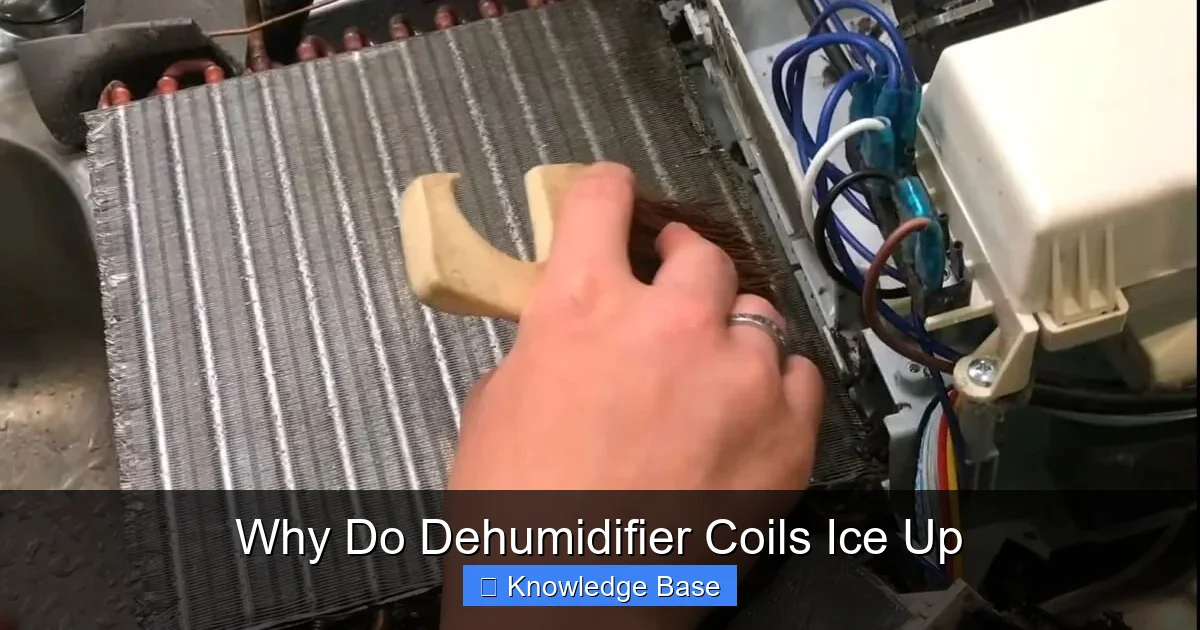
Visual guide about Why Do Dehumidifier Coils Ice Up
Image source: k2hvac.com
To truly understand why dehumidifier coils ice up, it helps to know how these machines function at a basic level. Think of your dehumidifier as a mini climate control system. It doesn’t just remove moisture—it transforms the air in your home, making it more comfortable and less hospitable to mold, mildew, and dust mites.
At the heart of every dehumidifier is a refrigeration cycle. This cycle involves a compressor, condenser coils, evaporator coils, and refrigerant—a special fluid that absorbs and releases heat as it changes from liquid to gas and back again. When you turn on your dehumidifier, the compressor kicks in and pressurizes the refrigerant, sending it through the system.
Here’s where the magic happens: the refrigerant flows into the evaporator coils, which are kept very cold. A fan pulls humid air from the room over these cold coils. As the air cools, the moisture in it condenses into water droplets, just like how dew forms on a cold glass. This water drips into a collection tank or is drained away. Meanwhile, the now-cool, dry air passes over the warm condenser coils, where it’s reheated slightly before being blown back into the room.
This process works best when the temperature and humidity levels are balanced. The coils need to be cold enough to condense moisture but not so cold that the water freezes. Most dehumidifiers are designed to operate efficiently in temperatures between 65°F and 80°F (18°C to 27°C). When the room is too cold, the evaporator coils can drop below 32°F (0°C), turning condensation into ice.
Additionally, the system relies on consistent airflow. If the air filter is dirty or the coils are blocked, the fan can’t pull enough air through, causing the coils to get even colder. This creates a snowball effect: less airflow means colder coils, which means more ice, which further blocks airflow. Before you know it, your dehumidifier is frozen solid and completely ineffective.
Understanding this cycle helps explain why certain conditions—like cold rooms, dirty filters, or refrigerant issues—lead to ice buildup. It’s not just about the temperature outside; it’s about how all the parts of the system work together. When one component fails, the whole process breaks down.
Top Causes of Frozen Dehumidifier Coils
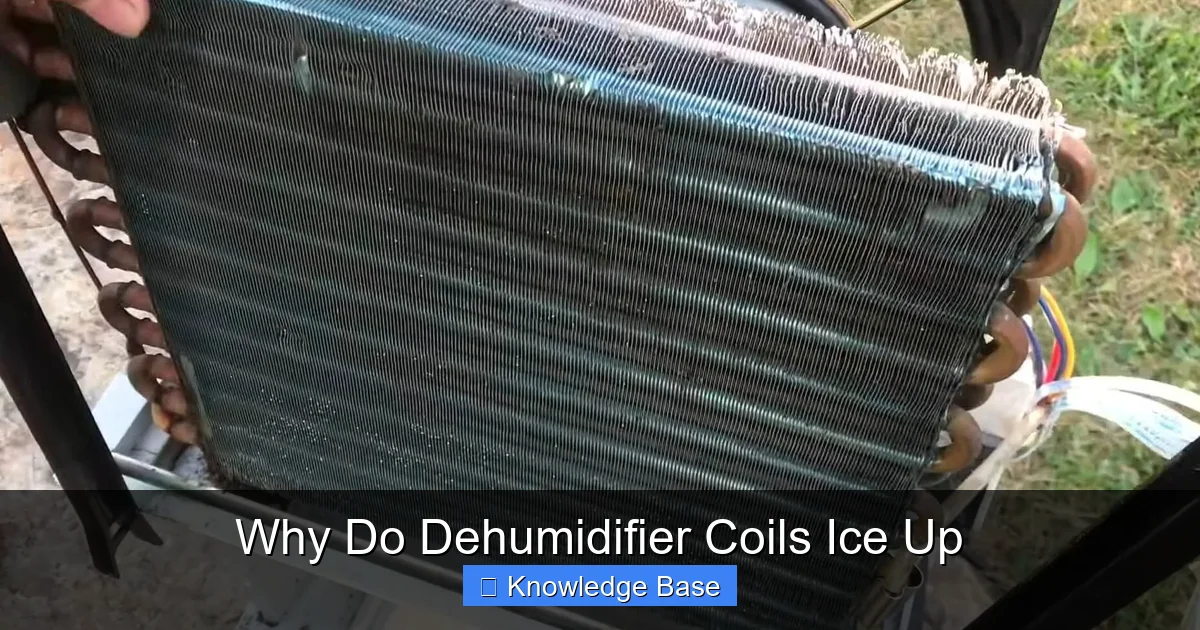
Visual guide about Why Do Dehumidifier Coils Ice Up
Image source: k2hvac.com
Now that you know how dehumidifiers work, let’s dive into the most common reasons why the coils ice up. Identifying the root cause is key to fixing the problem quickly and preventing it from happening again.
1. Low Ambient Temperature
One of the leading causes of frozen coils is operating the dehumidifier in a space that’s too cold. Most residential dehumidifiers are designed to work best in temperatures above 65°F (18°C). If you’re running yours in an unheated basement, garage, or crawl space during winter, the air temperature might be well below that threshold.
When the room is cold, the evaporator coils can cool down to freezing levels, even under normal operation. Moisture in the air then freezes on contact instead of condensing into liquid. Over time, this ice builds up, forming a thick layer that insulates the coils and stops heat transfer. The result? Your dehumidifier works harder, uses more energy, and eventually shuts down.
For example, imagine using a dehumidifier in a basement that’s 55°F (13°C) on a chilly fall night. The coils drop below freezing, and within a few hours, they’re covered in ice. The unit may still run, but it’s not removing any moisture—it’s just circulating cold air.
2. Dirty or Clogged Air Filters
Your dehumidifier’s air filter plays a crucial role in maintaining proper airflow. It traps dust, pet hair, and other particles before they reach the coils. But when the filter gets clogged, it restricts the amount of air flowing over the coils.
Less airflow means the coils don’t warm up as they should. They stay colder for longer, increasing the chance of ice formation. In fact, a dirty filter is one of the most overlooked causes of frozen coils. Many people don’t realize that a simple filter cleaning can solve the problem.
Think of it like breathing through a straw. If you can’t get enough air, your body works harder and gets colder. The same thing happens to your dehumidifier. A clogged filter starves the system of air, leading to overcooling and ice buildup.
3. Refrigerant Leaks or Low Levels
Refrigerant is the lifeblood of your dehumidifier’s cooling system. If there’s a leak or the refrigerant level is low, the coils won’t heat up properly during the cycle. This causes them to stay too cold, even when the room temperature is normal.
Low refrigerant can result from wear and tear, manufacturing defects, or physical damage to the coils or lines. When this happens, the dehumidifier may still run, but it won’t remove moisture effectively. Instead, the coils will continue to freeze, and the unit may eventually overheat or shut down.
This is a more serious issue that usually requires professional repair. Unlike a dirty filter, you can’t fix a refrigerant leak with a simple cleaning. If you suspect low refrigerant, it’s best to call a technician.
4. Faulty Defrost Sensor or Timer
Many modern dehumidifiers have a built-in defrost system that periodically warms the coils to melt any ice buildup. This system relies on a defrost sensor and timer to detect when ice is forming and activate the heating cycle.
If the sensor is broken or the timer is malfunctioning, the defrost cycle won’t kick in. The coils will keep getting colder, and ice will continue to accumulate. You might notice the unit running nonstop without removing any moisture, or the coils may be completely frozen.
This is especially common in older units or models with electronic controls. A faulty sensor might not detect the ice, or the timer might not signal the heater to turn on. In some cases, the defrost heater itself could be burned out.
5. Blocked or Dirty Coils
Even if the filter is clean, dust and debris can still accumulate directly on the evaporator and condenser coils. Over time, this buildup acts as an insulator, reducing heat transfer and causing the coils to run colder than they should.
Dirty coils are a common problem in homes with pets, high dust levels, or poor ventilation. You might not see the dirt at first, but it can significantly impact performance. Regular coil cleaning can prevent this issue and extend the life of your dehumidifier.
6. Incorrect Unit Size or Placement
Using the wrong size dehumidifier for your space can also lead to ice buildup. An undersized unit may run constantly, overworking the coils and causing them to freeze. On the other hand, an oversized unit might cycle on and off too quickly, not allowing enough time for proper defrosting.
Placement matters too. If your dehumidifier is tucked into a corner or blocked by furniture, airflow is restricted. This can cause localized cooling and ice formation, even in a warm room.
How to Fix Iced-Up Dehumidifier Coils
Finding ice on your dehumidifier coils can be frustrating, but don’t panic—most cases are fixable with a few simple steps. Here’s how to get your unit back up and running.
Step 1: Turn Off and Unplug the Unit
Safety first. Before doing anything, turn off the dehumidifier and unplug it from the power source. This prevents electrical hazards and gives the coils time to thaw naturally. Never try to chip away ice with a tool—this can damage the coils.
Step 2: Let the Ice Melt Completely
Place a towel or bucket under the unit to catch dripping water. Allow the ice to melt on its own, which can take several hours. You can speed up the process by placing a fan nearby to circulate warm air, but avoid using a hair dryer or heat gun, as these can damage components.
Step 3: Clean the Air Filter
Once the ice is gone, remove and inspect the air filter. If it’s dirty, wash it with warm water and mild soap, then let it dry completely before reinstalling. A clean filter ensures proper airflow and prevents future freezing.
Step 4: Check and Clean the Coils
Use a soft brush or vacuum with a brush attachment to gently remove dust and debris from the coils. Be careful not to bend the delicate fins. For stubborn grime, you can use a coil cleaner spray designed for HVAC systems.
Step 5: Inspect for Refrigerant Issues
If the problem persists after cleaning, there may be a refrigerant leak or low charge. Look for signs like oily residue near the coils or lines, or listen for hissing sounds. These indicate a leak. In this case, contact a qualified technician for repair.
Step 6: Test the Defrost System
If your dehumidifier has a defrost function, make sure it’s working. Some models have a manual defrost button—press it and see if the coils warm up. If not, the sensor or heater may need replacement.
Step 7: Relocate or Adjust the Unit
Ensure the dehumidifier is placed in a well-ventilated area, away from walls and furniture. If you’re using it in a cold space, consider raising the room temperature or using a model designed for low-temperature operation.
Preventing Future Ice Buildup: Maintenance Tips
Prevention is always better than repair. With regular maintenance, you can keep your dehumidifier running smoothly and avoid the headache of frozen coils.
Clean the Filter Monthly
Make it a habit to check and clean the air filter every month, or more often if you have pets or live in a dusty area. A clean filter ensures optimal airflow and prevents coil overcooling.
Inspect Coils Every 3–6 Months
Even with a clean filter, dust can settle on the coils. Inspect them every few months and clean as needed. Use a soft brush or coil cleaner to remove buildup.
Use in Appropriate Temperatures
Avoid running your dehumidifier in spaces below 65°F (18°C) unless it’s specifically rated for low-temperature operation. If you must use it in a cold area, consider insulating the space or using a space heater to raise the temperature slightly.
Ensure Proper Ventilation
Keep the dehumidifier in an open area with at least 6–12 inches of clearance on all sides. Don’t block the intake or exhaust vents with furniture, boxes, or curtains.
Choose the Right Size
Match your dehumidifier to the size and humidity level of your space. A unit that’s too small will run constantly, while one that’s too large may short-cycle. Check the manufacturer’s recommendations for square footage and pint capacity.
Schedule Professional Maintenance
Once a year, consider having a technician inspect your dehumidifier. They can check refrigerant levels, test the defrost system, and ensure all components are working properly.
When to Call a Professional
While many ice-related issues can be fixed at home, some problems require expert help. Here’s when to call a professional:
– If the coils keep freezing after cleaning and maintenance.
– If you suspect a refrigerant leak (look for oily spots or hissing sounds).
– If the defrost sensor, timer, or heater is malfunctioning.
– If the compressor is making unusual noises or not starting.
– If the unit is old and frequently breaking down.
Attempting to repair refrigerant systems or electrical components yourself can be dangerous and may void your warranty. A certified technician has the tools and knowledge to diagnose and fix complex issues safely.
Choosing a Dehumidifier That Resists Freezing
If you live in a cold climate or frequently use your dehumidifier in unheated spaces, consider investing in a model designed to resist freezing. Look for these features:
– **Low-temperature operation:** Some dehumidifiers can work in temperatures as low as 38°F (3°C).
– **Automatic defrost:** Ensures ice is melted regularly without manual intervention.
– **Energy Star certification:** Indicates efficient performance and better temperature management.
– **Durable coils:** Models with coated or enhanced coils resist corrosion and ice buildup.
Popular brands like Frigidaire, hOmeLabs, and GE offer units with advanced defrost technology and cold-weather performance. Reading reviews and checking specifications can help you find the best fit for your needs.
Conclusion
Dehumidifier coils ice up for several reasons, but the most common causes—low temperatures, dirty filters, and refrigerant issues—are often preventable. By understanding how your dehumidifier works and maintaining it properly, you can avoid frozen coils and keep your home comfortable and dry.
Regular cleaning, proper placement, and using the right unit for your space go a long way in preventing ice buildup. And if problems persist, don’t hesitate to call a professional. With a little care, your dehumidifier will run efficiently for years to come.
Frequently Asked Questions
Why do dehumidifier coils ice up in winter?
Dehumidifier coils ice up in winter because the ambient temperature is often below 65°F (18°C), causing the evaporator coils to drop below freezing. Moisture in the air then freezes on contact instead of condensing into water.
Can I use a dehumidifier in a cold basement?
Yes, but only if the basement stays above 65°F (18°C) or you use a dehumidifier rated for low-temperature operation. Otherwise, the coils may freeze and stop working.
How often should I clean my dehumidifier filter?
Clean the air filter at least once a month, or more often if you have pets or live in a dusty environment. A dirty filter restricts airflow and can cause coils to ice up.
Will a frozen dehumidifier damage my unit?
If left unchecked, ice buildup can damage the coils, compressor, or fan motor. It’s important to turn off the unit, let it thaw, and fix the underlying issue to prevent long-term damage.
Can I manually defrost my dehumidifier?
Yes, you can turn off the unit and let the ice melt naturally. Use a fan to speed up the process, but avoid using heat guns or sharp tools that could damage the coils.
What should I do if my dehumidifier keeps freezing?
If your dehumidifier keeps icing up after cleaning and maintenance, it may have a refrigerant leak, faulty defrost system, or electrical issue. Contact a professional technician for diagnosis and repair.