

Dehumidifier pumps can stop working due to clogs, mechanical wear, electrical faults, or improper maintenance. Understanding these causes helps prevent breakdowns and extends your unit’s lifespan.
Key Takeaways
- Clogged or frozen condensate lines: Blockages from dirt, algae, or ice prevent water flow, causing pump failure.
- Worn or damaged pump motor: Over time, motors degrade and lose efficiency, leading to complete shutdown.
- Electrical issues: Faulty wiring, blown fuses, or power surges can disable the pump circuit.
- Incorrect installation or placement: Poor setup or unstable surfaces may damage internal components.
- Lack of regular maintenance: Skipping cleaning and inspections increases the risk of pump malfunction.
- Water level sensor errors: Malfunctioning sensors may falsely detect full tanks, stopping the pump unnecessarily.
- Age and usage wear: Older units naturally experience reduced performance and component failure.
📑 Table of Contents
Why Do Dehumidifier Pumps Cease to Function?
Imagine this: You’ve just come home after a long day, and the air feels heavy and damp. You walk over to your dehumidifier, expecting it to be quietly pulling moisture from the air. But instead, you notice the pump isn’t running. No hum, no gurgle—just silence. You check the water tank, and it’s still full. What gives?
Dehumidifier pumps are essential components in many modern units, especially those designed for continuous drainage. They move collected water from the internal reservoir to an external drain, hose, or elevated outlet. When they stop working, your dehumidifier can’t function properly, leading to excess humidity, musty odors, and even mold growth. But why do these pumps fail? The truth is, there are several common culprits—some preventable, others inevitable. Understanding them is the first step toward fixing the problem and keeping your home comfortable and dry.
In this article, we’ll explore the most frequent reasons dehumidifier pumps cease to function, from simple clogs to complex electrical failures. We’ll also share practical tips to troubleshoot and maintain your unit, so you can avoid costly repairs or replacements. Whether you’re a homeowner, renter, or property manager, this guide will help you keep your dehumidifier running smoothly year-round.
Common Causes of Dehumidifier Pump Failure
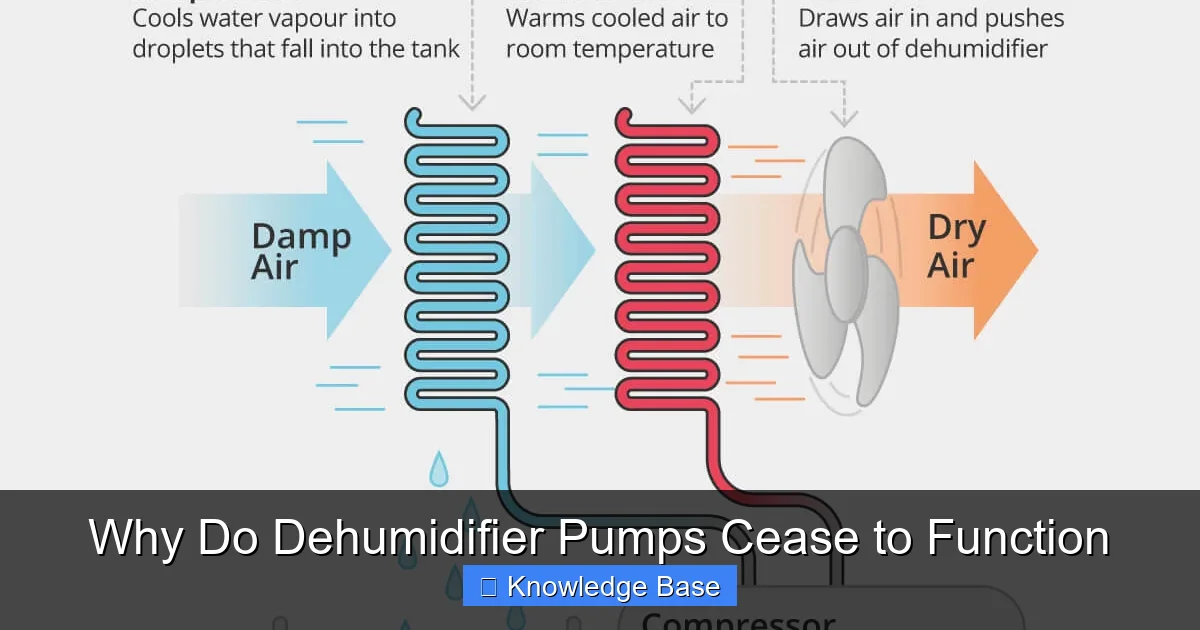
Visual guide about Why Do Dehumidifier Pumps Cease to Function
Image source: housefresh.com
When your dehumidifier pump stops working, it’s rarely a single issue. More often, it’s a combination of factors that build up over time. Let’s break down the most common causes so you can identify and address them quickly.
Clogged or Frozen Condensate Lines
One of the top reasons dehumidifier pumps fail is a blocked condensate line. This is the tube that carries water from the collection tray to the pump and out of the unit. Over time, dirt, dust, algae, and mineral deposits can build up inside the line, creating a partial or complete blockage.
For example, if you live in a humid environment with high mineral content in your water (hard water), calcium and lime deposits can accumulate rapidly. These deposits narrow the tube, restricting water flow. Eventually, the pump can’t push water through, and it either slows down or stops entirely.
In colder climates or during winter months, another issue arises: freezing. If your dehumidifier is placed in an unheated basement or garage, the condensate line can freeze. Ice blocks the flow of water, and the pump may overwork trying to push against the obstruction. This can lead to motor burnout.
Tip: Inspect the drain hose monthly. If you see slime, discoloration, or ice, disconnect the hose and flush it with a mixture of water and vinegar. Use a pipe cleaner or small brush to remove stubborn buildup.
Worn or Damaged Pump Motor
Like any mechanical part, the pump motor has a limited lifespan. Most dehumidifier pumps are designed to last 3–5 years with regular use, but this can vary based on usage frequency, humidity levels, and maintenance.
Over time, the motor bearings wear down, brushes degrade (in brushed motors), or internal components corrode. You might notice the pump making unusual noises—grinding, clicking, or whining—before it fails completely. Sometimes, the motor runs but doesn’t generate enough pressure to move water, resulting in slow drainage or no drainage at all.
In some cases, the motor may overheat due to constant use or poor ventilation. Dehumidifiers placed in tight spaces or near heat sources can cause the pump to overheat, triggering thermal protection or permanent damage.
Example: A homeowner in Florida runs their dehumidifier 24/7 during hurricane season. After two years, the pump starts making a loud humming noise and stops working. A technician finds the motor seized due to excessive wear and lack of lubrication.
Solution: If the motor is damaged, replacement is usually the only option. Check your warranty—some manufacturers cover pump motors for up to 5 years. If out of warranty, consider the cost of repair versus buying a new unit.
Electrical and Power Issues
Dehumidifier pumps rely on electricity to function. If there’s a problem with the power supply or internal wiring, the pump won’t receive the energy it needs to operate.
Common electrical issues include:
– Blown fuses or tripped circuit breakers
– Loose or corroded wiring connections
– Faulty control board or relay
– Power surges or voltage fluctuations
For instance, a sudden power surge during a thunderstorm can fry the pump’s control circuitry. Or, over time, vibration from the dehumidifier’s compressor can loosen wire connections inside the unit, interrupting the flow of electricity.
You might also encounter a situation where the pump appears to receive power (the unit lights up), but the pump itself doesn’t activate. This could indicate a failed relay or a problem with the pump’s internal switch.
Tip: Always unplug the dehumidifier before inspecting electrical components. Use a multimeter to test for continuity in fuses and wiring. If you’re not comfortable working with electricity, call a certified technician.
Water Level Sensor Malfunctions
Many dehumidifiers use a float switch or water level sensor to detect when the collection tank is full. When the tank reaches capacity, the sensor signals the pump to stop or alerts you to empty it. However, if the sensor is dirty, stuck, or faulty, it may give incorrect readings.
For example, if the float switch gets stuck in the “full” position due to debris or mineral buildup, the pump will stop working—even if the tank is empty. Conversely, a sensor that fails to detect a full tank can cause overflow, damaging the unit or surrounding area.
Some advanced models use optical or capacitive sensors, which can also fail due to dust, moisture, or electronic faults.
Example: A user notices their dehumidifier stops after just 30 minutes, even though the tank is only half full. Upon inspection, they find the float switch is jammed by a piece of lint.
Solution: Clean the sensor and float mechanism regularly. Gently move the float up and down to ensure it moves freely. If the sensor is electronic, check for error codes on the display and consult the manual.
Improper Installation or Placement
How and where you install your dehumidifier can significantly impact pump performance. Placing the unit on an uneven surface, using incompatible drain hoses, or routing the hose incorrectly can all lead to pump failure.
For instance, if the drain hose is kinked, too long, or elevated higher than the pump can handle, water won’t flow properly. The pump has to work harder, increasing the risk of overheating or burnout.
Similarly, installing the dehumidifier in a location with poor airflow—like inside a closet or behind furniture—can cause the unit to overheat, affecting both the compressor and the pump.
Tip: Always follow the manufacturer’s installation guidelines. Use a smooth, flexible drain hose with no sharp bends. Ensure the hose slopes downward toward the drain point, and avoid lifting it more than 10–15 feet above the pump unless the unit is rated for high-lift drainage.
Environmental and Usage Factors

Visual guide about Why Do Dehumidifier Pumps Cease to Function
Image source: bestdehumidifierchoice.com
Beyond mechanical and electrical issues, external factors can also cause dehumidifier pumps to stop working. These include climate, usage patterns, and water quality.
High Humidity and Constant Use
Dehumidifiers in extremely humid environments—like basements, crawl spaces, or coastal homes—often run continuously. While this is normal, it puts extra strain on the pump and other components.
Continuous operation can lead to:
– Overheating of the pump motor
– Accelerated wear on moving parts
– Increased buildup of minerals and algae in the condensate line
For example, a dehumidifier in a Louisiana basement might run 18 hours a day during summer. Without regular maintenance, the pump could fail within 18 months.
Solution: Use a dehumidifier with a built-in pump cycle timer or humidity sensor. This allows the unit to rest periodically, reducing wear. Also, clean the unit and drain line every 1–2 months during peak usage seasons.
Hard Water and Mineral Buildup
If your home has hard water, minerals like calcium and magnesium can accumulate inside the dehumidifier’s water path. These deposits not only clog the condensate line but can also damage the pump impeller and housing.
You might notice white or chalky residue around the drain port or inside the collection tray. Over time, this buildup reduces water flow and increases pump workload.
Example:
A homeowner in Arizona notices their dehumidifier pump is making a whining noise and draining slowly. They open the unit and find a thick layer of mineral scale coating the pump housing. Solution: Use a water softener or install a whole-house filtration system to reduce mineral content. Alternatively, flush the system monthly with a descaling solution (like citric acid or commercial dehumidifier cleaner). Dehumidifiers are designed to operate within a specific temperature range—typically 65°F to 80°F (18°C to 27°C). Operating outside this range can cause problems. In cold environments (below 60°F), moisture in the air can freeze on the evaporator coils. This ice buildup can block airflow and cause the condensate to freeze before reaching the pump. The pump may try to run but can’t move frozen water, leading to motor strain. In hot environments (above 90°F), the unit may overheat, triggering safety shutoffs or damaging internal components. Tip: Avoid placing dehumidifiers in unheated garages or attics unless they’re specifically rated for low-temperature operation (look for “cold climate” or “low-temp” models). The best way to prevent dehumidifier pump failure is through regular maintenance. A little effort now can save you from costly repairs later. Set a reminder to clean your dehumidifier every month. Here’s a simple checklist: – Unplug the unit and remove the water tank. Pro Tip: Keep a maintenance log to track cleaning dates and any issues you notice. Even with regular cleaning, some components may need professional attention. Consider having a technician inspect your dehumidifier once a year. They can: – Test the pump motor and electrical connections This is especially important for commercial or high-capacity units. If your pump fails unexpectedly, having a backup plan can prevent water damage. Keep a spare drain hose or use a gravity-fed drainage setup as a temporary solution. Some models allow you to switch from pump drainage to gravity drainage by repositioning the hose. If your dehumidifier pump stops working, don’t panic. Follow these steps to diagnose and fix the issue: 1. Check the power source: Ensure the unit is plugged in and the outlet is working. Test with another device. Deciding whether to repair or replace a dehumidifier with a failed pump depends on several factors: – Age of the unit: If it’s over 5 years old, replacement may be more cost-effective. For example, a $150 pump repair on a 6-year-old dehumidifier might not be worth it. But a $75 repair on a 2-year-old model with a warranty could be a smart choice. Dehumidifier pumps are vital for maintaining a dry, comfortable home, but they can stop working due to clogs, motor wear, electrical faults, or poor maintenance. By understanding the common causes—and taking preventive steps—you can extend the life of your unit and avoid unexpected breakdowns. Regular cleaning, proper installation, and timely inspections are your best defenses against pump failure. And if your pump does stop working, don’t ignore it. Early troubleshooting can prevent water damage and costly repairs. Remember, a well-maintained dehumidifier doesn’t just remove moisture—it protects your home, your health, and your peace of mind. So take care of your pump, and it will take care of you. A loud noise from the pump often indicates a seized motor, loose components, or debris in the impeller. Turn off the unit, inspect for obstructions, and clean the pump housing. If the noise persists, the motor may need replacement. Yes, but only if you manually empty the water tank regularly. Without a working pump, the unit will stop when the tank is full. This is not ideal for continuous operation or high-humidity areas. Clean the pump and drain line every 1–2 months, especially during humid seasons. Monthly cleaning helps prevent clogs and extends pump life. Yes. A dirty air filter reduces airflow, causing the evaporator coils to freeze. This can lead to ice buildup in the condensate line, blocking water flow and straining the pump. Yes, vinegar is safe and effective for removing mineral deposits and algae. Mix equal parts water and white vinegar, flush the drain line, and wipe the pump housing with a soft cloth. Basic cleaning and troubleshooting are safe for most users. However, electrical repairs should be handled by a certified technician to avoid shock or fire hazards.Extreme Temperatures
Maintenance and Prevention Tips
Monthly Cleaning Routine
– Wipe the tank with a mild detergent and rinse thoroughly.
– Inspect and clean the air filter (replace if necessary).
– Check the condensate line for clogs and flush with vinegar or cleaner.
– Examine the pump housing for debris or mineral buildup.
– Test the float switch by manually lifting it.Annual Professional Inspection
– Check refrigerant levels (if applicable)
– Clean internal coils and drainage system
– Calibrate sensors and controlsUse a Backup Drainage Method
Troubleshooting Steps When the Pump Stops
2. Inspect the water tank: Make sure it’s not full or misaligned. A full tank can trigger a safety shutoff.
3. Listen for sounds: Turn on the unit and listen. A humming noise may indicate a seized motor; silence could mean no power.
4. Examine the drain hose: Look for kinks, clogs, or ice. Disconnect and flush if needed.
5. Test the float switch: Manually lift the float to see if the pump activates.
6. Check for error codes: Refer to your user manual for diagnostic codes.
7. Consult a technician: If you can’t identify the issue, seek professional help.When to Replace vs. Repair
– Cost of repair: If repair costs exceed 50% of a new unit’s price, consider upgrading.
– Energy efficiency: Newer models are more energy-efficient and may save you money on electricity.
– Warranty coverage: Check if the pump or motor is still under warranty.Conclusion
Frequently Asked Questions
Why does my dehumidifier pump make a loud noise?
Can I run my dehumidifier without the pump?
How often should I clean the dehumidifier pump?
Will a clogged filter affect the pump?
Can I use vinegar to clean the pump?
Is it safe to repair a dehumidifier pump myself?