
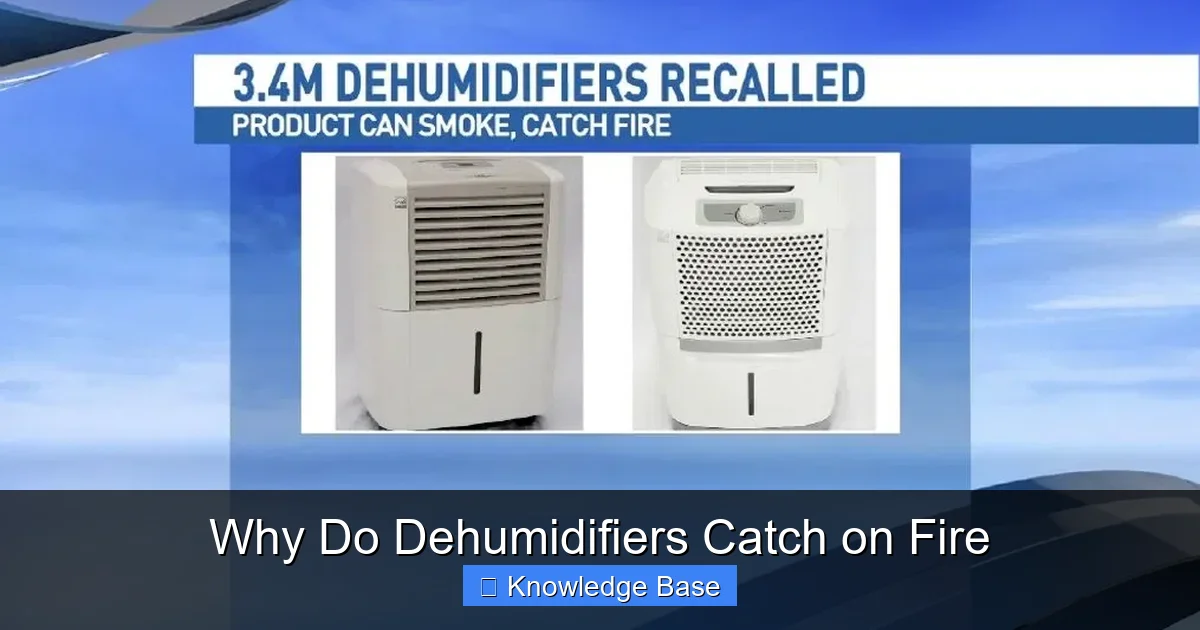
Dehumidifiers can catch on fire due to electrical faults, overheating, or poor maintenance. Understanding the root causes and following safety guidelines can significantly reduce fire risks and keep your home safe.
Key Takeaways
- Electrical malfunctions are a leading cause: Faulty wiring, damaged cords, or defective components can spark fires, especially in older or poorly manufactured units.
- Overheating from blocked airflow: Dust buildup or obstructed vents prevent proper cooling, causing the compressor and motor to overheat.
- Refrigerant leaks increase fire risk: Some refrigerants are flammable, and leaks near electrical parts can ignite under high heat.
- Using damaged or uncertified units: Counterfeit or non-certified dehumidifiers often lack safety features and are more prone to failure.
- Improper placement and usage: Placing dehumidifiers near flammable materials or running them unattended for long periods raises fire hazards.
- Regular maintenance prevents most issues: Cleaning filters, checking cords, and inspecting for wear can stop problems before they start.
- Choose certified, well-reviewed models: Look for UL, ETL, or CSA certification to ensure safety and reliability.
📑 Table of Contents
Why Do Dehumidifiers Catch on Fire? Understanding the Hidden Dangers
You’ve probably never thought twice about your dehumidifier. It hums quietly in the corner, pulling moisture from the air, keeping your basement dry and your home comfortable. But what if that helpful appliance could suddenly become a fire hazard?
It sounds alarming, but dehumidifiers catching on fire is more common than most people realize. While modern units are generally safe, certain conditions can turn a useful device into a dangerous one. From electrical faults to overheating components, the risks are real—and often preventable.
In this article, we’ll explore the real reasons why dehumidifiers catch on fire, how to spot warning signs, and what you can do to keep your home safe. Whether you’re using a dehumidifier in a damp basement, a humid bathroom, or a musty crawl space, understanding these risks is the first step toward prevention.
Common Causes of Dehumidifier Fires
Dehumidifiers are complex machines with motors, compressors, fans, and electrical circuits—all working together to remove moisture from the air. When any part of this system fails, it can create conditions ripe for a fire. Let’s break down the most common causes.
Electrical Malfunctions and Faulty Wiring
One of the top reasons dehumidifiers catch on fire is electrical failure. Over time, internal wiring can degrade, especially in units that run continuously. Loose connections, frayed cords, or damaged circuit boards can spark, igniting nearby materials.
For example, a dehumidifier with a cracked power cord might expose live wires. If those wires touch metal parts or flammable dust, a short circuit can occur. In some cases, the spark is small—but in a confined space like a basement, it’s enough to start a fire.
Even brand-new units aren’t immune. Some manufacturers cut corners, using substandard components that don’t meet safety standards. That’s why it’s crucial to buy from reputable brands and look for safety certifications like UL (Underwriters Laboratories) or ETL.
Overheating Due to Poor Airflow
Dehumidifiers generate heat as they work. The compressor, in particular, gets hot during operation. To prevent overheating, these units rely on fans and vents to circulate air and cool internal components.
But when dust, lint, or debris builds up on the air filter or blocks the vents, airflow is restricted. The machine has to work harder, and heat builds up inside. Eventually, the compressor or motor can overheat to dangerous levels.
Imagine your dehumidifier running nonstop in a dusty basement. The filter hasn’t been cleaned in months, and the intake grill is clogged with cobwebs. The fan struggles to pull in air, the motor runs hot, and the internal temperature rises. Without proper cooling, components can fail—or worse, ignite.
This is why regular cleaning is so important. A dirty filter doesn’t just reduce efficiency—it can literally cause your dehumidifier to catch on fire.
Refrigerant Leaks and Flammable Gases
Most dehumidifiers use refrigerants to cool the coils and condense moisture from the air. Older models often used R-22 (Freon), which is not flammable. But newer, more eco-friendly refrigerants like R-32 and R-290 (propane-based) are highly flammable.
While these refrigerants are safe when sealed properly, a leak can be dangerous. If refrigerant escapes and comes into contact with a hot surface or electrical spark, it can ignite.
Refrigerant leaks are rare, but they do happen—especially in units with damaged coils or poor manufacturing. Signs of a leak include a hissing sound, reduced cooling performance, or an oily residue near the coils.
If you suspect a refrigerant leak, turn off the unit immediately and contact a professional. Do not attempt to repair it yourself, especially if the refrigerant is flammable.
Compressor and Motor Failures
The compressor is the heart of a dehumidifier. It pressurizes the refrigerant and keeps the cycle running. But compressors are under constant stress, especially in high-humidity environments.
Over time, the compressor can wear out. When it fails, it may overheat, draw excessive current, or even seize up. A seized compressor can cause the motor to burn out, leading to smoke or fire.
Motor failures are similar. The fan motor keeps air moving across the coils. If it fails, heat builds up rapidly. In some cases, the motor windings can short out, creating sparks.
These failures are more common in older units or those that run 24/7 without breaks. That’s why it’s wise to give your dehumidifier occasional rest, especially during cooler months when humidity is lower.
Use of Counterfeit or Uncertified Units
The rise of online shopping has made it easier than ever to buy appliances—but also easier to fall for scams. Some sellers offer dehumidifiers at unbelievably low prices, often because they’re counterfeit or lack proper safety certifications.
These knockoff units may look like the real thing, but they’re often built with cheap materials and bypass safety features. They might not have thermal cutoffs, proper grounding, or flame-retardant casings.
Using an uncertified dehumidifier is like playing Russian roulette with your home’s safety. Even if it works fine for months, a single electrical fault can lead to disaster.
Always check for certification labels like UL, ETL, or CSA. These indicate the unit has been tested for safety. If there’s no label—or if it looks fake—don’t buy it.
How to Prevent Dehumidifier Fires
The good news? Most dehumidifier fires are preventable. With a few simple habits and smart choices, you can enjoy the benefits of a dehumidifier without the risk.
Choose a Safe, Certified Model
Start by buying a dehumidifier from a trusted brand with strong safety ratings. Look for models that are Energy Star certified and have been tested by independent labs.
Check the label for certifications like:
– UL (Underwriters Laboratories)
– ETL (Intertek)
– CSA (Canadian Standards Association)
These labels mean the unit has passed rigorous safety tests, including fire resistance, electrical safety, and thermal protection.
Avoid no-name brands or deals that seem too good to be true. A $50 dehumidifier might save you money upfront—but it could cost you your home in the long run.
Install and Place the Unit Correctly
Where you place your dehumidifier matters. Never put it near flammable materials like curtains, paper, furniture, or cleaning supplies. Keep at least 6–12 inches of clearance around all sides for proper airflow.
Avoid placing it on carpet or rugs, which can trap heat and block vents. Instead, use a hard, flat surface like tile or concrete.
Also, don’t run extension cords to power your dehumidifier. These can overheat under high load. Plug the unit directly into a grounded outlet.
If you’re using the dehumidifier in a basement or crawl space, make sure the area is well-ventilated. Poor airflow increases the risk of overheating.
Perform Regular Maintenance
Maintenance is your best defense against fire. Here’s a simple checklist:
– Clean the air filter monthly: A clogged filter restricts airflow and causes overheating. Most filters are washable—just rinse with water and let dry.
– Check the water tank: Empty it regularly to prevent overflow and mold growth. Some models have auto-shutoff when full—make sure this feature works.
– Inspect the power cord: Look for cracks, fraying, or exposed wires. Replace the unit if the cord is damaged.
– Clean the coils and vents: Use a soft brush or vacuum to remove dust from the intake and exhaust grills.
– Listen for unusual sounds: Hissing, grinding, or loud buzzing could signal a refrigerant leak or motor problem.
Set a reminder on your phone to check your dehumidifier every month. A few minutes of maintenance can prevent a disaster.
Monitor Usage and Avoid Overworking the Unit
Dehumidifiers are built to run continuously, but that doesn’t mean they should. In moderate climates, you may only need to run it a few hours a day.
Use a hygrometer to monitor humidity levels. Aim for 30–50% humidity. Once you reach that range, turn the unit off or use a timer.
Avoid running the dehumidifier in extremely hot or humid conditions unless necessary. High ambient temperatures increase the risk of overheating.
Also, don’t ignore warning signs. If the unit feels unusually hot, smells like burning, or shuts off unexpectedly, turn it off and have it inspected.
Replace Old or Damaged Units
Like any appliance, dehumidifiers have a lifespan. Most last 5–10 years, depending on usage and maintenance.
If your unit is more than 10 years old, consider replacing it. Older models are more likely to have worn components and lack modern safety features.
Even if it still works, the risk of failure increases with age. A new, energy-efficient model will not only be safer but also save you money on electricity.
Real-Life Examples and Case Studies
To understand the real danger, let’s look at some actual incidents where dehumidifiers caught on fire.
Case Study 1: Basement Fire in Ohio
In 2019, a family in Ohio lost their basement to a fire started by a dehumidifier. The unit had been running for over a year without maintenance. The air filter was completely clogged with dust, and the compressor overheated.
The fire began when a spark from the motor ignited nearby insulation. The flames spread quickly, destroying stored items and damaging the foundation.
Investigators found that the dehumidifier was a budget model with no safety certifications. The family had no idea it was a fire risk.
Case Study 2: Apartment Fire in Florida
In a humid Florida apartment, a tenant used a dehumidifier to combat mold. The unit was placed too close to a stack of cardboard boxes. Over time, dust built up on the coils, and the motor began to overheat.
One night, the motor failed, creating a spark that ignited the cardboard. The fire spread to the walls, causing significant damage.
The tenant had cleaned the filter but didn’t check the vents or coils. A simple inspection could have prevented the fire.
Case Study 3: Recall of 200,000 Units
In 2021, a major manufacturer recalled over 200,000 dehumidifiers due to fire risk. The units had a defective compressor that could overheat and catch fire.
The recall affected models sold between 2018 and 2020. Several fires were reported, including one that caused $50,000 in damage.
The company offered free repairs or replacements. This case shows how even reputable brands can have flaws—and why it’s important to register your appliance and check for recalls.
What to Do If Your Dehumidifier Catches Fire
If the worst happens and your dehumidifier starts a fire, stay calm and act quickly.
Step 1: Turn Off the Power
If it’s safe to do so, unplug the unit or turn off the circuit breaker. This cuts off the electrical source and may stop the fire from spreading.
Step 2: Use a Fire Extinguisher
If the fire is small and contained, use a Class C fire extinguisher (for electrical fires). Never use water—it can conduct electricity and make the situation worse.
Step 3: Evacuate and Call 911
If the fire is growing or you can’t control it, leave immediately. Close doors behind you to slow the spread. Call 911 from a safe location.
Step 4: Do Not Re-enter the Building
Wait for firefighters to arrive. Even if the fire seems out, there could be hidden embers or electrical hazards.
After the fire, have a professional inspect your home’s wiring and HVAC system. Smoke and heat can damage other appliances.
Conclusion: Stay Safe, Stay Smart
Dehumidifiers are incredibly useful, but they’re not without risks. Electrical faults, overheating, refrigerant leaks, and poor maintenance can all lead to fires. The good news is that most of these risks are preventable.
By choosing a certified model, placing it correctly, maintaining it regularly, and replacing old units, you can enjoy dry, comfortable air without fear.
Remember: a little care goes a long way. Clean that filter, check that cord, and listen for strange noises. Your home—and your peace of mind—are worth it.
Don’t wait for a scare to take action. Make dehumidifier safety part of your home maintenance routine. Because when it comes to fire prevention, being proactive is always better than being reactive.
Frequently Asked Questions
Can a dehumidifier really catch on fire?
Yes, dehumidifiers can catch on fire, though it’s relatively rare. Most fires are caused by electrical faults, overheating, or refrigerant leaks. Proper maintenance and safe usage greatly reduce the risk.
How often should I clean my dehumidifier?
Clean the air filter at least once a month, especially during humid seasons. Also, check and clean the coils and vents every few months to ensure proper airflow and prevent overheating.
Are all dehumidifiers safe to use?
Not all dehumidifiers are equally safe. Always choose models with safety certifications like UL or ETL. Avoid counterfeit or uncertified units, which may lack critical safety features.
What should I do if my dehumidifier smells like burning?
Turn off and unplug the unit immediately. The smell could indicate overheating, electrical damage, or a refrigerant leak. Have it inspected by a professional before using it again.
Can I leave my dehumidifier on all the time?
Yes, but only if it’s well-maintained and placed correctly. Avoid running it near flammable materials or in poorly ventilated areas. Use a hygrometer to monitor humidity and turn it off when not needed.
How do I know if my dehumidifier is a fire hazard?
Warning signs include unusual noises, excessive heat, burning smells, frequent shutdowns, or a damaged power cord. If you notice any of these, stop using the unit and have it checked.