
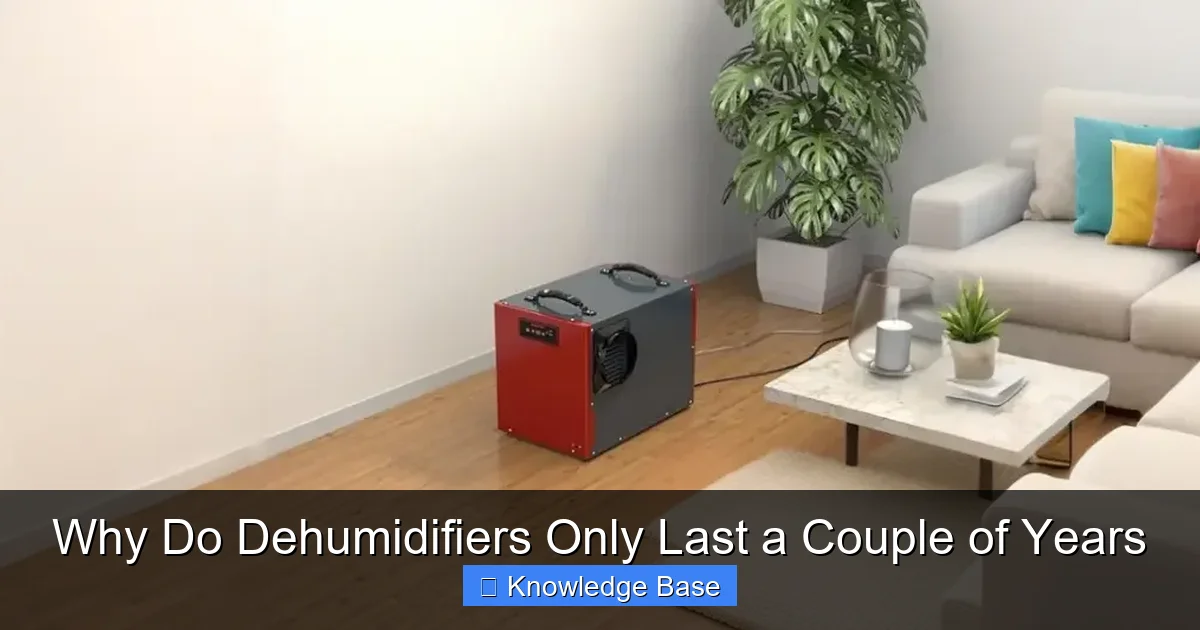
Dehumidifiers often last only 2–5 years due to wear on internal components, poor maintenance, and environmental stress. Understanding these factors and taking proactive care can significantly extend their life and performance.
Key Takeaways
- Compressor and fan motor wear: These core components endure constant use and degrade over time, especially in high-humidity environments.
- Lack of regular maintenance: Neglecting filter cleaning, coil care, and drainage checks accelerates breakdowns and reduces efficiency.
- Corrosion from moisture exposure: Constant contact with humid air causes rust and electrical damage, particularly in lower-quality models.
- Overworking the unit: Running a dehumidifier nonstop in overly damp spaces strains the system and shortens its lifespan.
- Low-quality build materials: Budget models often use cheaper parts that fail faster under daily use.
- Improper storage and placement: Storing units wet or placing them in tight, poorly ventilated areas leads to mold and mechanical stress.
- Refrigerant leaks and sensor failures: Over time, seals degrade and sensors malfunction, reducing effectiveness and causing shutdowns.
📑 Table of Contents
- Why Do Dehumidifiers Only Last a Couple of Years?
- How Dehumidifiers Work and Why They Wear Out
- Common Causes of Early Dehumidifier Failure
- The Role of Maintenance in Extending Lifespan
- How Usage Habits Affect Dehumidifier Longevity
- Choosing a Durable Dehumidifier: What to Look For
- Signs Your Dehumidifier Is Failing
- When to Repair vs. Replace Your Dehumidifier
- Conclusion
Why Do Dehumidifiers Only Last a Couple of Years?
If you’ve owned a dehumidifier for a few years, you’ve probably noticed that it doesn’t work as well as it used to—or worse, it’s completely stopped working. You’re not alone. Many people are surprised to learn that most dehumidifiers only last between two and five years, even with regular use. That might seem short for an appliance that’s supposed to improve air quality and protect your home from mold and mildew. So why do dehumidifiers only last a couple of years?
The truth is, dehumidifiers are complex machines that work hard every day to pull moisture from the air. Unlike a lamp or a fan that simply turns on and off, a dehumidifier uses refrigeration technology, moving parts, and electrical components that are constantly exposed to damp, humid conditions. This combination of mechanical stress and environmental exposure takes a toll over time. While some high-end models can last longer with excellent care, the average consumer unit often fails within a few years due to a mix of design limitations, usage habits, and lack of maintenance.
But it’s not all bad news. Understanding why dehumidifiers fail so quickly can help you make smarter choices when buying one and take better care of the unit you already own. With the right knowledge, you can extend its life, improve its performance, and get more value from your investment. In this article, we’ll explore the main reasons dehumidifiers have such a short lifespan, how to spot warning signs early, and what you can do to keep yours running smoothly for as long as possible.
How Dehumidifiers Work and Why They Wear Out
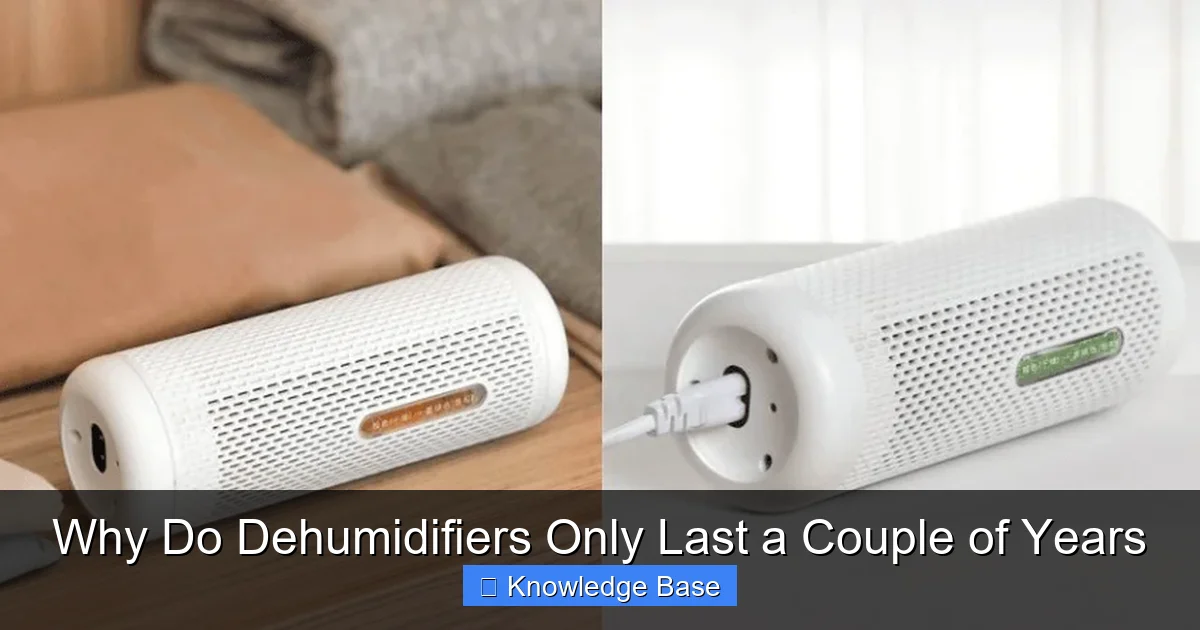
Visual guide about Why Do Dehumidifiers Only Last a Couple of Years
Image source: usefuldiyprojects.com
To understand why dehumidifiers don’t last forever, it helps to know how they work. Most residential dehumidifiers use a refrigeration-based system, similar to an air conditioner or refrigerator. Here’s a simplified breakdown of the process:
Air is drawn into the unit by a fan. As it passes over cold evaporator coils, moisture in the air condenses into water droplets, which drip into a collection tank or drain hose. The now-drier air then passes over warm condenser coils, reheats, and is blown back into the room. This cycle repeats continuously until the desired humidity level is reached.
This process sounds simple, but it involves several mechanical and electrical components working under stress. The compressor, fan motor, coils, sensors, and drainage system all play critical roles—and each is vulnerable to wear and failure over time.
One of the biggest reasons dehumidifiers fail early is the constant cycling of cold and warm temperatures. The evaporator coils get extremely cold, while the condenser coils get hot. This thermal stress can cause metal fatigue, especially in coils made from thin or low-grade materials. Over time, the coils can develop micro-cracks or become clogged with dust and debris, reducing efficiency and eventually leading to system failure.
The fan motor is another weak point. It runs almost nonstop during operation, and in humid environments, it may operate for hours each day. Motors in budget models often lack the durability of those in premium units, and they can burn out after just a few thousand hours of use. When the fan stops, the entire dehumidification process halts.
Even the refrigerant system isn’t immune to problems. Over time, seals can degrade, allowing refrigerant to leak. When levels drop, the unit can’t cool the coils effectively, and the dehumidifier loses its ability to extract moisture. Unfortunately, recharging refrigerant is often more expensive than replacing the unit, especially for older models.
In short, dehumidifiers are built to handle moisture, but they’re not invincible. The very conditions they’re designed to combat—high humidity, dust, and constant use—are also what wear them down. That’s why even well-made units have a limited lifespan.
Common Causes of Early Dehumidifier Failure

Visual guide about Why Do Dehumidifiers Only Last a Couple of Years
Image source: greenwashingindex.com
Now that we know how dehumidifiers work, let’s look at the most common reasons they fail prematurely. While some issues are unavoidable due to normal wear and tear, many can be prevented with proper care and smart usage habits.
1. Compressor and Motor Wear
The compressor is the heart of a dehumidifier. It pressurizes the refrigerant, enabling the cooling cycle that removes moisture from the air. Because it runs frequently—especially in damp basements or during humid seasons—it’s subject to significant mechanical stress. Over time, the compressor can overheat, lose efficiency, or fail entirely.
Similarly, the fan motor that pulls air through the unit is under constant load. In cheaper models, motors are often not designed for continuous operation. They may lack proper cooling or use lower-grade windings that degrade faster. When the motor burns out, the unit can’t circulate air, and dehumidification stops.
For example, a homeowner using a dehumidifier in a crawl space 24/7 during summer may see compressor failure within three years. In contrast, someone using a unit intermittently in a moderately humid closet might get five or more years of service. The difference often comes down to build quality and usage intensity.
2. Corrosion and Rust
Moisture is the enemy of metal, and dehumidifiers are surrounded by it. Even though they remove humidity from the air, the internal components—especially the coils, drain pan, and housing—are constantly exposed to damp conditions. Over time, this leads to corrosion.
Evaporator and condenser coils are typically made of aluminum or copper, which can oxidize when exposed to moisture and airborne contaminants. Once corrosion sets in, heat transfer becomes less efficient, and the unit has to work harder to remove the same amount of water. In severe cases, rust can eat through metal parts, causing leaks or electrical shorts.
Plastic components aren’t safe either. Drain pans and water tanks can crack or warp due to prolonged exposure to water and temperature changes. Once a crack forms, water can leak into the electronics, causing irreversible damage.
3. Clogged Filters and Coils
Air filters in dehumidifiers trap dust, pet dander, and other particles to protect the internal components. But when filters aren’t cleaned regularly, they become clogged, restricting airflow. This forces the fan and compressor to work harder, increasing wear and reducing efficiency.
The same goes for the coils. Dust and lint can accumulate on the evaporator and condenser coils, acting as insulation and preventing proper heat exchange. A dirty coil can’t cool or reheat air effectively, so the unit struggles to remove moisture. In extreme cases, the compressor may overheat and shut down as a safety measure.
For instance, a dehumidifier in a dusty garage or basement may need filter cleaning every two weeks during peak use. Neglecting this simple task can cut the unit’s lifespan in half.
4. Improper Drainage and Water Damage
Most dehumidifiers collect water in a removable tank, but many also offer continuous drainage via a hose. If the drain hose becomes kinked, clogged, or improperly installed, water can back up into the unit. Even a small amount of standing water can lead to mold growth, electrical damage, or corrosion.
Additionally, if the unit is turned off while the tank is full, water can sit for days or weeks, creating a breeding ground for bacteria and mold. When the unit is turned back on, this contaminated air is blown into the room, reducing air quality and potentially damaging internal components.
5. Sensor and Control Board Failures
Modern dehumidifiers use humidity sensors and electronic control boards to monitor conditions and adjust operation. These components are sensitive to moisture, dust, and power surges. Over time, sensors can become inaccurate, causing the unit to run too long or not long enough. Control boards can fail due to corrosion or electrical issues, leaving the dehumidifier unresponsive.
For example, a faulty humidistat might tell the unit the room is dry when it’s actually still humid, causing it to shut off prematurely. Or it might keep running nonstop, overworking the compressor and shortening its life.
The Role of Maintenance in Extending Lifespan
One of the biggest factors in how long a dehumidifier lasts is how well it’s maintained. Unfortunately, many people treat dehumidifiers like set-it-and-forget-it appliances, only noticing problems when they stop working. But regular maintenance can dramatically extend the life of your unit and keep it running efficiently.
Clean the Air Filter Monthly
The air filter is your first line of defense against dust and debris. Most manufacturers recommend cleaning it every two to four weeks, depending on usage and environment. To clean it, simply remove the filter, vacuum it, and rinse it under warm water. Let it dry completely before reinstalling.
A clean filter ensures proper airflow, reduces strain on the fan and compressor, and improves air quality. For example, a homeowner in a pet-friendly household may need to clean the filter every two weeks to prevent fur buildup.
Inspect and Clean the Coils
The evaporator and condenser coils should be checked every six months. Use a soft brush or coil cleaner to remove dust and debris. Be gentle—coils are delicate and can be easily bent or damaged.
If you notice frost buildup on the coils, it could indicate a refrigerant issue or poor airflow. Turn off the unit and let it defrost, then check the filter and ensure proper ventilation around the dehumidifier.
Empty and Clean the Water Tank
Even if you use a drain hose, it’s important to empty and clean the water tank regularly. Bacteria and mold can grow in stagnant water, leading to unpleasant odors and potential health risks.
Wash the tank with a mild bleach solution (1 tablespoon of bleach per gallon of water), rinse thoroughly, and let it air dry. Do this at least once a month, or more often in humid climates.
Check the Drain Hose
If your dehumidifier uses a continuous drain hose, inspect it monthly for kinks, clogs, or leaks. Make sure the hose slopes downward and empties into a floor drain, sink, or condensate pump. A clogged hose can cause water to back up and damage the unit.
Store Properly During Off-Seasons
If you only use your dehumidifier during certain months, proper storage is key. Before putting it away, clean the filter, empty and dry the tank, and wipe down the exterior. Store the unit in a dry, climate-controlled area—never in a damp basement or garage.
Leaving water in the tank or storing the unit in a humid environment can lead to mold, rust, and electrical damage. A little prep can prevent big problems when you need the dehumidifier again.
How Usage Habits Affect Dehumidifier Longevity
How you use your dehumidifier plays a huge role in how long it lasts. Some habits put extra stress on the system, while others help preserve its components. Here’s what to keep in mind.
Don’t Overwork the Unit
Running a dehumidifier 24/7 in an extremely damp space—like a flooded basement or poorly ventilated crawl space—can overwhelm the system. While dehumidifiers are built for continuous use, they’re not designed to handle extreme conditions indefinitely.
If your space is very wet, consider using a commercial-grade unit or addressing the source of the moisture (e.g., fixing leaks, improving ventilation). Overworking a residential dehumidifier will shorten its life and increase energy costs.
Use the Right Size for the Space
Using a dehumidifier that’s too small for the room means it will run constantly, wearing out faster. Conversely, a unit that’s too large will cycle on and off frequently, which can also stress the compressor.
Check the manufacturer’s recommendations for room size and humidity level. For example, a 30-pint unit is ideal for a 1,000-square-foot moderately damp basement, while a 50-pint model is better for larger or wetter spaces.
Maintain Proper Ventilation
Dehumidifiers need space to breathe. Place the unit at least 6–12 inches away from walls, furniture, and other obstructions. Blocking airflow forces the fan to work harder and reduces efficiency.
Also, avoid placing the dehumidifier in a corner or enclosed closet unless it’s specifically designed for that use. Good airflow helps the unit cool properly and prevents overheating.
Avoid Extreme Temperatures
Most dehumidifiers are designed to operate between 65°F and 80°F. Using them in very cold or hot environments can cause problems. In cold spaces, the coils may freeze, reducing efficiency. In hot spaces, the compressor may overheat.
If you need dehumidification in a cold basement, look for a unit with auto-defrost or a low-temperature model. These are built to handle colder conditions without freezing.
Choosing a Durable Dehumidifier: What to Look For
Not all dehumidifiers are created equal. If you want a unit that lasts more than a couple of years, it’s worth investing in a higher-quality model with durable components and reliable performance.
Look for a Strong Compressor
The compressor is the most critical component. Look for units with rotary compressors, which are generally more durable and efficient than piston types. Brands like Frigidaire, GE, and hOmeLabs often use reliable compressors in their mid-to-high-end models.
Check the Warranty
A longer warranty is a good sign of build quality. Most budget dehumidifiers come with a 1-year warranty, while premium models may offer 2–5 years. A longer warranty suggests the manufacturer stands behind the product.
Choose Corrosion-Resistant Materials
Look for units with coated coils or rust-resistant drain pans. Some models feature epoxy-coated or hydrophilic coils that resist corrosion and improve heat transfer.
Consider Energy Efficiency
Energy-efficient models (look for the ENERGY STAR label) often have better components and smarter controls. They may cost more upfront but can save money on electricity and last longer due to reduced strain.
Read Reviews and Ratings
Before buying, check customer reviews on sites like Amazon, Home Depot, or Consumer Reports. Look for comments about longevity, reliability, and common failure points. A model with consistent praise for durability is a better bet than one with frequent complaints about breakdowns.
Signs Your Dehumidifier Is Failing
Even with the best care, dehumidifiers will eventually show signs of wear. Knowing what to look for can help you address problems early or decide when it’s time to replace the unit.
Reduced Moisture Removal
If your dehumidifier isn’t collecting as much water as it used to, it may be losing efficiency. This could be due to dirty coils, a clogged filter, or low refrigerant.
Unusual Noises
Grinding, rattling, or squealing sounds often indicate a failing motor or loose components. Turn off the unit and inspect it—don’t ignore strange noises.
Frequent Shutoffs or Error Codes
Modern dehumidifiers have safety features that shut them down if they overheat or detect a problem. If your unit turns off frequently or displays error codes, it may have a sensor or control board issue.
Water Leaks
Leaks around the tank, drain hose, or base can signal cracks, clogs, or improper installation. Address leaks immediately to prevent water damage.
Excessive Frost on Coils
Frost buildup on the evaporator coils usually means poor airflow or low refrigerant. Turn off the unit and let it defrost, then check the filter and ventilation.
High Energy Bills
If your electricity usage spikes without a clear reason, your dehumidifier may be working harder due to inefficiency. This is a sign it’s time for maintenance or replacement.
When to Repair vs. Replace Your Dehumidifier
When your dehumidizer starts having problems, you’re faced with a choice: repair it or replace it. In many cases, replacement is the smarter option—especially if the unit is more than three years old.
Repairs can be expensive. A new compressor or control board can cost $100–$200, plus labor. For a $200 dehumidifier, that’s not cost-effective. Even if you fix one issue, others may follow soon after.
However, simple fixes—like replacing a filter, cleaning coils, or unclogging a drain—are worth doing. These low-cost maintenance tasks can restore performance and extend life.
If your unit is under warranty, contact the manufacturer for repair or replacement. Many companies will send a technician or offer a new unit if the problem is covered.
Ultimately, if your dehumidifier is more than five years old and showing multiple signs of failure, it’s usually better to invest in a new, more efficient model.
Conclusion
So, why do dehumidifiers only last a couple of years? The answer lies in a combination of mechanical wear, environmental stress, and often, neglect. These hardworking appliances battle moisture day in and day out, and over time, their components degrade. Compressors wear out, motors burn up, coils corrode, and sensors fail—especially in low-quality models or when maintenance is ignored.
But that doesn’t mean you’re doomed to replace your dehumidifier every few years. With proper care, smart usage, and a quality purchase, you can extend its life significantly. Clean the filter regularly, inspect the coils, empty the tank, and store it properly. Choose a unit with durable components and a good warranty. And don’t overwork it—address moisture sources and use the right size for your space.
By understanding the challenges dehumidifiers face and taking proactive steps, you can get more years of reliable service. Yes, they may not last as long as your refrigerator or washing machine, but with attention and care, your dehumidifier can be a long-term ally in maintaining a healthy, comfortable home.
Frequently Asked Questions
Why do dehumidifiers stop working after a few years?
Dehumidifiers stop working due to wear on key components like the compressor and fan motor, corrosion from constant moisture exposure, and lack of maintenance. These factors combine to reduce efficiency and eventually cause failure.
Can a dehumidifier last 10 years?
While most dehumidifiers last 2–5 years, high-quality models with excellent maintenance can last up to 10 years. This requires regular cleaning, proper storage, and avoiding overuse in extreme conditions.
How often should I clean my dehumidifier filter?
Clean the air filter every 2–4 weeks, depending on usage and environment. In dusty or pet-heavy homes, monthly cleaning is essential to maintain airflow and prevent motor strain.
Is it worth repairing a dehumidifier?
Simple fixes like cleaning coils or replacing filters are worth it. However, major repairs like compressor replacement are often more expensive than buying a new unit, especially for older models.
Why is my dehumidifier making noise?
Unusual noises often indicate a failing fan motor, loose parts, or debris in the unit. Turn it off, inspect for obstructions, and consider professional help if the problem persists.
Should I run my dehumidifier all the time?
Running it constantly in very damp areas can shorten its life. Use a humidistat to maintain 30–50% humidity and avoid overworking the unit. Address moisture sources to reduce runtime.