

Basements are naturally damp, making them prime spots for mold, mildew, and musty smells. A dehumidifier helps control humidity, protects your belongings, improves air quality, and prevents costly structural damage—making it a must-have for any homeowner.
Key Takeaways
- Prevents mold and mildew growth: High humidity in basements creates the perfect environment for mold, which can spread quickly and pose health risks.
- Reduces musty odors: Damp air leads to that unpleasant basement smell—dehumidifiers eliminate the source by drying the air.
- Protects stored items: Books, clothes, electronics, and furniture can warp, rust, or rot in humid conditions without proper moisture control.
- Improves indoor air quality: Lower humidity reduces allergens like dust mites and mold spores, helping those with allergies or asthma breathe easier.
- Prevents structural damage: Excess moisture can weaken foundations, warp wood, and cause rust on metal supports over time.
- Increases energy efficiency: Dry air feels cooler, so your HVAC system doesn’t have to work as hard to maintain comfort.
- Supports home value: A dry, well-maintained basement adds usable space and boosts your home’s resale appeal.
📑 Table of Contents
Why Do I Need a Dehumidifier in My Basement?
Let’s be honest—your basement probably isn’t the most inviting part of your home. It’s dark, maybe a little chilly, and if you’ve ever walked down there, you’ve likely noticed that unmistakable damp, musty smell. You might even see water stains on the walls or feel a sticky film on stored boxes. Sound familiar?
You’re not alone. Millions of homeowners deal with excess moisture in their basements, and it’s more than just an inconvenience—it’s a serious issue that can affect your health, your belongings, and even the structural integrity of your home. The good news? A dehumidifier can solve many of these problems. But why exactly do you need one? Let’s dive into the reasons, from health concerns to home protection, and explore how this simple appliance can make a big difference.
Most basements are built below ground level, which means they’re naturally cooler and more prone to moisture. Water can seep through concrete walls, especially during heavy rains or snowmelt. Even if you don’t see standing water, the air itself can be saturated with humidity—often reaching 70% or higher. That’s way above the ideal indoor range of 30% to 50%. When humidity levels climb, trouble follows: mold grows, wood swells, metal rusts, and odors linger. A dehumidifier pulls that excess moisture from the air, creating a drier, healthier, and more comfortable environment.
The Hidden Dangers of Basement Humidity
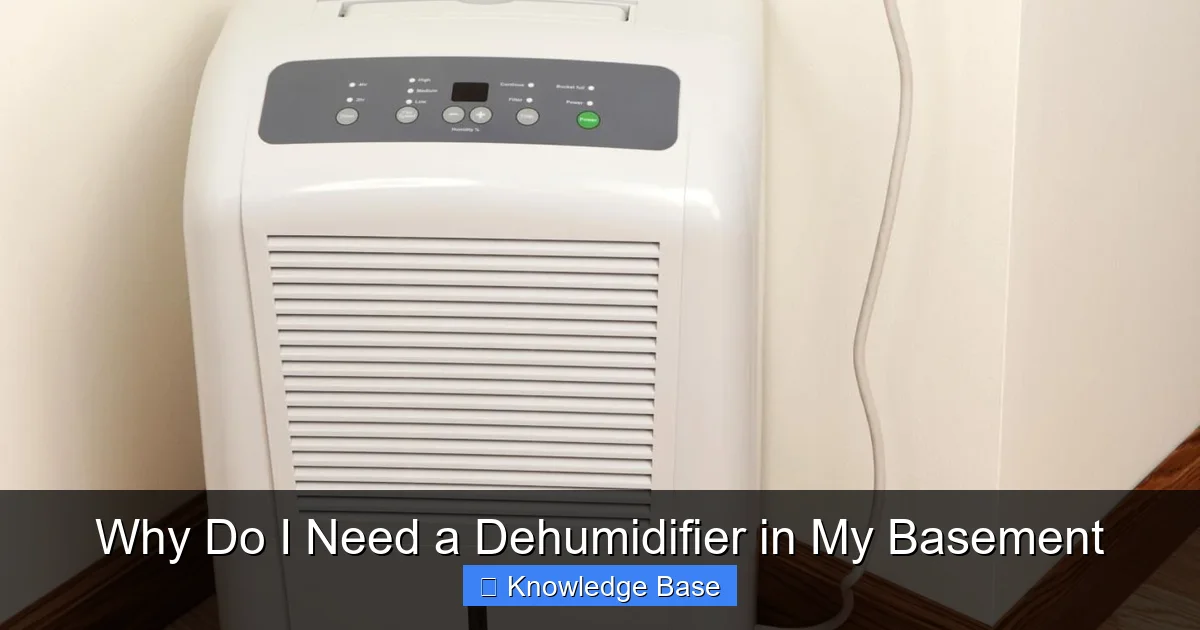
Visual guide about Why Do I Need a Dehumidifier in My Basement
Image source: thespruce.com
You might think a little dampness is no big deal—after all, it’s just the basement, right? But high humidity in your basement can lead to a cascade of problems that go far beyond a musty smell. Let’s look at the hidden dangers you might not see—but definitely feel.
Mold and Mildew Growth
Mold thrives in dark, damp places—and your basement is practically a five-star resort for it. All it needs is moisture, a little warmth, and an organic surface like wood, drywall, or carpet. Once mold takes hold, it spreads quickly. You might notice black or green spots on walls, ceilings, or stored items. But even if you don’t see it, mold can be growing behind walls or under flooring.
Mold isn’t just ugly—it’s dangerous. It releases spores into the air that can trigger allergies, asthma attacks, and respiratory issues. People with weakened immune systems, children, and the elderly are especially at risk. Long-term exposure can lead to chronic coughing, headaches, and even more serious health problems. A dehumidifier keeps humidity low, making it much harder for mold to grow in the first place.
Musty Odors That Never Go Away
That classic “basement smell” isn’t just unpleasant—it’s a sign of high humidity. The odor comes from microbial volatile organic compounds (MVOCs), which are chemicals released by mold and mildew as they grow. No amount of air fresheners or candles can truly eliminate it because the source—the damp air—is still there.
Imagine trying to store seasonal clothes, holiday decorations, or family photo albums in a space that smells like wet socks. Over time, those items absorb the odor, and it’s nearly impossible to get rid of. A dehumidifier tackles the root cause by drying the air, so the smell disappears—and stays gone.
Damage to Stored Belongings
Many people use their basements for storage: old books, winter coats, tools, electronics, and sentimental items like baby clothes or school projects. But in a humid basement, these items are at risk. Paper absorbs moisture and becomes brittle or warped. Clothes can develop mildew spots or a sour smell. Electronics are especially vulnerable—moisture can corrode internal components and cause permanent damage.
We’ve all heard stories of someone pulling out a box of old photos only to find them stuck together or covered in mold. Or opening a toolbox to discover rusty tools that no longer work. These aren’t just material losses—they’re memories and investments gone to waste. A dehumidifier creates a stable, dry environment that protects your belongings for years to come.
Structural Risks to Your Home
Excess moisture doesn’t just affect what’s inside your basement—it can compromise the very structure of your home. Concrete walls and floors can absorb water over time, leading to cracks, efflorescence (white, chalky deposits), and even foundation shifts. Wood support beams and floor joists can swell, warp, or rot when exposed to constant dampness.
Metal components like nails, screws, and HVAC ducts can rust, weakening their integrity. In extreme cases, this can lead to costly repairs or even safety hazards. For example, a rotted floor joist could eventually cause part of your floor to sag or collapse. A dehumidifier helps maintain a dry environment, reducing the risk of long-term structural damage and saving you thousands in potential repairs.
Health Benefits of a Dry Basement
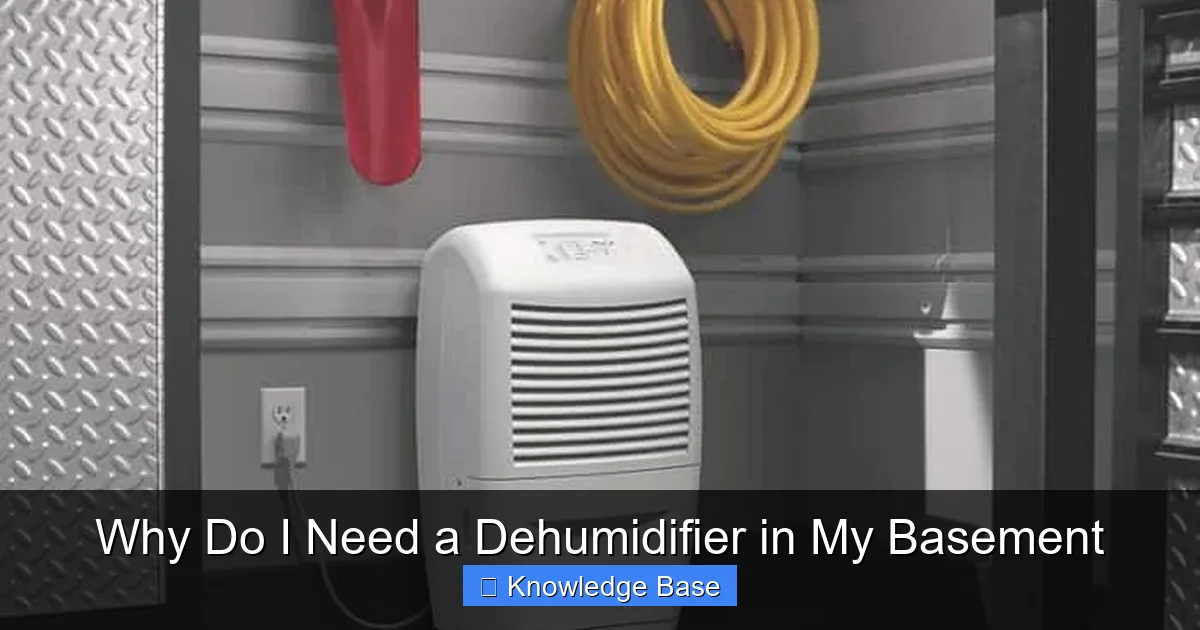
Visual guide about Why Do I Need a Dehumidifier in My Basement
Image source: thedehumidifierexperts.com
Your basement might not be a living space, but the air in your home circulates—meaning basement humidity affects your entire house. High moisture levels can contribute to poor indoor air quality, which has real consequences for your health.
Reduced Allergens and Respiratory Triggers
Dust mites, mold spores, and mildew are common allergens that thrive in humid environments. Dust mites, for example, need moisture to survive and reproduce. They feed on dead skin cells and leave behind waste particles that trigger allergic reactions. Symptoms include sneezing, itchy eyes, runny nose, and congestion.
People with asthma are especially vulnerable. Mold spores and dust mite allergens can provoke asthma attacks, leading to wheezing, chest tightness, and difficulty breathing. By keeping humidity below 50%, a dehumidifier makes it harder for these allergens to survive, giving you cleaner, healthier air to breathe.
Better Sleep and Overall Comfort
Even if you don’t spend much time in the basement, the air quality in your home is interconnected. Moist, stagnant air can rise into living areas, making your home feel stuffy and uncomfortable. This can affect your sleep quality—especially if you have allergies or respiratory issues.
Dry air feels cooler and more refreshing. You’ll notice fewer odors, less static electricity, and a general sense of cleanliness. Families with children, elderly relatives, or pets will especially benefit from improved air quality. A dehumidifier doesn’t just protect your basement—it enhances your entire home environment.
Protecting Your Belongings and Investments
Your basement is more than just a storage room—it’s a vault for memories, tools, and valuable items. But without proper humidity control, those items are at constant risk.
Preserving Clothing and Fabrics
Seasonal clothing, blankets, and linens stored in the basement are prime targets for moisture damage. Wool sweaters can develop mildew, cotton shirts can yellow, and leather items can grow mold or crack. Even vacuum-sealed bags aren’t foolproof if the surrounding air is humid.
A dehumidifier keeps the air dry, so your clothes stay fresh and intact. You won’t have to worry about pulling out a winter coat only to find it smells like a locker room. Plus, dry storage extends the life of fabrics, saving you money on replacements.
Safeguarding Electronics and Tools
Many people store electronics in the basement—old computers, gaming consoles, cameras, or even home theater equipment. These devices are sensitive to moisture. Even small amounts of humidity can cause corrosion on circuit boards, leading to malfunctions or complete failure.
Tools are another concern. Wrenches, drills, saws, and other metal tools can rust if left in a damp environment. A rusty tool isn’t just unsightly—it’s unsafe and less effective. A dehumidifier creates a stable environment where electronics and tools stay in working condition for years.
Protecting Paper and Sentimental Items
Old photo albums, scrapbooks, school projects, and important documents are irreplaceable. But paper absorbs moisture easily, leading to warping, yellowing, and mold growth. Once mold sets in, it’s nearly impossible to restore the items without damaging them further.
Imagine finding your child’s first drawing covered in fuzzy green spots—or your wedding photos stuck together. A dehumidifier prevents these heartbreaking losses by maintaining a dry, stable environment for your most cherished memories.
Energy Efficiency and Cost Savings
You might think a dehumidifier is just another appliance that adds to your energy bill. But in reality, it can help you save money in the long run—both on energy and home maintenance.
Reduced HVAC Load
High humidity makes your home feel warmer than it actually is. That’s because moist air holds heat more effectively than dry air. When your basement is damp, that humidity can rise into your living spaces, making your air conditioner work harder to cool your home.
By removing excess moisture, a dehumidifier helps your HVAC system run more efficiently. Dry air feels cooler, so you can set your thermostat a few degrees higher without sacrificing comfort. This can lead to noticeable savings on your energy bill, especially during hot, humid summers.
Preventing Costly Repairs
The cost of a dehumidifier is minor compared to the price of repairing mold damage, replacing ruined belongings, or fixing structural issues. Mold remediation can cost thousands of dollars, especially if it’s behind walls or under flooring. Foundation repairs are even more expensive.
By investing in a dehumidifier, you’re essentially buying insurance for your home. It’s a small upfront cost that prevents major expenses down the road. Plus, many modern dehumidifiers are energy-efficient and designed to run quietly and reliably for years.
Extending the Life of Your Home Systems
Your HVAC system, water heater, and other basement appliances are exposed to the same humid conditions as everything else. Over time, moisture can cause corrosion, reduce efficiency, and shorten their lifespan. A dehumidifier helps protect these systems, ensuring they operate smoothly and last longer.
Choosing the Right Dehumidifier for Your Basement
Not all dehumidifiers are created equal. To get the best results, you need to choose the right model for your basement’s size, humidity level, and usage.
Size and Capacity
Dehumidifiers are rated by how many pints of moisture they can remove in 24 hours. For a typical basement (up to 1,500 square feet), a 30- to 50-pint model is usually sufficient. Larger basements or those with severe moisture problems may need a 70-pint unit.
Check the product specifications and look for models designed for basement use. These often have features like built-in pumps, automatic shut-off, and continuous drainage options.
Drainage Options
Most dehumidifiers collect water in an internal bucket that needs to be emptied regularly. But in a basement, that’s not always practical. Look for models with a continuous drainage option—either through a hose to a floor drain or a built-in pump that pushes water up and out.
This feature is especially useful if you don’t want to check the unit daily or if your basement is prone to high humidity.
Energy Efficiency
Look for ENERGY STAR-certified models, which use less electricity and cost less to operate. While they may cost more upfront, the energy savings add up over time. Check the energy factor (liters of water removed per kilowatt-hour) to compare efficiency.
Noise Level
Basement dehumidifiers can run for hours, so noise matters. Look for models with a low decibel (dB) rating—ideally under 50 dB. Some units have quiet modes or insulated cabinets to reduce sound.
Smart Features
Modern dehumidifiers come with helpful features like digital humidity controls, timers, auto-restart after power outages, and even Wi-Fi connectivity. These allow you to monitor and adjust settings remotely, ensuring your basement stays dry even when you’re away.
Tips for Maintaining a Dry Basement
A dehumidifier is a powerful tool, but it works best when combined with other moisture-control strategies.
Improve Ventilation
Ensure your basement has adequate airflow. Use fans to circulate air, especially in corners and behind furniture. If possible, install vents or exhaust fans to help moisture escape.
Seal Cracks and Leaks
Inspect your basement walls and floors for cracks. Use hydraulic cement or waterproof sealant to fill gaps where water might enter. Pay special attention to areas around windows, pipes, and the foundation.
Use a Sump Pump
If your basement floods during heavy rains, a sump pump can remove water quickly. Pair it with a dehumidifier for complete moisture control.
Insulate Pipes
Cold water pipes can sweat in humid conditions, adding moisture to the air. Insulate them with foam sleeves to prevent condensation.
Monitor Humidity Levels
Use a hygrometer to check humidity regularly. Aim to keep levels between 30% and 50%. If they rise, adjust your dehumidifier settings or investigate for new sources of moisture.
Conclusion
So, why do you need a dehumidifier in your basement? The answer is simple: to protect your health, your home, and your belongings. High humidity creates the perfect conditions for mold, mildew, odors, and damage—problems that can escalate quickly and cost thousands to fix.
A dehumidifier is more than just an appliance—it’s a long-term investment in your home’s comfort, safety, and value. It keeps the air clean, prevents structural issues, preserves your stored items, and even helps your HVAC system run more efficiently. Whether you use your basement for storage, laundry, or as a living space, a dehumidifier ensures it stays dry, healthy, and usable year-round.
Don’t wait until you see mold or smell that musty odor. Take control of your basement’s humidity today. With the right dehumidifier and a few preventive measures, you can transform your basement from a damp, neglected space into a clean, dry, and functional part of your home.
Frequently Asked Questions
How do I know if my basement needs a dehumidifier?
If you notice a musty smell, see mold or mildew, feel sticky air, or find water stains or condensation on walls, your basement likely has high humidity. A hygrometer can confirm levels above 50%, indicating the need for a dehumidifier.
Can a dehumidifier prevent basement flooding?
A dehumidifier doesn’t stop flooding, but it helps manage moisture in the air and reduces dampness. For flood prevention, pair it with a sump pump, proper drainage, and foundation sealing.
How often should I run my basement dehumidifier?
Run it continuously during humid months or whenever humidity exceeds 50%. Many models have auto-settings that turn on and off based on humidity levels, making maintenance easy.
Will a dehumidifier increase my electricity bill?
It uses some electricity, but energy-efficient models are designed to minimize costs. The savings from reduced HVAC use and prevented damage often outweigh the added energy expense.
Can I use a dehumidifier in winter?
Yes, but most dehumidifiers work best above 65°F. In colder basements, consider a cold-weather model or use it only when the space is heated. Otherwise, it may freeze or shut off.
How do I clean and maintain my dehumidifier?
Empty the water tank regularly, clean the filter monthly with soap and water, and wipe down the coils annually. Follow the manufacturer’s instructions to ensure optimal performance and longevity.