
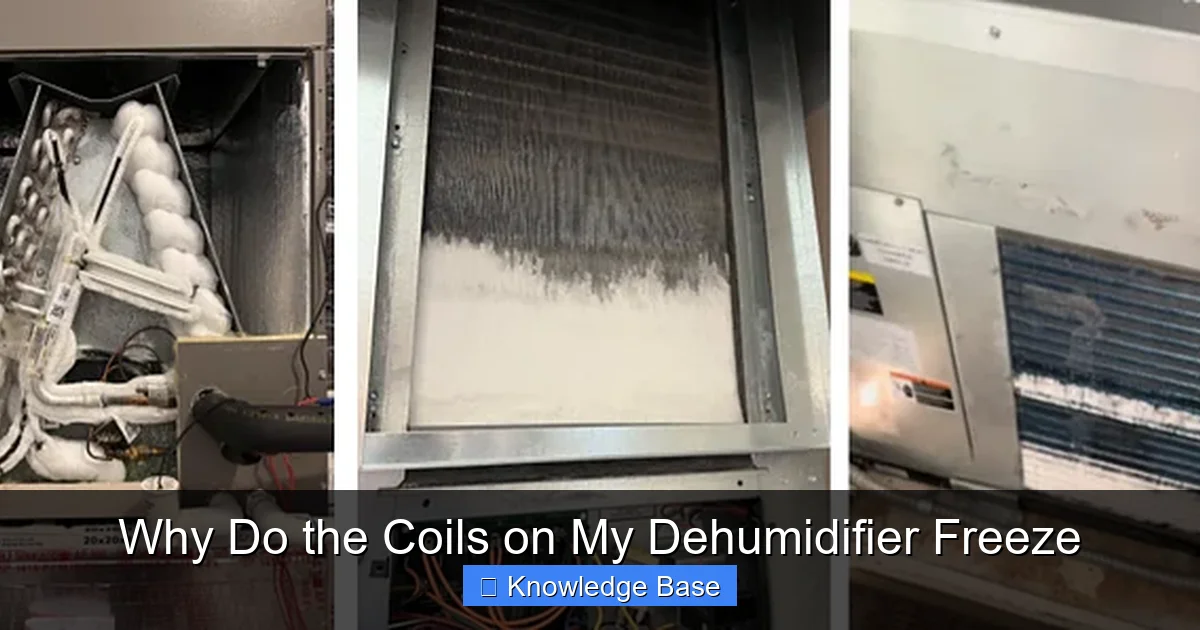
Frozen coils on your dehumidifier can stop it from working and damage the unit. This usually happens due to low temperatures, dirty filters, or refrigerant issues. Understanding the causes helps you fix and prevent the problem quickly.
Key Takeaways
- Low room temperature is a top cause: Most dehumidifiers work best above 65°F. Cold air holds less moisture, causing coils to freeze.
- Dirty air filters block airflow: Clogged filters reduce air circulation over the coils, leading to ice buildup.
- Refrigerant leaks lower system efficiency: Low refrigerant levels make the coils too cold and prone to freezing.
- Frosty coils reduce dehumidification: Ice blocks airflow and moisture removal, making the unit work harder.
- Defrost cycles help prevent freezing: Many modern units have auto-defrost, but it may fail if the system is overloaded.
- Regular maintenance prevents most issues: Clean filters, check vents, and ensure proper placement to avoid freezing.
- Call a pro for refrigerant or electrical problems: Some fixes require certified technicians for safety and warranty protection.
📑 Table of Contents
Why Do the Coils on My Dehumidifier Freeze?
You’ve just noticed a thick layer of ice covering the coils inside your dehumidifier. Your first thought might be, “Wait, isn’t this thing supposed to remove moisture, not make ice?” You’re not alone. Frozen coils are one of the most common issues homeowners face with dehumidifiers—especially during colder months or in damp basements.
At first glance, it seems counterintuitive. A dehumidifier pulls moisture from the air, so why would it create ice? The answer lies in how the machine works. Like an air conditioner, a dehumidifier uses a refrigeration cycle to cool metal coils. As warm, humid air passes over these cold coils, moisture condenses and drips into a collection tank. But if the coils get too cold—or if airflow is restricted—the moisture freezes instead of dripping away. Over time, this ice builds up, blocking airflow and stopping the dehumidifier from working properly.
The good news? Most cases of frozen coils are preventable and fixable. In this guide, we’ll walk you through the main reasons your dehumidifier coils are freezing, how to diagnose the issue, and what you can do to get your unit back to peak performance. Whether you’re dealing with a basement dehumidifier in winter or a closet unit in a humid climate, understanding the root cause is the first step toward a solution.
How a Dehumidifier Works (And Why Coils Freeze)
Visual guide about Why Do the Coils on My Dehumidifier Freeze
Image source: miro.medium.com
To understand why dehumidifier coils freeze, it helps to know how the machine operates. Think of your dehumidifier as a mini air conditioner with a slightly different job. It pulls in warm, moist air from the room using a fan. This air passes over a set of cold evaporator coils, where the moisture in the air condenses into water droplets. These droplets collect in a bucket or drain hose. The now-drier air then passes over warm condenser coils, heats up slightly, and is released back into the room.
The magic happens in the refrigeration cycle. A compressor pumps refrigerant—a special cooling fluid—through a closed loop of tubing. As the refrigerant moves through the evaporator coils, it absorbs heat from the incoming air, cooling the coils significantly. This is why the coils can drop to temperatures well below freezing, especially in low-humidity or cold environments.
Now, here’s where things can go wrong. If the coils get too cold—say, below 32°F (0°C)—any moisture that condenses on them won’t drip off. Instead, it freezes into a layer of ice. As more air passes over the coils, more moisture freezes, and the ice builds up. This ice acts like a barrier, blocking airflow and preventing the coils from absorbing heat. The result? The refrigerant gets even colder, the ice grows thicker, and your dehumidifier stops removing moisture altogether.
In short, frozen coils are a sign that the system is working too hard or under the wrong conditions. It’s not that your dehumidifier is broken—it’s that something is disrupting the balance between cooling, airflow, and moisture removal.
The Role of Temperature and Humidity
Room temperature plays a huge role in whether your dehumidifier coils will freeze. Most residential dehumidifiers are designed to work best in environments between 65°F and 80°F (18°C to 27°C). When the air is too cold, the evaporator coils can drop below freezing, especially if the unit runs continuously.
For example, imagine running a dehumidifier in an unheated basement during winter. The air might be 50°F (10°C) and moderately humid. As the dehumidifier pulls in this cool air, the coils get even colder. Since cold air holds less moisture, the dehumidifier has to work harder to extract water. This extra strain can cause the coils to dip below freezing, triggering ice formation.
Humidity levels also matter. In very dry environments, there’s less moisture to condense, so the coils stay colder longer. This increases the risk of freezing, even at room temperature. It’s a paradox: the drier the air, the more likely the coils are to freeze.
Airflow and the Freezing Cycle
Airflow is just as important as temperature. The fan in your dehumidifier must pull enough air over the coils to keep them from getting too cold. If airflow is restricted—say, by a dirty filter or blocked vents—the coils lose their ability to absorb heat efficiently. The refrigerant keeps cooling, but without enough warm air passing over the coils, they plunge into sub-zero territory.
Think of it like this: if you’re trying to cool a drink with ice, but you wrap the glass in a thick towel, the ice melts slowly. The same principle applies here. Restricted airflow insulates the coils, preventing them from warming up between cycles. Over time, this leads to a snowball effect—literally.
Top Causes of Frozen Dehumidifier Coils

Visual guide about Why Do the Coils on My Dehumidifier Freeze
Image source: miro.medium.com
Now that you understand how dehumidifiers work, let’s dive into the most common reasons your coils are freezing. Identifying the root cause is key to fixing the problem and preventing it from happening again.
1. Low Room Temperature
As mentioned earlier, cold environments are a major culprit. Most dehumidifiers aren’t built to handle temperatures below 60°F (15.5°C). When the air is too cold, the evaporator coils can drop below freezing, especially during long run times.
For instance, if you’re using a dehumidifier in a garage, crawl space, or unheated basement during winter, the ambient temperature might be just 45°F (7°C). Even if the air is humid, the coils can’t stay warm enough to prevent ice from forming. Some units have a low-temperature cutoff, but many older models don’t—meaning they’ll keep running until the coils are completely iced over.
Solution: Only use your dehumidifier in spaces that stay above 65°F. If you must use it in a cold area, consider insulating the room or using a model specifically designed for low temperatures (often labeled as “cold climate” or “low-temp” dehumidifiers).
2. Dirty or Clogged Air Filters
Your dehumidifier’s air filter is its first line of defense. It traps dust, pet hair, and other particles before they reach the coils. But when the filter gets clogged, it restricts airflow. Less air passing over the coils means less heat absorption, which leads to colder coils and ice buildup.
Imagine trying to breathe through a straw—your lungs have to work much harder. The same goes for your dehumidifier. A dirty filter forces the fan and compressor to work overtime, increasing the risk of freezing.
Solution: Check and clean the air filter every 2–4 weeks, especially during heavy use. Most filters are washable—just rinse them under warm water, let them dry completely, and reinstall. If the filter is damaged or too dirty to clean, replace it with a new one.
3. Blocked Air Vents or Coils
Even if the filter is clean, blocked vents or dirty coils can still cause freezing. The intake and exhaust vents must be clear of obstructions. Furniture, boxes, or even dust buildup can block airflow.
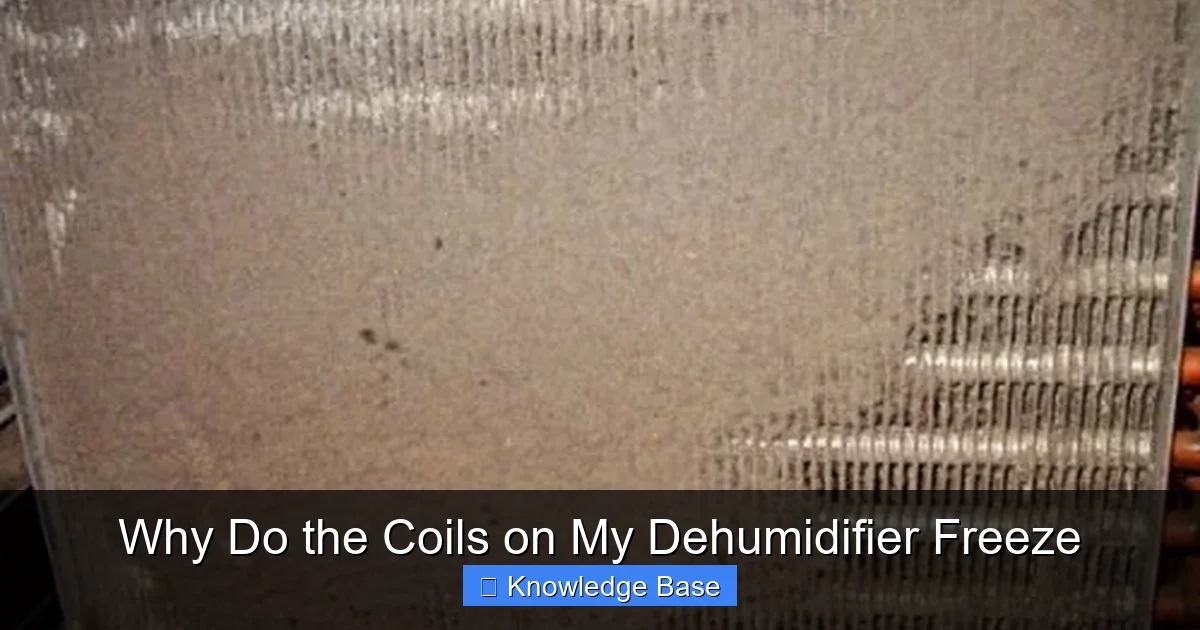
Similarly, the coils themselves can collect dirt and grime over time. Dust, mold, or mineral deposits on the evaporator or condenser coils reduce their ability to transfer heat. This makes the coils colder and more prone to freezing.
Solution: Keep at least 6–12 inches of clearance around all vents. Clean the coils annually using a soft brush or coil cleaner spray. For heavy buildup, a mixture of water and mild detergent can help loosen debris.
4. Refrigerant Leaks or Low Charge
Refrigerant is the lifeblood of your dehumidifier’s cooling system. If there’s a leak or the refrigerant level is low, the system can’t absorb and release heat properly. This causes the evaporator coils to get excessively cold, leading to ice formation.
A refrigerant leak might be caused by a damaged coil, loose connection, or corrosion over time. Signs of a leak include reduced dehumidification, hissing sounds, or oily residue near the coils.
Solution: Refrigerant issues require professional attention. Never attempt to recharge the system yourself—it’s illegal in many areas and can damage the unit. Call a certified HVAC technician to inspect, repair, and recharge the refrigerant if needed.
5. Faulty Defrost Sensor or Timer
Many modern dehumidifiers have an automatic defrost feature. When the system detects ice buildup, it temporarily stops the cooling cycle and activates a heater or reverses the refrigerant flow to melt the ice. This usually takes a few minutes and restores normal operation.
But if the defrost sensor is broken or the timer is malfunctioning, the unit won’t initiate defrosting. The ice keeps growing until the coils are completely blocked.
Solution: If your dehumidifier has a defrost light that stays on or blinks, or if it runs continuously without defrosting, the sensor or timer may be faulty. Consult your user manual for error codes, or contact the manufacturer for troubleshooting. In some cases, the control board may need replacement.
6. Overworking the Unit
Running your dehumidifier nonstop in a high-humidity environment can push it beyond its limits. While dehumidifiers are built for continuous use, extreme conditions—like a flooded basement or post-storm humidity—can overwhelm the system.
When the unit runs too hard for too long, the coils don’t get a chance to warm up between cycles. This increases the risk of freezing, especially if airflow is already compromised.
Solution: Use a humidistat to set your desired humidity level (ideally between 30% and 50%). This allows the dehumidifier to cycle on and off as needed, giving the coils time to defrost naturally. Avoid running the unit in extreme conditions unless it’s specifically rated for heavy-duty use.
How to Fix Frozen Dehumidifier Coils
If you’ve discovered ice on your dehumidifier coils, don’t panic. In most cases, you can fix the problem with a few simple steps. The key is to stop the unit, let the ice melt, and address the underlying cause.
Step 1: Turn Off the Dehumidifier
The first thing to do is unplug the unit. Running a dehumidifier with frozen coils can damage the compressor or fan motor. Turning it off gives the system a chance to rest and prevents further ice buildup.
Step 2: Let the Ice Melt Naturally
Place towels or a shallow pan under the unit to catch dripping water. Leave the dehumidifier off for at least 4–6 hours, or until all the ice has melted. You can speed up the process by placing a fan nearby to circulate warm air, but avoid using a hair dryer or heat gun—direct heat can damage components.
Step 3: Clean the Filter and Vents
Once the ice is gone, inspect the air filter. If it’s dirty, clean or replace it. Check the intake and exhaust vents for blockages. Use a vacuum or soft brush to remove dust and debris.
Step 4: Inspect the Coils
Look at the evaporator and condenser coils. If they’re dirty, clean them gently with a coil brush or spray cleaner. Be careful not to bend the delicate fins.
Step 5: Check the Room Temperature
Make sure the room is warm enough—ideally above 65°F. If you’re using the dehumidifier in a cold space, consider moving it to a warmer area or using a low-temperature model.
Step 6: Restart and Monitor
Plug the unit back in and turn it on. Set the humidistat to a moderate level (around 45%) and monitor it for the next few hours. If the coils start freezing again, there may be a deeper issue—like a refrigerant leak or faulty sensor—that requires professional help.
Preventing Frozen Coils in the Future
Prevention is always better than repair. By following a few simple maintenance tips, you can keep your dehumidifier running smoothly and avoid frozen coils altogether.
Regular Maintenance Schedule
Set a reminder to check your dehumidifier every month. Clean the filter, inspect the coils, and ensure vents are clear. During peak humidity seasons (spring and summer), you may need to clean the filter more often.
Use the Right Settings
Avoid setting the humidistat too low. A target of 40–50% is ideal for most homes. Going below 30% increases the risk of freezing, especially in cooler rooms.
Choose the Right Location
Place your dehumidifier in a central, well-ventilated area. Avoid corners, behind furniture, or near cold walls. Keep it away from heat sources like furnaces or water heaters, which can cause temperature swings.
Upgrade to a Cold-Climate Model
If you live in a cold climate or use your dehumidifier in an unheated space, consider investing in a model designed for low temperatures. These units have enhanced defrost systems and can operate efficiently down to 40°F (4°C) or lower.
Monitor Humidity Levels
Use a standalone hygrometer to check the humidity in the room. This helps you adjust the dehumidifier settings and avoid overworking the unit.
When to Call a Professional
While many frozen coil issues can be fixed at home, some problems require expert attention. Here’s when it’s time to call a technician:
– The coils freeze repeatedly after cleaning and maintenance.
– You hear unusual noises (hissing, grinding, or knocking).
– There’s visible damage to the coils or refrigerant lines.
– The unit stops working entirely or trips the circuit breaker.
– You suspect a refrigerant leak (look for oily stains or reduced cooling).
Attempting to repair electrical or refrigerant systems yourself can be dangerous and may void your warranty. A certified HVAC technician has the tools and training to diagnose and fix complex issues safely.
Conclusion
Frozen coils on your dehumidifier are frustrating, but they’re usually a sign of a fixable problem—not a broken machine. Whether it’s cold air, a dirty filter, or a refrigerant issue, understanding the cause helps you take the right steps to restore performance.
By maintaining your unit, using it in the right conditions, and addressing issues early, you can prevent most cases of coil freezing. And when problems do arise, a little troubleshooting goes a long way.
Remember: your dehumidifier is designed to make your home more comfortable. With proper care, it will keep the air dry, the mold at bay, and your coils ice-free for years to come.
Frequently Asked Questions
Can I use my dehumidifier in cold weather?
Most standard dehumidifiers aren’t designed for temperatures below 65°F. Using them in cold spaces increases the risk of frozen coils. Look for a cold-climate model if you need dehumidification in unheated areas.
How often should I clean the air filter?
Clean the air filter every 2–4 weeks during heavy use, or monthly during lighter use. A dirty filter restricts airflow and can lead to ice buildup on the coils.
Will frozen coils damage my dehumidifier?
Yes, if left unchecked. Frozen coils can block airflow, strain the compressor, and eventually cause the unit to fail. Always turn off the dehumidifier and let the ice melt before restarting.
Can I speed up the defrosting process?
You can use a fan to circulate warm air, but avoid direct heat sources like hair dryers. Letting the ice melt naturally is the safest method to prevent damage.
Why does my dehumidifier keep freezing even after cleaning?
Repeated freezing may indicate a refrigerant leak, faulty defrost sensor, or electrical issue. These problems require professional diagnosis and repair.
Is it normal for dehumidifier coils to get cold?
Yes, the coils are supposed to be cold to condense moisture. But if they drop below freezing and ice forms, that’s a sign of a problem with airflow, temperature, or refrigerant levels.