
High humidity can silently harm your health, home, and belongings. A dehumidifier helps maintain ideal indoor moisture levels, preventing mold, dust mites, and musty odors. It’s not just for damp basements—it’s a smart investment for comfort and long-term home protection.
Key Takeaways
- Prevents Mold and Mildew Growth: Dehumidifiers reduce excess moisture, making it harder for mold and mildew to thrive in your home.
- Improves Indoor Air Quality: Lower humidity levels minimize allergens like dust mites and mold spores, helping those with asthma or allergies breathe easier.
- Protects Your Home’s Structure: Excess moisture can warp wood, damage drywall, and corrode metal—dehumidifiers help preserve your home’s integrity.
- Reduces Musty Odors: Damp environments often smell stale; a dehumidifier eliminates the source of these unpleasant smells.
- Enhances Comfort and Sleep: Humid air feels heavier and hotter; removing moisture makes your space feel cooler and more comfortable.
- Saves Energy and Money: Dry air feels cooler, so you may use your air conditioner less, lowering energy bills.
- Preserves Belongings: Clothes, books, electronics, and furniture last longer when stored in a dry environment.
📑 Table of Contents
- Why Do We Need a Dehumidifier? The Hidden Dangers of High Humidity
- Understanding Humidity: What Is It and Why Does It Matter?
- Health Benefits of Using a Dehumidifier
- Protecting Your Home and Belongings
- Energy Efficiency and Cost Savings
- When and Where to Use a Dehumidifier
- Choosing the Right Dehumidifier for Your Needs
- Conclusion: A Smart Investment for Health and Home
Why Do We Need a Dehumidifier? The Hidden Dangers of High Humidity
You might not see it, but moisture is always in the air—especially in certain parts of your home. Whether you live in a humid climate or just have a damp basement, high indoor humidity can quietly cause problems you might not notice right away. That’s where a dehumidifier comes in. It’s not just a luxury for tropical areas; it’s a practical tool that improves your health, protects your home, and makes daily life more comfortable.
Many people think humidity is only a summer issue, but it can be a year-round problem. Even in winter, indoor activities like cooking, showering, and doing laundry add moisture to the air. Without proper ventilation or moisture control, that humidity builds up. Over time, this can lead to mold, musty smells, and even structural damage. A dehumidifier helps keep indoor humidity at a healthy level—typically between 30% and 50%—so your home stays fresh, safe, and comfortable.
Understanding Humidity: What Is It and Why Does It Matter?

Visual guide about Why Do We Need a Dehumidifier
Image source: hvac-boss.com
Before we dive into why you need a dehumidifier, let’s talk about humidity itself. Humidity is the amount of water vapor in the air. It’s measured as relative humidity (RH), which tells you how much moisture is in the air compared to how much it can hold at a given temperature. For example, 50% RH means the air is holding half the moisture it could at that temperature.
While some humidity is normal and even healthy, too much can cause problems. The ideal indoor humidity level is between 30% and 50%. Anything above 60% creates a breeding ground for mold, dust mites, and bacteria. On the other hand, air that’s too dry (below 30%) can irritate your skin, throat, and respiratory system.
How Humidity Affects Your Daily Life
High humidity doesn’t just make the air feel sticky—it impacts your routine in subtle ways. Clothes take longer to dry on the line. Towels stay damp and start to smell. You might notice foggy windows or condensation on cold surfaces. These aren’t just annoyances; they’re signs that moisture is building up where it shouldn’t.
In basements, crawl spaces, and laundry rooms, humidity is especially common. These areas often have poor airflow and are prone to dampness. Without intervention, that moisture can seep into walls, floors, and furniture. Over time, it weakens structures and creates an environment where allergens thrive.
The Science Behind Moisture and Air Quality
Moisture in the air doesn’t just sit there—it interacts with everything around it. When humidity is high, water vapor can condense on cool surfaces like windows, pipes, or exterior walls. This condensation becomes a food source for mold and mildew. These fungi release spores into the air, which can trigger allergies, asthma, and other respiratory issues.
Dust mites, another common allergen, also love humid environments. They thrive at humidity levels above 50% and feed on dead skin cells. The more moisture in the air, the more dust mites can multiply. This is especially problematic for people with allergies or asthma, as dust mite waste is a major trigger for symptoms.
Health Benefits of Using a Dehumidifier

Visual guide about Why Do We Need a Dehumidifier
Image source: i0.wp.com
One of the most compelling reasons to use a dehumidifier is the positive impact it has on your health. High humidity doesn’t just feel uncomfortable—it can actively harm your well-being, especially if you or someone in your household has allergies, asthma, or other respiratory conditions.
Reducing Allergens and Irritants
Mold, dust mites, and mildew are among the most common indoor allergens. They flourish in damp environments, and their presence can lead to sneezing, coughing, itchy eyes, and difficulty breathing. By lowering humidity, a dehumidifier makes your home less hospitable to these irritants.
For example, imagine you have a basement that’s always slightly damp. You might notice a musty smell, and family members with allergies seem to feel worse when they go downstairs. Running a dehumidifier in that space can reduce moisture levels, which in turn slows mold growth and dust mite populations. Over time, this can lead to fewer allergy symptoms and better overall air quality.
Helping People with Asthma and Respiratory Issues
If you or a loved one has asthma, you know how sensitive air quality can be. Humid air feels heavier and can make breathing more difficult. It also encourages the growth of mold and dust mites—two major asthma triggers.
Studies have shown that maintaining indoor humidity between 30% and 50% can significantly reduce asthma symptoms. A dehumidifier helps achieve this balance, especially in areas like bedrooms and living rooms where people spend the most time. It’s not a replacement for medical treatment, but it can be a valuable part of a comprehensive asthma management plan.
Preventing Respiratory Infections
Believe it or not, humidity levels can also affect your risk of getting sick. Viruses like the flu and common cold survive longer in dry air, but bacteria and mold grow better in humid conditions. The sweet spot—around 40% to 50% humidity—helps reduce the survival of both viruses and mold.
By using a dehumidifier to maintain this balance, you create an environment that’s less favorable for harmful microbes. This can lead to fewer colds, sinus infections, and other respiratory illnesses, especially during flu season.
Protecting Your Home and Belongings
Your home is one of your biggest investments, and high humidity can slowly damage it from the inside out. From warped floors to ruined furniture, the effects of excess moisture are often costly and hard to reverse. A dehumidifier acts as a protective shield, helping preserve your home’s structure and your personal belongings.
Preventing Structural Damage
Wood, drywall, and metal are all vulnerable to moisture. When humidity is high, wood can absorb water and swell, leading to warping, cracking, or rot. This is especially common in basements, attics, and crawl spaces. Over time, structural beams and floor joists can weaken, compromising the safety of your home.
Drywall is another concern. It’s made of gypsum and paper, both of which absorb moisture easily. When humidity is high, drywall can become soft, discolored, or even develop mold. Once mold takes hold, it’s difficult and expensive to remove—and it may require replacing entire sections of wall.
Metal components like nails, screws, and pipes can also suffer. In humid environments, metal rusts faster. This can lead to leaks in plumbing, weakened structural fasteners, and reduced lifespan of appliances.
Preserving Furniture, Clothes, and Electronics
Your belongings aren’t immune to humidity either. Wooden furniture can warp or develop mold if stored in a damp room. Leather items may grow mildew, and fabrics can develop musty odors that are hard to remove.
Electronics are especially sensitive. Moisture can corrode internal components, cause short circuits, and shorten the life of devices like TVs, computers, and sound systems. Even books and photo albums can be ruined by high humidity—pages may stick together, and photos can fade or develop spots.
A dehumidifier helps protect these items by keeping the air dry. For example, if you store seasonal clothes in a basement closet, running a dehumidifier nearby can prevent mildew and keep your clothes fresh. Similarly, a dehumidifier in a home office or media room can safeguard expensive electronics from moisture damage.
Reducing Musty Odors and Improving Comfort
Have you ever walked into a room and noticed a damp, earthy smell? That’s often the scent of mold or mildew growing out of sight. These odors aren’t just unpleasant—they’re a sign that moisture is building up.
A dehumidifier tackles the root cause of these smells by removing excess moisture from the air. As humidity drops, mold and mildew growth slows, and odors begin to fade. Over time, your home will smell fresher and cleaner, even in areas that are typically damp.
Beyond smell, humidity affects how comfortable your home feels. On a humid day, sweat doesn’t evaporate as easily, so you feel hotter and stickier. This is why humid summers feel more oppressive than dry ones. By reducing indoor humidity, a dehumidifier makes the air feel lighter and cooler, even if the temperature stays the same.
Energy Efficiency and Cost Savings
You might think a dehumidifier is just another appliance that adds to your electricity bill. But in reality, it can help you save energy and money in the long run—especially when used alongside your air conditioning system.
How Dehumidifiers Work with Air Conditioners
Air conditioners do more than cool the air—they also remove some moisture. But they’re not designed to be dehumidifiers. In fact, many AC units struggle to remove enough humidity, especially in humid climates or during mild weather when the AC doesn’t run as often.
When humidity is high, your AC has to work harder to cool the air. This is because humid air feels warmer and takes more energy to cool. By using a dehumidifier, you reduce the moisture load on your AC. The result? Your air conditioner runs more efficiently, uses less energy, and may last longer.
For example, imagine it’s a warm, humid afternoon. Your AC is running constantly, but the house still feels sticky. Adding a dehumidifier can lower the humidity, making the air feel cooler so you can raise the thermostat a few degrees. This small change can lead to significant energy savings over time.
Lower Utility Bills and Long-Term Savings
Because dehumidifiers help your AC work more efficiently, they can reduce your overall cooling costs. Some studies suggest that using a dehumidifier can lower energy bills by 10% to 20%, depending on your climate and usage.
Additionally, by preventing mold, mildew, and structural damage, a dehumidifier helps you avoid expensive repairs. Replacing drywall, refinishing floors, or treating mold infestations can cost hundreds or even thousands of dollars. Investing in a dehumidifier is a proactive way to protect your home and save money in the long term.
Choosing an Energy-Efficient Model
Not all dehumidifiers are created equal. When shopping, look for models with the ENERGY STAR label. These units meet strict energy efficiency guidelines set by the U.S. Environmental Protection Agency. They use less electricity to remove the same amount of moisture, which means lower operating costs.
Other features to consider include adjustable humidity settings, automatic shut-off when the tank is full, and built-in pumps for continuous drainage. These features not only improve convenience but also help the unit run more efficiently.
When and Where to Use a Dehumidifier
Dehumidifiers aren’t just for basements or humid climates. They can be useful in many areas of your home, depending on your needs and environment.
Best Rooms for a Dehumidifier
The most common place to use a dehumidifier is the basement. Basements are naturally cooler and often have poor ventilation, making them prime spots for moisture buildup. A dehumidifier here can prevent mold, protect stored items, and make the space more usable.
Bathrooms and laundry rooms are also good candidates. These rooms generate a lot of steam and moisture from showers, baths, and washing machines. Even with exhaust fans, humidity can linger. A small dehumidifier can help keep these areas dry and odor-free.
Other areas to consider include:
– Crawl spaces
– Garages
– Closets (especially in humid climates)
– RVs and boats
– Home gyms or saunas
Seasonal Use and Maintenance Tips
In many regions, humidity is highest during the summer months. This is when a dehumidifier is most useful. However, in areas with year-round humidity or during rainy seasons, you may need to run it more often.
To get the most out of your dehumidifier, follow these tips:
– Set the humidity level between 30% and 50%.
– Empty the water tank regularly or use a drain hose for continuous drainage.
– Clean the filter every few weeks to maintain airflow.
– Place the unit in a central location with good air circulation.
– Use a hygrometer to monitor humidity levels and adjust settings as needed.
Regular maintenance ensures your dehumidifier runs efficiently and lasts longer. Most units last 5 to 10 years with proper care.
Choosing the Right Dehumidifier for Your Needs
With so many models on the market, it can be hard to know which dehumidifier is right for you. The key is to match the unit’s capacity and features to your space and needs.
Understanding Capacity and Size
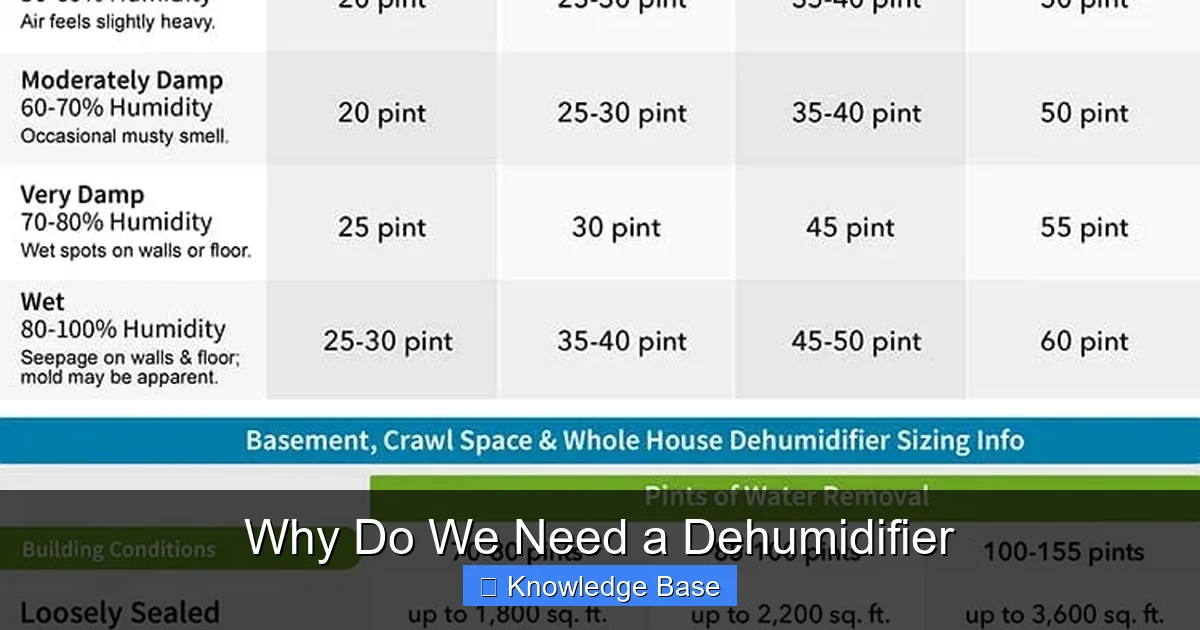
Dehumidifiers are rated by how many pints of moisture they can remove in 24 hours. For example, a 30-pint unit can remove 30 pints of water from the air in a day. The right size depends on the square footage of the room and the level of dampness.
Here’s a general guide:
– 20–30 pints: Small bathrooms, closets, or very damp areas under 500 sq. ft.
– 30–50 pints: Basements, garages, or moderately damp spaces up to 1,500 sq. ft.
– 50+ pints: Large basements, crawl spaces, or very wet areas over 1,500 sq. ft.
If your space is extremely damp or has standing water, you may need a commercial-grade dehumidifier or professional moisture remediation.
Key Features to Look For
When shopping, consider these features:
– **Adjustable Humidity Control:** Lets you set and maintain your desired humidity level.
– **Automatic Shut-Off:** Turns off the unit when the water tank is full.
– **Continuous Drainage Option:** Allows you to attach a hose so you don’t have to empty the tank.
– **Built-in Pump:** Helps drain water upward, useful for basements without floor drains.
– **Washable Filter:** Easy to clean and maintain.
– **Quiet Operation:** Important for bedrooms or living areas.
– **Energy Efficiency:** Look for ENERGY STAR certification.
Portable vs. Whole-House Dehumidifiers
Most homeowners use portable dehumidifiers, which are affordable, easy to move, and effective for single rooms. They’re ideal for basements, bathrooms, or laundry rooms.
Whole-house dehumidifiers are integrated into your HVAC system and treat the entire home. They’re more expensive but offer consistent humidity control and require less maintenance. These are best for large homes or areas with chronic humidity problems.
Conclusion: A Smart Investment for Health and Home
So, why do we need a dehumidifier? The answer is simple: to protect our health, preserve our homes, and improve our daily comfort. High humidity may seem harmless, but it can lead to mold, allergens, structural damage, and higher energy bills. A dehumidifier tackles these issues at the source by maintaining healthy indoor moisture levels.
Whether you’re dealing with a damp basement, musty odors, or allergy symptoms, a dehumidifier can make a real difference. It’s not just for extreme climates—it’s a practical tool for any home where moisture is a concern. By investing in the right model and using it properly, you can enjoy cleaner air, fewer repairs, and a more comfortable living space.
In the end, a dehumidifier is more than just an appliance. It’s a long-term solution for a healthier, safer, and more enjoyable home.
Frequently Asked Questions
Do I really need a dehumidifier if I have air conditioning?
Yes, because air conditioners aren’t designed to remove all excess moisture. In humid climates or during mild weather, your AC may not run enough to control humidity. A dehumidifier works alongside your AC to keep indoor air comfortable and dry.
Can a dehumidifier help with allergies?
Absolutely. By reducing humidity, a dehumidifier limits the growth of mold and dust mites—two major allergy triggers. This can lead to fewer sneezing, coughing, and breathing difficulties, especially for people with asthma or seasonal allergies.
Where should I place my dehumidifier for best results?
Place it in the most humid area, such as a basement, bathroom, or laundry room. Make sure there’s at least 6–12 inches of space around the unit for proper airflow. Avoid placing it near walls or furniture that block vents.
How often should I empty the water tank?
It depends on the humidity level and tank size. Most units need emptying every 12 to 24 hours. For convenience, consider a model with a continuous drain hose or built-in pump so you don’t have to empty it manually.
Will a dehumidifier make my home too dry?
Not if you set it correctly. Most dehumidifiers let you adjust the humidity level. Aim for 30% to 50% relative humidity. Use a hygrometer to monitor levels and avoid over-drying, which can cause dry skin or static electricity.
Are dehumidifiers expensive to run?
Modern dehumidifiers, especially ENERGY STAR models, are quite efficient. Running one costs about $1 to $3 per day, depending on size and usage. The energy savings from reduced AC use often offset this cost.