
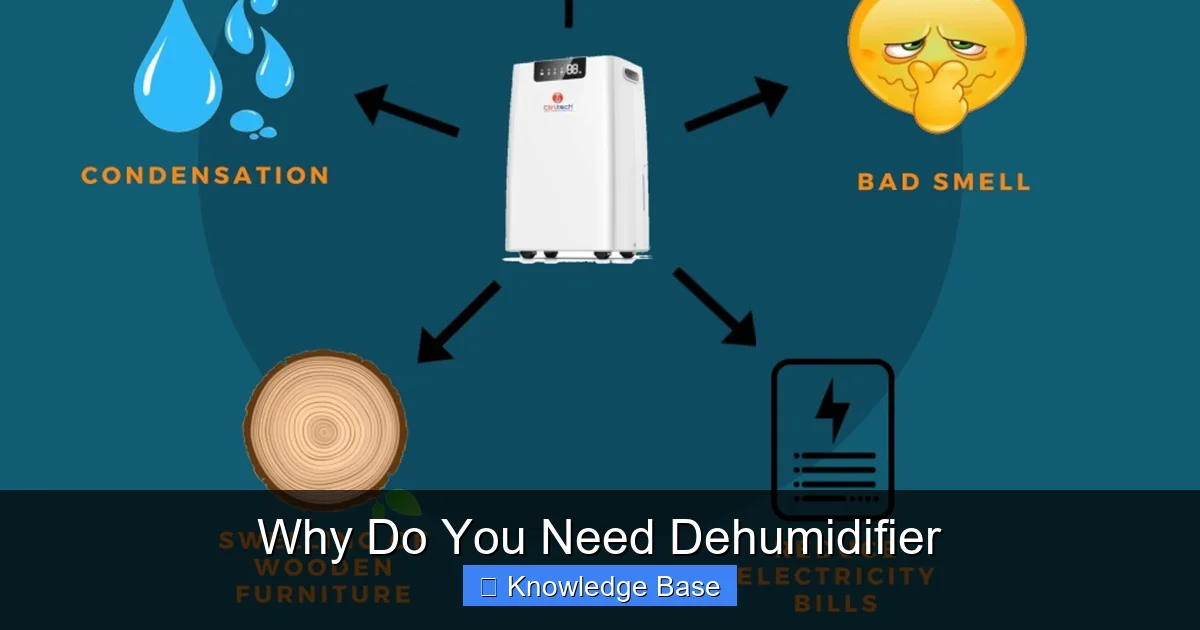
Excess indoor humidity can silently damage your home and health. A dehumidifier helps maintain optimal moisture levels, preventing mold, dust mites, and musty odors while improving comfort and air quality.
Key Takeaways
- Prevents mold and mildew growth: High humidity creates the perfect environment for mold, which can damage walls, furniture, and health.
- Reduces allergens and improves air quality: Dehumidifiers lower dust mites, mold spores, and other allergens that thrive in damp conditions.
- Protects your home’s structure: Excess moisture can warp wood, damage drywall, and weaken foundations over time.
- Enhances comfort and reduces odors: Dry air feels cooler and fresher, eliminating that sticky, clammy feeling and musty smells.
- Saves energy and lowers utility bills: Dry air is easier to cool, so your air conditioner doesn’t have to work as hard.
- Preserves belongings and electronics: Moisture can ruin books, clothing, and sensitive electronics—dehumidifiers help protect them.
- Supports better sleep and respiratory health: Cleaner, drier air reduces nighttime congestion and breathing issues.
📑 Table of Contents
- Why Do You Need a Dehumidifier? The Hidden Dangers of Excess Moisture
- Protect Your Home from Mold and Mildew
- Improve Indoor Air Quality and Reduce Allergens
- Protect Your Home’s Structure and Belongings
- Enhance Comfort and Eliminate Musty Odors
- Save Energy and Lower Utility Bills
- Support Better Sleep and Respiratory Health
- Conclusion: A Smart Investment for Health and Home
Why Do You Need a Dehumidifier? The Hidden Dangers of Excess Moisture
You might not see it, but moisture is always present in the air around you. While a little humidity is normal—and even healthy—too much of it can quietly wreak havoc on your home, your belongings, and your well-being. That’s where a dehumidifier comes in. It’s not just a luxury for humid climates; it’s a practical, often essential, appliance for maintaining a safe, comfortable, and healthy indoor environment.
Imagine walking into a room that feels sticky, smells musty, or has condensation on the windows. These are all signs of high humidity. Left unchecked, these conditions can lead to mold growth, structural damage, and even health problems like allergies and asthma flare-ups. A dehumidifier works by pulling excess moisture from the air, helping you maintain an ideal humidity level—typically between 30% and 50%. This simple act can transform your living space, making it more pleasant, safer, and more energy-efficient.
In this article, we’ll explore the many reasons why you need a dehumidifier, from protecting your home’s integrity to boosting your health and comfort. Whether you live in a damp basement, a humid coastal area, or just notice that your home feels a bit too moist, understanding the role of a dehumidifier can help you make smarter choices for your living environment.
Protect Your Home from Mold and Mildew

Visual guide about Why Do You Need Dehumidifier
Image source: cdn4.slideserve.com
One of the most compelling reasons to use a dehumidifier is to prevent mold and mildew. These fungi thrive in moist, warm environments—exactly the conditions created by high indoor humidity. Once mold takes hold, it can spread quickly, damaging walls, ceilings, insulation, and personal belongings.
How Mold Grows in Humid Environments
Mold spores are everywhere—floating in the air, settling on surfaces, and waiting for the right conditions to grow. When humidity levels rise above 60%, these spores find the moisture they need to germinate and multiply. Common problem areas include basements, bathrooms, laundry rooms, and crawl spaces—places where ventilation is limited and moisture tends to accumulate.
For example, after a hot shower, steam fills the bathroom. Without proper ventilation or a dehumidifier, that moisture lingers on walls, mirrors, and shower curtains. Over time, dark spots may appear in the grout or corners—classic signs of mold. The same thing can happen in a basement after heavy rain or a plumbing leak. Even if you don’t see mold right away, it could be growing behind walls or under flooring.
The Health Risks of Mold Exposure
Mold isn’t just unsightly—it’s a health hazard. Exposure to mold can trigger allergic reactions, including sneezing, coughing, itchy eyes, and skin rashes. For people with asthma or weakened immune systems, mold can cause more serious respiratory issues, such as difficulty breathing, chest tightness, or even infections.
Children, the elderly, and individuals with chronic lung conditions are especially vulnerable. In fact, the Environmental Protection Agency (EPA) warns that indoor mold exposure is linked to increased asthma symptoms and respiratory infections. By using a dehumidifier to keep humidity under control, you significantly reduce the risk of mold growth and the health problems it brings.
Practical Tips to Prevent Mold
– Run your dehumidifier in high-moisture areas, especially during humid seasons.
– Fix leaks promptly—whether from pipes, roofs, or windows.
– Use exhaust fans in bathrooms and kitchens to vent moisture outside.
– Avoid drying clothes indoors unless you have a vented dryer.
– Keep indoor humidity between 30% and 50% using a hygrometer to monitor levels.
A dehumidifier acts as your first line of defense, making it harder for mold to take root. It’s a small investment that can save you from costly repairs and medical bills down the line.
Improve Indoor Air Quality and Reduce Allergens

Visual guide about Why Do You Need Dehumidifier
Image source: image4.slideserve.com
Clean air is essential for good health, and a dehumidifier plays a key role in improving the quality of the air you breathe. High humidity doesn’t just encourage mold—it also creates ideal conditions for other common allergens like dust mites and bacteria.
The Link Between Humidity and Dust Mites
Dust mites are microscopic creatures that live in household dust. They feed on dead skin cells and thrive in warm, humid environments. According to the American Lung Association, dust mites are one of the most common triggers of asthma and allergic rhinitis. They prefer humidity levels above 50%, which is why bedrooms, upholstered furniture, and carpeted areas often become hotspots.
When humidity is high, dust mite populations can explode. Their waste products—tiny particles that become airborne—are potent allergens. Inhaling them can lead to sneezing, runny nose, itchy eyes, and worsened asthma symptoms. A dehumidifier helps by lowering humidity, making your home less hospitable to these pests.
Reducing Other Airborne Irritants
High moisture levels can also encourage the growth of bacteria and other microorganisms. These can contribute to unpleasant odors and even respiratory infections. Additionally, damp conditions can cause volatile organic compounds (VOCs) to be released from certain building materials and furnishings, further degrading air quality.
By maintaining lower humidity, a dehumidifier helps minimize these risks. It doesn’t filter the air like an air purifier, but it creates an environment where allergens and irritants are less likely to thrive. This is especially beneficial for people with allergies, asthma, or sensitivities to airborne pollutants.
Real-Life Example: A Family’s Allergy Relief
Consider the Johnson family, who lived in a humid coastal town. Their son, Ethan, had chronic allergies and often woke up congested. After installing a dehumidifier in their basement and main living area, they noticed a dramatic improvement. Ethan’s symptoms lessened, and the musty smell in their home disappeared. Their doctor confirmed that reducing indoor humidity had helped control his dust mite allergy.
This story isn’t unique. Many families report better sleep, fewer allergy symptoms, and fresher-smelling homes after using a dehumidifier. It’s a simple change with powerful results.
Protect Your Home’s Structure and Belongings
Your home is one of your biggest investments, and excess moisture can silently erode its value and integrity. From warped wood to damaged drywall, the effects of high humidity can be both costly and hard to reverse.
How Moisture Damages Building Materials
Wood is particularly vulnerable to moisture. When humidity is high, wood absorbs moisture from the air, causing it to swell. When it dries, it shrinks. This constant expansion and contraction can lead to warping, cracking, and joint separation. Over time, this can damage floors, furniture, doors, and structural beams.
Drywall and plaster can also suffer. When moisture seeps into walls, it weakens the material, leading to peeling paint, bubbling wallpaper, and even collapse in severe cases. In basements and crawl spaces, high humidity can cause concrete to sweat, leading to efflorescence—a white, powdery substance that indicates water intrusion.
The Risk to Your Belongings
It’s not just your home’s structure at risk—your personal belongings are too. Books, photographs, artwork, and musical instruments can all be ruined by excess moisture. Paper absorbs humidity, causing pages to curl and ink to bleed. Wooden instruments like guitars and pianos can warp or lose tuning. Electronics are also vulnerable; moisture can corrode circuits and cause malfunctions.
Clothing and fabrics stored in damp areas may develop mildew, giving them a foul odor and making them unsafe to wear. Even stored food can spoil faster in humid conditions, as mold and bacteria grow more readily.
Preventing Long-Term Damage
A dehumidifier helps preserve your home and belongings by maintaining stable humidity levels. It’s especially important in areas prone to moisture, such as basements, garages, and attics. By keeping the air dry, you reduce the risk of structural damage and extend the life of your possessions.
For example, a homeowner in the Midwest used a dehumidifier in their basement after noticing dampness during the summer. Within a few months, they no longer saw water stains on the walls, and their stored holiday decorations remained mold-free. The small monthly energy cost of running the unit was far less than the potential expense of repairing water damage.
Enhance Comfort and Eliminate Musty Odors
Have you ever walked into a room and immediately noticed a damp, earthy smell? That’s the scent of excess moisture—often a sign of high humidity. Not only is it unpleasant, but it can also make your home feel uncomfortable, even if the temperature is just right.
Why Humid Air Feels Uncomfortable
High humidity makes the air feel heavier and stickier. This is because your body relies on sweat evaporation to cool down. When the air is already saturated with moisture, sweat doesn’t evaporate as easily, making you feel hotter and more uncomfortable. This effect is why a 75°F room can feel oppressive in the summer if humidity is high.
A dehumidifier helps by removing excess moisture, making the air feel lighter and more breathable. You’ll notice that rooms feel cooler and more refreshing, even without lowering the thermostat. This can be especially helpful in bedrooms, where comfort is key to a good night’s sleep.
Eliminating Musty and Damp Smells
Musty odors are a common complaint in homes with high humidity. These smells come from mold, mildew, and bacterial growth in damp areas. They’re not just unpleasant—they can also be a sign of hidden moisture problems.
A dehumidifier helps eliminate these odors by addressing the root cause: excess moisture. As humidity levels drop, mold and mildew growth slows, and the air begins to smell fresher. Many users report that their homes smell “cleaner” and more inviting after using a dehumidifier regularly.
Tips for Maximum Comfort
– Place the dehumidifier in the most humid area of your home, such as the basement or laundry room.
– Use a model with a built-in humidistat to automatically maintain your desired humidity level.
– Clean the unit’s filter regularly to ensure optimal performance.
– Combine with good ventilation—open windows when outdoor humidity is low, and use fans to circulate air.
By improving air quality and comfort, a dehumidifier can make your home a more enjoyable place to live.
Save Energy and Lower Utility Bills
You might not think of a dehumidifier as an energy-saving device, but it can actually help reduce your overall energy consumption—especially when it comes to cooling your home.
How Dehumidifiers Reduce AC Workload
Air conditioners don’t just cool the air—they also remove moisture. However, in humid climates, your AC has to work much harder to dehumidify the air, which uses extra energy. This is why your AC might run constantly on a humid day, even if the temperature isn’t extremely high.
By using a dehumidifier, you take some of the moisture removal burden off your air conditioner. The AC can then focus on cooling, which is more efficient. As a result, your system runs less, uses less electricity, and may last longer.
Real Savings Over Time
While a dehumidifier does use electricity, the energy savings from a more efficient AC system can offset that cost. In fact, the U.S. Department of Energy estimates that reducing indoor humidity can lower cooling costs by up to 10%. Over a summer, that can add up to significant savings on your utility bill.
Additionally, because dry air feels cooler, you may be able to set your thermostat a few degrees higher without sacrificing comfort. Every degree counts—raising the thermostat by just 2°F can save about 5% on cooling costs.
Choosing an Energy-Efficient Model
Not all dehumidifiers are created equal. Look for models with the ENERGY STAR label, which meet strict efficiency guidelines set by the EPA. These units use advanced technology to remove moisture with less energy, helping you save money and reduce your environmental impact.
Features like auto-shutoff, programmable timers, and adjustable humidity settings also help optimize performance and minimize energy use.
Support Better Sleep and Respiratory Health
Good sleep is essential for physical and mental well-being, and the quality of your bedroom air plays a big role. High humidity can disrupt sleep by making the room feel stuffy and causing nighttime congestion.
The Connection Between Humidity and Sleep
When the air is too moist, it can feel harder to breathe, especially for people with asthma or allergies. This can lead to frequent waking, snoring, or restless sleep. Additionally, mold and dust mites—both encouraged by high humidity—can trigger nighttime symptoms like coughing and sneezing.
A dehumidifier helps create a more comfortable sleep environment by reducing moisture and allergens. Many users report falling asleep faster and waking up feeling more refreshed.
Benefits for Respiratory Health
Clean, dry air is easier on the lungs. For individuals with chronic respiratory conditions, maintaining optimal humidity can reduce the frequency and severity of symptoms. It can also help prevent respiratory infections, which are more common in damp environments.
Doctors often recommend dehumidifiers as part of a comprehensive approach to managing asthma and allergies. Combined with regular cleaning and air filtration, a dehumidifier can make a meaningful difference in daily comfort and long-term health.
Conclusion: A Smart Investment for Health and Home
So, why do you need a dehumidifier? The answer is clear: to protect your home, improve your health, and enhance your overall quality of life. From preventing mold and allergens to saving energy and boosting comfort, the benefits are both immediate and long-lasting.
Whether you live in a humid climate, have a damp basement, or simply want to breathe easier at home, a dehumidifier is a practical and effective solution. It’s not just about removing moisture—it’s about creating a safer, cleaner, and more comfortable living environment for you and your family.
Investing in a quality dehumidifier is one of the smartest decisions you can make for your home. It’s a small change that delivers big results, helping you enjoy fresher air, fewer health issues, and a home that truly feels like a sanctuary.
Frequently Asked Questions
What is the ideal indoor humidity level?
The ideal indoor humidity level is between 30% and 50%. This range helps prevent mold growth, reduces allergens, and maintains comfort. Use a hygrometer to monitor humidity levels in your home.
Where should I place a dehumidifier in my home?
Place your dehumidifier in the area with the highest humidity, such as a basement, laundry room, or bathroom. Ensure it has proper airflow and is near a power source. Avoid blocking vents or placing it too close to walls.
How often should I empty the water tank?
It depends on the model and humidity levels, but most dehumidifiers need emptying every 12 to 24 hours. Many modern units have auto-shutoff features and continuous drainage options to reduce maintenance.
Can a dehumidifier help with allergies?
Yes. By reducing humidity, a dehumidifier helps control dust mites, mold, and other allergens that thrive in moist environments. This can significantly improve allergy and asthma symptoms.
Do dehumidifiers use a lot of electricity?
Energy use varies by model, but ENERGY STAR-certified units are designed to be efficient. The energy cost is often offset by reduced air conditioning usage and lower utility bills.
Can I use a dehumidifier in winter?
Yes, but only if indoor humidity is high. In cold climates, humidity tends to drop, so a dehumidifier may not be needed. Use a hygrometer to check levels and run the unit only when necessary.