

Using a dehumidifier helps maintain healthy indoor humidity levels, preventing mold, dust mites, and musty odors. It also protects your home’s structure, improves air quality, and can even lower energy bills by making your HVAC system more efficient.
Have you ever walked into a room and felt that sticky, heavy sensation in the air? Or noticed a faint musty smell in your basement or closet? These are classic signs of high indoor humidity—and they’re more than just uncomfortable. Excess moisture in your home can lead to serious problems, from mold growth to damaged furniture and even health issues. That’s where a dehumidifier comes in. But why do you use a dehumidifier? The answer is simple: it helps maintain a healthy, comfortable, and safe living environment by controlling indoor humidity levels.
Most people think of dehumidifiers as appliances only needed in humid climates or during the summer months. But the truth is, even in cooler or drier regions, indoor humidity can spike due to everyday activities like cooking, showering, or doing laundry. Without proper moisture control, your home becomes a breeding ground for mold, dust mites, and bacteria. A dehumidifier works by pulling in moist air, removing the excess water vapor, and releasing drier air back into the room. This process not only improves air quality but also protects your home and health in ways you might not expect.
In this article, we’ll explore the many reasons why you use a dehumidifier, from preventing structural damage to boosting your comfort and energy efficiency. Whether you live in a humid coastal area or a damp basement apartment, understanding the benefits of a dehumidifier can help you make smarter choices for your home and well-being.
Key Takeaways
- Prevents Mold and Mildew Growth: Dehumidifiers reduce excess moisture, creating an environment where mold and mildew cannot thrive.
- Reduces Allergens and Improves Air Quality: By controlling humidity, dehumidifiers help minimize dust mites, mold spores, and other airborne allergens.
- Protects Home Structure and Belongings: Excess moisture can damage wood, drywall, and furniture—dehumidifiers help preserve your home and valuables.
- Enhances Comfort and Reduces Odors: Lower humidity levels make your home feel cooler and eliminate musty smells.
- Increases HVAC Efficiency: Dry air is easier to cool, so your air conditioner works less, saving energy and money.
- Supports Better Sleep and Health: Cleaner, drier air can reduce respiratory issues and improve overall well-being.
- Ideal for Basements, Bathrooms, and Laundry Rooms: These areas are prone to high humidity and benefit most from dehumidifier use.
📑 Table of Contents
What Is a Dehumidifier and How Does It Work?
A dehumidifier is an electrical appliance designed to reduce and maintain the level of humidity in the air. It’s especially useful in spaces where moisture buildup is common, such as basements, bathrooms, laundry rooms, and even entire homes in humid climates. But how exactly does it work? And why is it so effective at tackling indoor moisture problems?
How Dehumidifiers Remove Moisture
Most residential dehumidifiers use a refrigeration-based system, similar to an air conditioner. Here’s a simplified breakdown of the process:
First, a fan draws warm, moist air from the room into the dehumidifier. This air passes over a set of cold coils, called the evaporator coils. As the air cools, the moisture in it condenses into water droplets—just like how water forms on the outside of a cold drink on a hot day. These droplets collect in a built-in water tank or are drained directly through a hose.
Once the moisture is removed, the now-drier air passes over a set of warm coils (the condenser coils), which reheats it to room temperature. The dry air is then blown back into the room. This cycle repeats continuously until the desired humidity level is reached.
Some dehumidifiers also feature built-in humidistats, which measure the current humidity level and automatically turn the unit on or off to maintain a set range—usually between 30% and 50% relative humidity. This smart functionality ensures consistent comfort and prevents over-drying, which can also be uncomfortable.
Types of Dehumidifiers
Not all dehumidifiers are the same. Depending on your needs, you might choose from several types:
– **Refrigerant (Compressor) Dehumidifiers:** These are the most common and work best in warm, humid environments (above 65°F). They’re effective and affordable but can struggle in colder spaces.
– **Desiccant Dehumidifiers:** These use a moisture-absorbing material (like silica gel) to pull water from the air. They work well in cooler temperatures and are often quieter, making them ideal for basements or bedrooms.
– **Whole-House Dehumidifiers:** Integrated into your HVAC system, these units dehumidify your entire home and are perfect for large spaces or severe humidity issues.
– **Mini or Portable Dehumidifiers:** Smaller units designed for closets, RVs, or small rooms. They’re great for targeted moisture control but have limited capacity.
Understanding how a dehumidifier works helps explain why you use a dehumidifier: it’s a proactive solution to a common but often overlooked problem. By removing excess moisture, it creates a healthier, more comfortable indoor environment.
Why Do You Use a Dehumidifier? Top Health Benefits
Visual guide about Why Do You Yse a Dehumidifier
Image source: hvactrainingshop.com
One of the most compelling reasons to use a dehumidifier is the positive impact it has on your health. High indoor humidity doesn’t just feel uncomfortable—it can actively harm your well-being, especially if you suffer from allergies, asthma, or respiratory conditions. Let’s explore how controlling humidity can lead to better health outcomes.
Reduces Mold and Mildew Growth
Mold and mildew thrive in damp, humid environments. When humidity levels rise above 60%, these fungi can begin to grow on walls, ceilings, carpets, and even inside air ducts. Mold spores are lightweight and easily become airborne, where they can be inhaled. For people with allergies or asthma, this can trigger sneezing, coughing, wheezing, and even severe respiratory attacks.
By using a dehumidifier to keep indoor humidity between 30% and 50%, you create an environment where mold and mildew cannot survive. This is especially important in areas like basements, bathrooms, and under sinks—places where moisture tends to accumulate. For example, if you’ve ever noticed black spots on your bathroom grout or a fuzzy patch on a basement wall, that’s likely mold. A dehumidifier can stop it from spreading and prevent new growth.
Controls Dust Mites
Dust mites are microscopic creatures that live in household dust and feed on dead skin cells. They’re a common allergen and can worsen symptoms for people with asthma or allergic rhinitis. The catch? Dust mites need moisture to survive. They absorb water from the air through their bodies, which means they thrive in humid environments—typically above 50% relative humidity.
When you use a dehumidifier to lower humidity, you essentially cut off the water supply that dust mites need to live and reproduce. Studies have shown that maintaining humidity below 50% can significantly reduce dust mite populations. This means fewer allergens in your home, leading to easier breathing, fewer sneezes, and better sleep.
Improves Respiratory Health
High humidity doesn’t just encourage allergens—it can also make it harder to breathe. Moist air feels heavier and can increase the sensation of stuffiness, especially in poorly ventilated rooms. For people with chronic obstructive pulmonary disease (COPD), asthma, or other respiratory conditions, this can be particularly challenging.
Dryer air, on the other hand, is easier to breathe and can reduce the strain on your lungs. Additionally, by reducing mold and dust mites, a dehumidifier helps minimize triggers that can cause coughing, chest tightness, and shortness of breath. Many users report feeling a noticeable improvement in their breathing within days of using a dehumidifier.
Prevents Musty Odors and Bacteria Growth
That damp, musty smell in your basement or closet? It’s often caused by mold, mildew, or bacteria growing in hidden, moist areas. These odors aren’t just unpleasant—they can indicate poor indoor air quality. Bacteria and fungi release volatile organic compounds (VOCs) as they grow, which contribute to that “wet basement” smell.
A dehumidifier helps eliminate these odors by removing the moisture that allows these microorganisms to flourish. Without excess humidity, bacteria and mold can’t grow, and the air in your home stays fresher. This is especially helpful in homes with poor ventilation or in areas prone to flooding or leaks.
Supports Better Sleep
Believe it or not, humidity levels can affect your sleep quality. High humidity can make your bedroom feel hot and sticky, leading to restlessness and night sweats. It can also worsen snoring and sleep apnea by increasing airway resistance. On the other hand, very dry air can irritate your nasal passages and throat.
By using a dehumidifier to maintain balanced humidity, you create a more comfortable sleep environment. Many people find they sleep deeper and wake up feeling more refreshed when their bedroom air is neither too moist nor too dry.
In short, the health benefits of using a dehumidifier are significant. From reducing allergens to improving breathing and sleep, it’s a simple change that can have a big impact on your daily life.
Protecting Your Home and Belongings

Visual guide about Why Do You Yse a Dehumidifier
Image source: i.pinimg.com
While health is a major reason to use a dehumidifier, it’s not the only one. Excess moisture can also wreak havoc on your home’s structure, furniture, and personal belongings. Over time, unchecked humidity can lead to costly repairs and irreversible damage. Let’s look at how a dehumidifier helps protect your investment.
Prevents Structural Damage
Wood is highly sensitive to moisture. When humidity levels are high, wooden beams, floors, and furniture absorb water from the air. This can cause wood to swell, warp, or rot. In severe cases, structural integrity can be compromised—especially in basements, crawl spaces, and attics where ventilation is limited.
For example, if you have hardwood floors in a humid basement, you might notice buckling or gaps between planks. Similarly, wooden support beams in a damp crawl space can develop dry rot, weakening the foundation of your home. A dehumidifier helps maintain stable humidity levels, preventing these issues before they start.
Drywall and plaster are also vulnerable. High moisture can cause paint to peel, wallpaper to bubble, and drywall to soften or develop mold. In extreme cases, walls may need to be torn down and replaced. By using a dehumidifier, you reduce the risk of these expensive repairs.
Preserves Furniture and Electronics
Your furniture isn’t immune to humidity damage either. Upholstered sofas, mattresses, and curtains can absorb moisture, leading to mold growth and unpleasant odors. Wooden furniture, like dressers and tables, can swell or crack in humid conditions. Leather items may develop mildew or lose their suppleness.
Electronics are especially sensitive. High humidity can cause condensation inside devices like computers, TVs, and sound systems, leading to short circuits or corrosion. This is why many people use dehumidifiers in home offices, media rooms, or garages where electronics are stored.
Even books, artwork, and photographs can be damaged by moisture. Paper absorbs water, causing pages to warp or stick together. Paintings on canvas may develop mold or lose their adhesion. A dehumidifier helps preserve these valuable items by keeping the air dry and stable.
Protects Clothing and Linens
Have you ever pulled clothes out of the closet and noticed a musty smell? That’s a sign of high humidity. Damp air can cause fabrics to develop mildew, especially in closets with poor airflow. This not only ruins clothing but can also trigger skin irritation or allergic reactions.
Using a dehumidifier in your bedroom or closet helps keep fabrics fresh and dry. It’s especially useful during humid seasons or in homes without central air conditioning. Some people even use small dehumidifiers in wardrobes or storage boxes to protect seasonal clothing.
Reduces Pest Infestations
Many pests, including silverfish, cockroaches, and certain types of beetles, are attracted to damp environments. These insects seek out moisture to survive and often hide in basements, bathrooms, or under sinks. Once they move in, they can be difficult to eliminate and may damage paper, fabric, or wood.
By using a dehumidifier to lower humidity, you make your home less inviting to these pests. A dry environment is simply not suitable for their survival. This natural pest control method is safer and more effective than relying solely on chemical treatments.
In summary, a dehumidifier is a powerful tool for protecting your home and belongings. It helps prevent structural damage, preserves furniture and electronics, keeps clothing fresh, and deters pests—all while improving your overall living environment.
Improving Comfort and Energy Efficiency
Beyond health and home protection, using a dehumidifier can significantly improve your comfort and even save you money on energy bills. Let’s explore how controlling indoor humidity makes your home feel better and your HVAC system work smarter.
Feels Cooler Without Cranking the AC
Have you ever noticed that a room feels hotter on a humid day, even if the temperature is the same as a dry day? That’s because high humidity reduces your body’s ability to cool itself through sweat evaporation. When the air is full of moisture, sweat doesn’t evaporate as easily, making you feel sticky and overheated.
By using a dehumidifier to remove excess moisture, the air feels cooler and more comfortable—even at the same temperature. This means you can set your thermostat a few degrees higher without sacrificing comfort. For example, instead of cooling your home to 72°F, you might feel just as comfortable at 75°F when the air is dry. This small adjustment can lead to noticeable energy savings.
Reduces Strain on Your Air Conditioner
Your air conditioner doesn’t just cool the air—it also removes humidity. In fact, about one-third of an AC unit’s workload is dedicated to dehumidification. When indoor humidity is high, your AC has to work harder and longer to remove moisture, which increases energy consumption and wear on the system.
By using a dehumidifier, you take some of that burden off your air conditioner. The dehumidifier handles the moisture removal, allowing the AC to focus on cooling. This dual-system approach is more efficient and can extend the lifespan of your HVAC equipment.
In humid climates or during summer months, this can result in lower electricity bills. Some homeowners report saving 10–20% on cooling costs after adding a dehumidifier to their routine.
Eliminates Musty Odors and Stuffy Air
High humidity often leads to that “stuffy” feeling in a room—air that feels heavy, stale, and hard to breathe. This is especially common in basements, bathrooms, or homes with poor ventilation. The musty smell that accompanies it is not only unpleasant but can also make your home feel unwelcoming.
A dehumidifier helps by drying the air and reducing the conditions that cause odors. Without excess moisture, there’s less opportunity for mold, mildew, and bacteria to grow. The result? Fresher, cleaner-smelling air throughout your home.
Many users notice an immediate improvement in air quality after turning on a dehumidifier. Rooms feel lighter, more open, and more inviting—perfect for relaxing, working, or entertaining guests.
Supports Better Indoor Air Circulation
Dry air is lighter and easier to circulate than humid air. When humidity is controlled, your home’s ventilation system—whether it’s ceiling fans, exhaust fans, or HVAC vents—can move air more efficiently. This improves overall air quality and helps distribute cool or warm air more evenly.
In rooms with high humidity, air can feel “trapped,” leading to hot or cold spots. A dehumidifier helps eliminate these inconsistencies, creating a more balanced and comfortable environment.
Reduces Condensation on Windows and Surfaces
Have you ever woken up to foggy windows in the winter? That’s condensation—moisture from the air turning into water droplets on cold surfaces. While it might seem harmless, repeated condensation can lead to water stains, peeling paint, or even mold growth around window frames.
Using a dehumidifier reduces the amount of moisture in the air, minimizing condensation on windows, mirrors, and other cold surfaces. This not only keeps your home looking cleaner but also prevents long-term damage.
In short, a dehumidifier enhances comfort by making your home feel cooler, fresher, and more breathable. It also supports energy efficiency by reducing the workload on your HVAC system and helping you save on utility bills.
Best Places to Use a Dehumidifier
Not all rooms in your home need a dehumidifier, but certain areas are more prone to high humidity and benefit the most from moisture control. Knowing where to place your dehumidifier can maximize its effectiveness and ensure you get the best results.
Basements
Basements are the most common location for dehumidifiers—and for good reason. They’re typically below ground level, poorly ventilated, and surrounded by damp soil. Even in dry climates, basements can feel clammy and smell musty due to moisture seeping through concrete walls or floors.
Using a dehumidifier in the basement helps prevent mold growth, protects stored items (like boxes, tools, or holiday decorations), and makes the space more usable. Whether you use your basement for storage, laundry, or as a living area, a dehumidifier is essential for maintaining a healthy environment.
Bathrooms
Bathrooms are natural humidity hotspots. Every shower, bath, or sink use releases steam and moisture into the air. Without proper ventilation, this moisture can linger for hours, leading to mold on tiles, grout, and ceilings.
A small dehumidifier or a high-quality exhaust fan can help remove this moisture quickly. Some people even run a dehumidifier in the bathroom for 30 minutes after showering to prevent buildup. This simple habit can keep your bathroom cleaner and reduce the need for frequent scrubbing.
Laundry Rooms
Doing laundry adds a lot of moisture to the air—especially when clothes are dried indoors. Wet clothes release water vapor as they dry, increasing indoor humidity. In small, enclosed laundry rooms, this can create a damp, stuffy environment.
Placing a dehumidifier in or near your laundry room helps absorb this excess moisture. It’s especially useful if you air-dry clothes or live in a humid climate. Plus, it can help prevent mold on walls or damage to laundry appliances.
Closets and Storage Areas
Closets, especially walk-in or enclosed ones, often have poor airflow and can trap moisture. This makes them prime spots for musty odors and mildew on clothes or shoes. A small, quiet dehumidifier or moisture-absorbing packets can help keep these spaces dry.
For long-term storage—like seasonal clothing, books, or important documents—consider using a dehumidifier in a storage closet or basement storage area. This helps preserve items and prevent damage over time.
Entire Home (Whole-House Systems)
If your entire home suffers from high humidity, a whole-house dehumidifier may be the best solution. These units are installed in your HVAC system and work alongside your furnace and air conditioner to control humidity throughout your home.
They’re ideal for large homes, humid climates, or homes with chronic moisture problems. While more expensive upfront, they offer consistent, whole-home comfort and can significantly improve air quality and energy efficiency.
Choosing the Right Dehumidifier for Your Needs
With so many options available, choosing the right dehumidifier can feel overwhelming. But by considering a few key factors, you can find a unit that fits your space, budget, and lifestyle.
Size and Capacity
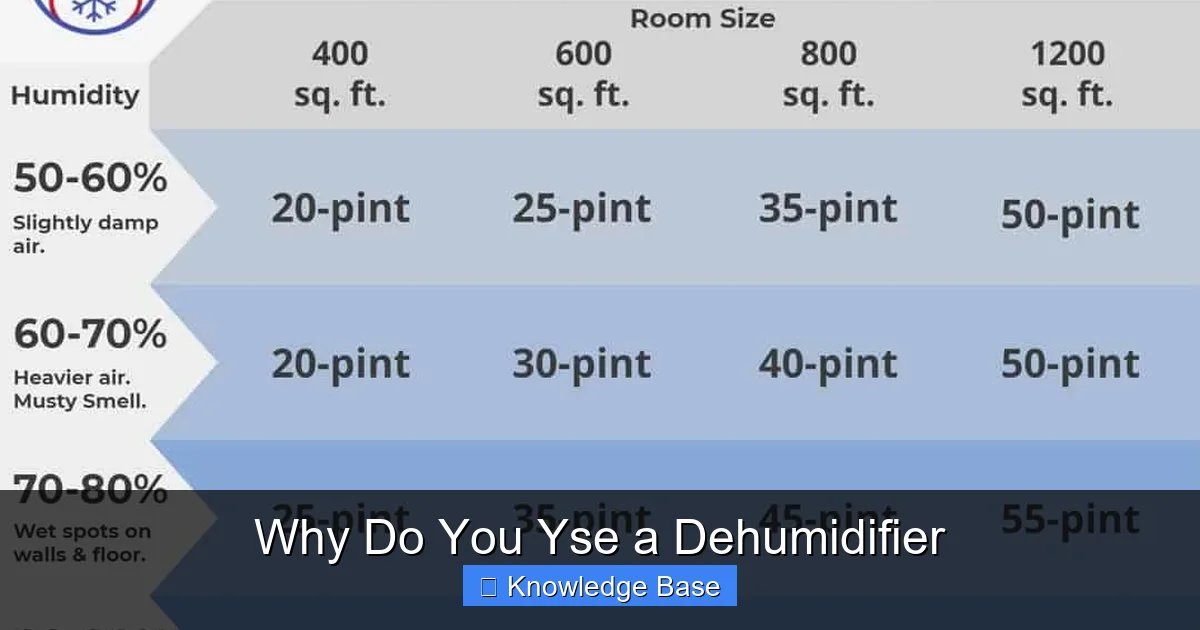
Dehumidifiers are rated by how many pints of moisture they can remove in 24 hours. Small units (20–30 pints) are ideal for closets or small bathrooms, while larger units (50+ pints) are better for basements or whole-house use.
To choose the right size, consider the square footage of the area and the humidity level. A damp basement may need a 70-pint unit, while a slightly moist bedroom might only need a 30-pint model.
Energy Efficiency
Look for dehumidifiers with the ENERGY STAR label, which indicates they meet strict energy efficiency guidelines. These models use less electricity and can save you money over time. Check the energy factor (liters of water removed per kilowatt-hour) to compare efficiency.
Drainage Options
Most dehumidifiers collect water in a tank that needs to be emptied regularly. For convenience, choose a model with a continuous drainage option—either a built-in pump or a hose attachment. This allows the unit to drain directly into a floor drain or sink, eliminating the need to empty the tank.
Noise Level
If you plan to use the dehumidifier in a bedroom or living area, look for a quiet model (under 50 decibels). Desiccant dehumidifiers are often quieter than compressor-based units.
Smart Features
Modern dehumidifiers may include features like programmable timers, humidity sensors, remote controls, or Wi-Fi connectivity. These can make operation easier and more efficient.
By considering these factors, you can find a dehumidifier that meets your needs and helps you enjoy a healthier, more comfortable home.
Conclusion
So, why do you use a dehumidifier? The answer is clear: it’s a simple, effective way to improve your health, protect your home, and enhance your comfort. From reducing mold and allergens to preventing structural damage and lowering energy bills, the benefits are wide-ranging and impactful.
Whether you’re dealing with a damp basement, musty closet, or just want to breathe easier, a dehumidifier is a smart investment. By maintaining optimal indoor humidity levels—ideally between 30% and 50%—you create a cleaner, safer, and more enjoyable living environment.
Don’t wait for mold to grow or your energy bills to spike. Take control of your indoor air quality today. With the right dehumidifier, you can enjoy fresher air, a healthier home, and greater peace of mind.
Frequently Asked Questions
Do I really need a dehumidifier if I have air conditioning?
Yes, you may still need one. While air conditioners remove some moisture, they aren’t designed for deep dehumidification. In humid climates or poorly ventilated spaces, a dehumidifier provides extra moisture control that your AC can’t match.
Can a dehumidifier help with allergies?
Absolutely. By reducing mold, dust mites, and other allergens, a dehumidifier can significantly improve allergy symptoms. Many users report fewer sneezes, less congestion, and better breathing after using one.
How often should I run my dehumidifier?
It depends on humidity levels, but most experts recommend running it continuously during humid months or in damp areas. Use a built-in humidistat to automate operation and maintain ideal humidity.
Will a dehumidifier make my home too dry?
Not if used correctly. Most dehumidifiers have adjustable settings and humidistats to prevent over-drying. Aim for 30–50% relative humidity for optimal comfort and health.
Can I use a dehumidifier in winter?
Yes, especially in basements or poorly insulated areas. Cold air holds less moisture, but indoor activities and poor ventilation can still cause humidity buildup. Desiccant models work best in colder temperatures.
How do I know if my home is too humid?
Signs include condensation on windows, musty odors, peeling paint, warped wood, or a sticky feeling in the air. A hygrometer can measure humidity levels—anything above 60% is too high.