
A dehumidifier may stop working due to clogged filters, frozen coils, power issues, or full water tanks. Regular maintenance and proper placement can prevent most problems and extend the unit’s lifespan.
Key Takeaways
- Clogged or dirty air filters restrict airflow, causing the dehumidifier to overheat or shut down.
- Frost or ice buildup on coils often occurs in cold environments and stops the unit from removing moisture.
- A full water tank triggers an automatic shutoff to prevent leaks and damage.
- Power supply issues like tripped breakers or faulty outlets can prevent the dehumidifier from turning on.
- Incorrect humidity settings may cause the unit to stop prematurely if the target humidity is already reached.
- Mechanical wear and tear over time can lead to compressor or fan failure, especially in older models.
- Poor placement or ventilation around the unit reduces efficiency and can cause overheating.
📑 Table of Contents
- Why Does a Dehumidifier Stop Working? Understanding the Common Causes
- Common Reasons Your Dehumidifier Stops Working
- How to Diagnose a Dehumidifier That Stopped Working
- Preventative Maintenance to Keep Your Dehumidifier Running
- When to Call a Professional
- Choosing the Right Dehumidifier to Avoid Future Problems
- Conclusion
Why Does a Dehumidifier Stop Working? Understanding the Common Causes
You’ve just bought a brand-new dehumidifier, or maybe you’ve had one for years. It’s been quietly pulling moisture from the air, keeping your basement dry, your clothes fresher, and your home more comfortable. But one day, it just… stops. No fan, no hum, no water collecting in the tank. You check the plug, flip the switch, and still—nothing.
Frustrating, right?
You’re not alone. Many homeowners face this exact problem. A dehumidifier stopping suddenly isn’t always a sign of total failure. In fact, most of the time, it’s something simple—and fixable. Whether it’s a clogged filter, a frozen coil, or a full water tank, the root cause is often easy to identify and resolve.
Understanding why a dehumidifier stops working can save you time, money, and the hassle of calling a technician. More importantly, it helps you maintain a healthier, more comfortable indoor environment. High humidity doesn’t just feel sticky—it encourages mold, dust mites, and musty odors. A working dehumidifier is your first line of defense.
In this guide, we’ll walk you through the most common reasons your dehumidifier might stop working, how to diagnose the issue, and what you can do to fix it. From basic maintenance to troubleshooting electrical problems, we’ve got you covered. By the end, you’ll know exactly what to check the next time your dehumidifier goes silent.
Common Reasons Your Dehumidifier Stops Working
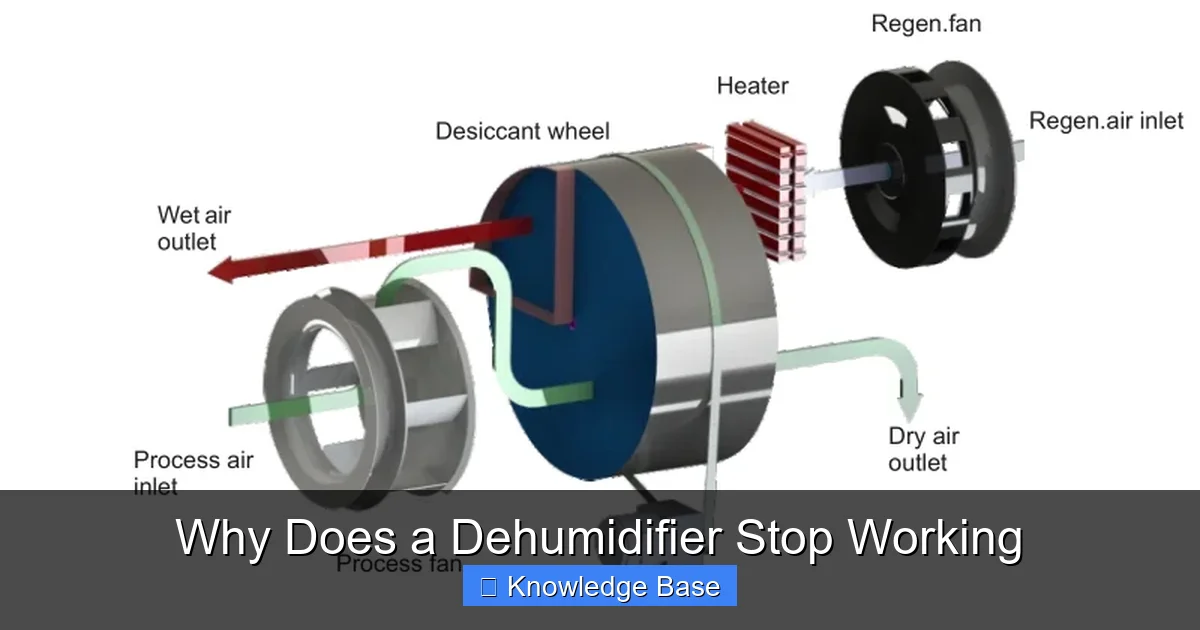
Visual guide about Why Does a Dehumidifier Stop Working
Image source: lutaair.com
There are several reasons why a dehumidifier might suddenly stop working. Some are mechanical, others are environmental, and many are due to simple oversights in maintenance. Let’s break down the most frequent culprits.
1. Clogged or Dirty Air Filter
One of the most common—and overlooked—reasons a dehumidifier stops working is a dirty air filter. The filter sits at the intake of the unit and captures dust, pet dander, and other airborne particles. Over time, it gets clogged, restricting airflow.
When airflow is reduced, the dehumidifier has to work harder to pull in air. This causes the internal components to overheat, triggering a thermal cutoff switch that shuts the unit down as a safety measure.
For example, if you live in a dusty basement or have pets that shed a lot, your filter may get dirty faster than expected. A clogged filter not only stops the dehumidifier but also reduces its efficiency, meaning it removes less moisture and uses more energy.
The fix? Check the filter every month. Most models have a removable filter that can be vacuumed or washed with mild soap and water. Let it dry completely before reinstalling. Some dehumidifiers even have a filter indicator light that alerts you when it’s time to clean.
2. Frost or Ice Buildup on the Coils
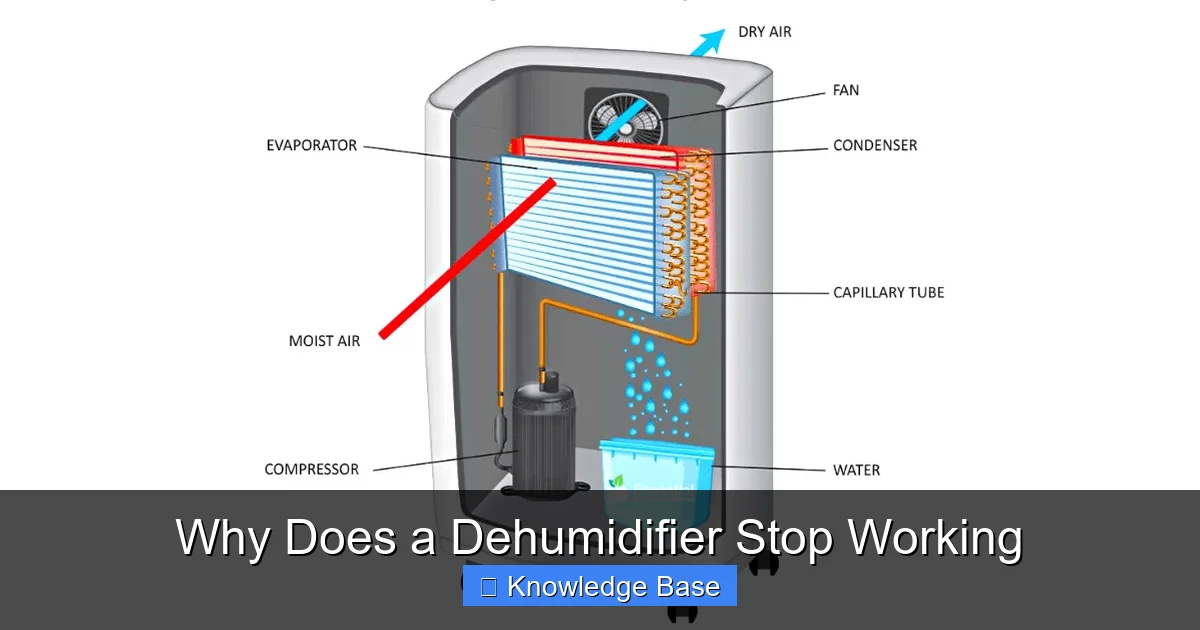
If your dehumidifier stops working in a cold basement or garage during winter, ice buildup on the coils could be the problem. Dehumidifiers work by pulling in humid air and passing it over cold coils, where moisture condenses and drips into the tank. But if the air temperature is too low, the coils can drop below freezing, causing moisture to freeze instead of drip.
This frost buildup insulates the coils, preventing them from cooling properly. The unit senses this and shuts down to avoid damage. You might notice the fan still running, but no dehumidification is happening.
This issue is especially common in unheated spaces like crawl spaces, garages, or basements during cold months. Most dehumidifiers are designed to work best between 65°F and 80°F (18°C to 27°C). Below 60°F (15°C), performance drops significantly.
To fix it, turn off the dehumidifier and let the ice melt naturally. Never use a hairdryer or other heat source, as this can damage the coils. Once thawed, move the unit to a warmer area if possible, or consider a model with an auto-defrost feature. These units detect frost and temporarily switch to a heating mode to melt ice before resuming normal operation.
3. Full Water Tank
Most dehumidifiers have a built-in safety feature: when the water tank is full, the unit automatically shuts off. This prevents water from spilling over and damaging your floors or the machine itself.
If your dehumidifier stops working and you notice the tank is full, this is likely the cause. It’s not broken—it’s doing its job.
However, sometimes the tank sensor gets stuck or the float switch (a small device that rises with the water level) gets jammed. This can cause the dehumidifier to stop even when the tank isn’t full.
To troubleshoot, remove the tank and check if it’s actually full. If it’s not, inspect the float switch. Gently move it up and down to see if it’s stuck. Clean any debris around it. Also, make sure the tank is properly seated—if it’s not aligned correctly, the sensor won’t reset.
For convenience, consider upgrading to a model with a continuous drainage option. You can attach a hose to the drain port and let water flow directly into a floor drain or sump pump, eliminating the need to empty the tank manually.
4. Power Supply Issues
Sometimes, the problem isn’t with the dehumidifier itself—it’s with the power source. If the unit won’t turn on at all, check the basics first.
Start by making sure the power cord is securely plugged into a working outlet. Try plugging in another device, like a lamp, to confirm the outlet has power. If the outlet is controlled by a wall switch, make sure it’s turned on.
Next, check your home’s circuit breaker. Dehumidifiers draw a significant amount of electricity, especially when starting up. If the circuit is overloaded, the breaker may have tripped. Reset it and try turning the dehumidifier back on.
Also, inspect the power cord for any visible damage, such as fraying or cuts. A damaged cord can prevent the unit from receiving power and poses a fire hazard. If you find damage, stop using the dehumidifier immediately and contact the manufacturer or a qualified technician.
5. Incorrect Humidity Settings
Modern dehumidifiers often come with a humidistat—a sensor that measures the current humidity level and compares it to your target setting. If the air is already drier than your set point, the unit will stop working, even if it seems like it should still be running.
For example, if you set the humidity to 45% and the current level is already 40%, the dehumidifier will shut off. This is normal and indicates the unit is functioning correctly.
To test this, use a separate hygrometer (a device that measures humidity) to check the actual moisture level in the room. If it’s lower than your setting, simply adjust the target higher. You can also set the dehumidifier to “continuous” mode, which keeps it running regardless of humidity levels—ideal for very damp areas or during heavy rain.
6. Mechanical Failure or Wear and Tear
Over time, even the best dehumidifiers can suffer from mechanical issues. Components like the compressor, fan motor, or control board can wear out, especially in older units or those used heavily.
A failing compressor may cause the unit to stop cooling the coils, meaning no moisture is removed. You might hear a clicking sound or notice the fan runs but the coils stay warm.
A broken fan motor can prevent air from circulating, leading to overheating and shutdown. If the fan doesn’t spin when you turn on the dehumidifier, this could be the issue.
These problems often require professional repair or replacement. However, regular maintenance—like cleaning the coils and checking for loose wires—can extend the life of your unit and prevent early failure.
How to Diagnose a Dehumidifier That Stopped Working
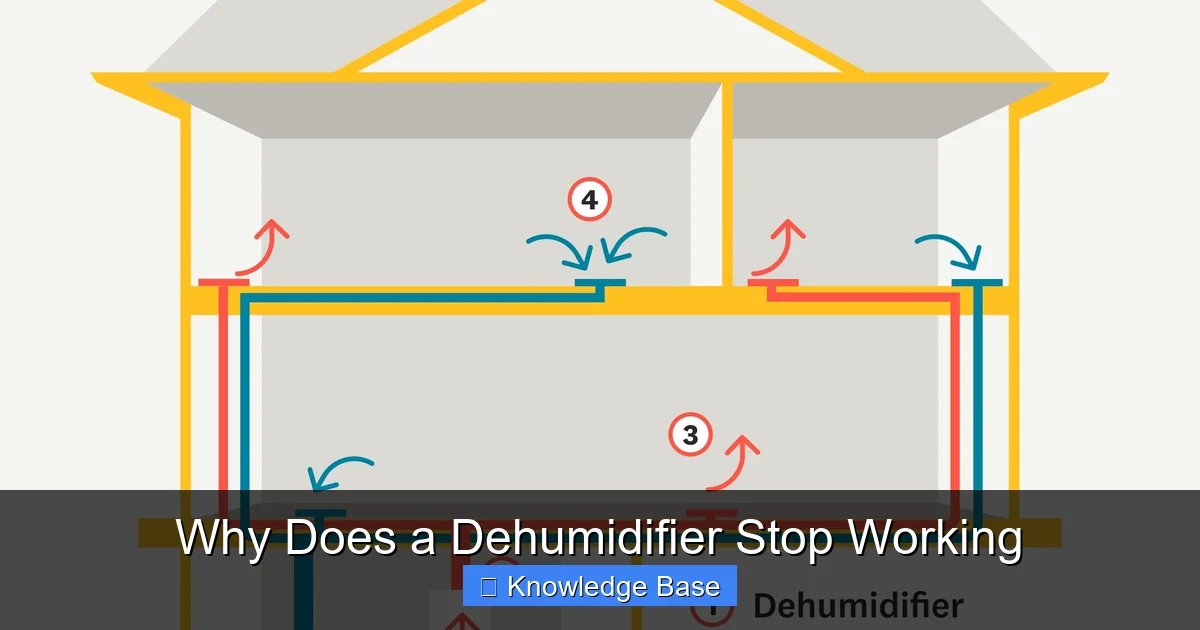
Visual guide about Why Does a Dehumidifier Stop Working
Image source: media.angi.com
When your dehumidifier stops working, don’t panic. Follow a simple step-by-step process to identify the problem.
Step 1: Check the Power Source
Start with the basics. Is the unit plugged in? Is the outlet working? Try a different outlet. Check the circuit breaker. If the dehumidifier still won’t turn on, move to the next step.
Step 2: Inspect the Water Tank
Remove the tank and see if it’s full. If it is, empty it and reinsert it properly. Check the float switch and sensor for debris or damage. If the tank isn’t full but the unit still won’t start, the sensor might be faulty.
Step 3: Examine the Air Filter
Locate the air filter (usually behind a front or side panel). Remove it and inspect for dirt or blockages. Clean or replace it if necessary. A clean filter ensures proper airflow and prevents overheating.
Step 4: Look for Ice on the Coils
If the dehumidifier was running in a cold area, check the coils for frost or ice. If you see ice, turn off the unit and let it thaw. Once melted, move it to a warmer location or use a model with auto-defrost.
Step 5: Test the Humidity Settings
Use a hygrometer to check the room’s humidity. Compare it to your dehumidifier’s setting. If the air is already dry, adjust the target or switch to continuous mode.
Step 6: Listen for Unusual Noises
Turn the unit on and listen. A humming sound with no fan movement could indicate a seized compressor. A grinding noise might mean a failing fan motor. These signs suggest mechanical failure.
Step 7: Consult the User Manual
Every dehumidifier is different. Your user manual will have specific troubleshooting steps, error codes, and maintenance schedules. Keep it handy for reference.
Preventative Maintenance to Keep Your Dehumidifier Running
The best way to avoid a dehumidifier that stops working is to maintain it regularly. A little effort goes a long way in preventing breakdowns and extending the unit’s life.
Clean the Air Filter Monthly
As mentioned earlier, the air filter is critical for airflow. Clean it every month, or more often if you have pets or live in a dusty area. A clean filter improves efficiency and prevents overheating.
Empty the Water Tank Regularly
Even if your dehumidifier has an auto-shutoff, it’s good practice to empty the tank every few days, especially during humid weather. This prevents overflow and keeps the sensor working properly.
Clean the Coils and Interior
Once a year, turn off and unplug the dehumidifier. Use a soft brush or vacuum to remove dust from the coils and interior. For stubborn grime, use a coil cleaner spray (available at hardware stores). Never use water directly on electrical components.
Check the Drain Hose (If Applicable)
If you’re using a continuous drain hose, inspect it for kinks, clogs, or leaks. A blocked hose can cause water to back up and trigger a shutdown.
Inspect the Power Cord and Plug
Look for signs of wear, such as fraying or cracking. Replace damaged cords immediately. Also, ensure the plug fits snugly in the outlet—loose connections can cause power interruptions.
Store Properly During Off-Seasons
If you only use your dehumidifier seasonally, store it in a dry, cool place. Clean it thoroughly before storing, and cover it to prevent dust buildup.
When to Call a Professional
While many dehumidifier issues can be fixed at home, some problems require expert help.
Persistent Electrical Issues
If the unit won’t turn on after checking the power source, and you’ve ruled out simple causes, there may be an internal electrical fault. This could involve the control board, wiring, or motor. Attempting to repair these components yourself can be dangerous and may void your warranty.
Compressor or Refrigerant Problems
If the dehumidifier runs but doesn’t remove moisture, the compressor or refrigerant system may be faulty. Recharging refrigerant or replacing the compressor should only be done by a certified technician.
Strange Smells or Smoke
If you notice a burning smell, smoke, or sparks, turn off the unit immediately and unplug it. These are signs of serious electrical or mechanical failure. Do not attempt to use it again until inspected by a professional.
Warranty Coverage
If your dehumidifier is still under warranty, contact the manufacturer before attempting any repairs. Unauthorized repairs can void the warranty. Many companies offer free troubleshooting support or will send a technician at no cost.
Choosing the Right Dehumidifier to Avoid Future Problems
Not all dehumidifiers are created equal. Choosing the right model for your space and needs can prevent many common issues.
Size Matters
A dehumidifier that’s too small for the room will run constantly, leading to wear and tear. One that’s too large may cycle on and off too frequently, reducing efficiency. Check the pint rating—this tells you how much moisture the unit can remove in 24 hours. Match it to your room size and humidity level.
Look for Auto-Defrost
If you plan to use the dehumidifier in a cold basement or garage, choose a model with auto-defrost. This feature prevents ice buildup and keeps the unit running smoothly in low temperatures.
Consider Continuous Drainage
For basements or areas with high humidity, a continuous drain option is a game-changer. It eliminates the need to empty the tank and reduces the risk of overflow.
Check for Energy Efficiency
Look for ENERGY STAR-certified models. They use less electricity and often come with better warranties and advanced features like digital controls and humidity sensors.
Read Reviews and Warranty Terms
Before buying, read customer reviews to see how reliable the model is. Also, check the warranty—longer coverage usually indicates better build quality.
Conclusion
A dehumidifier that stops working doesn’t always mean it’s broken. In most cases, the issue is something simple—like a dirty filter, full tank, or frozen coils—that you can fix yourself. By understanding the common causes and following a few maintenance steps, you can keep your dehumidifier running efficiently for years.
Regular cleaning, proper placement, and timely troubleshooting are key. And if you do encounter a problem you can’t solve, don’t hesitate to call a professional. Your dehumidifier plays a vital role in maintaining a healthy, comfortable home. Treat it well, and it will do the same for you.
Remember: a little prevention goes a long way. Keep your filters clean, your tank empty, and your coils frost-free. With these tips, you’ll never be left wondering why your dehumidifier stopped working again.
Frequently Asked Questions
Why does my dehumidifier stop working after a few minutes?
This is often due to a clogged filter or ice buildup on the coils. The unit overheats or freezes and shuts down as a safety measure. Clean the filter and check for frost on the coils.
Can a dehumidifier stop working because of low humidity?
Yes. If the air is already drier than your set humidity level, the dehumidifier will stop. Use a hygrometer to check the actual humidity and adjust the setting accordingly.
Is it normal for a dehumidifier to make noise when it stops?
Some noise is normal, like a click when the compressor turns off. But loud bangs, grinding, or continuous humming may indicate a mechanical problem and should be inspected.
How often should I clean my dehumidifier’s filter?
Clean the air filter at least once a month. In dusty environments or with pets, clean it every two weeks to maintain airflow and efficiency.
Can I use a dehumidifier in a cold basement?
Yes, but choose a model with auto-defrost. Standard units may freeze and stop working below 60°F (15°C). Auto-defrost models can operate in colder temperatures.
What should I do if my dehumidifier won’t turn on at all?
First, check the power source, outlet, and circuit breaker. Then inspect the water tank, filter, and power cord. If none of these solve the issue, it may be an internal electrical problem requiring professional repair.