
If your dehumidifier water has a rusty, brownish tint, it’s usually due to iron particles from internal components or airborne contaminants. While not always harmful, this discoloration can signal maintenance needs or water quality issues that deserve attention.
Key Takeaways
- Rusty water often comes from iron oxidation: Metal parts inside the dehumidifier, like coils or tanks, can corrode over time, releasing iron particles into the collected water.
- Airborne dust and minerals contribute: Dust, soil, and hard water minerals in the air can settle in the tank and mix with moisture, creating a rust-like appearance.
- It’s usually not a health hazard: The water is not safe to drink, but the rusty color alone doesn’t typically pose serious health risks unless mold or bacteria are also present.
- Regular cleaning prevents buildup: Cleaning the water tank, filter, and coils monthly helps reduce rust and mineral deposits.
- Use distilled water for top-ups: If your unit requires manual refilling, using distilled water minimizes mineral accumulation.
- Check for leaks or damage: Rusty water may indicate internal corrosion or wear, so inspect seals, tanks, and coils for damage.
- Consider a water treatment filter: Installing an inline filter or using a dehumidifier with a built-in filtration system can reduce contaminants.
📑 Table of Contents
Why Does Dehumidifier Water Look Rusty?
You’ve just emptied your dehumidifier’s water tank—only to find the liquid inside has a strange, rusty brown color. At first glance, it might look alarming. Is it dangerous? Is your machine broken? Should you be worried about your indoor air quality?
The short answer? Probably not. Rusty-looking water in your dehumidifier is more common than you think, and in most cases, it’s not a sign of immediate danger. But it *is* a signal that something in your system—or your environment—needs attention.
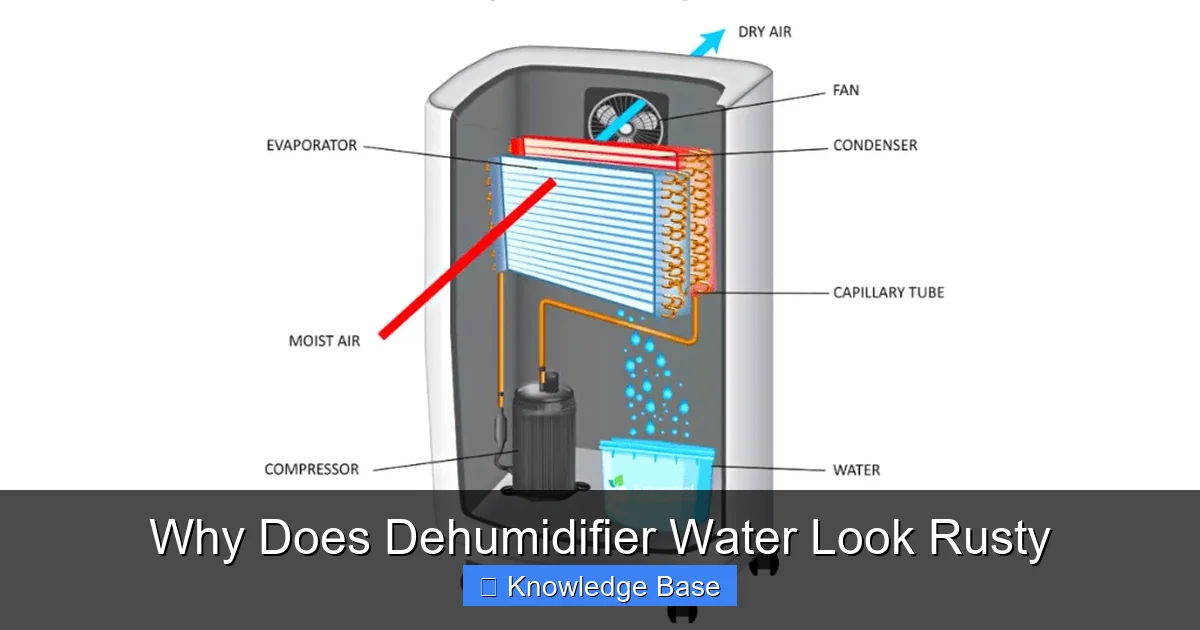
Dehumidifiers work by pulling moist air from your home, cooling it to condense the water vapor, and collecting that water in a reservoir. Along the way, they also capture dust, pollen, and other airborne particles. Over time, these contaminants, combined with the natural wear and tear of internal components, can lead to discolored water. The rusty hue is typically caused by iron oxidation, mineral buildup, or a combination of both.
Understanding why this happens is the first step toward keeping your dehumidifier running efficiently and your indoor air clean. In this guide, we’ll explore the common causes of rusty dehumidifier water, what it means for your health and appliance, and how you can prevent or fix the issue.
Common Causes of Rusty Water in Dehumidifiers
There’s no single reason why dehumidifier water turns rusty, but several factors often work together to create that unsettling brown tint. Let’s break down the most common culprits.
Iron Oxidation from Internal Components
One of the primary reasons for rusty water is the presence of iron in your dehumidifier’s internal parts. Many dehumidifiers use metal components—such as cooling coils, water tanks, or drain lines—that can corrode over time, especially in humid environments.
When these metal parts are exposed to moisture, they can begin to oxidize, a process commonly known as rusting. Tiny particles of iron oxide (rust) flake off and mix with the collected water, giving it a reddish-brown appearance. This is especially common in older units or those made with lower-grade metals.
For example, if your dehumidifier has a steel water tank instead of plastic, it’s more prone to rust. Even aluminum or coated components can degrade under constant moisture exposure, especially if the unit isn’t cleaned regularly.
Airborne Contaminants and Dust
Dehumidifiers don’t just remove moisture—they also act as air filters to some extent. As air passes through the unit, it picks up dust, dirt, pollen, and other particulates. These particles can settle in the water tank and, over time, contribute to discoloration.
In homes near construction sites, farms, or areas with high soil content, airborne iron-rich dust is more prevalent. This dust contains trace amounts of iron and other minerals that, when mixed with water, can create a rust-like hue.
Imagine your dehumidifier as a sponge for everything floating in your air. If your home has a lot of dust or if you live in a region with red soil (common in parts of the southern U.S.), that iron-rich dirt can easily end up in your water tank.
Hard Water and Mineral Buildup
If your home has hard water—water high in minerals like calcium, magnesium, and iron—those minerals can also end up in your dehumidifier. While the unit doesn’t use tap water directly, the moisture it collects from the air can contain dissolved minerals.
When this moisture condenses and collects in the tank, the minerals can precipitate out, forming a slimy or gritty residue. Iron, in particular, oxidizes easily in water, turning from a dissolved state into visible rust particles.
This is similar to how a kettle or coffee maker develops scale over time. The same mineral-rich water that affects your appliances can also impact your dehumidifier, especially if it’s running constantly in a humid basement or laundry room.
Poor Maintenance and Infrequent Cleaning
Neglecting regular maintenance is a major contributor to rusty water. If you don’t clean your dehumidifier’s water tank, filter, and coils on a regular basis, residue can build up and create an environment where rust and bacteria thrive.
For instance, leaving standing water in the tank for days or weeks allows minerals and metals to settle and react. Over time, this creates a sludge-like layer at the bottom that can turn brown or orange. Once this buildup occurs, even a thorough cleaning might not remove all traces—especially if the tank itself has started to corrode.
Think of it like a neglected fish tank: without regular cleaning, algae and waste accumulate, changing the water’s appearance and quality. The same principle applies to your dehumidifier.
Is Rusty Dehumidifier Water Dangerous?
Now that we know *why* the water looks rusty, the next big question is: *Should you be concerned?*
The good news is that rusty water from a dehumidifier is generally not a direct health hazard—especially if it’s just discolored and not slimy or foul-smelling. However, there are a few important caveats.
Health Risks: Low but Not Zero
Iron oxide (rust) itself is not toxic in small amounts. In fact, iron is an essential mineral for the human body. However, the water in your dehumidifier is not meant for consumption, and drinking it—even accidentally—can cause stomach upset due to bacteria or other contaminants.
More importantly, rusty water can be a sign of poor hygiene in the unit. If the tank isn’t cleaned regularly, bacteria, mold, or mildew can grow in the stagnant water. These microorganisms pose a greater health risk than rust alone, especially for people with allergies, asthma, or weakened immune systems.
For example, if you notice a musty smell along with the rusty water, that’s a red flag. It could indicate mold growth inside the tank or on the coils, which can be released back into your home’s air when the unit runs.
Impact on Appliance Performance
Beyond health concerns, rusty water can affect how well your dehumidifier works. Corrosion inside the tank or on the coils can reduce efficiency, cause leaks, or even lead to mechanical failure over time.
Rust particles can also clog drainage systems or damage pumps in units with automatic drainage. In severe cases, the tank itself may develop holes or cracks, requiring replacement.
Additionally, mineral buildup can insulate the cooling coils, making it harder for the unit to extract moisture from the air. This means your dehumidifier has to work harder, using more energy and potentially shortening its lifespan.
So while the rusty water may not be dangerous to your health, it can definitely harm your appliance—and your wallet—if left unaddressed.
How to Prevent Rusty Water in Your Dehumidifier
The best way to deal with rusty dehumidifier water is to stop it from happening in the first place. Fortunately, there are several simple, effective steps you can take to keep your unit clean and your water clear.
Clean the Water Tank Weekly
Make it a habit to empty and clean the water tank at least once a week—more often if you use the dehumidifier daily. Use warm water and a mild detergent or a mixture of vinegar and water to scrub the inside of the tank.
Vinegar is especially effective because it dissolves mineral deposits and kills mold and bacteria. Let the solution sit for 15–20 minutes, then rinse thoroughly. Avoid using harsh chemicals or abrasive scrubbers, as they can damage the tank and create scratches where bacteria can hide.
For example, if you notice a brown film at the bottom of the tank, a vinegar soak can usually dissolve it. Just be sure to rinse well to avoid leaving a vinegar smell that could affect air quality.
Replace or Clean the Air Filter Monthly
The air filter in your dehumidifier traps dust and particles before they enter the unit. If it’s clogged or dirty, more contaminants can reach the water tank, increasing the chance of rust and discoloration.
Check your filter every month and clean or replace it as needed. Most filters are washable—just rinse them under warm water and let them dry completely before reinstalling. If the filter is damaged or too dirty to clean, replace it with a new one.
A clean filter not only reduces rust but also improves air quality and helps the dehumidifier run more efficiently.
Inspect and Clean the Coils
The evaporator and condenser coils are where moisture condenses from the air. Over time, these coils can collect dust, mold, and mineral deposits, which can flake off into the water.
Use a soft brush or a vacuum with a brush attachment to gently clean the coils. For stubborn buildup, you can use a coil cleaner spray (available at hardware stores). Be careful not to bend the delicate fins on the coils.
Cleaning the coils improves heat exchange, which helps the dehumidifier remove moisture more effectively—and reduces the chance of rust particles entering the water.
Use a Dehumidifier with a Rust-Resistant Tank
If you’re in the market for a new dehumidifier, consider one with a plastic or coated metal tank instead of bare steel. Plastic tanks are less prone to rust and easier to clean.
Some high-end models also feature antimicrobial coatings or built-in UV lights to inhibit mold and bacteria growth. These features can significantly reduce the risk of rusty water and improve overall air quality.
Install an Inline Water Filter
For units with continuous drainage, you can install an inline filter on the drain hose. These filters trap sediment, minerals, and rust particles before they enter the drainage system.
While this won’t prevent rust inside the tank, it can help keep your drainage lines clear and reduce the amount of discolored water you see.
What to Do If You Already Have Rusty Water
If your dehumidifier is already producing rusty water, don’t panic. With a few targeted steps, you can usually restore it to good working condition.
Deep Clean the Entire Unit
Start by unplugging the dehumidifier and removing the water tank. Empty any remaining water and dispose of it safely—do not drink it.
Next, clean the tank thoroughly with vinegar or a mild bleach solution (1 tablespoon of bleach per gallon of water). Scrub all surfaces, including corners and crevices, where residue can hide.
Then, clean the air filter and coils as described above. If the coils are heavily corroded, you may need to consult a technician or consider replacing the unit.
Run a Vinegar Flush
After cleaning, fill the tank with a mixture of equal parts water and white vinegar. Let it sit for 30 minutes, then run the dehumidifier for 15–20 minutes with the vinegar solution inside. This helps dissolve any remaining mineral buildup and disinfect the system.
Afterward, empty the tank, rinse it thoroughly, and let it dry completely before reassembling.
Monitor for Recurrence
Once you’ve cleaned the unit, keep an eye on the water over the next few weeks. If the rusty color returns quickly, it may indicate a more serious issue—such as internal corrosion or a damaged component.
In that case, it might be time to replace the tank or the entire unit, especially if it’s more than 5–7 years old.
When to Replace Your Dehumidifier
Even with the best care, dehumidifiers don’t last forever. If you’re dealing with persistent rusty water, frequent breakdowns, or rising energy bills, it might be time to upgrade.
Signs It’s Time for a New Unit
- The water tank is cracked, leaking, or heavily corroded
- The coils are visibly rusted or damaged
- The unit struggles to remove moisture, even after cleaning
- You notice a strong musty odor that won’t go away
- The dehumidifier is more than 7–10 years old
Modern dehumidifiers are more energy-efficient, quieter, and often come with features like auto-humidity control, washable filters, and rust-resistant tanks. Investing in a new model can save you money on electricity and reduce maintenance headaches.
Final Thoughts
Rusty water in your dehumidifier might look concerning, but it’s usually a manageable issue with the right knowledge and maintenance. By understanding the causes—iron oxidation, airborne contaminants, hard water, and poor cleaning habits—you can take proactive steps to keep your unit running smoothly.
Regular cleaning, filter changes, and inspections are your best defenses against rust and discoloration. And if the problem persists, don’t hesitate to consult a professional or consider upgrading to a newer, more efficient model.
Remember, your dehumidifier plays a vital role in maintaining healthy indoor air and protecting your home from mold and mildew. Taking care of it isn’t just about avoiding rusty water—it’s about creating a safer, more comfortable living environment for you and your family.
Frequently Asked Questions
Is it safe to drink dehumidifier water?
No, dehumidifier water is not safe to drink. Even if it looks clear, it can contain bacteria, mold, dust, and chemicals from the air. Always treat it as non-potable.
Can rusty water damage my dehumidifier?
Yes, over time, rust and mineral buildup can corrode internal parts, reduce efficiency, and cause leaks or mechanical failure. Regular maintenance helps prevent this.
How often should I clean my dehumidifier?
Clean the water tank weekly, the air filter monthly, and the coils every 3–6 months. Increase frequency if you use the unit daily or live in a very humid area.
Will vinegar really remove rust from the tank?
Yes, white vinegar is effective at dissolving rust and mineral deposits. Soak the tank for 15–30 minutes, then scrub and rinse thoroughly.
Can I use dehumidifier water for plants?
It’s not recommended. The water may contain contaminants, minerals, or bacteria that could harm plants. Use distilled or rainwater instead.
Why is my dehumidifier water black instead of rusty?
Black water usually indicates mold or mildew growth inside the tank or unit. This requires a deep clean with bleach or a disinfectant and improved ventilation.