

Dehumidifiers ice up when cold coils drop below freezing, causing moisture to freeze instead of drain. This often happens in low temperatures, poor airflow, or due to refrigerant issues. Understanding the root causes helps prevent damage and maintain optimal performance.
Have you ever walked into your basement or laundry room, turned on your dehumidifier, and found it covered in a layer of frost or ice? It’s not just alarming—it’s a sign that something’s not quite right. You might wonder, “Why does dehumidifiers ice up?” It’s a common issue, especially during colder months or in poorly insulated spaces, but it’s also one that’s often preventable with the right knowledge and care.
Dehumidifiers work by pulling moist air from the room, cooling it over cold coils to condense the water vapor, and then reheating the air before releasing it back into the space. This process relies on a delicate balance of temperature, airflow, and refrigerant levels. When any part of this system is disrupted—whether by cold surroundings, dirty components, or mechanical faults—the coils can drop below freezing. Instead of dripping water into the collection tank, moisture turns to ice, building up layer by layer. Over time, this ice blocks airflow, reduces efficiency, and can even damage the unit if left unchecked.
Understanding why this happens is the first step toward fixing it. While it might seem like a minor inconvenience at first, ice buildup is more than just a nuisance. It signals that your dehumidifier is working harder than it should, which can lead to higher energy bills, shortened lifespan, and even complete system failure. The good news? Most causes of dehumidifier icing are easy to identify and correct. In this guide, we’ll walk you through the most common reasons your dehumidifier is freezing up, how to diagnose the problem, and what you can do to prevent it from happening again.
Key Takeaways
- Low ambient temperatures: Dehumidifiers ice up when room temperatures fall below 65°F (18°C), especially in basements or garages during winter.
- Dirty air filters and coils: Clogged filters restrict airflow, causing coils to get too cold and freeze.
- Refrigerant leaks or low levels: Insufficient refrigerant reduces heat exchange, leading to excessively cold coils and ice buildup.
- Faulty defrost sensors or controls: Malfunctioning sensors fail to trigger defrost cycles, allowing ice to accumulate unchecked.
- Overuse in unsuitable environments: Running a standard dehumidifier in very cold spaces without cold-weather models increases icing risk.
- Blocked vents or poor ventilation: Restricted airflow around the unit prevents proper heat dissipation, contributing to coil freezing.
- Regular maintenance prevents icing: Cleaning filters, checking coils, and ensuring proper placement can stop most freezing issues before they start.
📑 Table of Contents
How Dehumidifiers Work: The Science Behind Moisture Removal
To truly understand why dehumidifiers ice up, it helps to know how they function in the first place. At their core, most residential dehumidifiers use a refrigeration cycle—similar to an air conditioner or refrigerator—to remove moisture from the air. Here’s a simplified breakdown of the process:
First, a fan draws humid indoor air into the unit through an intake vent. This air passes over a set of cold evaporator coils, which are cooled by a refrigerant circulating inside them. As the warm, moist air hits these cold surfaces, the water vapor condenses into liquid droplets—just like how dew forms on a cold drink can. These droplets collect and drip into a built-in water tank or are drained away via a hose.
Next, the now-dry air moves over a second set of coils—the condenser coils—which are warm. This reheats the air slightly before it’s blown back into the room. The refrigerant, having absorbed heat from the incoming air, travels to a compressor, gets pressurized, releases heat through the condenser, and then expands again to cool down, restarting the cycle.
This entire process depends on maintaining the right temperature differential between the evaporator and condenser coils. When conditions change—like a drop in room temperature or reduced airflow—the evaporator coils can become too cold. If they dip below 32°F (0°C), any moisture hitting them will freeze instead of condensing. That’s when you start seeing ice form.
It’s important to note that some modern dehumidifiers come with automatic defrost features designed to detect ice buildup and temporarily stop cooling to allow the ice to melt. However, these systems aren’t foolproof. If the underlying cause of the freezing isn’t addressed, the defrost cycle may not be enough to prevent recurring problems.
Common Causes of Dehumidifier Ice Buildup

Visual guide about Why Does Dehumidifiers Ice Up
Image source: preair.com
Now that you know how dehumidifiers operate, let’s dive into the most frequent culprits behind ice formation. While each situation is unique, several recurring issues account for the majority of icing problems.
Low Ambient Temperatures
One of the top reasons dehumidifiers ice up is simply that they’re operating in an environment that’s too cold. Most standard dehumidifiers are designed to work efficiently in temperatures between 65°F and 80°F (18°C to 27°C). When the room temperature drops below this range—especially under 55°F (13°C)—the evaporator coils can cool down too much, causing moisture to freeze on contact.
This is especially common in basements, crawl spaces, garages, or unheated utility rooms during fall and winter. Even if the space feels “cool” to you, it might still be cold enough to trigger icing. For example, a basement that stays around 50°F (10°C) in winter may seem dry, but that’s precisely the kind of environment where dehumidifier coils can freeze.
If you’re using a standard dehumidifier in such conditions, consider switching to a cold-weather or low-temperature model. These units are specifically engineered with enhanced defrost systems and refrigerants that perform better in chilly environments. Alternatively, relocating the dehumidifier to a warmer part of your home—like a finished basement or utility closet—can solve the problem without buying new equipment.
Dirty or Clogged Air Filters
Your dehumidifier’s air filter plays a crucial role in maintaining proper airflow. Its job is to trap dust, pet dander, and other airborne particles before they enter the internal components. Over time, however, this filter can become clogged with debris, especially in homes with pets, smokers, or high dust levels.
When the filter is dirty, less air can pass through the unit. This reduced airflow means the evaporator coils don’t get enough warm air to balance their cooling effect. As a result, the coils grow colder than intended, increasing the risk of freezing.
Imagine trying to blow through a straw that’s half-blocked—it takes more effort and doesn’t move as much air. The same principle applies here. A clogged filter forces the fan to work harder while delivering less air over the coils, creating ideal conditions for ice formation.
The fix is simple: check and clean your air filter regularly—ideally once a month during heavy use seasons. Most filters are washable; just rinse them under warm water, let them dry completely, and reinstall. If the filter is damaged or excessively worn, replace it with a compatible model. This small maintenance task can prevent a host of problems, including icing, reduced efficiency, and motor strain.
Frozen or Dirty Evaporator Coils
Even if your filter is clean, the evaporator coils themselves can accumulate dirt, dust, or mold over time. Unlike the filter, which catches large particles, finer debris can still reach the coils and stick to their surfaces. This buildup acts as an insulator, reducing heat transfer and making the coils colder than they should be.
Additionally, if ice has already formed and melted repeatedly, residue from hard water or minerals in the condensed moisture can leave behind deposits on the coils. These deposits further hinder performance and promote future freezing.
Inspecting your coils isn’t always easy—they’re usually tucked inside the unit behind panels—but it’s worth doing during routine maintenance. Use a soft brush or vacuum with a brush attachment to gently remove surface dirt. For stubborn grime, a coil cleaner spray (available at hardware stores) can help dissolve buildup without damaging the delicate fins.
Never use sharp tools or excessive force, as bending the fins can restrict airflow even more. If you’re uncomfortable accessing internal components, consider hiring a technician for a professional cleaning once a year.
Refrigerant Issues
Refrigerant is the lifeblood of your dehumidifier’s cooling system. It absorbs heat from the air as it evaporates and releases it when compressed. If the refrigerant level is too low—due to a leak or improper charging during manufacturing—the system can’t maintain proper pressure and temperature balance.
Low refrigerant causes the evaporator coils to become excessively cold because there’s not enough fluid to absorb heat efficiently. This super-cools the coils, leading to rapid ice formation even in moderately cool rooms.
Refrigerant leaks are serious and typically require professional repair. Signs include reduced moisture removal, hissing sounds near the unit, or oily residue around connections. Never attempt to recharge refrigerant yourself unless you’re certified—handling refrigerants requires special training and equipment due to environmental and safety regulations.
If you suspect a refrigerant issue, turn off the dehumidifier and contact a qualified HVAC technician. They can locate leaks, repair them, and recharge the system to manufacturer specifications.
Faulty Defrost Mechanism
Many modern dehumidifiers include an automatic defrost feature that detects ice buildup and temporarily halts the cooling cycle to let the ice melt. This is usually controlled by a thermostat or electronic sensor mounted near the evaporator coils.
However, if this sensor fails or becomes misaligned, it may not trigger the defrost cycle when needed. As a result, ice continues to accumulate unchecked, eventually blocking airflow and shutting down the unit.
Similarly, mechanical timers or control boards can malfunction, preventing the defrost mode from activating. In some cases, the defrost heater itself may burn out, leaving the system unable to melt existing ice.
Diagnosing defrost issues often requires testing electrical components with a multimeter—a job best left to professionals. But you can look for clues: if your dehumidifier runs continuously without pausing, or if ice forms but never melts during operation, the defrost system may be at fault.
Blocked Vents or Poor Placement
Where you place your dehumidifier matters more than you might think. If the intake or exhaust vents are blocked by furniture, walls, or curtains, airflow is restricted. This prevents warm air from reaching the coils and limits the unit’s ability to expel dry air back into the room.
Poor ventilation around the unit also traps cold air near the coils, lowering their operating temperature. For example, placing a dehumidifier in a tight corner or inside a closet without adequate clearance can create a microclimate that promotes icing.
Always ensure at least 6–12 inches of clearance around all sides of the unit. Keep vents unobstructed, and avoid running the dehumidifier in enclosed spaces unless they’re well-ventilated. If you must use it in a small area, consider using a fan to improve air circulation.
How to Diagnose and Fix a Frozen Dehumidifier
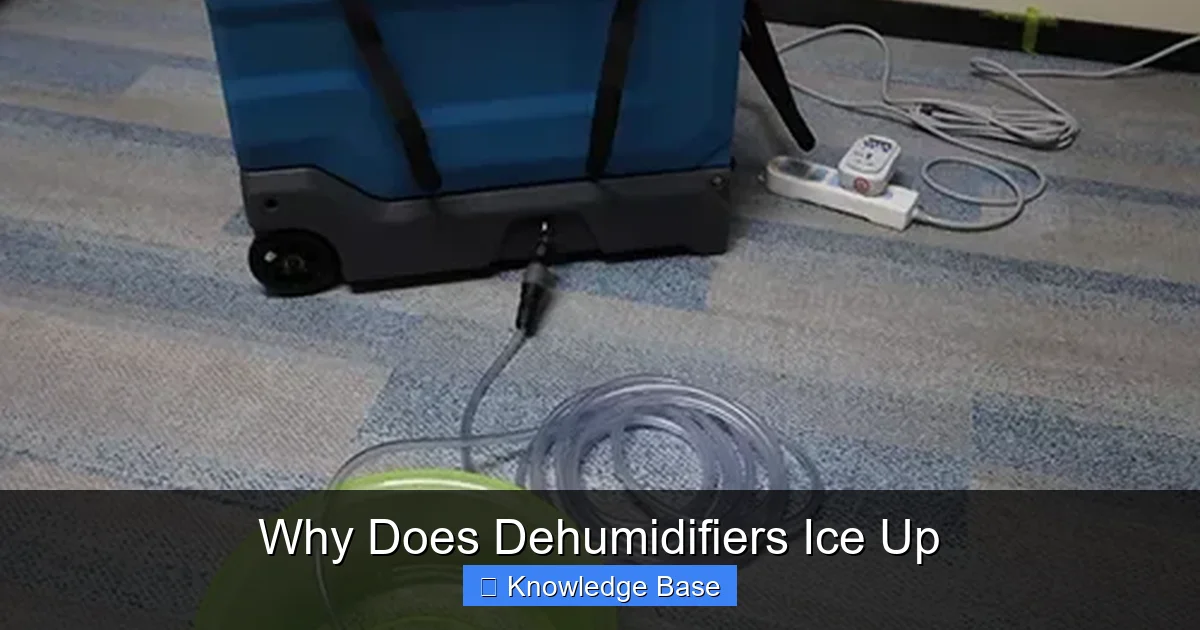
Visual guide about Why Does Dehumidifiers Ice Up
Image source: rnrorwxhqijjlk5q.ldycdn.com
If you discover ice on your dehumidifier, don’t panic—there are steps you can take to diagnose and resolve the issue safely.
Step 1: Turn Off and Unplug the Unit
Safety first. Always disconnect the dehumidifier from power before inspecting or handling it. This prevents electrical shock and protects the internal components from damage during troubleshooting.
Step 2: Let the Ice Melt Naturally
Do not chip or scrape off the ice—this can damage the coils. Instead, move the unit to a warm area (if possible) or let it sit unplugged for several hours until the ice melts completely. You can speed up the process by placing a fan nearby to circulate warm air.
Step 3: Inspect the Air Filter
Once the ice is gone, check the air filter. If it’s dirty, clean or replace it. This alone resolves many icing cases.
Step 4: Check Coil Condition and Placement
Look for visible dirt on the coils and ensure the unit has proper clearance. Clean the coils if needed and reposition the dehumidifier if it’s too close to walls or furniture.
Step 5: Test in a Warmer Environment
If you suspect low ambient temperature is the cause, try running the dehumidifier in a warmer room for a few hours. If it operates normally without icing, you’ve confirmed the issue.
Step 6: Monitor for Recurrence
After addressing potential causes, plug the unit back in and observe its performance. If ice returns quickly, the problem may be more serious—like a refrigerant leak or faulty sensor—and professional help may be needed.
Preventive Maintenance Tips to Avoid Future Icing
An ounce of prevention is worth a pound of cure—especially when it comes to dehumidifiers. Regular maintenance not only prevents icing but also extends the life of your unit and improves indoor air quality.
Clean the Filter Monthly
Make filter cleaning part of your monthly routine. Set a calendar reminder if needed. A clean filter ensures optimal airflow and reduces strain on the system.
Inspect Coils Quarterly
Every three months, open the unit (if accessible) and inspect the evaporator and condenser coils. Lightly brush away any dust or debris.
Keep the Area Around the Unit Clear
Avoid stacking boxes, laundry, or other items near the dehumidifier. Maintain at least a foot of open space on all sides.
Use a Hygrometer to Monitor Humidity
A hygrometer measures relative humidity and helps you determine when to run the dehumidifier. Aim for 30–50% humidity. Running the unit only when needed reduces wear and tear.
Consider a Cold-Weather Model for Unheated Spaces
If you frequently use your dehumidifier in a garage or unfinished basement, invest in a low-temperature model designed for such environments.
Schedule Annual Professional Servicing
Even with diligent home care, a yearly check-up by a technician can catch hidden issues like refrigerant leaks or electrical faults before they cause major problems.
When to Call a Professional
While many icing issues can be resolved with basic troubleshooting, some problems require expert intervention. Contact a qualified HVAC technician if:
– The dehumidifier continues to ice up after cleaning filters and coils.
– You hear unusual noises (hissing, clicking, or grinding) during operation.
– There’s visible oil or residue around refrigerant lines.
– The unit fails to start or shuts off unexpectedly.
– You suspect a refrigerant leak or electrical fault.
Attempting DIY repairs on sealed refrigerant systems can be dangerous and may void your warranty. Always prioritize safety and consult a professional when in doubt.
Conclusion
So, why does dehumidifiers ice up? The answer lies in a combination of environmental conditions, maintenance habits, and mechanical performance. From cold rooms and dirty filters to refrigerant leaks and faulty sensors, the causes are varied—but almost always manageable with the right approach.
The key is staying proactive. Regular cleaning, proper placement, and awareness of your unit’s operating environment go a long way in preventing ice buildup. And when problems do arise, quick diagnosis and action can save you from costly repairs or premature replacement.
Remember, your dehumidifier is an investment in your home’s comfort and health. By understanding how it works and what keeps it running smoothly, you’ll enjoy drier air, lower energy bills, and peace of mind—all without the frustration of a frozen machine.
Frequently Asked Questions
Why does my dehumidifier freeze up in winter?
Dehumidifiers ice up in winter because room temperatures often drop below 65°F (18°C), causing evaporator coils to get too cold. Moisture then freezes instead of condensing, especially in basements or garages.
Can I use my dehumidifier in a cold basement?
Yes, but only if it’s a cold-weather or low-temperature model designed for such environments. Standard units may ice up and malfunction in temperatures below 60°F (15°C).
How often should I clean my dehumidifier’s filter?
Clean the air filter at least once a month during heavy use seasons. In dusty homes or with pets, check it every two weeks to maintain proper airflow.
Is it safe to chip ice off my dehumidifier coils?
No, never chip or scrape ice off the coils. This can damage delicate fins and reduce efficiency. Always let ice melt naturally after unplugging the unit.
Will a frozen dehumidifier still remove moisture?
No, once ice blocks the coils, airflow stops and moisture removal drops significantly. The unit may run but won’t dehumidify effectively until the ice melts.
Can a dehumidifier recover after icing up?
Yes, most units recover fully once the ice melts and the underlying cause is fixed. Regular maintenance helps prevent future icing and restores normal operation.