
Iowa’s high humidity and frequent rainfall create the perfect storm for damp, musty basements. Without proper moisture control, homes face mold growth, structural damage, and poor indoor air quality—making dehumidifiers not just helpful, but essential for basement health and home safety.
Key Takeaways
- High Humidity Levels: Iowa experiences consistently high humidity, especially in summer, leading to moisture buildup in enclosed spaces like basements.
- Frequent Rainfall and Flooding: With over 35 inches of annual rainfall and spring thaws, Iowa basements are prone to water intrusion and dampness.
- Mold and Mildew Growth: Damp basements provide ideal conditions for mold, which can trigger allergies and respiratory issues.
- Structural Damage Risk: Excess moisture weakens concrete, corrodes metal, and warps wood, compromising your home’s foundation over time.
- Poor Indoor Air Quality: Moisture in basements can rise into living areas, spreading musty odors and airborne contaminants throughout the home.
- Energy Efficiency and Comfort: Dehumidifiers reduce humidity, making your home feel cooler and reducing the load on air conditioners.
- Protecting Belongings: Stored items like clothes, books, and electronics are vulnerable to moisture damage without proper humidity control.
📑 Table of Contents
- Why Does Iowa Need Dehumidifiers in Basement?
- Understanding Iowa’s Climate and Its Impact on Basements
- The Hidden Dangers of Excess Basement Moisture
- How Dehumidifiers Work to Protect Your Home
- Health and Safety Benefits of Using a Dehumidifier
- Protecting Your Home’s Structure and Belongings
- Energy Efficiency and Cost Savings
- Tips for Maintaining a Dry Basement in Iowa
- Conclusion
Why Does Iowa Need Dehumidifiers in Basement?
If you live in Iowa, you’re no stranger to humidity. Summers are hot and sticky, springs are wet, and even winters can bring unexpected moisture through snowmelt and condensation. While the state’s lush landscapes and fertile soil are a blessing for agriculture, they also create a challenging environment for homeowners—especially when it comes to basement moisture.
Basements in Iowa are particularly vulnerable to dampness. Whether you use your basement for storage, laundry, or as a finished living space, excess humidity can quickly turn it into a breeding ground for mold, musty smells, and structural problems. That’s where dehumidifiers come in. These simple yet powerful appliances are essential tools for maintaining a healthy, dry, and usable basement in Iowa’s unique climate.
In this article, we’ll explore why dehumidifiers are not just a luxury but a necessity for Iowa homeowners. From understanding the state’s climate to recognizing the signs of moisture damage, we’ll cover everything you need to know to protect your home and your family.
Understanding Iowa’s Climate and Its Impact on Basements
Visual guide about Why Does Iowa Need Dehumidifiers in Basement
Image source: m.media-amazon.com
Iowa’s climate plays a major role in basement moisture issues. The state falls within the humid continental zone, characterized by hot, humid summers and cold winters. This combination creates ideal conditions for moisture accumulation, especially in below-grade spaces like basements.
During the summer months, humidity levels in Iowa often exceed 70%, sometimes reaching 80% or higher. Warm air holds more moisture, and when that humid air enters a cool basement—either through cracks, windows, or ventilation—it cools down rapidly. As the air cools, its ability to hold moisture decreases, leading to condensation on walls, floors, and stored items. This process, known as the dew point effect, is a common cause of dampness in Iowa basements.
Spring and fall bring another challenge: rainfall. Iowa averages over 35 inches of rain annually, with heavy downpours common during thunderstorms. Combined with snowmelt in early spring, this can lead to groundwater rising and seeping into basements through foundation cracks or poorly sealed walls. Even if your basement hasn’t flooded, this constant exposure to moisture creates a damp environment that’s hard to escape.
Winter isn’t much better. Cold outdoor air meets warm indoor air in the basement, creating condensation on cold surfaces like concrete walls and metal pipes. This “sweating” effect can leave puddles on the floor and promote mold growth in hidden corners.
All of these factors mean that basements in Iowa are almost always at risk of high humidity. Without intervention, this moisture can lead to a host of problems—from unpleasant odors to serious health and structural concerns.
How Humidity Enters Iowa Basements
Moisture finds its way into basements through several pathways:
– **Air Infiltration:** Humid outdoor air seeps through cracks, gaps around windows, and unsealed doors.
– **Groundwater Seepage:** Water from rain or melting snow can penetrate foundation walls, especially if drainage is poor.
– **Condensation:** Cold surfaces in the basement attract moisture from warm, humid air, leading to water droplets.
– **Capillary Action:** Water can wick up through concrete walls and floors, a process known as “rising damp.”
Even if your basement looks dry, these invisible sources of moisture can keep humidity levels high. That’s why simply opening a window or using a fan isn’t enough—dehumidifiers are designed to actively remove moisture from the air and maintain a healthy balance.
The Hidden Dangers of Excess Basement Moisture

Visual guide about Why Does Iowa Need Dehumidifiers in Basement
Image source: brothers-equipment.com
At first glance, a damp basement might seem like a minor inconvenience. But the truth is, excess moisture can lead to serious and costly problems over time. Ignoring high humidity can compromise your home’s integrity, your family’s health, and even the value of your property.
One of the most immediate concerns is mold and mildew. These fungi thrive in dark, damp environments—exactly what many Iowa basements become during humid months. Mold spores can grow on walls, insulation, carpeting, and stored items within 24 to 48 hours of moisture exposure. Once established, mold is difficult to remove and can spread quickly.
But mold isn’t just unsightly—it’s a health hazard. Exposure to mold spores can trigger allergic reactions, asthma attacks, and respiratory infections, especially in children, the elderly, and individuals with weakened immune systems. Musty odors are often the first sign of mold, but by the time you smell it, the problem may already be widespread.
Beyond health risks, moisture can damage your home’s structure. Concrete absorbs water over time, leading to cracking, spalling, and deterioration. Metal components like support beams, ductwork, and electrical conduits can rust and corrode. Wooden framing and flooring may warp, rot, or attract pests like termites and carpenter ants.
Even your belongings aren’t safe. Clothes, books, photos, and electronics stored in a damp basement are at risk of water damage, warping, or mold growth. Imagine opening a box of old family photos only to find them ruined by mildew—preventable with proper humidity control.
Signs Your Basement Needs a Dehumidifier
How do you know if your basement has a moisture problem? Look for these common signs:
– A persistent musty or earthy smell
– Visible mold or mildew on walls, ceilings, or stored items
– Condensation on windows, pipes, or concrete surfaces
– Damp or wet spots on the floor or walls
– Peeling paint or wallpaper
– Rust on metal fixtures or appliances
– Increased dust mite activity (common in humid environments)
If you notice any of these signs, it’s time to take action. A dehumidifier can help reverse the damage and prevent future issues.
How Dehumidifiers Work to Protect Your Home
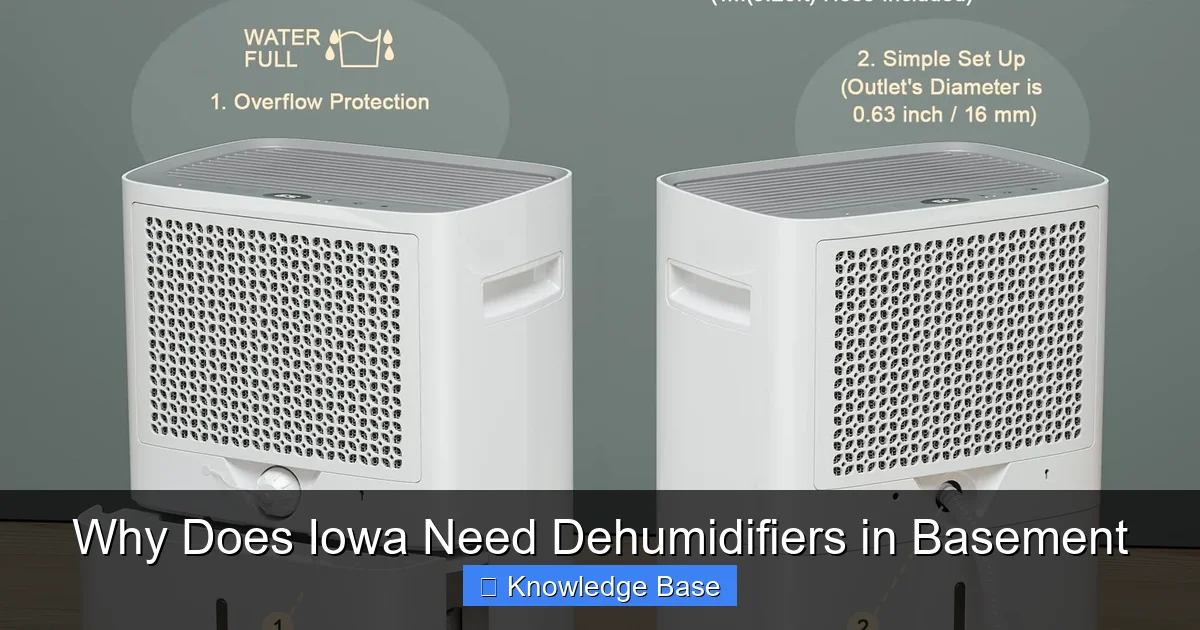
Dehumidifiers are appliances designed to reduce and maintain the level of humidity in the air. They work by drawing in moist air, removing the moisture, and releasing drier air back into the room. While there are different types of dehumidifiers, most residential models use a refrigeration-based system.
Here’s how it works: A fan pulls humid basement air into the unit. The air passes over cold coils, causing moisture to condense into water droplets. These droplets collect in a removable bucket or drain directly out through a hose. The now-dry air is then reheated slightly and blown back into the basement.
This continuous cycle lowers the overall humidity level, creating an environment where mold, mildew, and dust mites cannot thrive. Most dehumidifiers allow you to set a target humidity level—ideally between 30% and 50% for basements. Once the desired level is reached, the unit automatically cycles on and off to maintain it.
Modern dehumidifiers come with helpful features like built-in hygrometers (humidity sensors), auto-defrost (for cold basements), and continuous drainage options. Some even connect to smart home systems, allowing you to monitor and control humidity remotely.
Choosing the Right Dehumidifier for Your Iowa Basement
Not all dehumidifiers are created equal. When selecting one for your basement, consider the following factors:
– **Capacity:** Measured in pints per day, this indicates how much moisture the unit can remove. For a typical Iowa basement (500–1,000 sq. ft.), a 30–50 pint model is usually sufficient. Larger or damper basements may need 70+ pint units.
– **Energy Efficiency:** Look for ENERGY STAR-certified models, which use less electricity and save you money over time.
– **Drainage Options:** Units with built-in pumps or continuous drain hoses are ideal for basements without easy access to a sink or floor drain.
– **Noise Level:** If your basement is used as a living space, choose a quieter model (under 50 decibels).
– **Durability:** Since basements can be dusty, opt for models with washable filters and sturdy construction.
Popular brands like Frigidaire, hOmeLabs, and GE offer reliable options tailored to basement use. Reading customer reviews and checking warranty terms can also help you make an informed decision.
Health and Safety Benefits of Using a Dehumidifier
One of the most compelling reasons to use a dehumidifier in your Iowa basement is the positive impact on your family’s health. High humidity doesn’t just feel uncomfortable—it creates an environment where allergens and irritants thrive.
Dust mites, for example, are microscopic pests that feed on dead skin cells and flourish in humid conditions. They’re a common trigger for asthma and allergies, and their droppings can worsen respiratory symptoms. By keeping humidity below 50%, dehumidifiers make it difficult for dust mites to survive.
Mold is another major concern. As mentioned earlier, mold spores can become airborne and spread throughout your home via HVAC systems. Inhaling these spores can lead to coughing, wheezing, nasal congestion, and skin irritation. In severe cases, prolonged exposure has been linked to chronic respiratory conditions.
Using a dehumidifier reduces these risks by maintaining a dry, inhospitable environment for mold and dust mites. This is especially important if your basement is connected to your home’s heating and cooling system, as air circulates between levels.
Beyond health, dehumidifiers improve overall comfort. High humidity makes the air feel heavier and stickier, even if the temperature is cool. By removing excess moisture, your basement will feel fresher and more pleasant—whether you’re doing laundry, exercising, or just relaxing.
Improving Indoor Air Quality
Indoor air quality (IAQ) is a growing concern for homeowners, and basements play a key role. Because air naturally rises, moisture and contaminants from the basement can migrate into living areas. This can lead to musty odors in bedrooms, living rooms, and kitchens—even if the basement itself isn’t used frequently.
Dehumidifiers help break this cycle by reducing the source of moisture and odor. When combined with proper ventilation and air filtration, they contribute to cleaner, healthier air throughout your home.
For families with allergies or asthma, this can make a significant difference in daily comfort and well-being.
Protecting Your Home’s Structure and Belongings
Your home is one of your biggest investments, and protecting it from moisture damage is essential. Basements are particularly vulnerable because they’re below ground level and in constant contact with soil and groundwater.
Over time, excess humidity can weaken concrete foundations. Water seeping into tiny cracks can freeze and expand in winter, causing further damage—a process known as freeze-thaw cycling. This can lead to larger cracks, structural instability, and costly repairs.
Metal components are also at risk. Support beams, HVAC ducts, and electrical boxes can rust when exposed to moisture. Rust not only weakens metal but can also create fire hazards if electrical systems are compromised.
Wooden elements like subflooring, framing, and shelving are prone to rot and warping. Once wood absorbs moisture, it becomes a food source for mold and pests. Termites, in particular, are attracted to damp wood and can cause extensive damage if left unchecked.
Even if your basement isn’t finished, the structural risks remain. A compromised foundation can affect the entire house, leading to uneven floors, sticking doors, and cracks in drywall.
Safeguarding Stored Items
Many Iowans use their basements for storage—seasonal clothes, holiday decorations, family heirlooms, and important documents. Unfortunately, these items are highly susceptible to moisture damage.
Clothes can develop mildew spots or develop a musty smell that’s hard to remove. Books and photos may warp, stick together, or grow mold. Electronics, tools, and musical instruments can corrode or malfunction when exposed to humidity.
A dehumidifier helps preserve these belongings by maintaining a stable, dry environment. For extra protection, store items in sealed plastic bins rather than cardboard boxes, which absorb moisture.
Energy Efficiency and Cost Savings
You might think that running a dehumidifier adds to your energy bill—but in reality, it can save you money in the long run.
High humidity makes your home feel warmer than it actually is. This causes your air conditioner to work harder to cool the space, increasing energy consumption. By removing excess moisture, a dehumidifier makes the air feel cooler and more comfortable, allowing you to raise your thermostat setting without sacrificing comfort.
Studies have shown that lowering indoor humidity by just 10% can reduce cooling costs by up to 15%. In Iowa’s hot, humid summers, this can translate to significant savings on your electricity bill.
Additionally, preventing mold and structural damage avoids expensive repairs. The cost of fixing a flooded basement, replacing rotted wood, or remediating mold can run into thousands of dollars—far more than the price of a quality dehumidifier.
Long-Term Savings
Consider this: a good dehumidifier costs between $150 and $400, depending on size and features. Compare that to the cost of mold remediation ($1,000–$10,000+), foundation repair ($5,000–$20,000), or replacing damaged belongings. The return on investment is clear.
Plus, many modern dehumidifiers are energy-efficient and designed to run quietly and reliably for years. With proper maintenance—like cleaning the filter and emptying the water tank—your unit can last a decade or more.
Tips for Maintaining a Dry Basement in Iowa
While a dehumidifier is a powerful tool, it works best when combined with other moisture-control strategies. Here are some practical tips to keep your basement dry year-round:
– **Improve Drainage:** Ensure gutters and downspouts direct water at least 6 feet away from your foundation. Grade the soil around your home so it slopes away from the house.
– **Seal Cracks:** Use hydraulic cement or epoxy injections to seal foundation cracks and prevent water intrusion.
– **Install a Sump Pump:** If your basement is prone to flooding, a sump pump can automatically remove excess water.
– **Use a Vapor Barrier:** Install a plastic vapor barrier on basement walls and floors to block moisture from rising through concrete.
– **Ventilate Properly:** Use exhaust fans in bathrooms and laundry areas to reduce indoor humidity.
– **Monitor Humidity Levels:** Use a hygrometer to check basement humidity regularly. Aim to keep it between 30% and 50%.
Combining these measures with a dehumidifier creates a comprehensive defense against moisture.
Conclusion
Iowa’s climate makes basement moisture a persistent challenge for homeowners. High humidity, heavy rainfall, and temperature fluctuations create ideal conditions for dampness, mold, and structural damage. Without intervention, these issues can compromise your home’s safety, your family’s health, and your financial investment.
Dehumidifiers are not just convenient—they’re essential. By actively removing excess moisture, they prevent mold growth, protect your belongings, improve indoor air quality, and support energy efficiency. For Iowans, a dehumidifier is one of the smartest and most cost-effective upgrades you can make for your basement.
Whether you’re dealing with a musty smell, visible mold, or just want to be proactive, now is the time to act. Invest in a quality dehumidifier, maintain it properly, and pair it with good drainage and sealing practices. Your basement—and your peace of mind—will thank you.
Frequently Asked Questions
How often should I run my basement dehumidifier in Iowa?
Run your dehumidifier continuously during humid months (typically April through October). In winter, use it as needed when condensation or musty odors appear. Most units have auto-settings that cycle on and off to maintain target humidity.
Can a dehumidifier prevent basement flooding?
A dehumidifier won’t stop flooding from heavy rain or groundwater, but it helps reduce moisture levels and prevent secondary damage like mold. For flood protection, pair it with a sump pump and proper drainage.
What humidity level should I set for my Iowa basement?
Set your dehumidifier to maintain 30% to 50% relative humidity. Levels above 60% encourage mold growth, while below 30% can cause dryness and discomfort.
Do I need a dehumidifier if my basement is dry?
Even dry basements can have high humidity. Use a hygrometer to check levels. If humidity exceeds 50%, a dehumidifier can prevent future problems and improve air quality.
Can I use a dehumidifier in a cold basement during winter?
Yes, but choose a model with auto-defrost功能. Standard dehumidifiers may freeze in temperatures below 65°F. Cold-climate models are designed to operate efficiently in unheated basements.
How do I know if my dehumidifier is working properly?
Check the water tank regularly—if it’s filling up, the unit is removing moisture. Also, monitor humidity with a hygrometer. If levels stay high, clean the filter, check for blockages, or consider a larger unit.