
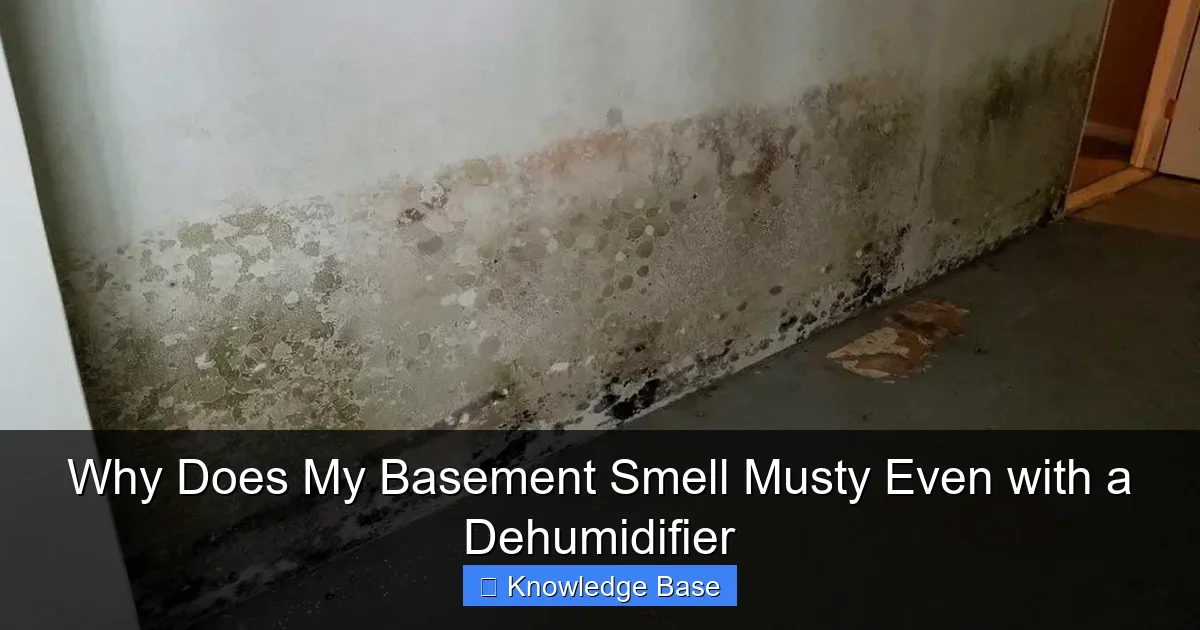
Even with a dehumidifier running, a musty basement smell can persist due to hidden mold, poor airflow, or undetected water leaks. This guide explores the root causes and offers practical solutions to eliminate odors for good.
Key Takeaways
- Dehumidifiers reduce moisture but don’t kill mold or mildew: If mold is already present, it will continue to produce musty odors unless treated directly.
- Poor ventilation traps stale air: Without proper airflow, moisture and odors build up, even in dry conditions.
- Hidden water sources may be the culprit: Leaks from pipes, foundation cracks, or groundwater seepage can go unnoticed but cause persistent dampness.
- Carpeting and porous materials trap moisture: Basement floors and walls made of concrete or carpet can absorb and hold moisture, feeding mold growth.
- HVAC systems can spread odors: If your basement is connected to the home’s air ducts, musty smells may circulate throughout the house.
- Regular maintenance is essential: Cleaning, inspecting, and maintaining your dehumidifier and basement prevents recurring issues.
- Professional assessment may be needed: For severe or persistent problems, a mold remediation expert can identify hidden issues and recommend solutions.
📑 Table of Contents
- Why Does My Basement Smell Musty Even with a Dehumidifier?
- Understanding the Musty Smell: What’s Really Going On?
- Common Causes of Musty Smells Despite Using a Dehumidifier
- How to Diagnose the Source of the Smell
- Practical Solutions to Eliminate Musty Odors
- Preventing Future Musty Smells
- When to Call a Professional
- Conclusion
Why Does My Basement Smell Musty Even with a Dehumidifier?
You’ve done everything right. You bought a high-quality dehumidifier, set it to the recommended humidity level (around 30–50%), and let it run day and night. Yet, every time you walk down into your basement, that familiar musty, earthy smell hits your nose like a wet blanket. It’s frustrating, confusing, and honestly, a little gross. You might be wondering: *Why does my basement smell musty even with a dehumidifier?*
The short answer? A dehumidifier is a powerful tool, but it’s not a magic wand. It removes excess moisture from the air, which is essential for preventing mold and mildew. But if the source of the moisture isn’t addressed—or if mold has already taken hold—the smell will linger. Think of it like trying to dry a soaked carpet with a fan. The fan helps, but if the carpet stays wet underneath, mold will grow, and the smell will return.
In this guide, we’ll dive deep into the real reasons your basement might still smell musty, even when your dehumidifier is working overtime. We’ll explore hidden water sources, ventilation issues, material choices, and maintenance oversights. More importantly, we’ll give you actionable steps to eliminate the odor for good—so you can finally enjoy a fresh, dry basement.
Understanding the Musty Smell: What’s Really Going On?
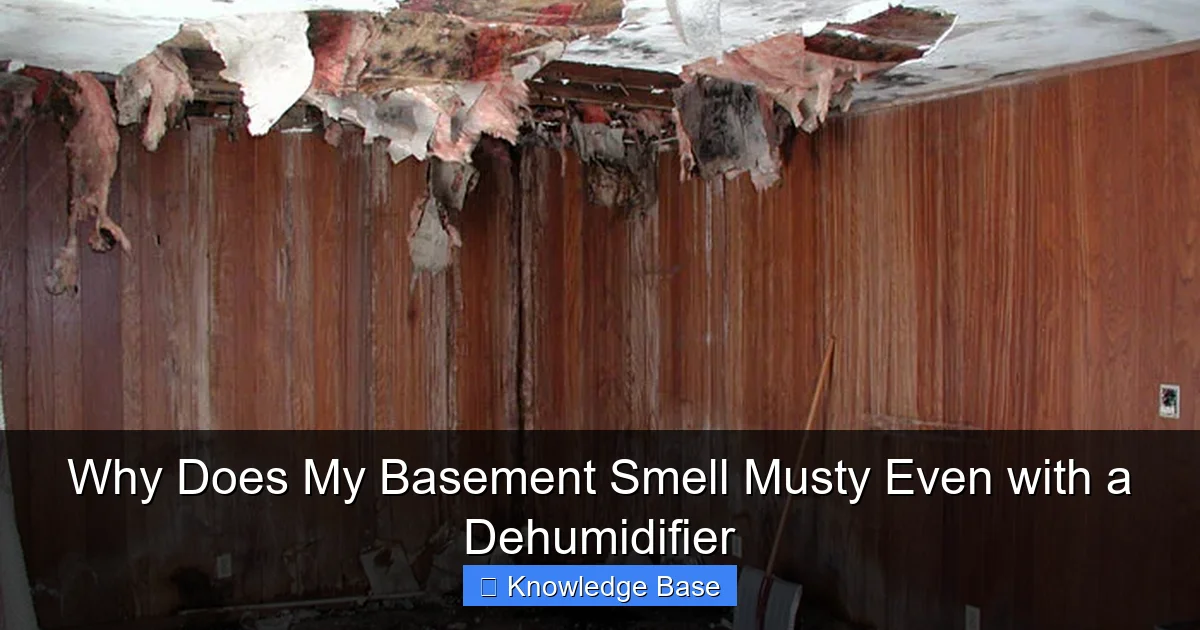
Visual guide about Why Does My Basement Smell Musty Even with a Dehumidifier
Image source: everdrymichigan.com
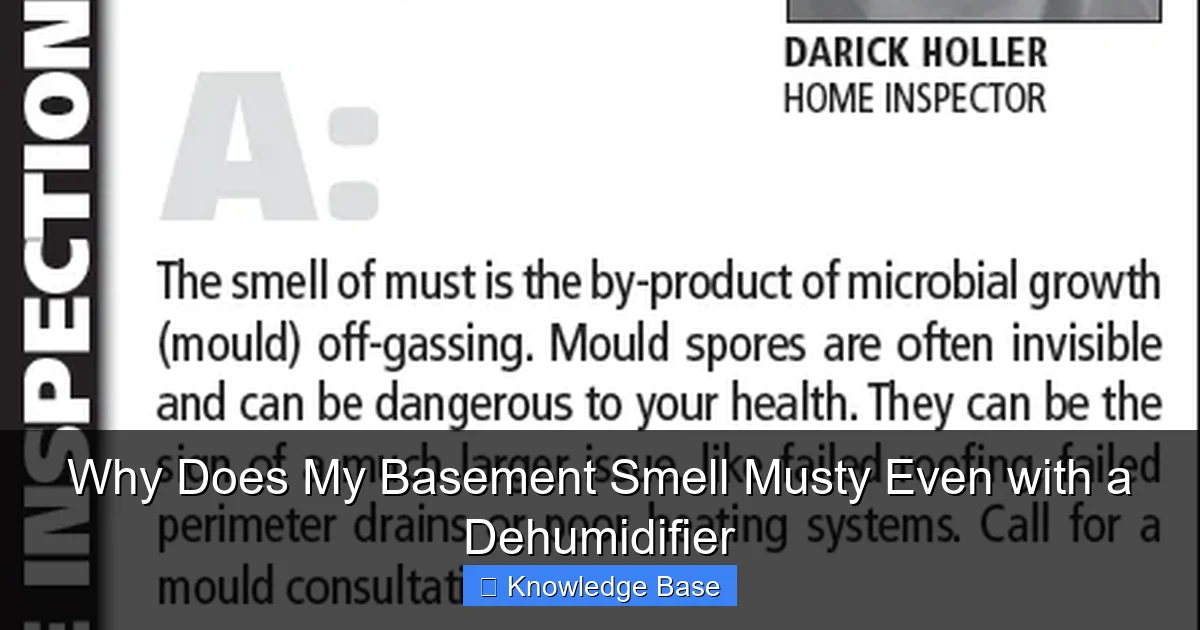
Before we fix the problem, let’s understand what that musty smell actually is. That damp, earthy odor is typically caused by mold and mildew. These fungi thrive in dark, moist environments—exactly the kind of conditions often found in basements. When mold grows, it releases microbial volatile organic compounds (MVOCs), which are the chemicals responsible for that distinctive “old basement” smell.
Now, here’s the kicker: a dehumidifier lowers humidity, which makes it harder for mold to grow. But if mold is already established, simply reducing humidity won’t kill it. In fact, some molds can survive in relatively dry conditions for a while, continuing to emit odors. So while your dehumidifier is doing its job, it’s not addressing the root cause—existing mold or the conditions that allowed it to grow in the first place.
Another factor is that musty smells can linger in porous materials long after the moisture is gone. Concrete walls, wooden beams, carpet padding, and even drywall can absorb moisture and odors. Even if the air feels dry, these materials may still be holding onto dampness and mold spores.
So, while your dehumidifier is a critical part of the solution, it’s only one piece of the puzzle. To truly eliminate the musty smell, you need a multi-pronged approach that targets moisture sources, improves airflow, and cleans or removes contaminated materials.
Common Causes of Musty Smells Despite Using a Dehumidifier
Visual guide about Why Does My Basement Smell Musty Even with a Dehumidifier
Image source: darickhollerhomeinspections.ca
Let’s break down the most common reasons your basement still smells musty—even with a dehumidifier running.
1. Hidden Water Intrusion
One of the biggest culprits is undetected water entering your basement. This could be from:
– Foundation cracks
– Poor drainage around the house
– Leaking pipes or water heaters
– Groundwater seepage through walls or floors
Even a small, slow leak can keep certain areas damp, creating the perfect environment for mold. For example, a hairline crack in the foundation might let in just enough water during heavy rain to keep a corner of your basement moist. Your dehumidifier might keep the overall humidity down, but that one damp spot remains a mold factory.
Tip: Inspect your basement after a rainstorm. Look for damp spots, water stains, or puddles. Use a flashlight to check corners, behind appliances, and along baseboards.
2. Inadequate Ventilation
Dehumidifiers remove moisture, but they don’t circulate air. If your basement lacks proper ventilation, stale, odor-filled air gets trapped. This is especially true in basements with few or no windows, or those that are sealed off from the rest of the house.
Without airflow, moisture and odors accumulate. Even if the dehumidifier is pulling water from the air, the stagnant environment allows mold spores to settle and grow on surfaces.
Solution: Install exhaust fans or use portable fans to improve air circulation. Open windows when weather permits, or consider adding a basement ventilation system.
3. Mold Growth in Hidden Areas
Mold doesn’t always grow where you can see it. It can thrive behind walls, under flooring, inside HVAC ducts, or beneath carpet padding. These hidden colonies continue to produce musty odors, even if the visible areas look clean.
For instance, if water seeped under your basement carpet during a flood and wasn’t properly dried, mold could be growing underneath. Your dehumidifier might keep the top of the carpet dry, but the padding beneath remains a breeding ground.
Action Step: Lift corners of carpets or check under rugs. Look for discoloration, soft spots, or a strong smell. If you suspect hidden mold, consider hiring a professional for inspection.
4. Porous Building Materials
Concrete, wood, and drywall are porous—they absorb moisture like a sponge. Once these materials get wet, they can hold onto dampness for weeks or even months. Even if the air feels dry, the walls or floor might still be releasing moisture slowly, feeding mold growth.
This is why simply running a dehumidifier isn’t always enough. The moisture is coming from within the materials themselves, not just the air.
Example: A concrete basement floor that was flooded may take over a month to fully dry. During that time, it can keep the surrounding air humid and support mold growth.
5. HVAC System Contamination
If your basement is connected to your home’s heating and cooling system, mold or mildew in the ducts can spread musty odors throughout the house. The HVAC system acts like a giant fan, circulating air—and any smells—from the basement to other rooms.
Even if your basement feels dry, mold spores in the ducts can continue to emit odors every time the furnace or AC kicks on.
Prevention: Have your HVAC system inspected and cleaned annually. Consider installing a UV air purifier in the ductwork to kill mold and bacteria.
How to Diagnose the Source of the Smell
Before you can fix the problem, you need to find out where it’s coming from. Here’s a step-by-step approach to diagnosing the source of your basement’s musty smell.
Step 1: Smell Mapping
Walk through your basement and note where the smell is strongest. Is it near a wall? Under a window? Behind the water heater? The intensity of the odor can point you toward the source.
Use a spray bottle with water and a few drops of essential oil (like lemon or eucalyptus) to lightly mist areas. This can help you track airflow and see if the smell moves or intensifies in certain spots.
Step 2: Visual Inspection
Look for:
– Water stains on walls or ceilings
– Peeling paint or wallpaper
– Warped wood or flooring
– White, green, or black spots (signs of mold)
– Rust on metal surfaces (indicates moisture)
Pay special attention to corners, behind furniture, and areas near plumbing.
Step 3: Check for Hidden Leaks
Inspect all pipes, water heaters, and appliances for leaks. Use a flashlight and mirror to look behind and under units. Listen for dripping sounds when everything is quiet.
Check the exterior of your home too. Make sure gutters and downspouts are clear and direct water at least 6 feet away from the foundation.
Step 4: Test Humidity Levels
Use a hygrometer to measure humidity in different areas of the basement. Ideal levels are between 30% and 50%. If certain spots are consistently higher, that’s a red flag.
Place the hygrometer in corners, near walls, and under sinks. Leave it for 24 hours to get an accurate reading.
Step 5: Inspect the Dehumidifier
Make sure your dehumidifier is working properly. Check:
– Is the tank full? (It should auto-shut off when full.)
– Is the filter clean?
– Is it the right size for your basement? (A unit too small won’t keep up.)
– Is it placed in an optimal location? (Away from walls, in a central spot.)
A malfunctioning or undersized dehumidifier won’t effectively control moisture.
Practical Solutions to Eliminate Musty Odors
Now that you’ve identified the likely causes, let’s talk about how to fix them.
1. Fix Water Intrusion Issues
– Seal foundation cracks: Use hydraulic cement or epoxy injection for small cracks. For larger issues, consult a waterproofing professional.
– Improve exterior drainage: Clean gutters regularly. Extend downspouts with splash blocks or underground drains.
– Install a sump pump: If groundwater is a problem, a sump pump can remove water before it enters your basement.
– Repair leaks: Fix any leaking pipes, faucets, or appliances immediately.
2. Improve Air Circulation
– Use fans: Place box fans or oscillating fans in corners to keep air moving.
– Open windows: When weather allows, open basement windows for a few hours to let fresh air in.
– Install an exhaust fan: A permanently installed fan can vent stale air outside.
– Consider an energy recovery ventilator (ERV): These systems exchange stale indoor air with fresh outdoor air while retaining energy efficiency.
3. Clean or Remove Mold-Infested Materials
– Clean visible mold: For small areas (less than 10 square feet), use a mixture of water and detergent or a commercial mold cleaner. Always wear gloves, goggles, and a mask.
– Remove and replace porous materials: Carpet, drywall, and insulation that have been soaked should be removed and replaced. These materials are hard to fully dry and often harbor hidden mold.
– Use a HEPA vacuum: After cleaning, vacuum the area with a HEPA-filter vacuum to remove spores.
Warning: If mold covers a large area or is in HVAC ducts, hire a certified mold remediation professional.
4. Treat Concrete Surfaces
Concrete walls and floors can be treated to resist moisture and mold:
– Apply a waterproof sealant: Products like silane/siloxane sealers penetrate concrete and repel water.
– Use a concrete cleaner: Clean surfaces with a solution of water and trisodium phosphate (TSP) to remove mold and mildew.
– Consider epoxy coatings: For floors, epoxy paint creates a waterproof, easy-to-clean surface.
5. Upgrade Your Dehumidifier Setup
– Choose the right size: Measure your basement in square feet. A 30-pint dehumidifier is good for up to 1,500 sq ft; a 70-pint model for larger spaces.
– Use a hygrometer: Monitor humidity and adjust the dehumidifier settings accordingly.
– Empty the tank regularly: Or connect a hose for continuous drainage.
– Clean the unit monthly: Wash the filter and wipe down the coils to maintain efficiency.
6. Use Odor Absorbers
While not a permanent fix, odor absorbers can help mask smells while you address the root cause:
– Baking soda: Place open boxes in corners to absorb odors.
– Activated charcoal: Use charcoal bags or filters to trap musty smells.
– Commercial odor eliminators: Look for products that neutralize odors, not just cover them up.
Preventing Future Musty Smells
Once you’ve eliminated the odor, the key is to prevent it from coming back. Here’s how:
Maintain Your Dehumidifier
– Clean the filter every 2–4 weeks.
– Empty the water tank regularly.
– Check for frost buildup in cold weather (some units have auto-defrost).
– Replace the unit every 5–10 years, depending on usage.
Monitor Humidity Levels
Keep a hygrometer in your basement and check it weekly. If humidity starts to climb, investigate immediately.
Inspect Your Basement Monthly
Look for signs of moisture, mold, or leaks. Early detection prevents big problems.
Keep the Basement Clean and Clutter-Free
Clutter traps moisture and reduces airflow. Store items in plastic bins with lids, and keep them off the floor.
Use Mold-Resistant Materials
If you’re finishing your basement, choose mold-resistant drywall, paint, and insulation.
Consider a Whole-House Dehumidifier
For homes with chronic humidity issues, a whole-house dehumidifier integrated with your HVAC system can provide consistent moisture control.
When to Call a Professional
Sometimes, DIY efforts aren’t enough. Call a professional if:
– The musty smell returns quickly after cleaning.
– You find large areas of mold (more than 10 square feet).
– You suspect mold in your HVAC system.
– There’s significant water damage or structural issues.
– You’re experiencing health symptoms like allergies, coughing, or headaches.
A certified mold inspector or waterproofing expert can perform advanced tests, such as air quality sampling or thermal imaging, to find hidden problems.
Conclusion
So, why does your basement smell musty even with a dehumidifier? The answer lies not in the dehumidifier itself, but in the underlying conditions it can’t fix on its own. Hidden water leaks, poor ventilation, porous materials, and existing mold growth all contribute to persistent odors. While a dehumidifier is a vital tool for controlling moisture, it’s only effective when paired with proper maintenance, inspection, and remediation.
By taking a proactive approach—diagnosing the source, cleaning affected areas, improving airflow, and preventing future moisture issues—you can finally say goodbye to that musty basement smell. Your basement should be a usable, comfortable space—not a damp, odorous cave. With the right steps, you can transform it into a clean, dry, and fresh part of your home.
Remember: a dehumidifier is your ally, but it’s not a cure-all. Treat the root cause, and the smell will disappear for good.
Frequently Asked Questions
Can a dehumidifier alone eliminate musty basement smells?
No, a dehumidifier reduces moisture but doesn’t kill mold or address water sources. It’s most effective when combined with cleaning, ventilation, and leak repairs.
How long does it take to get rid of a musty basement smell?
It depends on the cause. Minor issues may resolve in a few days with cleaning and ventilation. Severe mold or water damage can take weeks or require professional help.
Is it safe to live in a house with a musty basement smell?
Prolonged exposure to mold spores can cause respiratory issues, especially for people with allergies or asthma. It’s best to address the smell promptly.
Can I paint over mold in my basement?
No, painting over mold traps moisture and allows it to grow underneath. Always clean and remove mold before painting, and use mold-resistant paint.
Should I run my dehumidifier all the time?
Yes, especially in humid climates or during wet seasons. Set it to maintain 30–50% humidity and empty the tank regularly or use a drain hose.
Can carpet in the basement cause musty smells?
Yes, carpet and padding absorb moisture and are hard to dry fully. They’re a common source of mold and odors in basements. Consider using area rugs instead.