

A dehumidifier in a gun safe prevents rust, mold, and corrosion by controlling moisture levels. Without it, your firearms and accessories are at risk—even in sealed safes.
Key Takeaways
- Prevents Rust and Corrosion: Moisture is the #1 enemy of metal firearms. A dehumidifier keeps humidity low, protecting barrels, triggers, and internal mechanisms.
- Protects Wooden Stocks: High humidity warps and cracks wooden gun stocks. A dehumidifier maintains stable conditions to preserve their integrity.
- Extends Firearm Lifespan: Consistent moisture control reduces wear and tear, helping your guns last for generations.
- Preserves Ammunition: Wet or damp ammo can misfire or fail. Keeping your safe dry ensures reliable performance when you need it.
- Prevents Mold and Mildew: Damp environments breed mold, which can damage finishes and create health hazards.
- Works in All Climates: Whether you live in a humid coastal area or a damp basement, a dehumidifier adapts to your environment.
- Low Maintenance, High Reward: Modern dehumidifiers are energy-efficient and require minimal upkeep—just plug in and forget.
📑 Table of Contents
- Why Do You Need a Dehumidifier in a Gun Safe?
- The Hidden Threat: How Moisture Damages Firearms
- How a Dehumidifier Protects Your Gun Safe
- Types of Dehumidifiers for Gun Safes
- Choosing the Right Dehumidifier for Your Safe
- Installation and Maintenance Tips
- Real-World Examples: When a Dehumidifier Saved the Day
- Common Misconceptions About Gun Safe Dehumidifiers
- Conclusion: Protect Your Investment
Why Do You Need a Dehumidifier in a Gun Safe?
If you own firearms, you already know how important it is to store them safely and securely. A gun safe is your first line of defense against theft, unauthorized access, and accidents. But here’s something many gun owners overlook: even the most secure safe can become a danger zone for your guns if moisture builds up inside.
Imagine opening your gun safe one morning to find a thin layer of rust on your prized rifle’s barrel. Or worse—your wooden stock has started to warp, and your ammunition smells musty. These aren’t just cosmetic issues. They can compromise the safety, reliability, and value of your firearms. And the culprit? Humidity.
That’s where a dehumidifier comes in. It’s not just an accessory—it’s a necessity. A dehumidifier in a gun safe actively removes excess moisture from the air, creating a dry, stable environment that protects your investment. Whether you live in a humid coastal region, a damp basement, or even a dry climate with seasonal swings, moisture can sneak into your safe and cause irreversible damage.
In this guide, we’ll explore why a dehumidifier is essential for gun safe storage, how it works, and what types are best for your needs. You’ll learn how to spot moisture problems early, choose the right dehumidifier, and maintain your firearms for peak performance. By the end, you’ll understand that a dehumidifier isn’t just a nice-to-have—it’s a critical component of responsible gun ownership.
The Hidden Threat: How Moisture Damages Firearms
Visual guide about Why Do You Need a Dehumidifier in a Gun Safe
Image source: m.media-amazon.com
You might think your gun safe is airtight—after all, it’s designed to keep things out. But even the best safes aren’t completely sealed. Over time, humidity from the surrounding air can seep in, especially during seasonal changes or in areas with high outdoor moisture. Once inside, that moisture doesn’t just sit there. It starts a slow, silent attack on your firearms.
Rust and Corrosion: The Silent Killer
Rust is the most obvious sign of moisture damage. It starts as tiny reddish-brown spots on metal surfaces—barrels, triggers, bolts, and screws. If left unchecked, it spreads, weakening the metal and compromising the firearm’s structural integrity. A rusted barrel can affect accuracy. A corroded firing pin might cause a misfire. In extreme cases, rust can render a gun unsafe to fire.
But rust doesn’t need a flood or a spilled drink to form. It only needs humidity levels above 50%. In many parts of the U.S., especially the Southeast, Gulf Coast, and Pacific Northwest, indoor humidity regularly exceeds 60%. Even in drier regions, basements and garages—common gun safe locations—can trap moisture.
For example, a hunter in Georgia stored his bolt-action rifle in a safe in his garage. He checked it every few months and saw no issues. But after a humid summer, he noticed pitting on the barrel and stiff action. The culprit? Condensation forming overnight as temperatures dropped. A dehumidifier would have prevented this.
Wooden Stock Damage: Warping and Cracking
Many firearms, especially shotguns and classic rifles, have wooden stocks. Wood is hygroscopic, meaning it absorbs and releases moisture based on the surrounding air. In high humidity, wood swells. In dry conditions, it shrinks. This constant expansion and contraction leads to warping, cracking, and splitting.
A warped stock can throw off your aim. A cracked stock weakens the firearm’s structure and reduces its value. Restoration can be expensive—if it’s even possible. Prevention is far easier and cheaper.
Consider a collector in Florida who stored a vintage 1950s shotgun in a safe. Over time, the stock developed a noticeable curve. He thought it was a manufacturing defect—until he realized the safe was in a humid sunroom. A dehumidifier would have kept the wood stable and preserved the gun’s original condition.
Ammunition and Electronics at Risk
It’s not just the guns themselves. Ammunition and electronic accessories are also vulnerable. Moisture can seep into cartridge casings, causing corrosion that leads to misfires or squib loads. Corroded primers may fail to ignite, leaving you with a dud round when you need it most.
Modern firearms often include electronic components—red dot sights, laser modules, or digital triggers. These devices contain circuit boards and batteries that are highly sensitive to moisture. Condensation can short-circuit electronics, rendering them useless. Replacing a high-end optic can cost hundreds of dollars.
Even non-electronic accessories like cleaning kits, slings, and magazines can suffer. Leather slings can mold. Metal magazines can rust. Cleaning solvents can degrade if exposed to humidity.
How a Dehumidifier Protects Your Gun Safe
Visual guide about Why Do You Need a Dehumidifier in a Gun Safe
Image source: m.media-amazon.com
Now that you understand the risks, let’s talk about the solution. A dehumidifier in a gun safe works by pulling moisture from the air and storing it safely, keeping the internal environment dry and stable. It’s like a mini climate control system for your firearms.
Maintains Optimal Humidity Levels
The ideal humidity level for firearm storage is between 45% and 55%. This range prevents rust, protects wood, and keeps ammo dry. A dehumidifier continuously monitors and adjusts the air to stay within this range.
Most modern dehumidifiers use sensors to detect humidity levels. When moisture rises, the unit activates. When the air is dry, it shuts off. This cycle ensures consistent protection without over-drying.
For example, a dehumidifier in a safe in Arizona might run less often due to the dry climate. But during monsoon season, it kicks into high gear. In Louisiana, it might run daily to combat constant humidity. The key is that it adapts automatically.
Prevents Condensation
Condensation occurs when warm, moist air cools down rapidly. This often happens at night or in basements where temperatures drop. The moisture in the air turns into water droplets—like the fog on a bathroom mirror.
In a gun safe, condensation can form on cold metal surfaces. These droplets sit on your guns, creating the perfect conditions for rust. A dehumidifier reduces the moisture in the air before it can condense, eliminating this risk.
Imagine opening your safe in the morning to find water droplets on your pistol’s slide. That’s condensation. Without a dehumidifier, those droplets could lead to pitting and corrosion within weeks.
Extends the Life of Your Firearms
Firearms are precision instruments. They’re built to last, but only if properly maintained. Moisture is one of the biggest threats to longevity. By keeping your safe dry, a dehumidifier helps your guns function reliably for decades—or even centuries.
A well-maintained firearm can become a family heirloom. A rusty, warped gun becomes a liability. The small investment in a dehumidifier pays off in the long run by preserving value, performance, and safety.
Types of Dehumidifiers for Gun Safes
Not all dehumidifiers are created equal. When it comes to gun safes, you need a unit designed for enclosed spaces. Here are the most common types and how they work.
Silica Gel Dehumidifiers
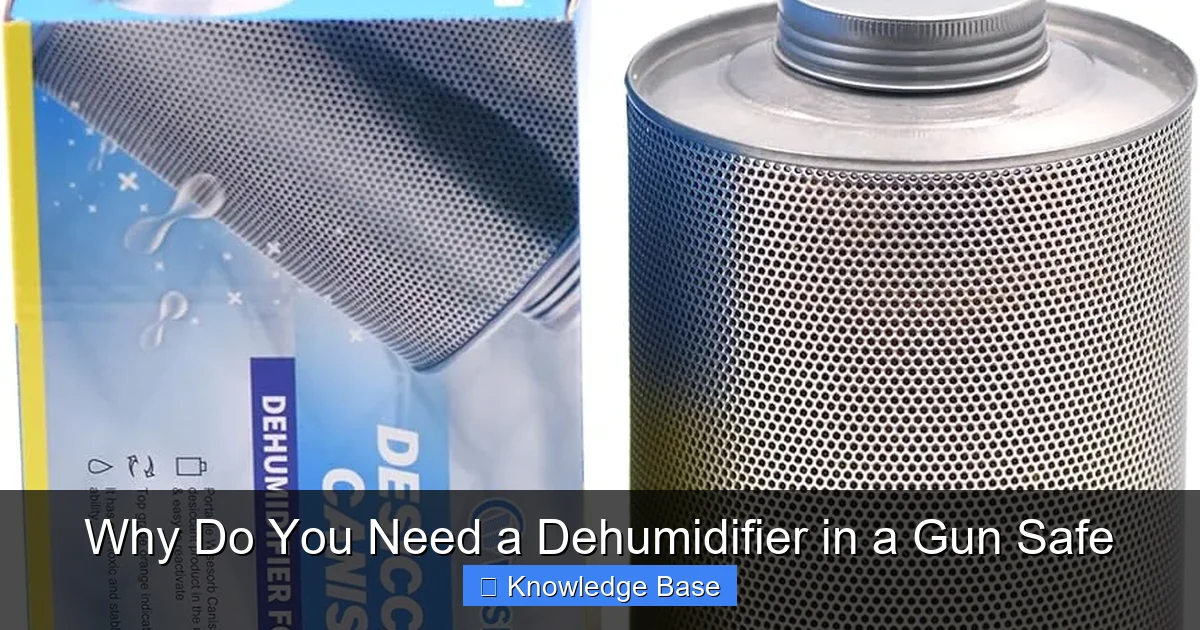
Silica gel dehumidifiers use moisture-absorbing beads to pull water from the air. They’re small, quiet, and don’t require electricity. You place them inside the safe, and they work passively.
These are great for smaller safes or as a backup. However, they have limited capacity. Once the beads are saturated, they stop working. You need to “recharge” them by heating them in an oven or microwave.
Pros: No power needed, silent, affordable.
Cons: Limited capacity, requires manual recharging.
Best for: Occasional use, small safes, or as a supplement.
Electric Rod Dehumidifiers
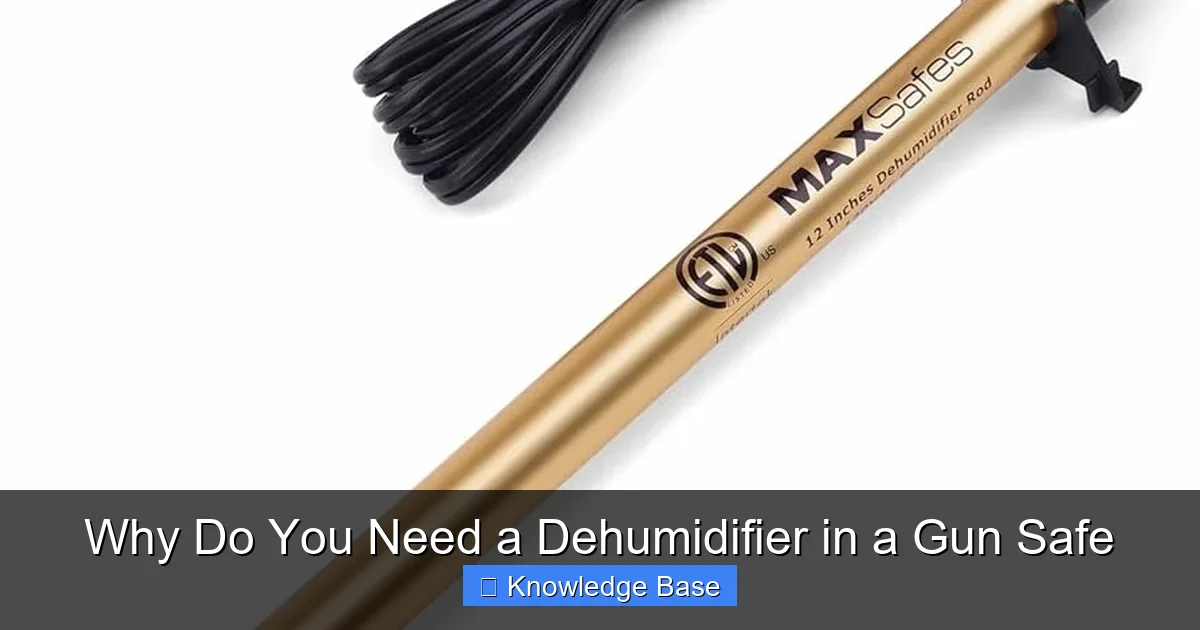
Electric rod dehumidifiers, also known as “safe rods,” are the most popular choice. They consist of a heated metal rod that warms the air inside the safe. Warm air holds more moisture, reducing relative humidity.
These rods plug into a standard outlet and run continuously. They’re energy-efficient—typically using only 10–20 watts—and require no maintenance.
Pros: Low power use, automatic, effective in most climates.
Cons: Requires electricity, may not work in very humid areas.
Best for: Most gun owners, especially in moderate climates.
Mini Electric Dehumidifiers
Mini electric dehumidifiers are compact units that use refrigeration or desiccant technology to remove moisture. They have a small water tank that collects condensation.
These are more powerful than rods and can handle higher humidity. Some models include digital hygrometers to monitor humidity levels.
Pros: High efficiency, digital controls, larger capacity.
Cons: More expensive, requires emptying the tank.
Best for: Large safes, high-humidity areas, or multiple firearms.
Rechargeable Dehumidifiers
Rechargeable dehumidifiers use advanced silica gel or desiccant materials that can be regenerated without heat. You plug them in to recharge, and they’re ready to use again.
These are convenient and eco-friendly. No oven or microwave needed.
Pros: No manual recharging, reusable, portable.
Cons: Higher upfront cost.
Best for: Frequent travelers or those who want hassle-free maintenance.
Choosing the Right Dehumidifier for Your Safe
With so many options, how do you pick the right one? Consider these factors.
Safe Size and Location
Larger safes need more powerful dehumidifiers. A small cabinet might do fine with a silica gel pack. A full-sized safe with 20+ guns may need an electric rod or mini unit.
Also, consider where your safe is located. Basements and garages are more prone to moisture than interior rooms. If your safe is in a damp area, go for a stronger dehumidifier.
Climate and Seasonal Changes
If you live in a humid climate—like Florida, Texas, or the Carolinas—you’ll need a robust solution. Electric rods or mini dehumidifiers are ideal.
In dry climates, a silica gel or rechargeable unit may suffice. But remember: even dry areas can have humidity spikes during rainy seasons.
Power Availability
Electric dehumidifiers need an outlet. If your safe is in a remote location without power, a passive or rechargeable option is better.
Some electric rods come with extension cords or can be wired into the safe’s interior lighting system.
Budget and Maintenance
Silica gel is the cheapest but requires regular recharging. Electric rods are affordable and low-maintenance. Mini units cost more but offer the best performance.
Think long-term. A $50 electric rod that lasts 10 years is a better value than replacing silica gel packs every few months.
Installation and Maintenance Tips
Once you’ve chosen a dehumidifier, proper installation and care are key.
Where to Place the Dehumidifier
For electric rods, mount them vertically near the back or side of the safe. This allows warm air to circulate evenly.
For mini units, place them on the floor or a shelf. Avoid blocking airflow.
Silica gel packs can go anywhere—just keep them away from direct contact with firearms.
Check Humidity Regularly
Use a hygrometer—a small device that measures humidity—to monitor conditions inside your safe. Place it inside and check it monthly.
If humidity rises above 55%, your dehumidifier may need adjustment or replacement.
Clean and Maintain Your Unit
Electric rods rarely need cleaning, but check for dust buildup. Mini units require emptying the water tank regularly.
Silica gel packs should be recharged when they change color (usually from blue to pink).
Inspect Your Firearms
Even with a dehumidifier, inspect your guns every few months. Look for rust, warping, or musty smells. Early detection prevents major damage.
Clean and oil your firearms regularly, especially if you live in a humid area.
Real-World Examples: When a Dehumidifier Saved the Day
Let’s look at a few real-life scenarios where a dehumidifier made all the difference.
The Collector in Charleston
A firearms collector in Charleston, South Carolina, stored 15 vintage rifles in a large safe in his basement. The area was prone to flooding and high humidity. He used silica gel packs but forgot to recharge them.
After six months, he found rust on several barrels and mold on leather slings. He switched to an electric rod dehumidifier. Within weeks, humidity dropped to 50%. His guns stayed dry, and he avoided costly repairs.
The Hunter in Oregon
A hunter in Oregon stored his shotgun in a safe in his garage. Winters were wet, and condensation formed nightly. He noticed pitting on the barrel after one season.
He installed a mini electric dehumidifier with a built-in hygrometer. Now, he checks the display monthly and empties the tank as needed. His shotgun remains in pristine condition.
The Prepper in Texas
A prepper in Texas stored emergency firearms and ammo in a safe in his storm shelter. The shelter was underground and humid. He used a rechargeable dehumidifier that he plugged in weekly.
During a power outage, the unit kept working on battery power. His guns stayed dry, and his ammo remained reliable—critical in an emergency.
Common Misconceptions About Gun Safe Dehumidifiers
Despite their benefits, some myths persist.
“My Safe Is Sealed, So I Don’t Need One”
No safe is 100% airtight. Air exchange happens through hinges, locks, and ventilation holes. Moisture will eventually get in.
“I Live in a Dry Climate, So I’m Safe”
Dry climates can still have humidity spikes. Basements, garages, and seasonal changes can create moisture problems.
“I Can Just Use Rice or Salt”
Rice and salt absorb some moisture, but not enough for long-term protection. They’re not reliable or consistent.
“Dehumidifiers Are Too Expensive”
Basic electric rods start at $30. Compared to the cost of repairing or replacing a firearm, it’s a small price to pay.
Conclusion: Protect Your Investment
Your firearms are more than tools—they’re investments, heirlooms, and sometimes lifelines. Protecting them goes beyond locking them away. You need to control the environment inside your safe.
A dehumidifier in a gun safe is not optional. It’s a critical component of responsible gun storage. It prevents rust, protects wood, preserves ammo, and extends the life of your firearms. Whether you choose a silica gel pack, an electric rod, or a mini unit, the key is consistency.
Don’t wait until you see rust or smell mold. Take action now. Install a dehumidifier, monitor humidity, and inspect your guns regularly. Your future self—and your firearms—will thank you.
Frequently Asked Questions
Do I really need a dehumidifier if my gun safe is in a dry room?
Yes, even in dry rooms, humidity can fluctuate. Basements, garages, and seasonal changes can introduce moisture. A dehumidifier ensures consistent protection regardless of location.
Can I use a regular room dehumidifier in my gun safe?
No, room dehumidifiers are too large and powerful. They’re designed for open spaces, not enclosed safes. Use a unit specifically made for gun safes.
How often should I check my dehumidifier?
Check electric rods monthly for dust. Empty mini units weekly if they have a tank. Recharge silica gel packs when they change color—usually every 1–3 months.
Will a dehumidifier damage my firearms?
No, a properly used dehumidifier only removes moisture. It won’t over-dry or harm metal, wood, or finishes when used correctly.
Can I run a dehumidifier 24/7?
Yes, most electric dehumidifiers are designed for continuous use. They’re energy-efficient and safe to leave on all the time.
What’s the best humidity level for a gun safe?
The ideal range is 45% to 55%. This prevents rust, protects wood, and keeps ammo dry. Use a hygrometer to monitor levels.