

A dehumidifier in the basement is crucial for controlling excess moisture, preventing mold growth, and protecting your home’s structure and air quality. Without one, dampness can lead to costly repairs, health issues, and unpleasant odors.
Key Takeaways
- Prevents Mold and Mildew: Basements are prone to high humidity, creating ideal conditions for mold and mildew. A dehumidifier keeps moisture levels in check, stopping these harmful fungi from growing.
- Protects Home Structure: Excess moisture can weaken foundations, warp wood, and corrode metal. Using a dehumidifier helps preserve the integrity of your basement and home.
- Improves Indoor Air Quality: Damp air breeds dust mites and allergens. A dehumidifier reduces these irritants, making your home healthier to breathe in.
- Eliminates Musty Odors: That damp, earthy smell in basements comes from stagnant moisture. A dehumidifier dries the air, eliminating unpleasant odors.
- Protects Belongings: Stored items like clothes, books, and electronics can be damaged by humidity. A dehumidifier keeps them safe and dry.
- Reduces Energy Costs: Dry air feels cooler, so you may use less air conditioning. This can lead to lower energy bills in warmer months.
- Prevents Pest Infestations: Many pests, like silverfish and cockroaches, thrive in damp environments. Controlling humidity helps keep them away.
📑 Table of Contents
Why Do You Need a Dehumidifier in the Basement?
If you’ve ever walked into your basement and noticed a damp, musty smell, you’re not alone. Basements are naturally prone to high humidity, and that moisture can cause a host of problems—from mold growth to structural damage. But here’s the good news: a dehumidifier can make a world of difference.
Think of your basement like the foundation of your home’s comfort and health. When it’s damp, the effects ripple upward. You might notice peeling paint, warped furniture, or even allergy symptoms getting worse. A dehumidifier works quietly in the background, pulling excess moisture from the air and helping maintain a dry, healthy environment.
In this article, we’ll explore why a dehumidifier in the basement is more than just a nice-to-have—it’s a necessity. Whether you use your basement for storage, laundry, or as a living space, controlling humidity is key to protecting your home and your health.
Understanding Basement Humidity

Visual guide about Why Do You Need a Dehumidifier in the Basement
Image source: s3-assets.sylvane.com
Basements are the lowest part of a home, often built below ground level. This makes them naturally cooler and more susceptible to moisture. Water can seep through concrete walls or floors, especially during heavy rains or snowmelt. Even small cracks can let in groundwater, raising humidity levels.
But it’s not just water intrusion. Everyday activities also contribute. Doing laundry, showering, or even breathing adds moisture to the air. In a basement with poor ventilation, that moisture has nowhere to go. It lingers, creating a damp environment.
Humidity is measured as relative humidity (RH), which is the amount of water vapor in the air compared to what it can hold at a given temperature. The ideal indoor humidity level is between 30% and 50%. In many basements, however, humidity can climb to 60%, 70%, or even higher.
When humidity stays above 60%, it creates the perfect breeding ground for mold, mildew, and dust mites. These aren’t just cosmetic issues—they can affect your health and your home’s structural integrity. That’s where a dehumidifier comes in. It pulls moisture from the air, helping maintain a healthy balance.
Common Causes of Basement Moisture
Several factors contribute to high humidity in basements. Understanding them can help you prevent problems before they start.
One major cause is poor drainage around your home’s foundation. If rainwater or snowmelt isn’t directed away from the house, it can pool near the basement walls and seep inside. Gutters and downspouts play a big role here. If they’re clogged or not extended far enough, water can collect near the foundation.
Another common issue is condensation. Cold basement walls and floors can cause warm, moist air to cool down and release water vapor—similar to how a cold drink “sweats” on a hot day. This condensation can drip onto surfaces or soak into materials like wood and drywall.
Cracks in the foundation or walls are also a big problem. Even hairline cracks can let in groundwater, especially during wet seasons. Over time, these cracks can widen, allowing more water to enter.
Poor ventilation is another culprit. Basements often have few windows and limited airflow. Without proper ventilation, moisture builds up and lingers. This is especially true in finished basements used as living spaces.
Finally, high groundwater levels can push water into the basement through the floor or walls. This is more common in areas with high water tables or during periods of heavy rainfall.
Signs Your Basement Has a Humidity Problem
You don’t need a hygrometer to know your basement is too damp. There are several telltale signs.
One of the most obvious is a musty or earthy smell. This odor comes from mold and mildew growing in hidden areas like behind walls or under carpeting. Even if you can’t see it, you can often smell it.
Visible mold or mildew is another red flag. Look for black, green, or white spots on walls, ceilings, or stored items. Mold can grow quickly in damp conditions, sometimes within 24 to 48 hours of water exposure.
Peeling paint or wallpaper is also a sign. Moisture can get behind these surfaces, causing them to bubble or flake off. This is especially common on basement walls.
Warped or swollen wood is another indicator. If you have wooden shelves, furniture, or flooring in your basement, high humidity can cause them to absorb moisture and change shape.
You might also notice condensation on cold surfaces like pipes, windows, or concrete walls. This is a clear sign that the air is too moist.
Finally, if you’ve had pests like silverfish, centipedes, or cockroaches in your basement, it could be due to high humidity. These pests love damp, dark environments.
Health Risks of High Basement Humidity
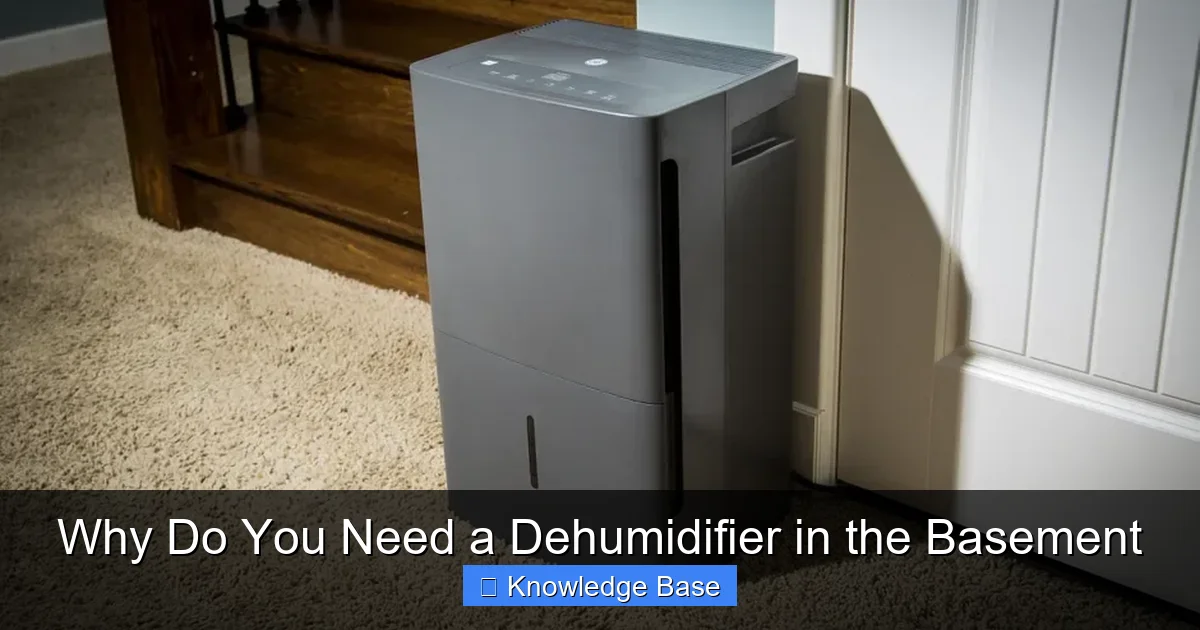
Visual guide about Why Do You Need a Dehumidifier in the Basement
Image source: cnet.com
High humidity in the basement isn’t just a nuisance—it can seriously affect your health. When moisture levels are too high, it creates an environment where allergens and irritants thrive.
Mold is one of the biggest concerns. Mold spores are microscopic and can become airborne easily. When you breathe them in, they can trigger allergic reactions, asthma attacks, or other respiratory problems. Symptoms may include sneezing, coughing, itchy eyes, and difficulty breathing.
Even if you don’t have allergies, prolonged exposure to mold can lead to more serious health issues. Some types of mold, like black mold (Stachybotrys chartarum), produce mycotoxins that can be harmful when inhaled over time.
Dust mites are another problem. These tiny creatures feed on dead skin cells and thrive in humid environments. They’re a common trigger for asthma and allergies. While you can’t see them, their waste particles can become airborne and cause symptoms.
High humidity can also worsen existing respiratory conditions like bronchitis or COPD. Damp air feels heavier and can make breathing more difficult, especially for people with compromised lung function.
Children, the elderly, and people with weakened immune systems are especially vulnerable. For them, even mild mold exposure can lead to infections or prolonged illness.
Using a dehumidifier in the basement helps reduce these risks by keeping humidity levels in check. It creates a drier environment where mold, mildew, and dust mites can’t survive.
How a Dehumidifier Improves Air Quality
A dehumidifier doesn’t just remove moisture—it improves the overall air quality in your home. By lowering humidity, it reduces the number of allergens and irritants in the air.
When the air is dry, mold spores can’t grow or spread as easily. This means fewer airborne particles that can trigger allergies or asthma. It also reduces the musty odor that often accompanies damp basements.
Dust mites also struggle to survive in low-humidity environments. Most dehumidifiers can reduce humidity to below 50%, which is the threshold where dust mites start to die off. This can significantly reduce allergy symptoms over time.
Additionally, dry air feels cleaner and more comfortable. You’ll notice less stickiness on your skin and fewer instances of static electricity. Your clothes and linens will also feel fresher when stored in a dry basement.
For families with asthma or allergies, a dehumidifier can be a game-changer. It creates a healthier living environment, especially if your basement is used as a bedroom, playroom, or home office.
Protecting Your Home’s Structure and Belongings
Your basement is more than just a storage space—it’s a critical part of your home’s foundation. When it’s damp, it can compromise the entire structure.
Excess moisture can weaken concrete and masonry. Over time, water can seep into tiny pores and freeze during cold weather. When water freezes, it expands, which can cause cracks to form or widen. This process, called freeze-thaw cycling, can lead to serious structural damage.
Wood is also vulnerable. Basement support beams, floor joists, and wooden furniture can absorb moisture and begin to rot. Rot weakens the wood, making it less able to support weight. In severe cases, this can lead to sagging floors or even collapse.
Metal components like pipes, ductwork, and electrical boxes can also suffer. High humidity promotes rust and corrosion, which can lead to leaks, electrical shorts, or equipment failure.
Even your belongings aren’t safe. Stored items like books, photos, clothes, and electronics are at risk. Paper absorbs moisture and can develop mold. Clothes can develop mildew and unpleasant odors. Electronics can short out if exposed to damp air.
A dehumidifier helps prevent all of this. By maintaining a dry environment, it protects your home’s structure and keeps your stored items in good condition.
Real-Life Examples of Damage Caused by Basement Humidity
Consider a homeowner who used their basement for storage. Over time, they noticed a musty smell and found black spots on old photo albums. They didn’t think much of it—until they opened a box of winter clothes and found them covered in mildew. The cost of replacing those items added up quickly.
In another case, a family finished their basement to create a home theater. A few months later, they noticed the drywall was bubbling and the carpet felt damp. An inspection revealed mold growing behind the walls. Removing the mold and repairing the damage cost thousands of dollars.
These stories aren’t uncommon. Many homeowners don’t realize the damage high humidity can cause until it’s too late. A dehumidifier could have prevented both situations by keeping the basement dry.
Energy Efficiency and Cost Savings
You might think a dehumidifier uses a lot of electricity, but it can actually help you save money in the long run.
When the air is dry, it feels cooler. This means you can set your air conditioner a few degrees higher without sacrificing comfort. For every degree you raise your thermostat, you can save up to 3% on cooling costs.
In the summer, a dehumidifier works alongside your AC to remove moisture. This reduces the workload on your air conditioner, helping it run more efficiently. It also prevents your AC from overworking, which can extend its lifespan.
In the winter, dry air feels warmer. This can reduce the need for heating, especially in basements that are often cooler than the rest of the house.
Additionally, by preventing mold and structural damage, a dehumidifier helps you avoid costly repairs. The cost of replacing drywall, flooring, or support beams far exceeds the price of a dehumidifier.
Choosing an Energy-Efficient Model
Not all dehumidifiers are created equal. Look for models with an Energy Star rating, which means they meet strict efficiency guidelines set by the EPA. These units use less electricity while still effectively removing moisture.
Some dehumidifiers also have features like auto-shutoff, humidistats, and timers. These help the unit run only when needed, saving energy and money.
Portable models are great for smaller basements, while whole-house dehumidifiers are better for larger spaces or homes with central HVAC systems.
Choosing the Right Dehumidifier for Your Basement
With so many options on the market, choosing the right dehumidifier can feel overwhelming. But it doesn’t have to be.
First, consider the size of your basement. Dehumidifiers are rated by how many pints of moisture they can remove in 24 hours. A small basement (under 500 square feet) may only need a 30-pint unit, while a larger space (over 1,500 square feet) may require a 70-pint model.
Next, think about the humidity level. If your basement is extremely damp, choose a high-capacity unit. Some models can remove up to 90 pints per day.
Look for features like a built-in humidistat, which lets you set your desired humidity level. The unit will automatically turn on and off to maintain that level.
Drainage is also important. Some dehumidifiers have a built-in pump that can send water to a sink or floor drain. Others require you to empty a bucket manually. If you don’t want to deal with frequent emptying, choose a model with continuous drainage.
Noise level matters too, especially if your basement is used as a living space. Look for units with quiet operation, typically under 50 decibels.
Finally, consider the warranty and customer support. A good warranty can give you peace of mind, and reliable customer service can help if you run into issues.
Installation and Maintenance Tips
Once you’ve chosen a dehumidifier, proper installation and maintenance are key to getting the best results.
Place the unit in a central location, away from walls and furniture. This allows for better air circulation. Avoid placing it near sources of heat or moisture, like laundry machines or water heaters.
If your model has a hose for continuous drainage, make sure it’s properly connected and directed to a drain or outside.
Clean the air filter regularly—usually every 4 to 6 weeks. A dirty filter reduces efficiency and can cause the unit to overwork.
Check the water bucket (if applicable) daily, especially during humid months. Empty it before it overflows.
Once a year, clean the coils and interior with a soft brush or vacuum. This helps maintain performance and extends the life of the unit.
Conclusion
A dehumidifier in the basement is not a luxury—it’s a necessity. It protects your home from mold, mildew, and structural damage. It improves indoor air quality and keeps your belongings safe. And it can even help you save on energy costs.
Whether your basement is used for storage, laundry, or as a living space, controlling humidity is essential. Without a dehumidifier, you’re leaving your home vulnerable to moisture-related problems that can be costly and harmful.
Investing in a quality dehumidifier is one of the smartest things you can do for your home and your health. It’s a small step that makes a big difference. So if you’ve been ignoring that damp basement smell, now’s the time to take action.
Your home—and your family—will thank you.
Frequently Asked Questions
How often should I run my basement dehumidifier?
Run your dehumidifier continuously during humid months, especially in summer. In drier seasons, you can reduce usage or use a humidistat to automate it. Most units are designed to run 24/7 if needed.
Can a dehumidifier help with basement odors?
Yes, a dehumidifier can eliminate musty odors by reducing moisture that causes mold and mildew. Once the air is dry, the smell will fade and not return as long as humidity is controlled.
Will a dehumidifier make my basement colder?
No, a dehumidifier doesn’t cool the air like an air conditioner. It removes moisture, which can make the space feel more comfortable, but it won’t lower the temperature.
Can I use a dehumidifier in an unfinished basement?
Absolutely. Unfinished basements are often more prone to moisture, so a dehumidifier is especially helpful. Just make sure the unit is placed on a stable surface and protected from dust and debris.
How much does it cost to run a dehumidifier?
The cost depends on the model, size, and local electricity rates. On average, a 50-pint dehumidifier uses about 500 watts and may cost $10–$20 per month to run continuously.
Should I get a portable or whole-house dehumidifier?
Portable units are great for small to medium basements and are more affordable. Whole-house models are better for large homes or severe moisture issues and integrate with your HVAC system.