
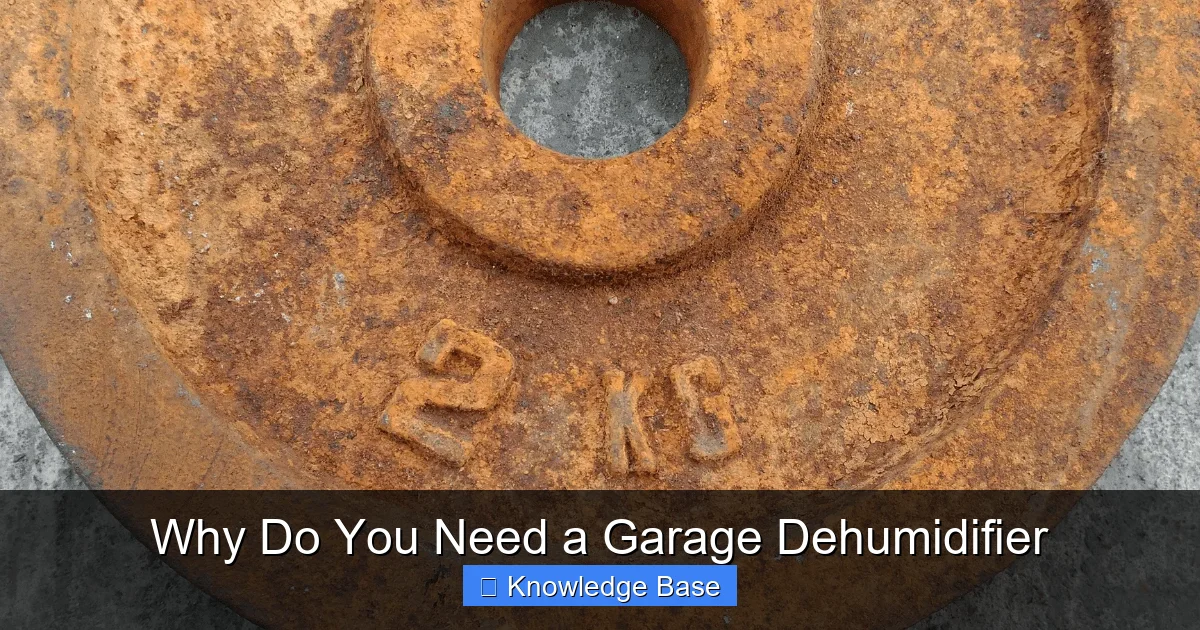
Garages are naturally prone to high humidity, which can damage vehicles, tools, and stored belongings. A garage dehumidifier helps maintain optimal moisture levels, preventing rust, mold growth, and unpleasant odors while extending the life of your valuables.
Key Takeaways
- Prevents Rust and Corrosion: Excess moisture in the air causes metal tools, car parts, and equipment to rust over time. A garage dehumidifier keeps humidity in check, protecting your investments.
- Stops Mold and Mildew Growth: Damp environments are breeding grounds for mold and mildew, which can damage walls, stored items, and even pose health risks. Dehumidifiers inhibit their development.
- Protects Vehicles and Equipment: Cars, motorcycles, and power tools stored in garages are vulnerable to humidity-related damage. A dehumidifier helps preserve their condition and functionality.
- Eliminates Musty Odors: Lingering damp smells make garages unpleasant. Reducing humidity removes the source of these odors, keeping your space fresh.
- Improves Air Quality: Lower humidity levels reduce allergens like dust mites and mold spores, creating a healthier environment for you and your family.
- Preserves Stored Items: Seasonal clothing, documents, electronics, and holiday decorations can warp, rot, or degrade in humid conditions. A dehumidifier safeguards them.
- Enhances Energy Efficiency: In attached garages, excess moisture can seep into your home, increasing HVAC workload. Controlling garage humidity supports overall home efficiency.
📑 Table of Contents
- Why Do You Need a Garage Dehumidifier?
- Understanding Garage Humidity: The Hidden Problem
- How a Garage Dehumidifier Works
- Protecting Your Vehicles and Tools
- Safeguarding Stored Belongings and Seasonal Items
- Preventing Mold, Mildew, and Health Risks
- Improving Energy Efficiency and Home Comfort
- Choosing the Right Garage Dehumidifier
- Conclusion: A Small Investment for Big Protection
Why Do You Need a Garage Dehumidifier?
Your garage is more than just a place to park your car. For many homeowners, it’s a workshop, storage room, gym, or even a man cave. But despite its versatility, the garage is often one of the most neglected spaces when it comes to climate control. Unlike your living areas, garages are rarely insulated or climate-controlled, making them especially vulnerable to temperature swings and—more importantly—excess moisture.
Humidity is the silent enemy of any garage. Whether you live in a rainy coastal region or a humid subtropical climate, moisture can creep into your garage through cracks, doors, windows, and even the concrete floor. Once inside, it lingers in the air, creating a damp environment that invites rust, mold, and unpleasant odors. Over time, this can damage your car, tools, stored belongings, and even the structure of your garage itself.
That’s where a garage dehumidifier comes in. Designed specifically to tackle high humidity in large, unconditioned spaces, a garage dehumidifier pulls excess moisture from the air and collects it in a reservoir or drains it directly. The result? A drier, cleaner, and more functional garage that protects your belongings and improves your overall home environment.
Understanding Garage Humidity: The Hidden Problem
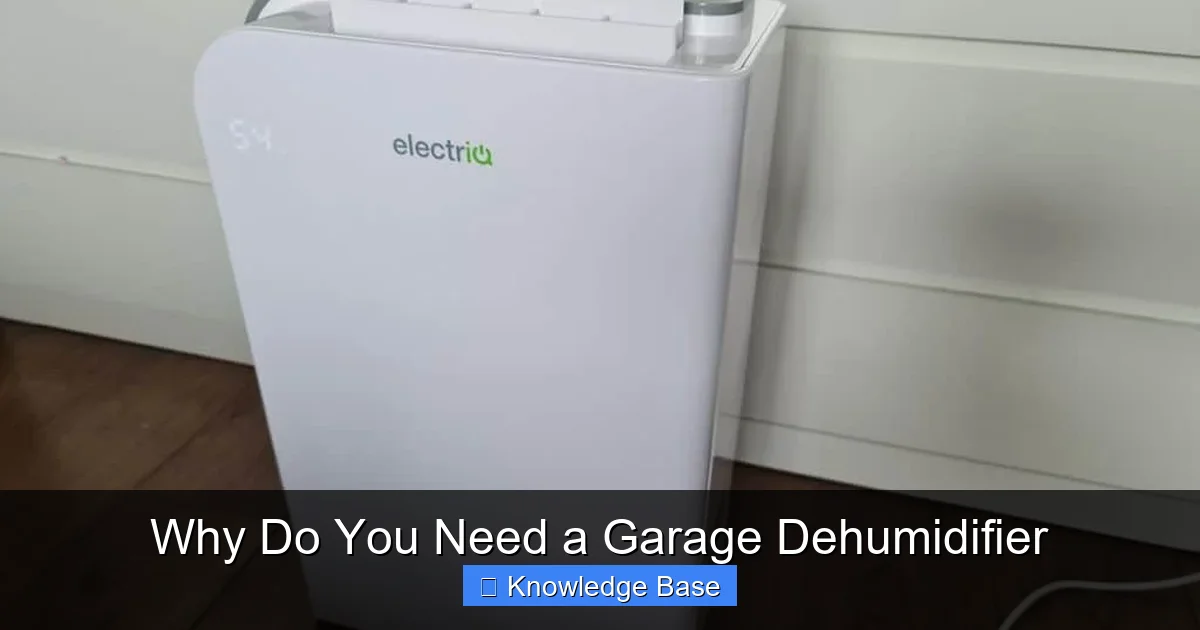
Visual guide about Why Do You Need a Garage Dehumidifier
Image source: thehumidistat.com
Most people don’t think about humidity in the garage—until it’s too late. You might notice a musty smell, see condensation on windows, or find rust forming on tools. These are all signs that your garage has a moisture problem. But why does this happen?
Garages are uniquely susceptible to humidity for several reasons. First, they’re typically not sealed as tightly as the rest of the house. Gaps around doors, windows, and garage door seals allow outdoor air—and moisture—to enter freely. Second, concrete floors and walls absorb moisture from the ground, especially in areas with high water tables or poor drainage. This moisture slowly evaporates into the air, raising humidity levels.
Additionally, everyday activities can contribute to indoor moisture. Washing your car in the garage, using a pressure washer, or even just breathing while working out can add moisture to the air. In colder months, warm, moist air from the house can seep into the garage and condense on cooler surfaces, leading to condensation and water droplets.
The ideal indoor humidity level is between 30% and 50%. In many garages, especially during summer or in humid climates, humidity can easily exceed 60% or even 70%. At these levels, the risk of damage increases dramatically. That’s why monitoring and controlling humidity is essential—not just for comfort, but for preservation.
Signs Your Garage Has a Humidity Problem
You don’t need a hygrometer to detect high humidity—your senses can often tell you. Here are some common signs that your garage is too damp:
– Musty or earthy odors: A persistent damp smell is a classic sign of excess moisture and potential mold growth.
– Condensation on windows, walls, or metal surfaces: Water droplets forming on cold surfaces indicate high humidity and poor ventilation.
– Rust on tools, car parts, or shelving: Metal objects corroding faster than usual suggest prolonged exposure to moisture.
– Peeling paint or warped wood: Moisture can cause paint to bubble and wood to swell or rot.
– Mold or mildew spots: Black, green, or white fuzzy growths on walls, ceilings, or stored items are clear indicators of a moisture issue.
– Clothes or paper items feeling damp: Stored clothing, cardboard boxes, or important documents may feel slightly wet or develop a stale smell.
If you notice any of these signs, it’s time to take action. Ignoring the problem won’t make it go away—it will only get worse.
How a Garage Dehumidifier Works

Visual guide about Why Do You Need a Garage Dehumidifier
Image source: supply.crawlspaceninja.com
A garage dehumidifier is a specialized appliance designed to remove excess moisture from the air in large, open spaces. While it may look similar to a portable air conditioner or a home dehumidifier, it’s built to handle the unique challenges of a garage environment—such as temperature fluctuations, dust, and high humidity levels.
Most garage dehumidifiers use a refrigeration-based system. Here’s how it works:
1. Air Intake: A fan pulls warm, moist air from the garage into the unit.
2. Cooling Coils: The air passes over cold evaporator coils, causing the moisture in the air to condense into water droplets.
3. Water Collection: The collected water drips into a built-in reservoir or is drained directly through a hose.
4. Reheating: The now-dry air passes over warm condenser coils, where it’s reheated to room temperature.
5. Air Output: The dry, warm air is blown back into the garage, reducing overall humidity.
Some models also feature built-in hygrometers that automatically monitor humidity levels and turn the unit on or off as needed. This ensures consistent moisture control without constant manual adjustments.
Types of Garage Dehumidifiers
Not all dehumidifiers are created equal. When choosing one for your garage, consider the following types:
– Refrigerant Dehumidifiers: The most common type, ideal for warm, humid environments (above 65°F). They’re effective but less efficient in colder garages.
– Desiccant Dehumidifiers: Use moisture-absorbing materials (like silica gel) to pull water from the air. They work well in colder temperatures and are often quieter, making them a good choice for attached garages.
– Pump-Assisted Models: Equipped with built-in pumps to drain water vertically or over long distances, eliminating the need to empty a tank manually.
– Whole-Garage Systems: Larger, more powerful units designed for big garages or workshops. Some can be ducted to cover multiple areas.
For most homeowners, a refrigerant dehumidifier with a built-in pump and automatic humidity control offers the best balance of performance, convenience, and affordability.
Protecting Your Vehicles and Tools
Your car, motorcycle, or bicycle is a significant investment—and it’s vulnerable to humidity damage, especially when stored long-term. Even if you drive your vehicle regularly, moisture in the garage can still cause problems.
High humidity leads to condensation inside the car, particularly on cold metal surfaces like the exhaust system, brake lines, and undercarriage. Over time, this moisture causes rust and corrosion, weakening critical components. You might notice rust spots on the body, a musty smell inside the cabin, or even electrical issues caused by damp wiring.
Motorcycles and bicycles are even more exposed. Their smaller size and frequent use of metal parts make them prime targets for rust. Chains, gears, and brake rotors can seize up or degrade if not protected from moisture.
Power tools are another casualty of garage humidity. Wrenches, drills, saws, and other metal tools can develop surface rust, making them harder to use and less reliable. Wooden tool handles may warp or crack, and electronic components can short-circuit.
A garage dehumidifier helps prevent all of this. By maintaining a stable, dry environment, it slows down the oxidation process that causes rust and extends the lifespan of your vehicles and tools. It’s like giving your belongings a protective shield against the elements.
Real-Life Example: The Motorcycle Owner
Take John, a motorcycle enthusiast from Florida. He stores his vintage Harley-Davidson in the garage during the rainy season. Despite covering it with a breathable fabric, he noticed rust forming on the chrome parts and a musty smell inside the seat. After installing a garage dehumidifier, he saw a dramatic improvement. Within weeks, the rust stopped spreading, and the bike stayed dry and odor-free. “It’s like having a climate-controlled showroom,” he says. “I wish I’d done it sooner.”
Safeguarding Stored Belongings and Seasonal Items
Garages are often the go-to spot for storing seasonal items—holiday decorations, winter coats, camping gear, and old photo albums. But these items are at high risk in a humid environment.
Clothing and fabric items absorb moisture, leading to mildew, discoloration, and unpleasant odors. Imagine pulling out your favorite winter coat only to find it smells like a damp basement. Or worse—discovering that your holiday sweaters have been eaten by moths that thrive in humid conditions.
Cardboard boxes, commonly used for storage, are especially vulnerable. They absorb moisture quickly, becoming soft, warped, and prone to mold. Important documents, books, and photographs stored in boxes can be ruined beyond repair.
Electronics are another concern. Old TVs, speakers, or gaming consoles stored in the garage can suffer from corrosion on circuit boards or damaged internal components due to humidity.
A garage dehumidifier creates a stable environment that protects these items. By keeping humidity below 50%, it prevents moisture from seeping into fabrics, paper, and electronics. This means your belongings stay in good condition, ready to use when you need them.
Tip: Use Airtight Containers
Even with a dehumidifier, it’s wise to store sensitive items in airtight plastic bins with desiccant packs. This adds an extra layer of protection against any residual moisture and keeps pests out.
Preventing Mold, Mildew, and Health Risks
Mold and mildew don’t just damage your garage—they can affect your health. These fungi thrive in damp, dark environments and release spores into the air. When inhaled, these spores can trigger allergies, asthma, and other respiratory issues, especially in children and the elderly.
In a garage, mold often grows on walls, ceilings, stored items, and even insulation. It can appear as black, green, or white patches and often has a fuzzy texture. Mildew, a type of surface mold, leaves a powdery residue and is commonly found on damp clothing or cardboard.
Once mold takes hold, it’s difficult and expensive to remove. Professional remediation may be required, and in severe cases, structural repairs could be necessary. Prevention is far easier—and cheaper.
A garage dehumidifier inhibits mold and mildew growth by removing the moisture they need to survive. By keeping humidity below 60%, you create an environment where these fungi cannot thrive. This not only protects your garage but also improves the air quality in your home, especially if the garage is attached.
Health Benefits Beyond the Garage
If your garage is connected to your house, moisture and mold spores can easily migrate indoors through shared walls, vents, or open doors. This can worsen indoor air quality and contribute to health problems. Controlling garage humidity helps create a healthier living environment for your entire family.
Improving Energy Efficiency and Home Comfort
You might not think your garage affects your home’s energy bills, but it can—especially if it’s attached. Excess moisture in the garage can seep into your living spaces through cracks, vents, or open doors. This increases the overall humidity in your home, forcing your air conditioner to work harder to remove moisture.
Air conditioners are designed to cool air, but they also dehumidify as a byproduct. When indoor humidity is already high, the AC runs longer and uses more energy, driving up utility costs. In summer, this can lead to noticeably higher electricity bills.
By using a garage dehumidifier, you reduce the moisture load on your home’s HVAC system. This improves efficiency, lowers energy consumption, and enhances comfort. Your home feels cooler and drier, and your AC doesn’t have to fight as hard.
Additionally, a dry garage is less likely to transfer odors, pests, or allergens into your living areas. This creates a cleaner, more pleasant home environment overall.
Choosing the Right Garage Dehumidifier
Not all dehumidifiers are suitable for garage use. When shopping, consider the following factors:
– Capacity: Measured in pints per day (PPD), this indicates how much moisture the unit can remove. For a standard 2-car garage (500–800 sq. ft.), a 30–50 PPD unit is usually sufficient. Larger garages or high-humidity areas may need 70 PPD or more.
– Drainage Options: Look for models with continuous drainage via a hose, so you don’t have to empty a tank daily. Pump-assisted units are ideal for garages without floor drains.
– Temperature Range: Ensure the dehumidifier works in your garage’s temperature range. Refrigerant models may struggle below 65°F, while desiccant models perform better in cold conditions.
– Durability: Garages can be dusty and dirty. Choose a model with a washable filter and a sturdy build to withstand the environment.
– Noise Level: If your garage is near living spaces, consider a quieter model (under 50 decibels).
– Smart Features: Auto-humidistats, timers, and remote controls add convenience and help maintain optimal conditions.
Popular brands like Frigidaire, hOmeLabs, and AprilAire offer reliable garage dehumidifiers with these features. Reading customer reviews and checking energy efficiency ratings (like ENERGY STAR certification) can help you make an informed choice.
Installation and Maintenance Tips
Once you’ve chosen a dehumidifier, proper setup is key:
– Place the unit in a central location with good airflow.
– Keep it at least 6–12 inches away from walls and stored items.
– Use a dedicated electrical outlet—avoid extension cords.
– Clean the air filter monthly to maintain efficiency.
– Empty the water tank regularly (if not using a drain hose).
– Check the drain hose for clogs and ensure it’s positioned correctly.
With regular maintenance, your garage dehumidifier can last 5–10 years or more.
Conclusion: A Small Investment for Big Protection
A garage dehumidifier may seem like an unnecessary expense—until you consider what it protects. From your car and tools to your stored belongings and even your family’s health, the benefits far outweigh the cost. By controlling humidity, you prevent rust, mold, odors, and energy waste, creating a cleaner, safer, and more functional garage.
Whether you’re a car enthusiast, a DIYer, or just someone who values their belongings, a garage dehumidifier is a smart, long-term investment. It’s not just about comfort—it’s about preservation. And in a world where everything seems to wear out too fast, anything that helps your things last longer is worth it.
So, the next time you walk into your garage and catch that musty smell, ask yourself: “Could a dehumidifier help?” The answer is almost certainly yes.
Frequently Asked Questions
Do I really need a dehumidifier in my garage?
Yes, especially if you notice musty odors, rust, condensation, or mold. Garages are prone to high humidity due to poor insulation and moisture from the ground or outdoor air. A dehumidifier helps prevent damage to vehicles, tools, and stored items.
Can a regular home dehumidifier be used in a garage?
Some can, but garage-specific models are better suited for larger spaces, dustier environments, and temperature fluctuations. Look for units with higher capacity, durable builds, and continuous drainage options for best results.
How much does a garage dehumidifier cost?
Prices range from $150 to $500, depending on size, features, and brand. Basic 30-pint models start around $150, while high-capacity or pump-assisted units can cost $400 or more. Consider it an investment in protection.
Will a garage dehumidifier increase my electricity bill?
It uses electricity, but the increase is usually modest—around $10–$20 per month for most models. The energy savings from reduced HVAC workload in attached garages can partially offset this cost.
How often do I need to empty the water tank?
It depends on humidity levels and tank size. In high-humidity areas, you may need to empty it daily. Models with drain hoses or built-in pumps eliminate this task by continuously removing water.
Can a garage dehumidifier help with allergies?
Yes. By reducing mold, mildew, and dust mites—common allergens—a dehumidifier improves air quality. This is especially helpful if your garage is attached to your home and air circulates between spaces.