

Dehumidifiers blow cold air because they use a refrigeration cycle that cools the air to remove moisture. This process naturally lowers the temperature of the expelled air, especially in smaller or poorly ventilated spaces. Understanding this helps you manage expectations and optimize your unit’s performance.
Key Takeaways
- Dehumidifiers cool air to condense moisture: They pull in humid air, pass it over cold coils, and collect water droplets, which naturally cools the outgoing air.
- The refrigeration cycle causes temperature drop: Just like an air conditioner, the compressor and refrigerant system generate cold air as a byproduct.
- Airflow and room size affect perceived coldness: In small or enclosed spaces, the cooled air is more noticeable and can feel chilly.
- Not all dehumidifiers blow equally cold air: Desiccant models may produce warmer exhaust, while compressor-based units typically emit cooler air.
- Cold air output is normal and expected: It doesn’t mean the unit is broken—it’s a sign the dehumidifier is working properly.
- Proper placement improves comfort and efficiency: Positioning the unit away from seating areas and ensuring good airflow reduces cold drafts.
- Seasonal use matters: Using a dehumidifier in cooler months may make the cold air more noticeable, so adjust settings accordingly.
📑 Table of Contents
Why Does a Dehumidifier Blow Cold Air?
If you’ve ever stood near a running dehumidifier and felt a chilly breeze, you’re not alone. Many people are surprised—and sometimes concerned—when they notice that their dehumidifier is blowing cold air. After all, the main job of a dehumidifier is to remove moisture from the air, not to cool the room. So why does it feel like a mini air conditioner?
The short answer is: it’s supposed to. The cold air you feel is a natural byproduct of how most dehumidifiers work. These appliances use a refrigeration system similar to that of an air conditioner or refrigerator. As humid air passes over cold coils inside the unit, moisture condenses and drips into a collection tank. This process cools the air, and when it’s released back into the room, it feels cooler than the air that went in.
But don’t worry—this doesn’t mean your dehumidifier is broken or malfunctioning. In fact, it’s a sign that the machine is doing its job correctly. The cooling effect is simply part of the moisture removal process. Understanding why this happens can help you use your dehumidifier more effectively and avoid unnecessary concerns about performance or energy use.
In this article, we’ll dive deep into the science behind dehumidifiers, explore the different types available, and explain why cold air output is both normal and expected. We’ll also offer practical tips for managing the airflow and maintaining comfort in your home. Whether you’re dealing with a damp basement, a humid bathroom, or just trying to improve indoor air quality, knowing how your dehumidifier works will help you get the most out of it.
How Dehumidifiers Work: The Science Behind Moisture Removal
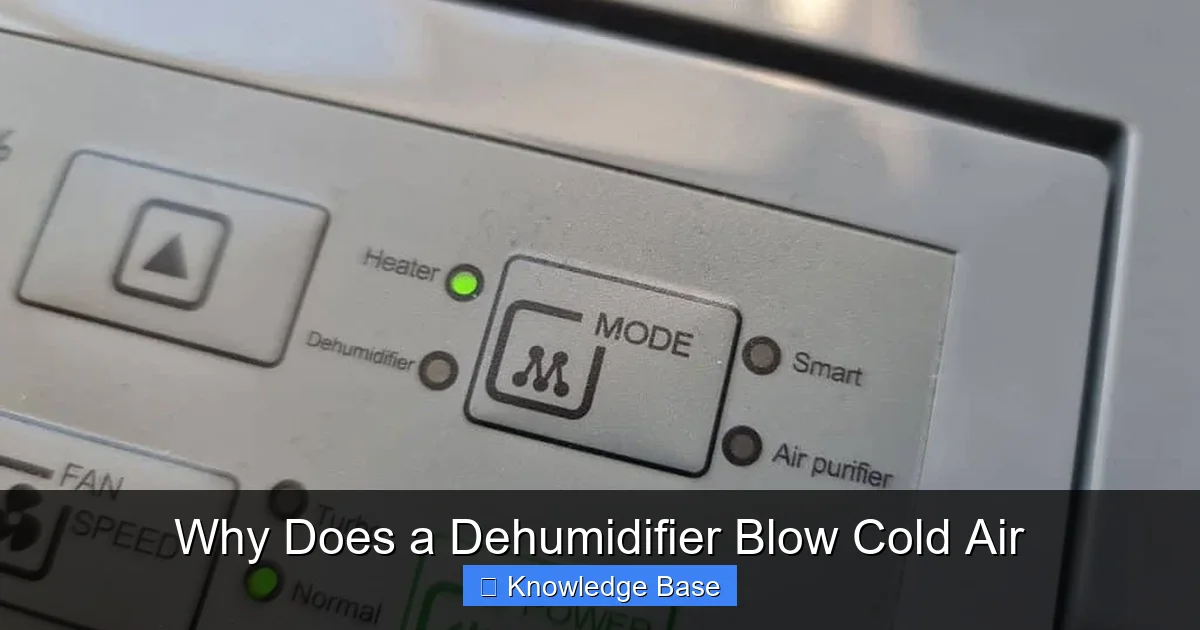
Visual guide about Why Does a Dehumidifier Blow Cold Air
Image source: thehumidistat.com
To understand why a dehumidifier blows cold air, it helps to first understand how it removes moisture from the air. Most residential dehumidifiers use a system called a refrigeration cycle, which is the same basic technology used in air conditioners and refrigerators.
Here’s a step-by-step breakdown of how it works:
First, a fan pulls humid indoor air into the dehumidifier. This air passes over a set of cold evaporator coils. These coils are cooled by a refrigerant—a special fluid that absorbs heat as it changes from liquid to gas. As the warm, moist air touches the cold coils, the temperature of the air drops rapidly.
When air cools, its ability to hold moisture decreases. This causes the water vapor in the air to condense into liquid droplets, much like how dew forms on grass in the morning. These droplets collect on the coils and drip down into a water collection tank or are drained away through a hose.
Once the moisture is removed, the now-dry air passes over a second set of coils—the condenser coils—which are warm. This reheats the air slightly before it’s blown back into the room. However, even after this reheating step, the outgoing air is often still cooler than the original air that entered the unit.
This cooling effect is why you feel cold air coming from the dehumidifier. The entire process is designed to extract water, not to heat or cool the room. But because the air goes through a cooling phase, the exhaust air ends up cooler than the ambient room temperature.
It’s important to note that the amount of cooling depends on several factors, including the humidity level, room temperature, and the efficiency of the unit. In very humid environments, the dehumidifier works harder, which can lead to more noticeable cooling. In drier conditions, the effect may be less pronounced.
The Role of the Refrigeration Cycle
The refrigeration cycle is the heart of most dehumidifiers. It involves four main components: the compressor, condenser, expansion valve, and evaporator. Here’s how they work together:
The compressor pressurizes the refrigerant, turning it into a hot, high-pressure gas. This gas flows into the condenser coils, where it releases heat and condenses into a liquid. The liquid refrigerant then passes through an expansion valve, which reduces its pressure and temperature dramatically. Now cold and low-pressure, the refrigerant enters the evaporator coils.
As humid air passes over these cold coils, heat is transferred from the air to the refrigerant, cooling the air and causing moisture to condense. The refrigerant, now warmed and turned back into a gas, returns to the compressor to start the cycle again.
This continuous cycle is what allows the dehumidifier to pull moisture from the air. But because the evaporator coils are cold, the air that passes over them is cooled in the process. Even though the air is reheated slightly by the condenser, it often doesn’t reach the original room temperature.
That’s why the air coming out of the dehumidifier feels cool. It’s not that the unit is trying to cool the room—it’s just a side effect of the moisture removal process.
Why Reheating Doesn’t Fully Compensate
You might wonder: if the air is reheated after moisture removal, why doesn’t it come out at room temperature? The answer lies in the efficiency of the reheating process.
The condenser coils do add some heat back into the air, but they’re not designed to fully restore the original temperature. Their main job is to convert the refrigerant from gas back to liquid, not to act as a heater. As a result, the reheating is partial.
Additionally, the energy used to run the compressor and fan generates some heat inside the unit. But this heat is usually dissipated into the surrounding air or absorbed by the machine itself, rather than being transferred to the outgoing airflow.
So while the air is slightly warmed before being expelled, it’s still cooler than the air that entered. This is especially true in smaller rooms or when the dehumidifier is running continuously.
In practical terms, this means that in a small bathroom or closet, the cold air from the dehumidifier can create a noticeable draft. But in a larger room with good airflow, the effect is usually minimal and barely noticeable.
Types of Dehumidifiers and Their Air Output
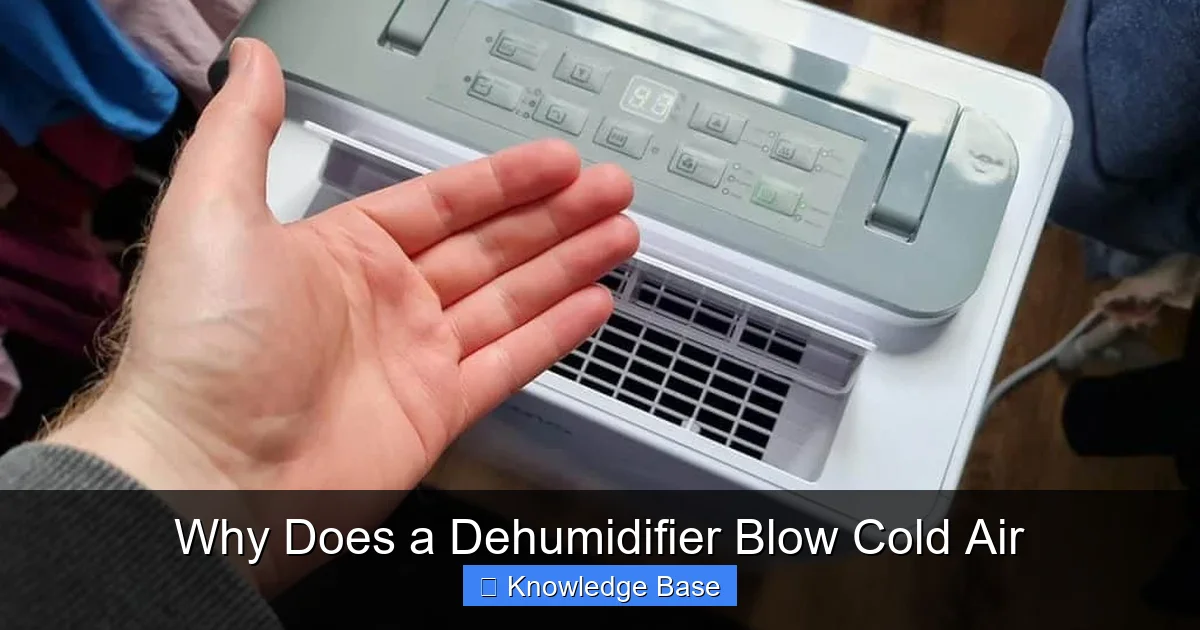
Visual guide about Why Does a Dehumidifier Blow Cold Air
Image source: thehumidistat.com
Not all dehumidifiers are created equal. There are two main types of dehumidifiers used in homes: compressor-based (refrigerant) dehumidifiers and desiccant dehumidifiers. Each type works differently and produces different air temperatures.
Compressor-Based Dehumidifiers
These are the most common type found in homes. They use the refrigeration cycle described earlier to cool air and remove moisture. Because they rely on cold coils to condense water, they naturally produce cooler exhaust air.
Compressor dehumidifiers work best in warm, humid environments—typically between 65°F and 80°F (18°C to 27°C). In cooler temperatures, the evaporator coils can frost over, reducing efficiency. Many modern units have automatic defrost features to prevent this.
The cold air output is most noticeable in small spaces or when the unit is placed near people. For example, if you run a compressor dehumidifier in a small basement or laundry room, you might feel a cool breeze. But in a large living area with good air circulation, the effect is usually diluted.
Desiccant Dehumidifiers
Desiccant dehumidifiers use a different method to remove moisture. Instead of cooling the air, they pass it over a moisture-absorbing material (like silica gel). This material attracts and holds water vapor, drying the air without cooling it.
Because there’s no refrigeration cycle, desiccant dehumidifiers don’t rely on cold coils. As a result, the air they expel is often warmer than the air that entered—especially after passing over a heating element used to regenerate the desiccant.
This means desiccant models typically blow warm or room-temperature air, not cold air. They’re often used in colder environments, such as garages or crawl spaces, where compressor units might struggle.
However, desiccant dehumidifiers are generally less efficient at removing large amounts of moisture and consume more energy per pint of water removed. They’re better suited for low-humidity applications or spaces where cold air output would be problematic.
Hybrid and Specialty Models
Some advanced dehumidifiers combine both technologies or include additional features like built-in heaters or air filtration. These models may offer more control over air temperature and humidity levels.
For example, a hybrid dehumidifier might use a compressor system for high-moisture removal and a desiccant system for low-humidity maintenance. Others include a heating coil to warm the outgoing air, reducing the cold draft effect.
While these units can be more expensive, they offer greater flexibility and comfort, especially in variable climates or sensitive environments.
Factors That Influence How Cold the Air Feels
Even though all compressor dehumidifiers produce some cold air, the intensity of the cooling effect can vary. Several factors influence how noticeable the cold air is in your home.
Room Size and Air Circulation
In a small, enclosed space like a closet or bathroom, the cold air from a dehumidifier can feel quite strong. There’s less air volume to absorb the cooled exhaust, so the temperature drop is more concentrated.
In contrast, a large living room with open doors and good airflow will disperse the cold air quickly. The effect is less noticeable because the cooled air mixes with the warmer room air.
If you’re using a dehumidifier in a small space, consider placing it away from seating areas or using a fan to help circulate the air more evenly.
Humidity Levels
The higher the humidity, the harder the dehumidifier has to work. This means the evaporator coils get colder, and more moisture is removed. As a result, the outgoing air may feel cooler.
In very humid conditions—like after a rainstorm or in a damp basement—the cooling effect can be quite pronounced. Once the humidity drops and the unit cycles less frequently, the cold air output may decrease.
Room Temperature
Dehumidifiers are most efficient in warmer rooms. In cooler environments, the refrigeration cycle doesn’t work as well, and the coils may frost over. Some units will shut off or enter defrost mode to prevent damage.
In cold rooms, the air coming out may not feel as cold because the system isn’t operating at full capacity. However, if the room is already chilly, even a small amount of cool air can feel uncomfortable.
Unit Placement
Where you place your dehumidifier makes a big difference. If it’s near a wall, in a corner, or blocked by furniture, airflow is restricted. This can cause the unit to recirculate the same cool air, making the area around it feel colder.
For best results, place the dehumidifier in an open area with at least 6–12 inches of clearance on all sides. This allows for proper air intake and exhaust, improving efficiency and reducing localized cooling.
Fan Speed and Settings
Many dehumidifiers have adjustable fan speeds. Running the fan on high can increase airflow but may also make the cold air more noticeable. Lower fan speeds reduce the draft but may slow down moisture removal.
Some models also have “quiet” or “eco” modes that reduce fan speed and compressor activity. These settings can help minimize cold air output while still maintaining effective dehumidification.
Is Cold Air a Sign of a Problem?
One of the most common concerns people have is whether cold air from a dehumidifier indicates a malfunction. The short answer is: usually not.
Cold air is a normal part of the dehumidification process, especially in compressor-based units. As long as the unit is collecting water and the humidity levels are dropping, it’s working correctly.
However, there are a few scenarios where cold air could signal an issue:
Excessive Cooling or Frost Buildup
If the dehumidifier is blowing extremely cold air or you notice frost forming on the coils, it could mean the unit is operating in too-cold conditions. Most compressor dehumidifiers are designed for use above 65°F (18°C). In colder environments, the evaporator coils can freeze, reducing efficiency and potentially damaging the unit.
Check your user manual for the recommended operating temperature range. If you’re using the dehumidifier in a cold basement or garage, consider a desiccant model or a unit with a low-temperature mode.
No Water Collection
If the dehumidifier is blowing cold air but not collecting any water, there may be a problem. Possible causes include a clogged filter, blocked coils, or a refrigerant leak.
Check the air filter and clean or replace it if necessary. Make sure the water tank isn’t full or improperly seated. If the issue persists, contact the manufacturer or a qualified technician.
Unusual Noises or Smells
While cold air itself isn’t a problem, strange noises (like grinding or rattling) or unusual odors could indicate a mechanical issue. These should be investigated promptly to avoid further damage.
In general, though, cold air is a sign that your dehumidifier is doing its job. It’s not trying to cool your home—it’s just a natural consequence of removing moisture from the air.
Tips for Managing Cold Air from Your Dehumidifier
If the cold air from your dehumidifier is uncomfortable or disruptive, there are several steps you can take to minimize the effect.
Choose the Right Location
Place the dehumidifier away from seating areas, beds, or frequently used spaces. In a basement, for example, position it near the center or in a corner away from the main living area.
Avoid placing it directly against walls or furniture. Good airflow around the unit improves performance and reduces the concentration of cold air in one spot.
Use a Fan to Circulate Air
A ceiling fan or portable fan can help mix the cooled exhaust with the warmer room air. This reduces the sensation of a cold draft and improves overall air circulation.
Just make sure the fan isn’t blowing directly into the dehumidifier’s intake, as this could disrupt its operation.
Adjust Settings Based on Season
In warmer months, the cold air from a dehumidifier may feel refreshing. But in winter or cooler seasons, it can be uncomfortable.
Consider using the dehumidifier only when needed—such as after showers or laundry—or switching to a desiccant model if cold air is a persistent issue.
Some smart dehumidifiers allow you to set humidity targets and schedules, so the unit runs only when necessary.
Insulate or Ventilate the Space
In small, poorly ventilated rooms, cold air can accumulate. Adding insulation or improving ventilation can help stabilize the temperature.
For example, in a bathroom, use an exhaust fan to remove humid air quickly, reducing the need for constant dehumidifier use.
Consider a Heated Dehumidifier
Some advanced models include built-in heaters that warm the outgoing air. These are ideal for cold climates or sensitive individuals who are bothered by cool drafts.
While they use more energy, they offer greater comfort and can be worth the investment in certain situations.
Regular Maintenance
Keep your dehumidifier clean and well-maintained. A dirty filter or clogged coils can reduce efficiency and increase the cooling effect.
Clean the filter monthly and inspect the coils for dust or frost. Empty the water tank regularly to prevent overflow and ensure proper operation.
Conclusion
So, why does a dehumidifier blow cold air? Because it’s using a refrigeration system to cool air and condense moisture—and that process naturally lowers the temperature of the air it releases. This cold air is not a defect or malfunction; it’s a normal and expected part of how most dehumidifiers work.
Understanding this helps you set realistic expectations and use your unit more effectively. Whether you’re tackling dampness in a basement, reducing allergens in a bedroom, or protecting furniture from humidity damage, your dehumidifier is doing its job—even if it feels a bit chilly.
By choosing the right type of dehumidifier, placing it wisely, and adjusting settings based on your needs, you can enjoy the benefits of lower humidity without being bothered by cold drafts. And remember: a little cool air is a small price to pay for healthier, more comfortable indoor air.
Frequently Asked Questions
Why does my dehumidifier blow cold air even though it’s not supposed to cool the room?
Dehumidifiers use a refrigeration cycle that cools air to remove moisture. This process naturally lowers the temperature of the air before it’s released, which is why it feels cool—even though cooling isn’t the main goal.
Is it normal for a dehumidifier to blow cold air in winter?
Yes, it’s normal, but the effect may be more noticeable in cold weather. Compressor dehumidifiers work best above 65°F, so in colder rooms, consider a desiccant model or one with a low-temperature mode.
Can a dehumidifier make my room too cold?
In small, enclosed spaces, the cold air can create a noticeable draft. But in larger rooms with good airflow, the effect is usually minimal and not enough to significantly lower the room temperature.
Should I be worried if my dehumidifier is blowing very cold air?
Not necessarily. Cold air is a sign the unit is working. However, if you see frost on the coils or the unit isn’t collecting water, it may be operating in too-cold conditions and need adjustment.
Do all dehumidifiers blow cold air?
No. Compressor-based models typically blow cool air, while desiccant dehumidifiers often expel warm or room-temperature air because they don’t use cold coils to remove moisture.
How can I reduce the cold air from my dehumidifier?
Place the unit away from seating areas, use a fan to circulate air, adjust settings seasonally, and consider a model with a built-in heater if cold drafts are a persistent issue.