

Your basement is naturally prone to high humidity, which can lead to mold, mildew, and structural damage over time. Installing a dehumidifier helps maintain a healthy indoor environment, protects your belongings, and improves air quality throughout your home.
Key Takeaways
- Prevents mold and mildew growth: High moisture levels create ideal conditions for mold, which can spread quickly and harm your health.
- Reduces musty odors: Damp basements often smell unpleasant; a dehumidifier eliminates the source of these odors.
- Protects structural integrity: Excess moisture can weaken wood, drywall, and concrete, leading to costly repairs.
- Improves indoor air quality: Lower humidity reduces allergens like dust mites and mold spores, benefiting respiratory health.
- Preserves stored items: Books, clothing, electronics, and furniture last longer in a dry environment.
- Increases energy efficiency: Dry air feels cooler, so your HVAC system doesn’t have to work as hard in summer.
- Prevents pest infestations: Many insects and rodents are attracted to damp, dark spaces—keeping it dry deters them.
📑 Table of Contents
Why Does My Basement Need a Dehumidifier?
If you’ve ever walked into your basement and been greeted by a damp, earthy smell, you’re not alone. Many homeowners notice that their basements feel heavier, cooler, or just… wetter than the rest of the house. That’s because basements are naturally more humid than other areas. They’re below ground level, surrounded by soil that holds moisture, and often poorly ventilated. Even if you don’t see standing water, the air itself can be saturated with humidity—and that’s where problems begin.
A dehumidifier might seem like an optional appliance, but for basement owners, it’s often a necessity. Think of it as a silent guardian that works around the clock to keep your basement dry, healthy, and usable. Without one, you’re inviting a host of issues that can affect your home’s structure, your family’s health, and even your wallet. From mold growth to warped furniture, the consequences of high humidity are real—and preventable.
In this guide, we’ll explore why your basement needs a dehumidifier, how humidity affects your space, and what you can do to keep things under control. Whether you use your basement for storage, laundry, or as a living area, understanding the role of a dehumidifier is the first step toward a safer, more comfortable home.
Understanding Basement Humidity: The Hidden Problem
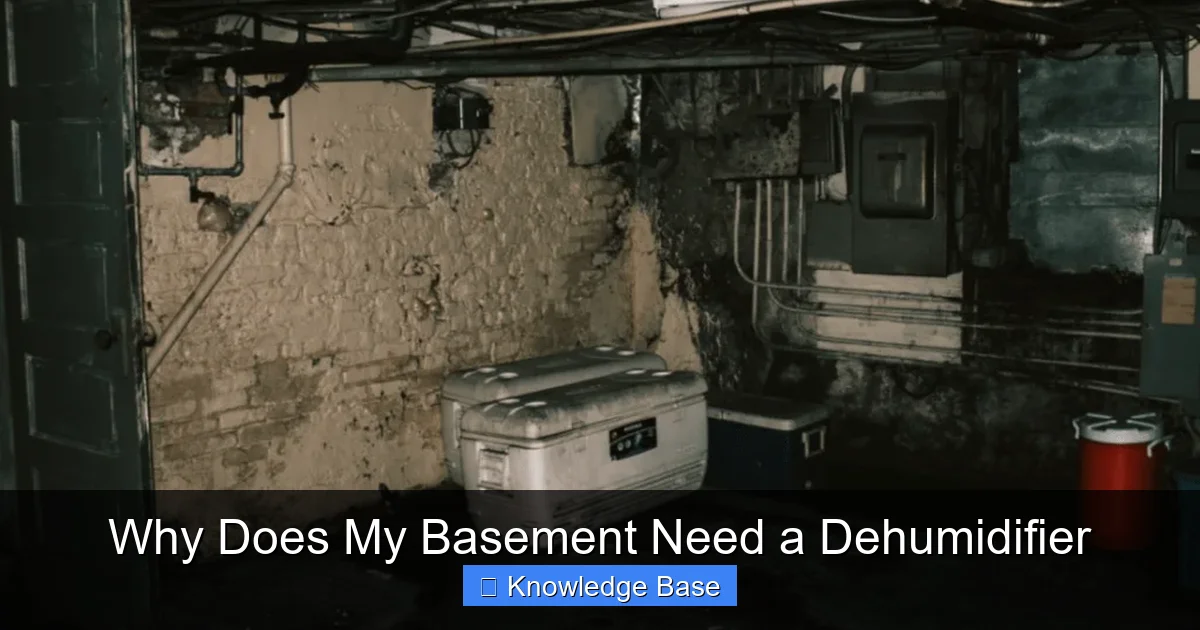
Visual guide about Why Does My Basement Need a Dehumidifier
Image source: housenotebook.com
Most people associate humidity with summer weather or tropical climates, but your basement can be just as humid—even in the dead of winter. The reason? Basements are built below ground, where the temperature stays relatively constant year-round. Soil surrounding your foundation absorbs and retains moisture from rain, snowmelt, and groundwater. This moisture slowly seeps into your basement through tiny cracks in the walls or floor, a process known as hydrostatic pressure.
Even if your basement looks dry, the air can still hold a lot of moisture. Relative humidity (RH) is the amount of water vapor in the air compared to what it can hold at a given temperature. Ideally, indoor humidity should stay between 30% and 50%. In many basements, however, RH can climb to 60%, 70%, or even higher—especially during warm, humid months. When warm, moist air from outside enters your cool basement, it cools down and can’t hold as much moisture. The excess water condenses on cold surfaces like walls, pipes, and concrete floors, creating that familiar “sweaty” look.
This cycle of moisture intrusion and condensation creates the perfect breeding ground for mold, mildew, and other moisture-related problems. And because basements are often out of sight and out of mind, these issues can go unnoticed for months—or even years—until they become serious.
Signs Your Basement Is Too Humid
You don’t need a hygrometer to know your basement has a humidity problem. Your senses can often tell you. Here are some common signs to watch for:
– A musty or earthy smell, especially when you first open the basement door.
– Visible condensation on windows, pipes, or cold walls.
– Water stains or discoloration on walls or ceilings.
– Peeling paint or wallpaper.
– Warped or swollen wood—like baseboards, door frames, or furniture.
– Damp or wet spots on the floor, even without flooding.
– Mold or mildew growth, often appearing as black, green, or white spots in corners, behind furniture, or along baseboards.
If you notice any of these signs, it’s a strong indication that your basement’s humidity levels are too high. Ignoring them can lead to bigger problems down the line, so it’s best to act quickly.
How Humidity Affects Your Home’s Structure
High humidity doesn’t just make your basement feel uncomfortable—it can actually damage your home’s structure over time. Wood is especially vulnerable. When exposed to consistent moisture, wooden beams, joists, and flooring can swell, warp, or rot. This weakens the structural integrity of your home and can lead to costly repairs.
Drywall and insulation are also at risk. Moisture can seep into drywall, causing it to soften, bubble, or crumble. Wet insulation loses its effectiveness, making your home less energy-efficient and more expensive to heat and cool. In extreme cases, prolonged moisture exposure can lead to foundation cracks or efflorescence—a white, powdery substance that forms when water pulls minerals from concrete and leaves them on the surface.
Even metal components aren’t safe. Nails, screws, and support brackets can rust when exposed to damp air, weakening their hold and potentially leading to structural failures.
Health Risks of a Damp Basement

Visual guide about Why Does My Basement Need a Dehumidifier
Image source: millennialhomeowner.com
Your basement isn’t just a storage space—it’s part of your home’s ecosystem. And when it’s damp, it can affect the air you breathe throughout the entire house. Mold and mildew thrive in humid environments, and once they take hold, they release spores into the air. These spores can travel through your HVAC system and circulate into living areas, where they can trigger allergies, asthma, and other respiratory issues.
People with pre-existing conditions like asthma, COPD, or weakened immune systems are especially vulnerable. Even healthy individuals may experience symptoms like coughing, sneezing, itchy eyes, or headaches when exposed to mold over time. Children and the elderly are also at higher risk.
But it’s not just mold. Dust mites—tiny insects that feed on dead skin cells—love humid environments. They multiply quickly in damp basements and can become a major allergen source. Their waste particles become airborne and can worsen allergy and asthma symptoms.
Common Health Symptoms Linked to Basement Humidity
If you or your family members are experiencing unexplained health issues, your basement’s humidity could be the culprit. Common symptoms include:
– Persistent coughing or wheezing, especially after spending time in the basement.
– Frequent sneezing or runny nose without a cold.
– Itchy or watery eyes.
– Skin rashes or irritation.
– Headaches or fatigue that improve when you leave the house.
– Worsening asthma or allergy symptoms.
These symptoms often go unnoticed or are mistaken for seasonal allergies. But if they persist—especially when you’re at home—it’s worth checking your basement’s humidity levels.
How a Dehumidifier Improves Air Quality
A dehumidifier works by pulling in moist air, removing the excess moisture, and releasing drier air back into the room. This process reduces the overall humidity level, making it harder for mold, mildew, and dust mites to survive. As a result, the air in your basement—and your entire home—becomes cleaner and healthier to breathe.
Many modern dehumidifiers also come with built-in air filters that capture dust, pollen, and other airborne particles. This adds an extra layer of protection, especially for people with allergies or respiratory conditions.
Over time, using a dehumidifier can lead to noticeable improvements in indoor air quality. You may find that your family breathes easier, sleeps better, and experiences fewer allergy flare-ups.
Protecting Your Belongings and Investments
Basements are often used for storage—whether it’s holiday decorations, family photos, old books, or seasonal clothing. But storing items in a damp basement is like inviting them to deteriorate. High humidity can cause fabrics to mildew, paper to warp, and electronics to corrode.
Imagine pulling out your winter coats after a long summer only to find them smelling musty or covered in mold. Or opening a box of old photo albums to discover that the pictures have stuck together or faded. These are real risks when humidity isn’t controlled.
Even furniture isn’t safe. Wooden shelves, cabinets, and tables can swell or warp in humid conditions. Upholstered furniture may develop mold underneath the fabric, leading to unpleasant odors and potential health hazards.
What Items Are Most at Risk?
Certain materials are especially vulnerable to moisture damage. These include:
– Paper products: Books, documents, photos, and artwork can yellow, warp, or grow mold.
– Fabrics: Clothing, curtains, rugs, and linens can develop mildew and odors.
– Electronics: Computers, TVs, and audio equipment can suffer from corrosion or short circuits.
– Wood: Furniture, flooring, and structural elements can swell, crack, or rot.
– Leather: Shoes, bags, and jackets can develop mold or become stiff and brittle.
By using a dehumidifier, you create a stable environment that protects these items from moisture-related damage. It’s a small investment that can save you from costly replacements.
Tips for Safe Basement Storage
Even with a dehumidifier, it’s important to store items properly to maximize protection:
– Use plastic storage bins with tight-fitting lids instead of cardboard boxes.
– Elevate items off the floor using shelves or pallets to prevent contact with moisture.
– Avoid storing items directly against exterior walls, which are more likely to be damp.
– Label boxes clearly so you can find what you need without rummaging through everything.
– Check stored items periodically for signs of moisture or mold.
These simple steps, combined with a dehumidifier, can help preserve your belongings for years to come.
Energy Efficiency and Cost Savings
You might think a dehumidifier is just another appliance that adds to your energy bill. But in reality, it can actually help you save money—especially in the summer months.
When your basement is damp, the moisture can rise into the rest of your home, making the air feel heavier and more uncomfortable. Your air conditioner has to work harder to remove both heat and humidity, which increases energy consumption. By using a dehumidifier in the basement, you reduce the overall moisture load on your HVAC system, allowing it to run more efficiently.
In fact, the Department of Energy estimates that lowering indoor humidity by just 10% can reduce cooling costs by up to 5%. Over time, these savings can add up—especially in humid climates or during long, hot summers.
How Dehumidifiers Work with Your HVAC System
Your air conditioner does remove some moisture from the air as it cools your home. But it’s not designed to handle high humidity levels on its own—especially in basements, which are often cooler and damper than the rest of the house.
A dehumidifier complements your HVAC system by targeting the source of the problem: excess moisture in the basement. By keeping humidity levels in check, it reduces the strain on your air conditioner and helps maintain a more consistent indoor climate.
Some homeowners even install whole-house dehumidifiers that integrate with their HVAC system. These units provide centralized humidity control and can be especially effective in large homes or regions with high outdoor humidity.
Choosing an Energy-Efficient Model
Not all dehumidifiers are created equal when it comes to energy use. Look for models with the ENERGY STAR label, which means they meet strict efficiency guidelines set by the U.S. Environmental Protection Agency. These units use up to 30% less energy than standard models, saving you money on your utility bill.
Other features to consider include:
– Auto-humidistat: Automatically adjusts humidity levels based on your settings.
– Auto-defrost: Prevents ice buildup in cold temperatures, ensuring efficient operation year-round.
– Timer function: Lets you run the unit only when needed.
– Low-temperature operation: Works effectively even in cooler basement environments.
Investing in an energy-efficient dehumidifier pays off in both comfort and cost savings.
Preventing Pests and Odors
Damp, dark basements are a magnet for pests. Insects like silverfish, centipedes, and cockroaches thrive in humid environments. Rodents such as mice and rats are also drawn to basements for shelter and water sources. Once they move in, they can be difficult to eliminate and may cause damage to insulation, wiring, and stored items.
A dehumidifier helps deter these unwanted guests by making your basement less hospitable. Dry air is less appealing to pests, and lower humidity reduces the availability of standing water or condensation they rely on for survival.
Common Pests Attracted to Damp Basements
– Silverfish: Small, wingless insects that feed on paper, glue, and starch. They love damp, dark spaces.
– Centipedes: Fast-moving predators that hunt other insects but prefer moist environments.
– Cockroaches: Known for spreading bacteria and triggering allergies, they seek out warm, humid areas.
– Mold mites: Microscopic pests that feed on mold and can worsen respiratory issues.
– Mice and rats: Seek shelter and water, often nesting in basements with poor ventilation.
By keeping your basement dry, you remove one of the main reasons pests are attracted to it in the first place.
Eliminating Musty Odors
That classic “basement smell” isn’t just unpleasant—it’s a sign of microbial growth. Mold, mildew, and bacteria release volatile organic compounds (VOCs) as they grow, creating that earthy, damp odor.
A dehumidifier tackles the root cause by reducing moisture, which slows or stops the growth of these organisms. Over time, the smell will fade. For best results, clean any existing mold with a solution of water and vinegar or a commercial mold cleaner, then run the dehumidifier continuously to prevent regrowth.
Adding an air purifier with a HEPA filter can also help remove odor-causing particles and improve overall air quality.
Choosing the Right Dehumidifier for Your Basement
Not all dehumidifiers are suitable for basement use. Basements are typically cooler and more humid than living areas, so you’ll need a model designed for those conditions.
Key Features to Look For
– Capacity: Measured in pints per day (PPD), this tells you how much moisture the unit can remove. For a typical basement, a 30- to 50-pint model is usually sufficient. Larger or very damp basements may need 70 pints or more.
– Low-temperature operation: Look for a dehumidifier that works efficiently at temperatures as low as 41°F (5°C), which is common in unheated basements.
– Automatic drainage: A hose attachment allows continuous drainage into a floor drain or sump pump, so you don’t have to empty the bucket manually.
– Built-in pump: Some models include a condensate pump that can push water upward into a sink or out a window—ideal for basements without floor drains.
– Humidistat: Lets you set your desired humidity level (ideally 30–50%) and automatically turns the unit on and off to maintain it.
Portable vs. Whole-House Dehumidifiers
Portable dehumidifiers are affordable and easy to install—just plug them in and go. They’re great for most basements and can be moved if needed.
Whole-house dehumidifiers are more expensive but offer centralized control and higher capacity. They’re ideal for large homes or severe humidity problems.
For most homeowners, a high-quality portable unit is the best balance of performance and cost.
Placement Tips
– Place the dehumidifier in the center of the basement or near the source of moisture.
– Keep it at least 6–12 inches away from walls and furniture for proper airflow.
– Avoid placing it near laundry machines or water heaters, which can add extra moisture.
– Run it continuously during humid months or set it on a timer for convenience.
Conclusion
Your basement is more than just a storage space—it’s a vital part of your home’s foundation, air quality, and overall comfort. And while it may seem like a dark, unused corner, it’s often the source of hidden problems like mold, musty odors, and structural damage. The good news? Many of these issues can be prevented with one simple solution: a dehumidifier.
By maintaining healthy humidity levels, a dehumidifier protects your home’s structure, improves indoor air quality, preserves your belongings, and even saves you money on energy bills. It’s a small investment that delivers big returns in comfort, health, and peace of mind.
If your basement feels damp, smells musty, or shows signs of moisture, don’t wait. Take action today. Install a dehumidifier, monitor your humidity levels, and enjoy a cleaner, drier, and healthier home for years to come.
Frequently Asked Questions
How do I know if my basement needs a dehumidifier?
If your basement has a musty smell, visible condensation, mold growth, or feels damp to the touch, it likely needs a dehumidifier. You can also use a hygrometer to check humidity levels—anything above 50% indicates a problem.
Can a dehumidifier prevent mold in my basement?
Yes, a dehumidifier helps prevent mold by reducing moisture in the air, which is essential for mold growth. For best results, clean any existing mold and run the dehumidifier continuously to maintain low humidity.
How often should I run my basement dehumidifier?
During humid months (spring through fall), run it continuously or set it on a timer. In winter, you may only need it occasionally, depending on your basement’s conditions and outdoor humidity.
Will a dehumidifier increase my electricity bill?
A dehumidifier uses electricity, but energy-efficient models (especially ENERGY STAR certified) consume less power. The savings from reduced HVAC use and prevented damage often outweigh the cost.
Can I use a regular room dehumidifier in my basement?
Not all room dehumidifiers are suitable for basements. Look for models designed for low temperatures and high humidity. Basement-specific units often have features like auto-defrost and continuous drainage.
How long does it take for a dehumidifier to dry out a basement?
It depends on the size of the basement and humidity level, but most units can significantly reduce moisture within 24 to 48 hours. For severely damp basements, it may take a week or more to reach optimal levels.