
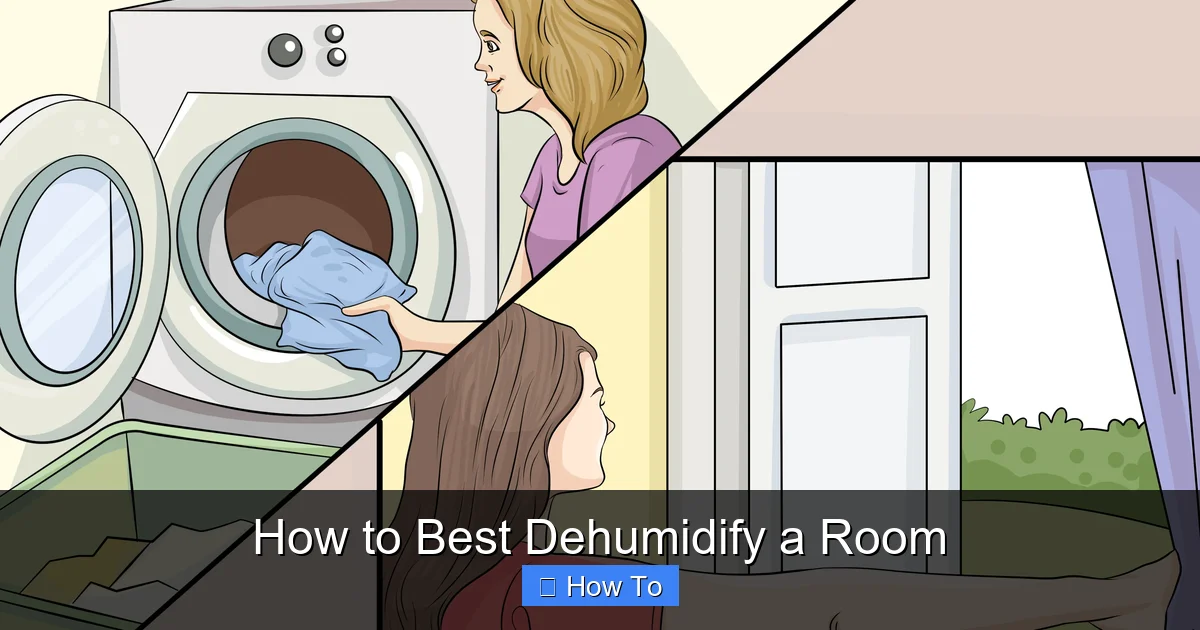
This guide teaches you how to best dehumidify a room using simple methods, from choosing the right dehumidifier to improving ventilation. You’ll discover cost-effective solutions and expert tips to keep your space dry, healthy, and comfortable year-round.
Quick Answers to Common Questions
Tip/Question?
Can I use a dehumidifier in winter?
Yes, but only if the room stays above 60°F. Most compressor dehumidifiers struggle in cold temperatures. Use a desiccant model for garages or unheated basements.
Tip/Question?
How often should I run my dehumidifier?
Run it continuously if humidity is high. Otherwise, use the auto-humidistat to maintain 40–50%. In dry climates, you may only need it a few hours a day.
Tip/Question?
Is it safe to leave a dehumidifier on overnight?
Yes, modern units are designed for continuous use. Just ensure it’s on a stable surface and the tank won’t overflow.
Tip/Question?
Can plants increase indoor humidity?
Yes, plants release moisture through transpiration. Limit large plants in small, poorly ventilated rooms if humidity is already high.
Tip/Question?
Do air purifiers dehumidify?
No, air purifiers clean the air but don’t remove moisture. You need a dehumidifier for that. Some models combine both functions.
How to Best Dehumidify a Room: A Complete Step-by-Step Guide
Excess moisture in your home isn’t just uncomfortable—it can lead to mold, mildew, musty odors, and even structural damage. Whether you live in a humid climate, have a damp basement, or notice condensation on your windows, knowing how to best dehumidify a room is essential for a healthy, comfortable living space.
In this comprehensive guide, you’ll learn practical, proven methods to reduce indoor humidity. We’ll cover everything from choosing the right dehumidifier to improving ventilation and using natural moisture absorbers. By the end, you’ll have a clear action plan to keep your rooms dry, fresh, and mold-free—no matter the season.
Step 1: Measure the Humidity Level
Before you start dehumidifying, it’s important to know how humid your room actually is. You can’t fix a problem you haven’t measured. The ideal indoor humidity level is between 30% and 50%. Anything above 60% creates a breeding ground for mold and dust mites.
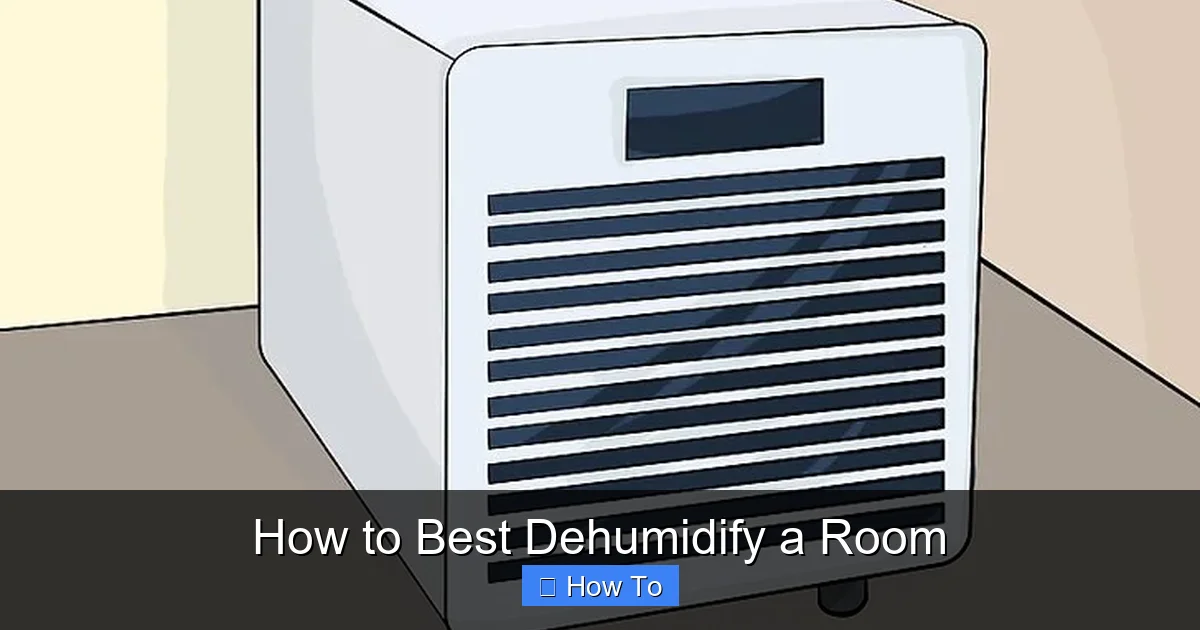
Visual guide about How to Best Dehumidify a Room
Image source: wikihow.com
Use a Hygrometer
A hygrometer is a small, affordable device that measures humidity. You can find digital hygrometers at hardware stores or online for under $20. Place it in the room you want to dehumidify and check the reading. If it’s consistently above 50%, it’s time to take action.
Check for Visual Signs
Even without a hygrometer, you can spot signs of high humidity. Look for:
- Condensation on windows or mirrors
- Peeling wallpaper or paint
- Musty smells, especially in closets or basements
- Warped wood furniture or flooring
- Black spots (mold) in corners or behind furniture
If you see any of these, your room likely has a moisture problem that needs addressing.
Step 2: Choose the Right Dehumidifier
The most effective way to dehumidify a room is with a dehumidifier. These appliances pull moisture from the air and collect it in a tank or drain it directly. But not all dehumidifiers are created equal—choosing the right one depends on your room size, humidity level, and budget.
Types of Dehumidifiers
There are three main types:
- Compressor (refrigerant) dehumidifiers: Best for warm, humid climates. They work like air conditioners, cooling air to remove moisture. Ideal for living rooms, basements, and large spaces.
- Desiccant dehumidifiers: Use moisture-absorbing materials (like silica gel) and work well in cooler temperatures. Great for garages, sheds, or winter use.
- Thermo-electric dehumidifiers: Quiet and compact, but less powerful. Best for small spaces like closets or RVs.
Size Matters
Dehumidifiers are rated by how many pints of moisture they can remove in 24 hours. Use this guide:
- Small rooms (up to 500 sq ft): 20–30 pint capacity
- Medium rooms (500–1,500 sq ft): 30–50 pint capacity
- Large or very damp areas (basements, crawl spaces): 50+ pint capacity
For example, a 30-pint dehumidifier is perfect for a standard bedroom or small basement. If your basement is damp and poorly ventilated, go for a 70-pint model.
Look for Key Features
When shopping, prioritize these features:
- Auto-humidistat: Lets you set your desired humidity level (e.g., 45%). The unit turns on/off automatically.
- Continuous drainage: Allows you to connect a hose so you don’t have to empty the tank daily.
- Energy Star rating: Saves electricity and reduces long-term costs.
- Washable filter: Easy to clean and maintain.
- Quiet operation: Look for models under 50 decibels if placing in a bedroom or living area.
Popular brands include Frigidaire, hOmeLabs, and GE. Read reviews and compare prices to find the best fit.
Step 3: Improve Ventilation and Airflow
Even the best dehumidifier can’t do all the work. Proper ventilation helps move moist air out and brings in drier air. This is especially important in kitchens, bathrooms, and laundry rooms—areas that generate a lot of moisture.
Use Exhaust Fans
Always run exhaust fans when cooking, showering, or doing laundry. These fans pull humid air directly outside, preventing it from spreading through your home. If your bathroom fan is weak or noisy, consider upgrading to a quieter, more efficient model.
Open Windows Strategically
On dry, cool days, open windows to let fresh air circulate. This works best in spring and fall when outdoor humidity is lower. Avoid opening windows during hot, humid summer days—this can actually increase indoor moisture.
Use Ceiling and Portable Fans
Fans help distribute air and reduce stagnant pockets of humidity. Place a box fan in a window to pull in dry air or push out moist air. Ceiling fans on low can also improve circulation without cooling the room.
Keep Interior Doors Open
Closed doors trap moisture in small spaces. Keep bedroom and closet doors open when possible to allow air to flow freely.
Step 4: Seal Leaks and Prevent Moisture Intrusion
Moisture often enters your home through cracks, gaps, and poorly sealed windows. Sealing these entry points is a critical step in how to best dehumidify a room.
Inspect Windows and Doors
Check for drafts or condensation around window frames. Apply weatherstripping or caulk to seal gaps. For older windows, consider installing storm windows or upgrading to double-pane glass.
Check the Foundation and Walls
In basements and crawl spaces, look for cracks in concrete walls or floors. Use hydraulic cement or epoxy injections to seal them. If water is seeping in during rain, you may need exterior drainage improvements like gutters or French drains.
Insulate Cold Surfaces
Condensation forms when warm, moist air hits cold surfaces. Insulate pipes, air ducts, and exterior walls to reduce temperature differences. Foam pipe insulation is cheap and easy to install.
Step 5: Use Natural Moisture Absorbers
For small spaces or as a supplement to mechanical dehumidifiers, natural absorbers can be surprisingly effective. These are great for closets, cabinets, storage boxes, or areas without electricity.
Rock Salt (Sodium Chloride)
Rock salt absorbs moisture from the air. Fill a container with rock salt and place it in a damp area. The salt will dissolve into a brine, which you can pour out and replace. This method works best in small, enclosed spaces.
Silica Gel Packets
You’ve probably seen these in shoeboxes or electronics packaging. Silica gel is highly absorbent and reusable. Place open containers in closets or drawers. To reuse, dry them in the oven at 250°F for an hour.
Charcoal Briquettes
Charcoal absorbs moisture and odors. Place a few briquettes in a breathable fabric bag and hang it in a closet or basement corner. Replace every few months.
Baking Soda
While not as powerful as other options, baking soda can help reduce moisture and odors in small spaces like refrigerators or gym bags.
Step 6: Address Water Sources and Habits
Prevention is key. Many indoor humidity problems come from everyday activities. Changing a few habits can make a big difference.
Avoid Indoor Drying of Clothes
Hanging wet clothes indoors releases gallons of moisture into the air over time. Use a dryer with an outdoor vent, or dry clothes outside when possible. If you must dry indoors, do it in a well-ventilated room with a fan or dehumidifier running.
Fix Leaks Immediately
A dripping faucet, leaking pipe, or roof leak can add significant moisture. Inspect under sinks, around toilets, and in the attic regularly. Repair leaks as soon as you spot them.
Use Lids on Pots While Cooking
Boiling water releases steam. Cover pots and pans to reduce the amount of moisture entering the air. This simple step can cut kitchen humidity by half.
Take Shorter, Cooler Showers
Long, hot showers create a lot of steam. Keep showers under 10 minutes and use cooler water. Turn on the exhaust fan before you even step in.
Step 7: Maintain Your Dehumidifier
A dehumidifier only works well if it’s properly maintained. Neglecting it can lead to mold growth inside the unit or reduced efficiency.
Clean the Filter Monthly
Most dehumidifiers have a washable air filter. Remove it and rinse with warm water. Let it dry completely before replacing. A dirty filter restricts airflow and makes the unit work harder.
Empty the Water Tank Regularly
If your model doesn’t have continuous drainage, empty the tank daily. Rinse it with mild soap to prevent mold and bacteria buildup.
Check the Coils and Drain Hose
Once a year, inspect the coils for dust or frost buildup. Clean them gently with a soft brush. If using a drain hose, make sure it’s not kinked or clogged.
Store Properly Off-Season
If you only use your dehumidifier in summer, clean it thoroughly before storing. Keep it in a dry place to prevent rust or mold.
Troubleshooting Common Problems
Even with the best efforts, you might run into issues. Here’s how to fix common dehumidifying problems.
Dehumidifier Isn’t Removing Enough Moisture
Possible causes:
- The room is too large for the unit—upgrade to a higher capacity model.
- The humidity setting is too high—lower it to 40–45%.
- The filter is dirty—clean or replace it.
- The coils are frozen—turn off the unit and let it defrost. This can happen in cold basements.
Musty Smell Persists
This usually means mold is growing somewhere. Check behind furniture, under carpets, or in HVAC ducts. Clean affected areas with a mixture of water and vinegar or a commercial mold cleaner. Run the dehumidifier continuously until the smell is gone.
High Electricity Bills
Dehumidifiers use energy, but you can reduce costs by:
- Using an Energy Star model
- Running it only when needed (use a timer or humidistat)
- Improving insulation and sealing leaks to reduce workload
Conclusion
Learning how to best dehumidify a room doesn’t have to be complicated. Start by measuring humidity, then choose the right tools—like a quality dehumidifier—and improve ventilation. Seal leaks, use natural absorbers, and change habits that add moisture. With consistent effort, you can maintain a dry, healthy, and comfortable home.
Remember, the goal isn’t to eliminate all moisture—some humidity is healthy. Aim for that sweet spot between 30% and 50%. Your home will feel fresher, your furniture will last longer, and your family will breathe easier.
Take action today. Pick one step from this guide and start dehumidifying your space. Your future self—and your walls—will thank you.