

Discover how to best use dehumidifier to improve indoor air quality, prevent mold, and save energy. This guide covers placement, settings, maintenance, and troubleshooting for optimal performance.
Quick Answers to Common Questions
Should I run my dehumidifier all the time?
Not necessarily. Run it continuously only in high-humidity conditions. Use a humidistat to automate on/off cycles and save energy.
Can I use a dehumidifier in winter?
Yes, but only if the room stays above 65°F. Below that, frost can form on the coils. Use a desiccant model for colder spaces.
How often should I clean the filter?
Clean the air filter every 4–6 weeks during heavy use, or monthly in high-dust environments.
Is it safe to leave a dehumidifier on overnight?
Yes, as long as it’s in a safe location, the tank is empty or drained, and the unit is in good condition. Modern models have safety shut-offs.
Can a dehumidifier help with allergies?
Absolutely. By reducing humidity, it inhibits mold, dust mites, and mildew—common allergy triggers.
How to Best Use Dehumidifier: A Complete Guide
High humidity isn’t just uncomfortable—it can damage your home, trigger allergies, and encourage mold growth. Whether you live in a humid climate or just notice dampness in your basement, bathroom, or closet, a dehumidifier can be a game-changer. But simply plugging in a dehumidifier isn’t enough. To get the most out of your unit, you need to know how to best use dehumidifier for maximum efficiency, energy savings, and long-term performance.
In this comprehensive guide, you’ll learn everything from choosing the right model to placing it correctly, setting the ideal humidity level, maintaining it properly, and troubleshooting common problems. By the end, you’ll have a clear, step-by-step plan to keep your home dry, healthy, and comfortable year-round.
Step 1: Choose the Right Dehumidifier for Your Needs
Before you even plug in your dehumidifier, make sure you’ve selected the right one. Not all dehumidifiers are created equal, and using the wrong size or type can lead to poor performance and wasted energy.
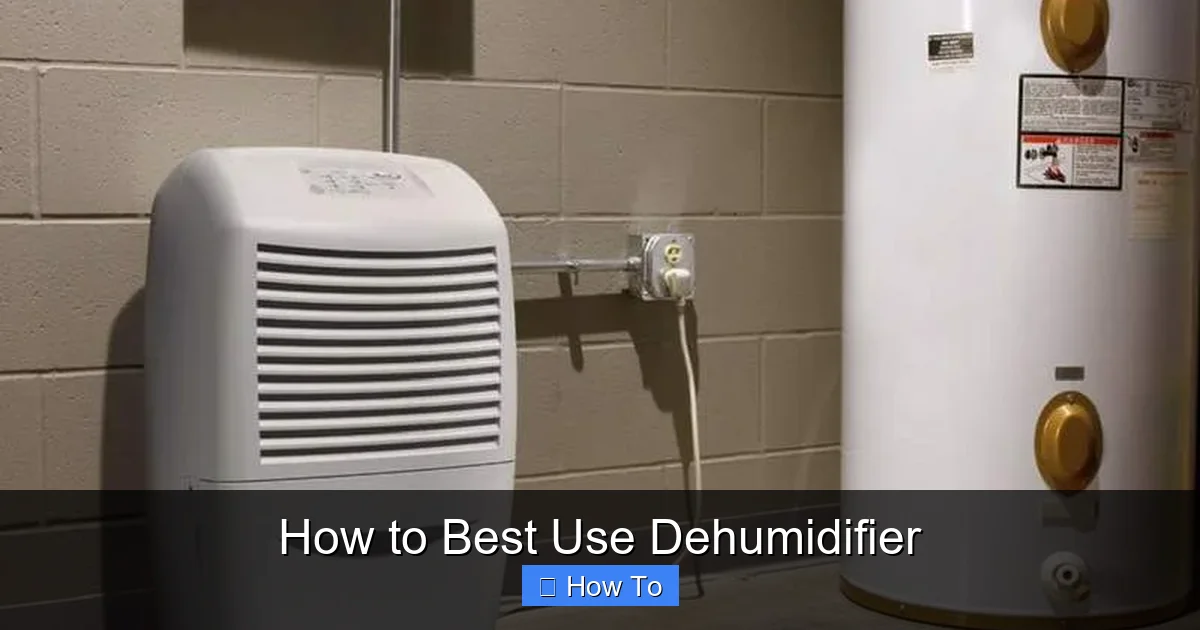
Visual guide about How to Best Use Dehumidifier
Image source: evaporativehumidifiers.com
Understand Dehumidifier Capacity
Dehumidifiers are rated by how many pints of moisture they can remove in 24 hours. For example, a 30-pint unit removes 30 pints of water per day. The right capacity depends on two main factors: the size of the space and the humidity level.
- Small spaces (up to 500 sq. ft.): A 20–30 pint unit works well for bathrooms, closets, or small basements.
- Medium spaces (500–1,500 sq. ft.): Choose a 30–50 pint model for average-sized basements or living areas.
- Large or very damp spaces (1,500+ sq. ft.): Opt for a 50+ pint dehumidifier, especially if you live in a humid climate or have a flooded basement.
Consider the Type of Dehumidifier
There are two main types: refrigerant (compressor) and desiccant.
- Refrigerant dehumidifiers: Most common and effective in warm, humid environments (above 65°F). They work by cooling air to condense moisture.
- Desiccant dehumidifiers: Use a moisture-absorbing material and work better in cooler temperatures (like unheated basements). They’re quieter but may use more energy.
Look for Energy Efficiency
Check for the ENERGY STAR label. Energy-efficient models use less electricity and can save you money on utility bills. Also, look for features like auto-humidistat, auto-defrost, and low-temperature operation.
Step 2: Find the Best Location to Place Your Dehumidifier
Where you place your dehumidifier has a big impact on how well it works. Even the best unit won’t perform well if it’s in the wrong spot.
Choose the Most Humid Area
Start by identifying the room or area with the highest humidity. Common problem zones include:
- Basements
- Bathrooms (especially without exhaust fans)
- Laundry rooms
- Closets with poor ventilation
- Kitchens with frequent steam
If you’re unsure, use a hygrometer (a humidity meter) to measure moisture levels in different rooms. Place the dehumidifier where the reading is highest.
Ensure Proper Airflow
Dehumidifiers need good airflow to pull in moist air and release dry air. Avoid placing the unit:
- Too close to walls or furniture (leave at least 6–12 inches of space)
- In tight corners or enclosed cabinets
- Behind curtains or drapes
Ideally, place it in the center of the room or near a doorway to allow air to circulate freely.
Elevate the Unit (If Possible)
Placing the dehumidifier on a small stand or platform can improve airflow and prevent water damage if the floor gets wet. This is especially helpful in basements.
Step 3: Set the Ideal Humidity Level
One of the most important steps in how to best use dehumidifier is setting the right humidity level. Too dry, and you’ll waste energy and feel uncomfortable. Too humid, and you’ll defeat the purpose.
Use a Hygrometer to Monitor Humidity
Most dehumidifiers have built-in humidistats, but they’re not always accurate. For best results, use a separate digital hygrometer to check the actual humidity in the room.
Target 30% to 50% Humidity
The ideal indoor humidity range is between 30% and 50%. Here’s why:
- Below 30%: Air becomes too dry, leading to dry skin, irritated sinuses, and static electricity.
- Above 50%: Promotes mold, mildew, dust mites, and musty odors.
For most homes, aim for 40–45% in summer and 30–40% in winter (colder air holds less moisture).
Use the Built-In Humidistat
Once you know your target, set the humidistat on your dehumidifier to that level. The unit will automatically turn on and off to maintain the desired humidity.
Tip: If your dehumidifier doesn’t have a humidistat, run it in cycles—on for a few hours, off for a few hours—and check the humidity regularly.
Step 4: Use Continuous Drainage for High-Humidity Areas
If you’re using your dehumidifier in a basement, crawl space, or other area with constant moisture, emptying the water tank every few hours is a hassle. That’s where continuous drainage comes in.
Connect a Drain Hose
Most dehumidifiers have a drain hose outlet. Attach a standard garden hose (usually 5/8” or 3/4”) and route it to a floor drain, sump pump, or outside.
Make sure the hose slopes downward to allow gravity to do the work. Avoid kinks or loops that could trap water.
Use a Condensate Pump (For Uphill Drainage)
If you need to drain water uphill (e.g., from a basement to a sink), use a condensate pump. These small pumps automatically move water to a higher elevation.
Benefits of Continuous Drainage
- No need to empty the tank
- Prevents overflow and water damage
- Allows the dehumidifier to run 24/7 without interruption
Step 5: Run Your Dehumidifier at the Right Times
Running your dehumidifier 24/7 isn’t always necessary—or efficient. Timing matters.
Use a Timer or Smart Features
Many modern dehumidifiers come with timers or smart controls. Set it to run during peak humidity times, such as:
- Early morning (when humidity rises overnight)
- After showers or laundry
- Evening (when outdoor humidity often increases)
Run It Continuously in High-Humidity Seasons
During summer or rainy seasons, you may need to run the dehumidifier nonstop. Use continuous drainage to avoid frequent tank emptying.
Turn It Off in Dry Conditions
If outdoor humidity drops (e.g., in winter or dry climates), turn off the dehumidifier to save energy. Check indoor humidity levels regularly.
Step 6: Maintain Your Dehumidifier for Long-Term Performance
Like any appliance, your dehumidifier needs regular care to work efficiently and last longer. Neglecting maintenance can lead to reduced performance, higher energy bills, and even mold growth inside the unit.
Empty the Water Tank Regularly
Even with a drain hose, check the tank periodically. If the float switch gets stuck, the unit may stop working even if the tank is full.
Tip: Wash the tank with mild soap and water every few weeks to prevent mold and bacteria buildup.
Clean the Air Filter Monthly
The air filter traps dust, pet dander, and other particles. A clogged filter reduces airflow and efficiency.
To clean:
- Turn off and unplug the dehumidifier.
- Remove the filter (usually behind a front or side panel).
- Rinse it under warm water or vacuum it.
- Let it dry completely before reinserting.
Inspect and Clean the Coils
Over time, dust and debris can build up on the evaporator and condenser coils. This reduces heat exchange and makes the unit work harder.
Use a soft brush or vacuum with a brush attachment to gently clean the coils. For heavy buildup, use a coil cleaner spray (available at hardware stores).
Check for Frost (in Cold Areas)
If you use your dehumidifier in an unheated basement or garage, frost can form on the coils in cold weather. Most units have an auto-defrost feature, but if not, turn it off until temperatures rise above 65°F.
Store Properly During Off-Seasons
If you only use your dehumidifier seasonally, clean it thoroughly before storing. Remove the filter, empty the tank, and let all parts dry. Store in a dry, dust-free place.
Step 7: Troubleshoot Common Dehumidifier Problems
Even with proper use, issues can arise. Here’s how to fix the most common problems.
Dehumidifier Isn’t Collecting Water
Possible causes:
- Low humidity: If indoor humidity is already below 40%, the unit won’t collect much water.
- Dirty filter or coils: Clean them to restore airflow.
- Frost on coils: Turn off the unit and let it defrost. Use only in temperatures above 65°F.
- Incorrect settings: Make sure the humidistat is set low enough (e.g., 45%).
Unit Is Too Loud
Normal operation includes a fan and compressor noise. But excessive noise may indicate:
- Loose parts: Tighten screws or panels.
- Fan obstruction: Check for debris blocking the fan.
- Worn motor: If the noise is grinding or screeching, contact the manufacturer.
Dehumidifier Cycles On and Off Too Often
This can waste energy and strain the compressor. Causes include:
- Dirty filter or coils: Clean them to improve efficiency.
- Incorrect humidistat setting: Adjust to a wider range (e.g., 40–50%).
- Room temperature fluctuations: Avoid placing near heaters or air conditioners.
Water Is Leaking
Check for:
- Overfilled tank: Empty it and ensure the float switch moves freely.
- Cracked tank or hose: Replace damaged parts.
- Improper hose slope: Make sure the drain hose flows downward.
Musty Smell from the Unit
This usually means mold or bacteria inside. Clean the tank, filter, and coils. Run the unit with a cup of white vinegar in the tank for 30 minutes to disinfect.
Bonus Tips for Maximum Efficiency
Want to get even more from your dehumidifier? Try these expert tips:
- Seal air leaks: Use weatherstripping and caulk to prevent humid outdoor air from entering your home.
- Use exhaust fans: Run bathroom and kitchen fans during and after showers or cooking.
- Ventilate laundry areas: Dry clothes outside or use a vented dryer.
- Open windows on dry days: Let in fresh, dry air to reduce indoor humidity naturally.
- Upgrade insulation: Proper insulation keeps moisture out and reduces the workload on your dehumidifier.
Conclusion
Knowing how to best use dehumidifier goes beyond just plugging it in. By choosing the right size, placing it correctly, setting the ideal humidity level, using continuous drainage, running it at the right times, and maintaining it regularly, you’ll enjoy a healthier, more comfortable home.
A well-used dehumidifier prevents mold, reduces allergens, protects your belongings, and can even lower your energy bills. With the tips and steps in this guide, you’re equipped to get the most out of your unit—season after season.
Remember: a dry home is a happy home. Start using your dehumidifier the right way today.