

Buying a dehumidifier for your basement doesn’t have to be overwhelming. This guide walks you through everything you need to know—from sizing and features to placement and maintenance—so you can choose the best unit for your space. Keep your basement dry, mold-free, and comfortable year-round with the right dehumidifier.
Quick Answers to Common Questions
What size dehumidifier do I need for a 1,000 sq ft basement?
A 50-pint to 70-pint dehumidifier is ideal for a 1,000 sq ft basement, especially if it’s damp or prone to moisture. Choose 70 pints if the space is very humid or unfinished.
Can I run a dehumidifier 24/7?
Yes, most modern dehumidifiers are designed for continuous operation. Just make sure it has a continuous drain option or a large tank to avoid frequent emptying.
Do dehumidifiers use a lot of electricity?
They use moderate energy—about 300–700 watts. ENERGY STAR® models are more efficient and can save you money on your electric bill.
Should I buy a dehumidifier with a built-in pump?
A built-in pump lets you drain water upward into a sink or window, which is helpful if you don’t have a floor drain. It’s a useful feature for basements without easy drainage.
How often should I clean my dehumidifier?
Clean the filter weekly and the coils and tank monthly. Deep clean every 3–6 months to prevent mold and maintain performance.
How to Buy a Dehumidifier for Basement: A Complete Step-by-Step Guide
If your basement feels damp, smells musty, or shows signs of mold, you’re not alone. Basements are naturally prone to high humidity due to poor ventilation, groundwater seepage, and cooler temperatures. The good news? A dehumidifier can make a huge difference. But with so many models on the market, how do you choose the right one?
In this guide, we’ll walk you through everything you need to know to buy the perfect dehumidifier for your basement. From understanding humidity levels to comparing features and brands, we’ll help you make a smart, informed decision. Whether you’re dealing with a small crawl space or a large finished basement, this guide has you covered.
Step 1: Assess Your Basement’s Humidity Level
Before you buy a dehumidifier, you need to know how bad the humidity problem is. A hygrometer—a simple, inexpensive device—can measure the relative humidity (RH) in your basement. Ideally, your basement should have an RH between 30% and 50%. Anything above 60% creates a breeding ground for mold, mildew, and dust mites.
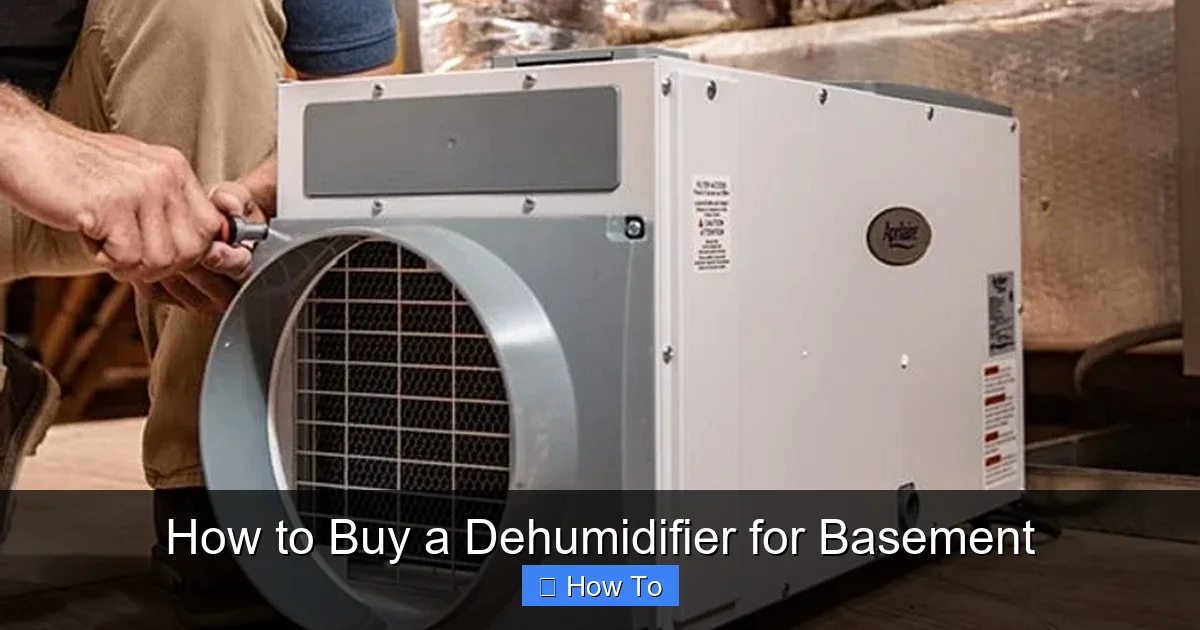
Visual guide about How to Buy a Dehumidifier for Basement
Image source: s3-assets.sylvane.com
How to Check Humidity
- Buy a digital hygrometer (available at hardware stores or online for under $20).
- Place it in the basement for 24–48 hours, away from windows, vents, or direct sunlight.
- Record the readings at different times of day.
- If the average is above 60%, you definitely need a dehumidifier.
Signs You Need a Dehumidifier
- Musty or earthy smell
- Visible mold or mildew on walls, ceilings, or furniture
- Condensation on windows, pipes, or walls
- Peeling paint or wallpaper
- Warped wood or rust on metal objects
Even if you don’t see obvious signs, a consistently damp feeling or cool, clammy air means humidity is too high. Don’t wait for mold to grow—act now.
Step 2: Determine the Size of Your Basement
Dehumidifiers are rated by how many pints of moisture they can remove in 24 hours. The right size depends on two things: the square footage of your basement and how damp it is.
Calculate Square Footage
- Measure the length and width of your basement in feet.
- Multiply them to get the total square footage.
- For example, a 20 ft x 30 ft basement = 600 sq ft.
Match Size to Humidity Level
Use this general guide to choose the right capacity:
- 30-pint unit: Best for small basements (up to 500 sq ft) that are slightly damp.
- 50-pint unit: Ideal for medium basements (500–1,000 sq ft) with moderate humidity.
- 70-pint unit or higher: Needed for large basements (1,000+ sq ft) that are very damp or prone to flooding.
Keep in mind: If your basement is finished, has carpet, or is used as a living space, you may want to go one size up for better performance.
Step 3: Choose the Right Type of Dehumidifier
There are two main types of dehumidifiers: refrigerant (compressor) and desiccant. Most home basements use refrigerant models, but let’s break down the differences.
Refrigerant (Compressor) Dehumidifiers
These are the most common and affordable. They work by pulling air over cold coils, causing moisture to condense into a tank. They’re highly effective in warm, humid environments (above 65°F).
- Pros: Energy-efficient, great for large spaces, widely available.
- Cons: Less effective in cold basements (below 60°F), can be noisy.
Desiccant Dehumidifiers
These use a moisture-absorbing material (like silica gel) to pull water from the air. They work well in cold or low-humidity environments.
- Pros: Quiet, effective in cold temperatures, lightweight.
- Cons: Less energy-efficient, smaller capacity, higher upfront cost.
For most basements, a refrigerant dehumidifier is the best choice—especially if your basement stays above 60°F. But if it’s unheated and cold (like a crawl space), consider a desiccant model.
Step 4: Look for Key Features
Not all dehumidifiers are created equal. The best models come with smart features that make them easier to use and more effective.
Auto-Humidistat
This lets you set your desired humidity level (e.g., 45%). The dehumidifier will turn on and off automatically to maintain that level. No more guessing or constant monitoring.
Continuous Drainage Option
Instead of emptying a water tank every day, you can attach a hose to drain water directly into a floor drain, sink, or sump pump. This is a must-have for basements that run 24/7.
Auto-Restart
If the power goes out, the dehumidifier will turn back on automatically when power returns. This is crucial for preventing mold during storms or outages.
Washable Air Filter
A reusable filter traps dust and allergens. Look for one that’s easy to remove and clean—no need to buy replacements.
Low-Temperature Operation
Some models can operate in temperatures as low as 41°F. If your basement is unheated, this feature is essential.
Energy Efficiency
Look for the ENERGY STAR® label. These models use up to 30% less energy than standard units, saving you money on electricity.
Noise Level
Check the decibel (dB) rating. Most dehumidifiers run between 45–60 dB—about as loud as a quiet conversation. If noise is a concern, look for models under 50 dB.
Step 5: Decide Between Portable and Whole-House Dehumidifiers
Portable dehumidifiers are the most popular for basements. They’re affordable, easy to move, and perfect for single rooms. But if you have a large home or multiple damp areas, a whole-house system might be worth considering.
Portable Dehumidifiers
- Best for: Single basements, crawl spaces, or garages.
- Price range: $150–$500.
- Pros: Easy to install, no ductwork needed, can be moved between rooms.
- Cons: Limited coverage, require regular maintenance.
Whole-House Dehumidifiers
- Best for: Large homes with multiple damp areas or HVAC integration.
- Price range: $1,000–$3,000+ (plus installation).
- Pros: Covers entire home, integrates with HVAC, low maintenance.
- Cons: Expensive, requires professional installation, overkill for small basements.
For most homeowners, a high-quality portable dehumidifier is the best choice. It’s cost-effective, powerful, and easy to use.
Step 6: Compare Brands and Read Reviews
Not all dehumidifiers are built the same. Some brands are known for reliability, quiet operation, and customer support. Here are a few top-rated brands to consider:
Frigidaire
Known for durability and energy efficiency. Their 50-pint and 70-pint models are popular for basements.
hOmeLabs
Offers sleek, modern designs with smart features like app control and auto-defrost. Great for tech-savvy users.
GE
Reliable and affordable, with strong performance in medium to large spaces.
Keystone
Budget-friendly option with solid performance. Good for smaller basements.
AprilAire
Specializes in whole-house systems. Ideal if you’re looking for long-term, whole-home humidity control.
Before buying, read customer reviews on sites like Amazon, Home Depot, or Consumer Reports. Look for comments about noise, reliability, and ease of maintenance.
Step 7: Consider Installation and Placement
Even the best dehumidifier won’t work well if it’s in the wrong spot. Proper placement ensures maximum airflow and efficiency.
Where to Place Your Dehumidifier
- Central location: Avoid corners or behind furniture. Place it where air can circulate freely.
- Near the source of moisture: If one area is damper (like near a sump pump), position it there.
- At least 6–12 inches from walls: This allows air to flow in and out of the unit.
- On a flat, stable surface: Use a stand or platform if the floor is uneven.
Installation Tips
- If using a drain hose, make sure it slopes downward to prevent water backup.
- Use a timer or smart plug to run the dehumidifier during off-peak hours (if your utility offers lower rates).
- Keep the area around the unit clean and free of clutter.
Step 8: Maintain Your Dehumidifier
Regular maintenance keeps your dehumidifier running efficiently and extends its lifespan. Here’s what to do:
Weekly
- Check the water tank and empty it if full.
- Inspect the air filter and clean it if dirty.
Monthly
- Wash the filter with warm, soapy water and let it dry completely.
- Wipe down the exterior with a damp cloth.
Seasonally
- Clean the coils and fan with a soft brush or vacuum.
- Check the drain hose for clogs or leaks.
- Inspect the unit for mold or mildew buildup.
Neglecting maintenance can reduce efficiency, increase energy use, and even cause the unit to break down. A little care goes a long way.
Troubleshooting Common Issues
Even the best dehumidifiers can have problems. Here’s how to fix common issues:
Dehumidifier Isn’t Removing Moisture
- Possible causes: Dirty filter, blocked airflow, low refrigerant, or undersized unit.
- Solution: Clean the filter, check for obstructions, and ensure the unit is the right size for your space.
Water Tank Fills Up Too Fast
- Possible causes: Extremely high humidity, leaky basement, or faulty humidistat.
- Solution: Use a drain hose, fix any water leaks, and recalibrate the humidistat.
Unit Is Too Loud
- Possible causes: Loose parts, fan issues, or placement on a vibrating surface.
- Solution: Tighten screws, check the fan, and place the unit on a rubber mat to reduce vibration.
Dehumidifier Won’t Turn On
- Possible causes: Power outage, tripped breaker, or faulty plug.
- Solution: Check the outlet, reset the breaker, and ensure the plug is secure.
If problems persist, consult the user manual or contact the manufacturer’s customer support.
Conclusion
Buying a dehumidifier for your basement is a smart investment in your home’s health and comfort. By following this guide, you’ll know exactly what to look for—whether it’s the right size, the best features, or the most reliable brand. Remember: the goal is to keep your basement dry, mold-free, and livable.
Start by testing your humidity, measuring your space, and choosing a model that fits your needs. With proper placement and regular maintenance, your dehumidifier will work efficiently for years to come. Say goodbye to musty smells and hello to a fresher, healthier basement.