
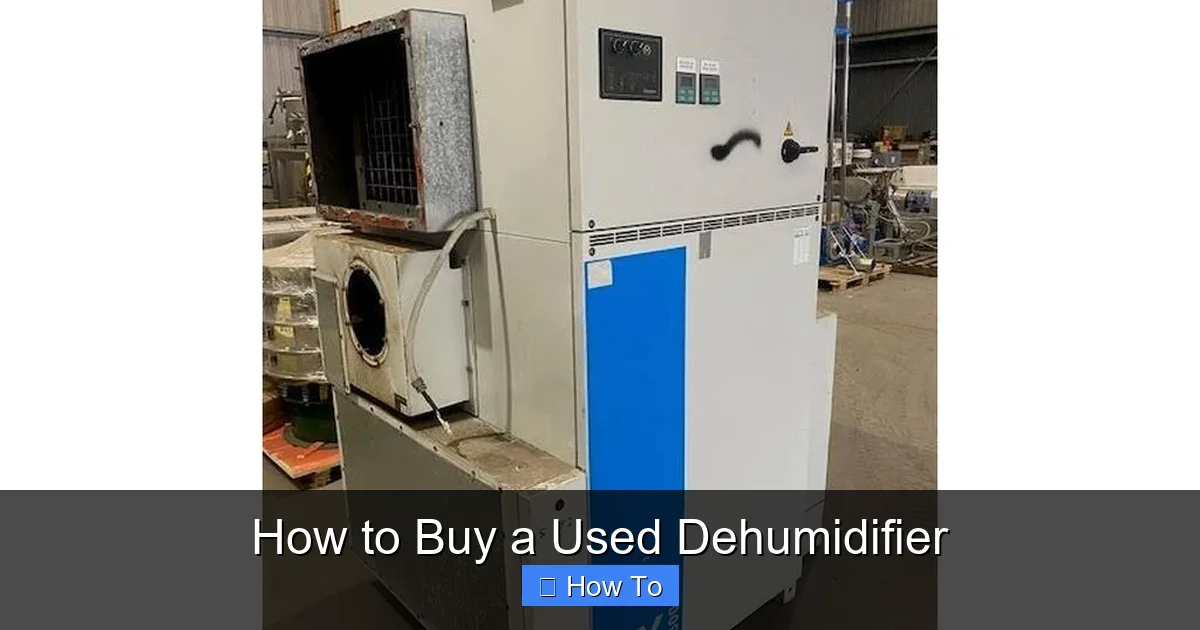
Buying a used dehumidifier can save you money, but only if you know what to look for. This guide walks you through every step—from checking the model and testing performance to negotiating the price and ensuring safety. Get a reliable unit without the new price tag.
Quick Answers to Common Questions
Tip/Question?
Should I buy a used dehumidifier with a cracked water tank?
Only if the crack is small and you can replace the tank. Check online for replacement parts. If unavailable, it’s not worth the hassle.
Tip/Question?
How long should a used dehumidifier last?
Most last 5–10 years. If it’s over 7 years old, expect to replace it sooner. Factor this into your decision.
Tip/Question?
Can I use a used dehumidifier in a basement?
Yes, as long as it’s the right size (measured in pints) and in good condition. Ensure it has a drain hose option for continuous use.
Tip/Question?
Is it safe to buy a dehumidifier from Craigslist?
Yes, but meet in a public place, inspect the unit, and avoid cash-only deals. Trust your instincts.
Tip/Question?
Do I need to replace the filter on a used dehumidifier?
Not always, but it’s a good idea. A clean filter improves air quality and efficiency. Replacement filters cost $10–$20.
How to Buy a Used Dehumidifier
Buying a used dehumidifier can be a smart, budget-friendly move—especially if you’re dealing with damp basements, musty closets, or seasonal humidity. New dehumidifiers can cost anywhere from $150 to $500 or more, but a gently used model might do the same job for half the price. However, not all used units are created equal. Without proper inspection and knowledge, you could end up with a noisy, inefficient, or even hazardous appliance.
This guide will walk you through the entire process of buying a used dehumidifier—from where to look and what to ask, to how to test it and clean it once you get it home. By the end, you’ll feel confident making a smart purchase that saves you money without sacrificing performance or safety.
Why Buy a Used Dehumidifier?
Before diving into the how-to, let’s talk about the why. There are several good reasons to consider a used dehumidifier:
- Cost savings: You can often find high-quality models for 30–50% off retail price.
- Eco-friendly choice: Reusing appliances reduces electronic waste and conserves resources.
- Short-term needs: If you only need dehumidification for a few months (like during rainy season), a used unit makes financial sense.
- Availability of discontinued models: Some older models are still highly effective and may no longer be in production.
That said, used doesn’t always mean unreliable. Many people sell dehumidifiers simply because they moved, upgraded, or no longer need them. With the right approach, you can find a great deal.
Where to Find Used Dehumidifiers
Knowing where to look is the first step. Here are the most common and reliable places to find used dehumidifiers:
Online Marketplaces
Websites like Facebook Marketplace, Craigslist, OfferUp, and Letgo are popular for local used appliance sales. You can often negotiate prices and inspect the unit in person before buying. Be cautious of scams—always meet in a public place and avoid wire transfers.
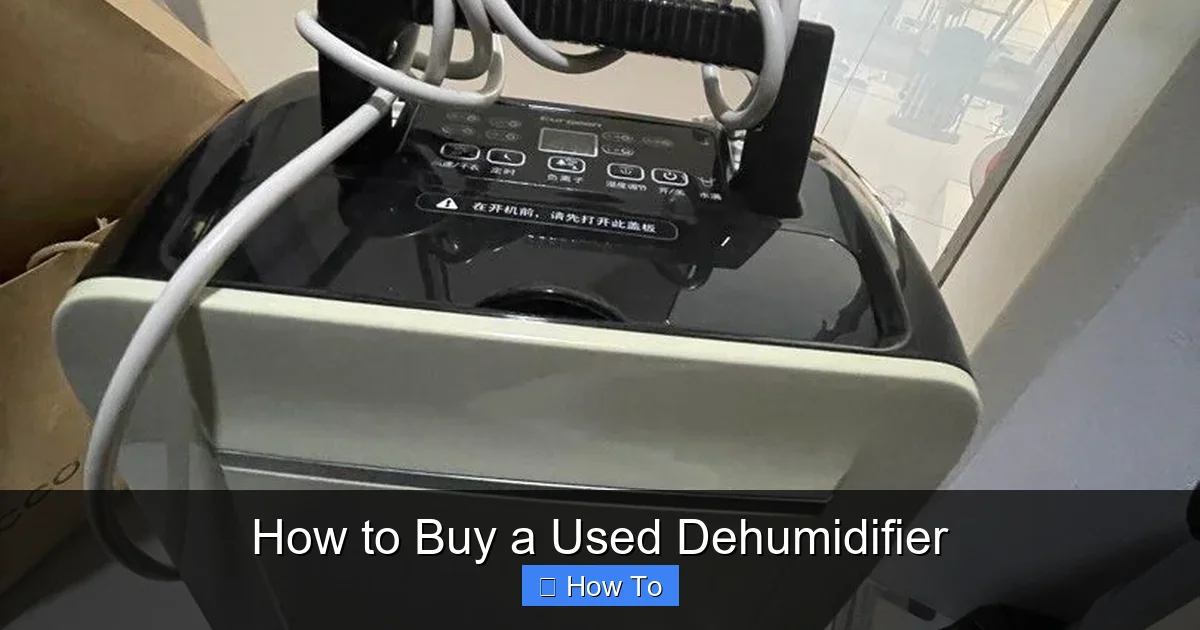
Visual guide about How to Buy a Used Dehumidifier
Image source: media.karousell.com
Thrift Stores and Appliance Resellers
Some thrift stores, like Goodwill or Habitat for Humanity ReStore, occasionally carry used dehumidifiers. These are usually cleaned and tested, though availability varies. Check regularly, as items sell quickly.
Garage Sales and Estate Sales
These can be goldmines for gently used appliances. Sellers are often motivated to clear out items quickly, so you may get a great deal. Arrive early for the best selection.
Auction Sites
eBay and other auction platforms offer used dehumidifiers, sometimes with shipping included. Read seller reviews carefully and check return policies. Avoid listings with blurry photos or vague descriptions.
Friends, Family, or Community Groups
Ask around! Someone you know might have a spare unit they’re willing to sell or even give away. Local community Facebook groups or Nextdoor can also be helpful.
What to Look for Before Buying
Once you’ve found a potential unit, it’s time to inspect it thoroughly. A used dehumidifier should still function well and be safe to operate. Here’s a step-by-step checklist:
1. Check the Exterior Condition
Start with a visual inspection. Look for:
- Rust or corrosion: Especially around the water tank, coils, or base. Rust can indicate water damage or poor storage.
- Cracks or dents: Minor cosmetic damage is okay, but large cracks in the casing or tank can lead to leaks.
- Stains or discoloration: Dark spots or mold growth are red flags. These suggest moisture buildup inside the unit.
- Missing parts: Ensure the water tank, filter, and hose (if applicable) are included.
2. Inspect the Water Tank
The tank should be clean and free of cracks or warping. Lift it out and check for:
- Residue or slime: A sticky or slimy film indicates bacterial growth. This can be cleaned, but it’s a sign the unit wasn’t maintained well.
- Odor: Smell the tank. A musty or sour smell suggests mold or mildew inside.
- Capacity: Make sure the tank size matches your needs. Most home units hold 7–15 pints.
3. Examine the Air Filter
The filter traps dust and allergens. A clogged or dirty filter reduces efficiency. Look for:
- Heavy buildup: If the filter is caked with dust, it may need replacement (typically $10–$20).
- Damage: Torn or frayed filters won’t work properly.
Ask the seller if they’ve replaced the filter recently. If not, factor in the cost of a new one.
4. Look for Mold or Mildew Inside
Open the front panel (if possible) and inspect the interior. Use a flashlight to check the coils and fan area. Signs of mold or mildew include:
- Black or green spots
- Musty odor
- Sticky residue
Mold inside the unit can spread spores into your home when running. If you see significant growth, walk away.
5. Check the Power Cord and Plug
Ensure the cord is intact—no fraying, cuts, or exposed wires. The plug should fit securely into outlets. Avoid units with damaged cords; rewiring can be dangerous and costly.
Test the Dehumidifier Before Buying
Never buy a used dehumidifier without testing it. Here’s how to do it safely and effectively:
Ask the Seller to Run It
Politely request that the seller plug in the unit and let it run for 15–20 minutes. This gives you time to observe its performance.
Listen for Unusual Noises
While running, listen for:
- Loud rattling or banging: Could indicate loose parts or a failing compressor.
- High-pitched whining: May signal motor issues.
- Excessive vibration: The unit should sit level and run smoothly.
A normal dehumidifier makes a low hum and occasional clicking (when the compressor cycles). Anything louder is a concern.
Check Airflow
Feel the air coming from the vents. It should be:
- Consistent: No weak or intermittent airflow.
- Cool or slightly warm: Not hot, which could mean overheating.
- Free of odors: No burning, musty, or chemical smells.
Monitor Moisture Removal
Place a small bowl of water near the unit and observe if the humidity level drops over 20 minutes. While you can’t measure exact pint removal without tools, you should notice:
- The tank begins to collect water
- The air feels less damp
- The unit cycles on and off appropriately
If the tank fills quickly or the unit runs nonstop without collecting water, there may be a problem.
Test the Controls and Settings
Make sure all buttons, dials, and digital displays work. Test different settings:
- Humidity level adjustment
- Fan speed
- Timer or auto-shutoff
- Continuous drain option (if available)
Broken controls can be expensive to repair.
Research the Model and Age
Not all dehumidifiers are built to last. Some brands and models are known for reliability, while others fail within a few years. Here’s how to research before you buy:
Find the Model Number
The model number is usually on a sticker inside the front panel or on the back. Write it down.
Search Online
Use the model number to search for:
- Product reviews: Look for common complaints or praise on sites like Amazon, Consumer Reports, or Reddit.
- Energy efficiency: Check the ENERGY STAR rating. Older models may use more electricity.
- Expected lifespan: Most dehumidifiers last 5–10 years. If the unit is over 7 years old, it may be near the end of its life.
- Recall information: Some models have been recalled for safety issues. Check the manufacturer’s website or the CPSC database.
Ask the Seller About Age and Usage
Questions to ask:
- “How long have you owned it?”
- “How often did you use it?”
- “Has it ever been repaired?”
- “Why are you selling it?”
Honest answers can reveal a lot. A unit used daily in a damp basement will have more wear than one used occasionally in a closet.
Evaluate the Price
Used dehumidifiers typically sell for 30–70% off retail, depending on age and condition. Use these guidelines:
Compare to New Prices
Check the current price of the same or similar model new. For example:
- A used 50-pint dehumidifier that’s $300 new might sell for $120–$200 used.
- A compact 30-pint model might go for $60–$120.
Factor in Condition
Adjust the price based on:
- Excellent condition: 50–70% off
- Good condition: 60–80% off
- Fair condition (needs cleaning or minor repair): 70–90% off
Negotiate Smartly
Use any flaws as leverage:
- “The filter is dirty—can you lower the price?”
- “There’s some rust on the base—how about $20 off?”
- “The tank has a crack—I’ll take it for $50.”
Be polite but firm. Most sellers expect some negotiation.
Avoid Common Pitfalls
Even with careful inspection, some issues aren’t obvious. Watch out for these red flags:
Freon or Refrigerant Leaks
Signs include:
- Oil stains near the compressor
- Hissing sounds
- Unit runs but doesn’t remove moisture
Recharging refrigerant is expensive and requires a licensed technician. Avoid units with suspected leaks.
Compressor Failure
The compressor is the heart of the dehumidifier. If it’s failing, the unit may:
- Not turn on
- Make loud noises
- Overheat quickly
Compressor replacement can cost more than the unit is worth.
Water Damage from Poor Storage
Units stored in damp areas (like garages or basements) may have internal corrosion or mold. Ask where it was kept.
Missing or Broken Parts
Check for:
- Missing drain hose
- Cracked water tank
- Non-functional wheels or handles
Replacement parts can add up. Factor these into your budget.
Clean and Sanitize After Purchase
Once you bring your used dehumidifier home, clean it thoroughly before use. This ensures safety and performance.
Clean the Water Tank
Empty and rinse the tank. Use a mixture of 1 part white vinegar to 1 part water. Let it sit for 30 minutes, then scrub with a brush. Rinse well.
Wash the Air Filter
Remove the filter and wash it with warm, soapy water. Let it dry completely before reinstalling. Replace if damaged.
Wipe Down the Interior
Use a damp cloth with mild detergent to wipe the coils, fan, and interior surfaces. Avoid spraying water directly into the unit.
Sanitize with Vinegar or Hydrogen Peroxide
Spray a light mist of vinegar or 3% hydrogen peroxide inside the tank and on surfaces. Let it sit for 10 minutes, then wipe clean. This kills mold and bacteria.
Run a Test Cycle
After cleaning, plug in the unit and run it for an hour. Check for leaks, odors, or unusual noises.
Troubleshooting Common Issues
Even a well-inspected used dehumidifier can have problems. Here’s how to handle common issues:
Unit Won’t Turn On
- Check the power outlet with another device.
- Ensure the water tank is properly seated (many units won’t run if the tank is missing or misaligned).
- Look for a tripped reset button on the plug or unit.
Not Removing Moisture
- Clean or replace the air filter.
- Check for frost on the coils (common in cold environments)—let it defrost.
- Ensure the room isn’t too cold (most dehumidifiers work best above 65°F).
Loud or Unusual Noises
- Tighten any loose screws or panels.
- Check if the unit is level—adjust the feet if needed.
- If the compressor is loud, it may be failing—consider replacement.
Water Leaking
- Ensure the tank is fully inserted.
- Check for cracks in the tank or drain hose.
- Make sure the unit is level—tilting can cause spills.
Final Tips for a Smart Purchase
Before you walk away with your used dehumidifier, keep these final tips in mind:
- Bring a friend: For safety and a second opinion.
- Take photos: Document the condition before and after testing.
- Ask for the manual: If available, it helps with setup and troubleshooting.
- Check return policies: Some sellers or platforms allow returns within 24–48 hours.
- Consider a warranty: A few online sellers offer 30-day guarantees—worth the extra cost.
Conclusion
Buying a used dehumidifier doesn’t have to be risky. With the right knowledge and careful inspection, you can find a reliable, energy-efficient unit at a fraction of the cost. Remember to check the condition, test performance, research the model, and clean it thoroughly after purchase. Avoid units with major damage or mechanical issues, and always negotiate based on flaws. By following this guide, you’ll breathe easier—both literally and financially—knowing you made a smart, sustainable choice.