
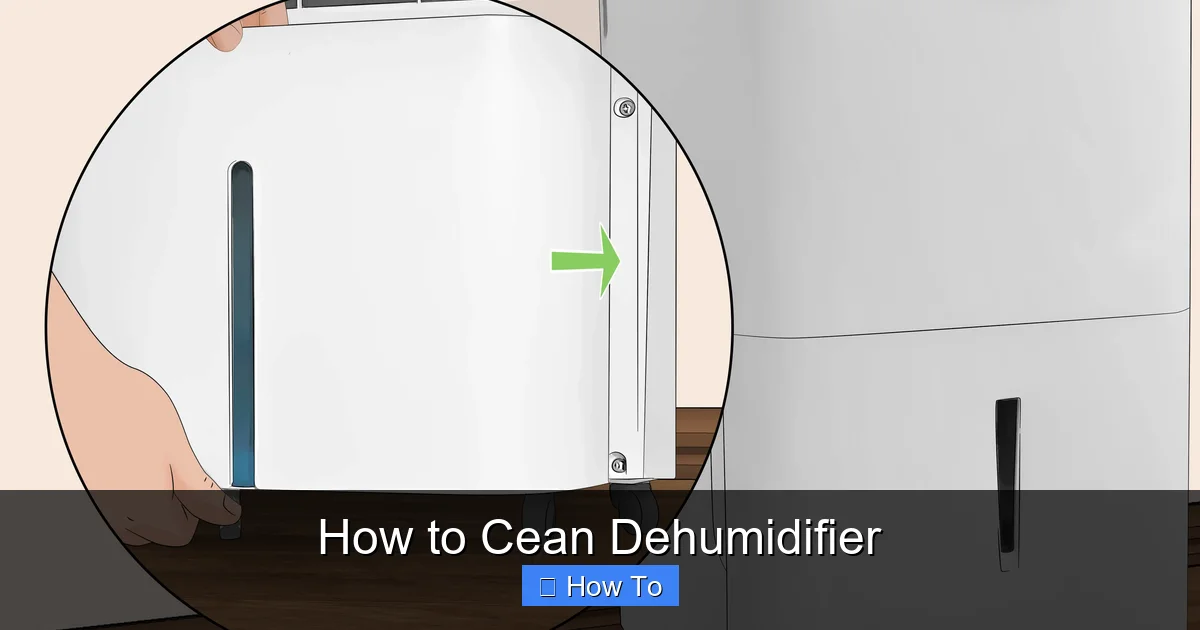
Keeping your dehumidifier clean ensures it works efficiently and lasts longer. Regular cleaning prevents mold, bacteria, and odors while improving air quality. This guide walks you through every step to clean your dehumidifier thoroughly and safely.
Quick Answers to Common Questions
How often should I clean my dehumidifier?
Clean the water tank weekly, the air filter monthly, and the coils every 2–3 months. Deep clean the entire unit every 6 months.
Can I use bleach to clean the water tank?
No, avoid bleach. It can damage plastic and leave harmful residues. Use mild soap and white vinegar instead.
What if my dehumidifier still smells after cleaning?
The odor may be trapped in the coils or drain line. Use a coil cleaner or vinegar spray, and run the unit with baking soda nearby to absorb smells.
Is it safe to vacuum the coils?
Yes, but use a soft brush attachment and gentle suction. Avoid pressing too hard to prevent bending the delicate fins.
Should I clean my dehumidifier in winter?
If you don’t use it in winter, clean it thoroughly before storing. This prevents mold and dust buildup during the off-season.
How to Clean Dehumidifier: A Complete Step-by-Step Guide
If you’ve noticed your dehumidifier isn’t pulling moisture from the air like it used to, or if it’s starting to smell musty, it’s probably time for a good cleaning. Learning how to clean dehumidifier properly is one of the best things you can do to keep your home healthy and your appliance running smoothly. Over time, dust, mold, and mineral buildup can clog filters, coat coils, and breed bacteria in the water tank—leading to poor performance and even bad odors.
In this comprehensive guide, you’ll learn exactly how to clean dehumidifier safely and effectively. Whether you have a small portable unit for your basement or a larger model for your whole house, these steps apply to most dehumidifiers on the market. We’ll walk you through everything from unplugging the unit to reassembling it, plus tips for deep cleaning and troubleshooting common issues. By the end, you’ll know how to clean dehumidifier like a pro—and keep it working at peak performance all year long.
Why Cleaning Your Dehumidifier Matters
You might think your dehumidifier is just sitting there doing its job, but inside, it’s collecting moisture, dust, and microbes. Every time it runs, humid air passes through the unit, leaving behind water in the tank and residue on internal components. Without regular cleaning, this buildup can cause several problems:
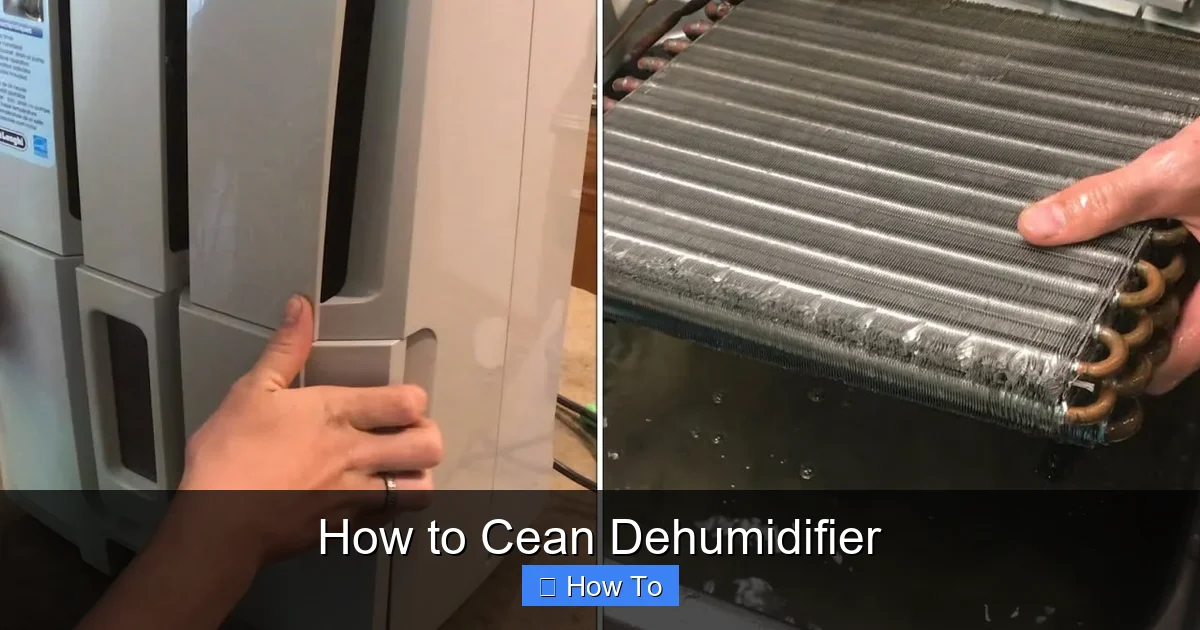
Visual guide about How to Cean Dehumidifier
Image source: i.ytimg.com
- Reduced efficiency: Dust on coils and clogged filters make the unit work harder, increasing energy use.
- Mold and mildew growth: Stagnant water in the tank or on wet surfaces creates a breeding ground for mold spores.
- Unpleasant odors: Bacteria and mold can produce a musty smell that spreads through your home.
- Shortened lifespan: Neglecting maintenance can lead to motor failure or compressor damage over time.
Cleaning your dehumidifier regularly—ideally every 2 to 4 weeks during humid seasons—helps prevent these issues. It’s a simple task that takes less than 30 minutes but can save you money on energy bills and repairs down the line.
What You’ll Need to Clean Your Dehumidifier
Before you start, gather these supplies so you’re ready to go:
- Soft cloths or microfiber towels
- Mild dish soap
- White vinegar (for descaling and disinfecting)
- Soft-bristled brush (like an old toothbrush)
- Vacuum with a brush attachment (optional)
- Bucket or sink for rinsing
- Replacement air filter (if needed)
- Gloves (optional, for hygiene)
Most of these items are probably already in your home. Avoid using harsh chemicals like bleach or ammonia, as they can damage plastic parts or leave toxic residues. Stick to gentle, natural cleaners like soap and vinegar for the best results.
Step 1: Unplug the Dehumidifier
Safety first! Always unplug your dehumidifier from the power outlet before you begin cleaning. This prevents accidental shocks or damage to the electrical components. Even if the unit is turned off, it can still carry a charge. Take a moment to double-check that it’s completely disconnected.
If your dehumidifier has been running recently, give it 10–15 minutes to cool down. The coils and internal parts can get hot during operation, and cleaning them while warm could cause burns or warping.
Step 2: Remove and Empty the Water Tank
The water tank (also called the collection bucket) is the most important part to clean regularly. It collects all the moisture pulled from the air, and if left unchecked, it can grow slime, mold, or bacteria.
How to Remove the Tank
Most dehumidifiers have a front-loading tank that slides out easily. Look for a handle or release button on the front of the unit. Gently pull the tank straight out. Be careful—it may still contain water, especially if the unit was recently running.
Empty the Water
Pour any remaining water down the drain or toilet. Never leave standing water in the tank between uses. Even a small amount can breed bacteria within hours.
Wash the Tank Thoroughly
Rinse the tank with warm water to remove loose debris. Then, fill it about halfway with warm water and add a few drops of mild dish soap. Use a soft cloth or sponge to scrub the inside, paying special attention to corners and the spout where water drains. For stubborn slime or mineral buildup, soak the tank in a solution of 1 part white vinegar to 3 parts water for 15–20 minutes before scrubbing.
Rinse the tank thoroughly with clean water to remove all soap and vinegar residue. Let it air dry completely before reinserting. A dry tank prevents mold from forming right away.
Step 3: Clean the Air Filter
The air filter captures dust, pet dander, and other particles before they enter the unit. A dirty filter restricts airflow, making your dehumidifier less efficient and causing it to run longer. Cleaning or replacing the filter is one of the easiest ways to maintain performance.
Locate the Filter
Most dehumidifiers have a removable filter behind a front or side grille. Look for a panel that opens with a latch or screws. Some models have a filter indicator light that reminds you when it’s time to clean.
Remove and Inspect the Filter
Gently pull the filter out. Hold it up to the light—if you can’t see through it, it’s time to clean or replace it. Check your owner’s manual to see if your filter is washable or disposable.
Clean a Washable Filter
If your filter is reusable, rinse it under lukewarm water. Use your hands or a soft brush to remove dust. Avoid using hot water, as it can damage the mesh. For extra cleaning power, soak the filter in a vinegar-water solution (1:3 ratio) for 10–15 minutes. Rinse thoroughly and let it air dry completely—never reinstall a damp filter.
Replace a Disposable Filter
If your filter is not washable, replace it with a new one. Make sure to buy the correct model for your dehumidifier. A clogged disposable filter can’t be cleaned effectively and should be swapped out every 1–3 months, depending on usage.
Step 4: Clean the Coils and Interior
The evaporator and condenser coils are the heart of your dehumidifier. They cool the air to remove moisture and then reheat it before releasing it back into the room. Over time, dust and debris can coat these coils, reducing their ability to transfer heat and making the unit work harder.
Access the Coils
To clean the coils, you’ll need to remove the front or side panel. Refer to your owner’s manual for specific instructions—some models require a screwdriver, while others have snap-on covers. Be gentle when removing panels to avoid breaking plastic clips.
Vacuum Loose Dust
Use a vacuum cleaner with a soft brush attachment to gently remove dust from the coils and surrounding areas. Hold the vacuum a few inches away to avoid damaging the delicate fins. Focus on the front and back of the coils, where dust tends to accumulate.
Brush Away Stubborn Debris
For stuck-on dirt or pet hair, use a soft-bristled brush (like an old toothbrush) to carefully scrub the coil fins. Work in the direction of the fins to avoid bending them. Bent fins can block airflow and reduce efficiency.
Wipe Down Interior Surfaces
Use a damp cloth to wipe down the interior walls, fan blades, and other accessible parts. Avoid getting water near electrical components. If you notice any mold or mildew, spray a vinegar solution (1:1 with water) on the area, let it sit for 5 minutes, then wipe clean.
Step 5: Clean the Humidistat and Sensors
The humidistat is the sensor that measures humidity levels in the air. If it gets dirty or covered in dust, it may give inaccurate readings, causing the dehumidifier to run too much or not enough.
Locate the Humidistat
The humidistat is usually near the air intake or behind the front grille. It may look like a small plastic dome or a metal plate with tiny holes.
Gently Clean the Sensor
Use a dry cotton swab or soft cloth to wipe away dust. Do not use water or cleaning solutions, as moisture can damage the sensor. If the area is very dirty, you can lightly dampen the cloth with isopropyl alcohol, but make sure it’s not dripping.
After cleaning, reassemble the unit and test it to ensure the humidistat is responding correctly.
Step 6: Reassemble and Test the Unit
Once all parts are clean and dry, it’s time to put your dehumidifier back together.
Reinstall the Filter and Tank
Slide the air filter back into its slot, making sure it’s seated properly. Then, reinsert the water tank until it clicks into place. Double-check that all panels are securely closed.
Plug In and Test
Plug the dehumidifier back in and turn it on. Set the humidity level to your preferred setting (usually between 30% and 50%). Listen for normal operation—fans should run smoothly, and the compressor should kick on after a few minutes.
Check for leaks, unusual noises, or error codes. If everything looks good, let it run for an hour and monitor the water tank to ensure it’s collecting moisture.
How Often Should You Clean Your Dehumidifier?
Cleaning frequency depends on how often you use your dehumidifier and your local climate. Here’s a general guideline:
- Water tank: Clean weekly, or after every use if possible.
- Air filter: Clean or replace every 4–6 weeks during heavy use.
- Coils and interior: Clean every 2–3 months, or more often if you have pets or live in a dusty area.
- Deep cleaning: Do a full cleaning (including coils and sensors) every 6 months.
If you notice a musty smell, reduced moisture collection, or the unit running constantly, it’s a sign that cleaning is overdue.
Troubleshooting Common Cleaning Issues
Even with regular cleaning, you might run into problems. Here’s how to handle common issues:
Problem: Water Tank Keeps Overflowing
This usually means the tank isn’t seating properly or the float switch is stuck. Make sure the tank is fully inserted and the float moves freely. Clean any debris around the switch.
Problem: Unit Smells Musty After Cleaning
The smell may come from hidden mold in the coils or drain line. Use a coil cleaner spray (available at hardware stores) or a vinegar solution to disinfect hard-to-reach areas. Run the unit with a bowl of baking soda nearby to absorb odors.
Problem: Filter Keeps Getting Dirty Fast
This could indicate high dust levels in your home. Consider using an air purifier or upgrading to a higher-efficiency filter. Also, check for leaks around windows or doors that let in humid air.
Problem: Coils Are Frozen
Frozen coils often result from a dirty filter or low refrigerant. Clean the filter and let the unit defrost for a few hours. If freezing continues, contact a technician—it may need professional servicing.
Tips for Maintaining Your Dehumidifier Year-Round
Cleaning is just one part of dehumidifier care. Follow these tips to keep your unit in top shape:
- Place it correctly: Keep the dehumidifier at least 6 inches away from walls and furniture for proper airflow.
- Use a timer: Run the unit during the most humid times of day (like early morning or after showers).
- Empty the tank regularly: Even if it’s not full, empty it daily to prevent stagnation.
- Check drain hose: If you use a continuous drain hose, make sure it’s not kinked or clogged.
- Store properly in winter: If you don’t use your dehumidifier in colder months, clean it thoroughly, remove the tank, and store it in a dry place with a cover.
Conclusion
Knowing how to clean dehumidifier doesn’t have to be complicated. With a few simple steps—emptying the tank, cleaning the filter, and wiping down the coils—you can keep your unit running efficiently and your home’s air fresh and healthy. Regular maintenance not only improves performance but also extends the life of your appliance, saving you money in the long run.
Make cleaning your dehumidifier a part of your routine, just like vacuuming or changing HVAC filters. Set a reminder on your phone or calendar to check it every few weeks. Your dehumidifier—and your lungs—will thank you.