
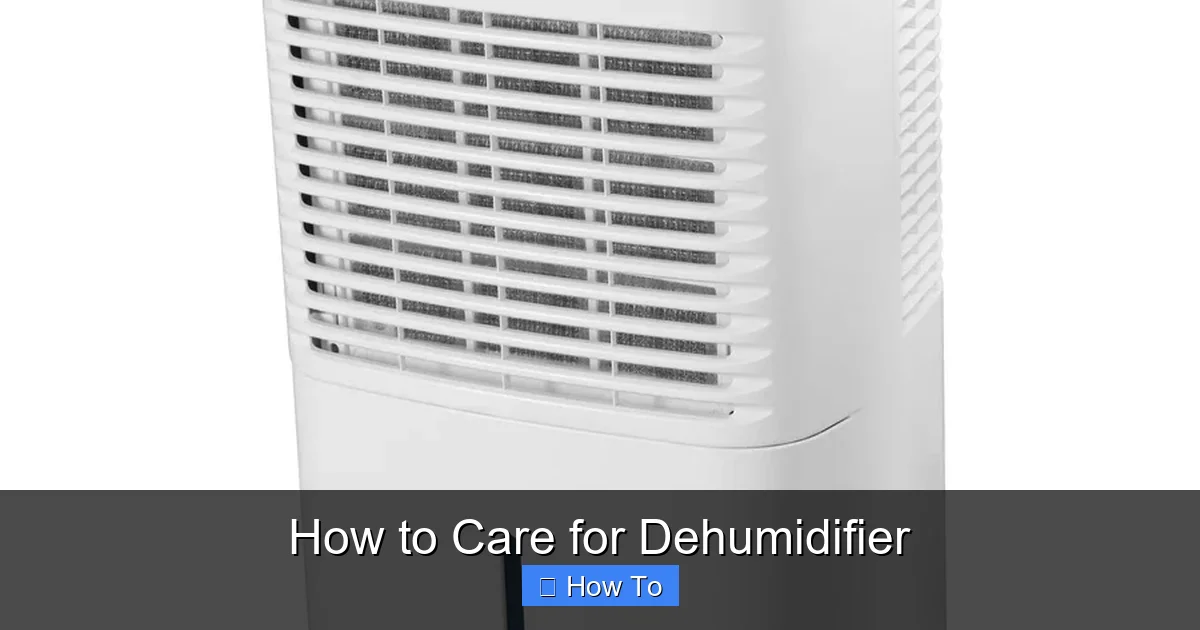
Proper dehumidifier care ensures optimal performance, energy efficiency, and longer lifespan. This guide covers essential cleaning, maintenance, and troubleshooting steps to keep your unit running smoothly year-round.
Quick Answers to Common Questions
How often should I clean my dehumidifier’s water tank?
Clean the tank at least once a week to prevent mold and bacteria buildup. In high-humidity areas, clean it twice a week.
Can I use bleach to clean the dehumidifier tank?
Avoid bleach unless absolutely necessary. It can damage plastic parts and leave harmful residues. Use vinegar or mild soap instead.
Should I run my dehumidifier all the time?
Not necessarily. Run it until humidity reaches 30–50%, then turn it off or use a humidistat. Continuous use increases wear and energy costs.
What’s the best way to store a dehumidifier in winter?
Clean it thoroughly, dry all parts, and store in a dry, covered area. Avoid plastic bags—they trap moisture.
Why is my dehumidifier freezing up?
Frost buildup usually means dirty filters, low airflow, or cold room temperatures. Clean the filter and move the unit to a warmer space.
How to Care for Dehumidifier: A Complete Maintenance Guide
If you’ve invested in a dehumidifier, you already know how valuable it is for improving indoor air quality, reducing allergens, and preventing mold growth. But like any appliance, your dehumidifier needs regular care to keep performing at its best. Without proper maintenance, it can become less efficient, use more energy, and even break down prematurely.
In this comprehensive guide, you’ll learn exactly how to care for dehumidifier units of all types—whether you have a compact model for a small bathroom or a heavy-duty unit for your basement. We’ll walk you through step-by-step cleaning routines, seasonal maintenance, troubleshooting common issues, and best practices to extend the life of your appliance. By the end, you’ll have the knowledge and confidence to keep your dehumidifier running smoothly for years.
Let’s dive in and make dehumidifier care simple, effective, and stress-free.
Why Dehumidifier Care Matters
Before we get into the how-to, let’s talk about why caring for your dehumidifier is so important. A well-maintained unit doesn’t just work better—it lasts longer and saves you money.
When dust, mold, or mineral buildup accumulates inside your dehumidifier, it forces the motor and compressor to work harder. This increases energy consumption and can lead to overheating or mechanical failure. Dirty filters reduce airflow, meaning the unit takes longer to remove moisture from the air. And if the water tank isn’t cleaned regularly, bacteria and mold can grow, releasing unpleasant odors and even harmful spores into your home.
Regular care also helps maintain healthy indoor humidity levels. The ideal range is between 30% and 50%. Too much humidity encourages mold, dust mites, and mildew. Too little can dry out your skin, furniture, and wooden floors. A properly maintained dehumidifier helps you stay in that sweet spot.
In short, caring for your dehumidifier isn’t just about cleaning—it’s about protecting your health, your home, and your investment.
Step 1: Clean the Water Tank Weekly
The water tank, also called the collection bucket, is one of the most important parts to clean regularly. This is where all the moisture pulled from the air collects, and it’s a prime breeding ground for bacteria and mold if left unchecked.
How to Clean the Tank
- Turn off and unplug the dehumidifier. Safety first—always disconnect power before handling any part of the unit.
- Remove the tank. Most models have a front or side panel that slides or lifts out easily. Check your user manual if you’re unsure.
- Empty any remaining water. Pour it down the drain—don’t reuse it.
- Rinse with warm water. Use a soft sponge or cloth to wipe away any residue.
- Use a mild cleaning solution. Mix one tablespoon of white vinegar or mild dish soap with a quart of warm water. Scrub the inside of the tank thoroughly, especially around the corners and lid.
- Rinse and dry completely. Any leftover moisture can lead to mold growth. Let the tank air dry upside down on a clean towel.
- Reinstall the tank. Make sure it clicks securely into place before turning the unit back on.
Pro Tip: Prevent Odors and Mold
Add a few drops of tea tree oil or lemon essential oil to the cleaning solution. These natural antifungals help prevent mold and leave a fresh scent. Avoid harsh chemicals like bleach unless absolutely necessary—they can damage plastic parts and leave toxic residues.
Visual guide about How to Care for Dehumidifier
Image source: i.ytimg.com
When to Clean More Often
If you live in a very humid climate or use your dehumidifier daily, consider cleaning the tank twice a week. Also, clean it immediately if you notice a musty smell or slimy residue.
Step 2: Replace or Clean the Air Filter Monthly
The air filter captures dust, pet dander, and other airborne particles before they enter the unit. Over time, it gets clogged, reducing airflow and efficiency.
How to Clean or Replace the Filter
- Turn off and unplug the dehumidifier.
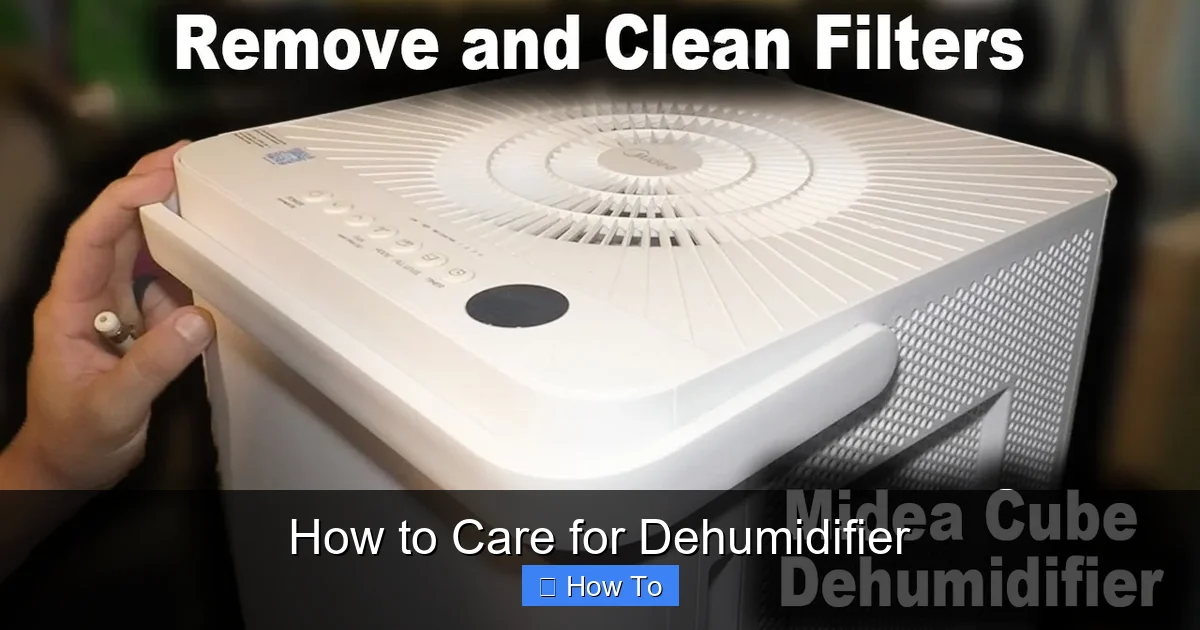
- Locate the filter. It’s usually behind a front or side grille. Some models have a removable panel; others require you to slide out the filter tray.
- Remove the filter. Gently pull it out—don’t force it.
- Vacuum the filter. Use a soft brush attachment to remove loose dust. This works for reusable filters.
- Rinse if washable. If your filter is labeled “washable,” rinse it under lukewarm water. Avoid hot water—it can warp the material.
- Let it dry completely. Never reinstall a damp filter—it can promote mold growth.
- Replace if necessary. If the filter is torn, discolored, or no longer traps dust, it’s time for a new one. Check your model number and buy a compatible replacement.
- Reinstall the filter. Make sure it’s seated properly and the cover is closed securely.
Pro Tip: Mark Your Calendar
Set a monthly reminder on your phone or calendar to check the filter. Consistency is key to maintaining performance.
What If You Skip Filter Maintenance?
A dirty filter can reduce efficiency by up to 50%. Your dehumidifier will run longer, use more electricity, and may overheat. In extreme cases, the compressor can fail, requiring costly repairs or replacement.
Step 3: Clean the Coils and Interior Annually
The evaporator and condenser coils are essential for the dehumidification process. They absorb moisture from the air and release heat. But over time, dust and debris can coat the coils, insulating them and reducing efficiency.
How to Clean the Coils
- Turn off and unplug the dehumidifier.
- Remove the front or side panel. Use a screwdriver if needed. Refer to your user manual for disassembly instructions.
- Locate the coils. They’re usually behind the filter and look like thin, finned metal plates.
- Vacuum gently. Use a soft brush attachment to remove loose dust. Be careful—the fins are delicate and can bend easily.
- Use a coil cleaner spray. Spray a commercial coil cleaner (available at hardware stores) onto the fins. Let it sit for 5–10 minutes to break down grime.
- Rinse with water (if recommended). Some cleaners require rinsing; others are no-rinse. Follow the product instructions.
- Let everything dry completely. Reassemble the unit only when all parts are dry.
Pro Tip: Prevent Coil Damage
Never use a wire brush or sharp tool to clean coils. Bent fins reduce airflow and efficiency. If fins are bent, use a fin comb (sold at HVAC supply stores) to gently straighten them.
When to Call a Professional
If you notice frost buildup on the coils, refrigerant leaks, or the unit isn’t cooling properly, it may be a sign of a deeper issue. These problems often require professional diagnosis and repair.
Step 4: Manage Water Drainage Properly
Most dehumidifiers have a built-in tank that needs to be emptied manually. But if you run your unit continuously, this can be a hassle. That’s where continuous drainage comes in.
Using a Hose for Continuous Drainage
- Check if your model supports hose drainage. Look for a threaded drain port on the back or side of the unit.
- Attach a garden hose. Use a standard 5/8” or 3/4” hose. Make sure it’s securely fastened to prevent leaks.
- Route the hose to a drain. Place the other end in a floor drain, sink, or sump pump. Ensure it’s positioned lower than the dehumidifier so water flows by gravity.
- Test the setup. Turn on the unit and check for leaks or kinks in the hose.
Pro Tip: Use a Drain Pan
Even with a hose, place the dehumidifier on a small drain pan or tray. This catches any accidental leaks and protects your floor.
What If You Don’t Have a Drain Nearby?
Consider a condensate pump. These small devices sit under the dehumidifier and pump water through a hose to a remote drain or window. They’re especially useful in basements or crawl spaces.
Step 5: Store Properly During Off-Seasons
If you live in a climate with distinct seasons, you may only need your dehumidifier during the humid summer months. Proper storage ensures it’s ready to go when you need it again.
How to Store Your Dehumidifier
- Clean the unit thoroughly. Follow all the steps above: clean the tank, filter, and coils.
- Run the fan for 30 minutes. This dries out any remaining moisture inside the system.
- Unplug and coil the cord neatly. Avoid wrapping it tightly around the unit.
- Cover the dehumidifier. Use a breathable cloth cover or the original box. Avoid plastic bags—they trap moisture.
- Store in a dry, cool place. A closet, garage, or basement shelf works well. Avoid attics or areas prone to extreme temperatures.
Pro Tip: Check Before Reuse
Before turning it on again, inspect the unit for signs of mold, pests, or damage. Clean the filter and tank one more time to be safe.
Step 6: Monitor Humidity Levels
A dehumidifier is only effective if it’s set to the right humidity level. Too low, and you’ll dry out your home. Too high, and you’ll waste energy and risk mold growth.
How to Check Humidity
Use a hygrometer—a small, inexpensive device that measures humidity. You can find digital models for under $20 at most hardware stores. Place it in the room where your dehumidifier runs, away from direct sunlight or drafts.
Ideal Humidity Range
Aim for 30% to 50% relative humidity. In winter, you may need to go slightly lower (30–40%) to prevent condensation on windows. In summer, 40–50% is ideal for comfort and mold prevention.
Adjust Settings Accordingly
Most dehumidifiers have a humidistat that lets you set your desired level. If your unit doesn’t have one, run it until the hygrometer shows the right reading, then turn it off or use a timer.
Troubleshooting Common Dehumidifier Problems
Even with regular care, issues can arise. Here’s how to fix the most common problems.
Problem: Dehumidifier Isn’t Removing Moisture
Possible Causes: Dirty filter, clogged coils, low refrigerant, or high room temperature.
Solutions: Clean the filter and coils. Ensure the room is above 65°F (18°C). If the problem persists, call a technician—it may be a refrigerant issue.
Problem: Unit Is Making Loud Noises
Possible Causes: Loose parts, fan obstruction, or compressor issues.
Solutions: Turn off the unit and check for loose screws or debris in the fan. Tighten any loose components. If the noise continues, seek professional help.
Problem: Water Is Leaking
Possible Causes: Cracked tank, loose hose connection, or improper placement.
Solutions: Inspect the tank for cracks. Ensure the hose is securely attached and not kinked. Make sure the unit is level—tilting can cause overflow.
Problem: Frost Buildup on Coils
Possible Causes: Dirty filter, low airflow, or operating in cold temperatures.
Solutions: Clean the filter and coils. Move the unit to a warmer area (above 65°F). Some models have an auto-defrost feature—check your manual.
Problem: Bad Odor Coming from the Unit
Possible Causes: Mold or bacteria in the tank or coils.
Solutions: Clean the tank and coils thoroughly. Use vinegar or a dehumidifier cleaner. Run the unit with a cup of baking soda inside to absorb odors.
When to Call a Professional
While most maintenance tasks can be done at home, some issues require expert attention. Schedule professional servicing every 2–3 years, or sooner if you notice:
- The unit isn’t cooling properly
- You hear unusual grinding or clicking sounds
- There’s a refrigerant leak (oily residue near coils)
- The compressor won’t start
- Electrical issues (burning smell, tripped breakers)
A technician can inspect internal components, recharge refrigerant, and ensure your dehumidifier is operating safely and efficiently.
Conclusion
Caring for your dehumidifier doesn’t have to be complicated. With a few simple habits—cleaning the tank weekly, changing the filter monthly, and checking the coils annually—you can keep your unit running efficiently for years. Proper drainage, seasonal storage, and humidity monitoring round out a complete maintenance routine.
Remember, a well-maintained dehumidifier doesn’t just remove moisture—it improves your indoor air quality, protects your home from mold and mildew, and saves you money on energy bills. By following this guide, you’re not just caring for an appliance. You’re investing in a healthier, more comfortable living environment.
So grab your cleaning supplies, set a reminder, and give your dehumidifier the care it deserves. Your home—and your health—will thank you.