
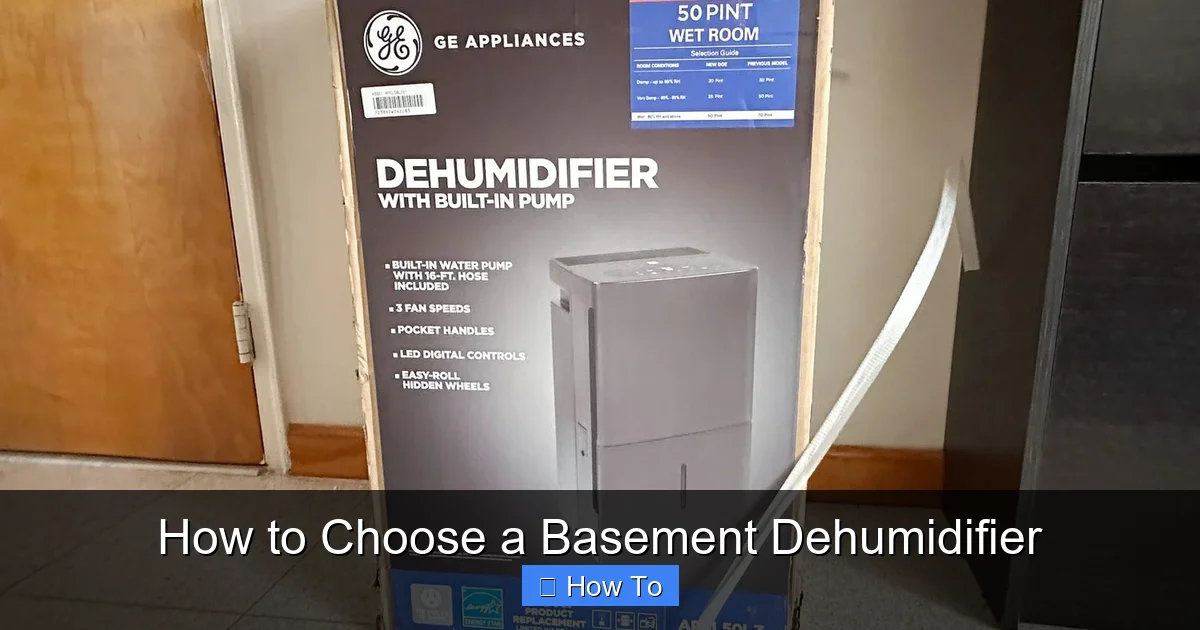
Choosing the right basement dehumidifier can prevent mold, musty odors, and structural damage. This guide walks you through capacity, features, energy efficiency, and placement to help you pick the best unit for your home.
Quick Answers to Common Questions
Tip/Question?
How often should I run my basement dehumidifier?
Run it continuously during humid months or when humidity is above 50%. Use the auto-humidistat to automate the process.
Tip/Question?
Can I use a dehumidifier in a cold basement?
Yes, but choose a model rated for low temperatures (down to 41°F) with automatic defrost to prevent ice buildup.
Tip/Question?
Should I buy a dehumidifier with a built-in pump?
A built-in pump lets you drain water upward (e.g., into a sink), which is helpful if no floor drain is available.
Tip/Question?
Is a larger dehumidifier always better?
No. An oversized unit may short-cycle, wasting energy. Match the capacity to your basement’s size and moisture level.
Tip/Question?
Can a dehumidifier help with allergies?
Yes. By reducing mold and dust mites, a dehumidifier can improve indoor air quality and ease allergy symptoms.
How to Choose a Basement Dehumidifier
If your basement feels damp, smells musty, or shows signs of mold, you’re not alone. Basements are naturally prone to high humidity due to poor ventilation, groundwater seepage, and cooler temperatures. Over time, excess moisture can damage belongings, weaken structural integrity, and even affect your family’s health. The good news? A quality basement dehumidifier can solve these problems—but only if you choose the right one.
In this guide, you’ll learn exactly how to choose a basement dehumidifier that fits your space, budget, and lifestyle. We’ll walk you through key factors like size, capacity, features, energy use, and maintenance. By the end, you’ll feel confident selecting a unit that keeps your basement dry, clean, and comfortable year-round.
Step 1: Understand Why You Need a Basement Dehumidifier
Before diving into specs and brands, it’s important to understand why dehumidifiers are essential in basements. Unlike other areas of your home, basements are below ground level, which makes them cooler and more susceptible to moisture. Water can seep through concrete walls, condense on cold surfaces, or enter through cracks. This creates a perfect environment for mold, mildew, and dust mites—all of which can trigger allergies and respiratory issues.
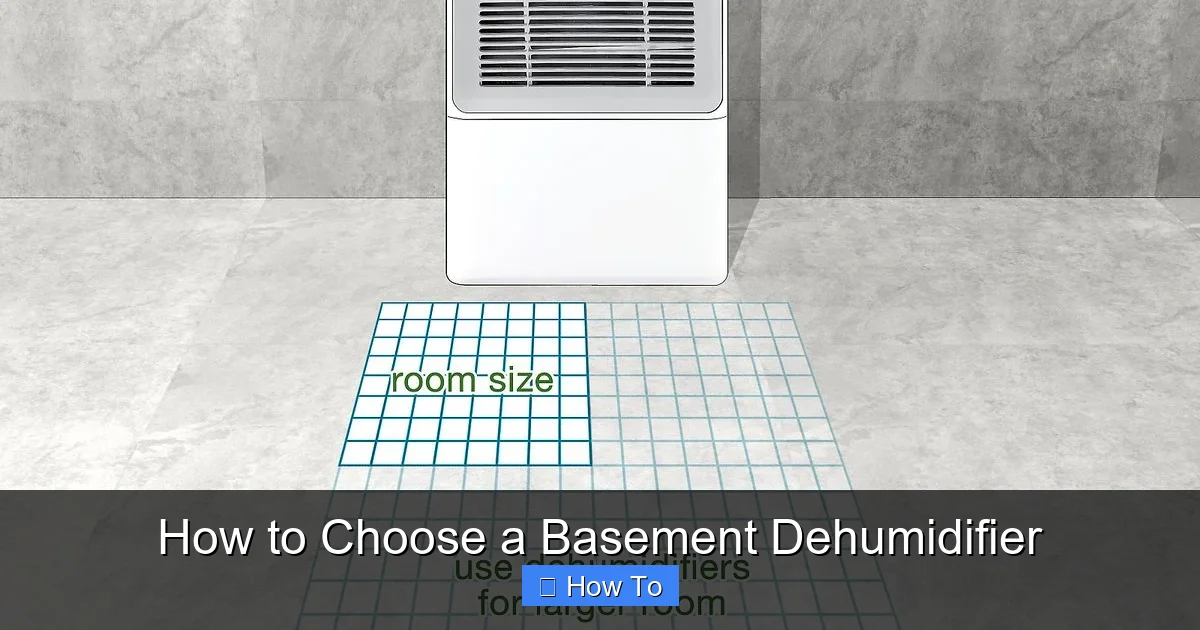
Visual guide about How to Choose a Basement Dehumidifier
Image source: wikihow.com
A dehumidifier works by pulling in humid air, removing the moisture, and releasing drier air back into the room. This not only prevents mold growth but also protects furniture, electronics, and stored items from warping or rusting. Plus, a dry basement feels more comfortable and can even improve your home’s overall air quality.
Signs You Need a Dehumidifier
- Musty or earthy smell
- Visible mold or mildew on walls or ceilings
- Condensation on windows, pipes, or walls
- Warped wood or peeling paint
- Dust mites or pests (like silverfish) thriving in the space
If you notice any of these signs, it’s time to consider a dehumidifier. But not all units are created equal—so let’s figure out which one is right for you.
Step 2: Measure Your Basement’s Size and Humidity Level
The first step in choosing the right dehumidifier is understanding your basement’s environment. Two key factors matter most: square footage and humidity level.
Calculate Square Footage
Grab a tape measure and calculate the length and width of your basement. Multiply the two numbers to get the total square footage. For example, a basement that’s 20 feet by 30 feet equals 600 square feet.
Why does this matter? Dehumidifiers are rated based on the size of the space they can effectively treat. A unit too small for your basement will run constantly and fail to reduce humidity. One that’s too large may cycle on and off too quickly, wasting energy and not running long enough to remove moisture properly.
Assess Humidity Levels
Next, determine how damp your basement really is. You can do this in a few ways:
- Use a hygrometer: This inexpensive device measures relative humidity (RH). Ideal basement humidity is between 30% and 50%. If it’s consistently above 60%, you have a moisture problem.
- Look for visual clues: Water stains, peeling wallpaper, or rust on metal fixtures indicate high humidity.
- Check for condensation: If windows or cold surfaces “sweat” in the summer, your basement is too humid.
Based on your findings, you can categorize your basement’s moisture level:
- Moderately damp: Occasional dampness, slight musty smell, RH around 50–60%
- Very damp: Frequent dampness, strong odor, visible mold, RH above 60%
- Wet or flooded: Standing water, frequent leaks, RH above 70%
This classification will help you choose the right capacity and features later on.
Step 3: Choose the Right Pint Capacity
Dehumidifiers are rated by how many pints of moisture they can remove in 24 hours. This is known as the pint capacity. Choosing the correct capacity is crucial for performance and efficiency.
Match Capacity to Basement Conditions
Here’s a general guide based on square footage and moisture level:
| Basement Size | Moderately Damp | Very Damp | Wet/Flooded |
|---|---|---|---|
| Up to 500 sq ft | 20–30 pints | 30–50 pints | 50–70 pints |
| 500–1,000 sq ft | 30–50 pints | 50–70 pints | 70+ pints |
| 1,000+ sq ft | 50–70 pints | 70+ pints | 70+ pints (consider multiple units) |
For example, a 700-square-foot basement with a musty smell and occasional condensation (very damp) would need a 50–70 pint dehumidifier. If your basement floods after heavy rain, you may need a commercial-grade unit or even two smaller ones.
Don’t Overbuy
While it might seem smart to buy the biggest dehumidifier available, oversized units can short-cycle—turning on and off frequently without running long enough to dehumidify effectively. This wastes energy and reduces the unit’s lifespan. Stick to the recommended range for your space.
Step 4: Look for Energy Efficiency
Dehumidifiers run for hours each day, especially in humid climates or during summer months. That means they can significantly impact your electricity bill. Choosing an energy-efficient model saves money and reduces environmental impact.
Check for ENERGY STAR Certification
Look for the ENERGY STAR label. These models are independently tested and proven to use 15–30% less energy than standard units. They also meet strict performance and durability standards.
ENERGY STAR dehumidifiers often include advanced features like:
- Smart sensors that adjust operation based on humidity
- High-efficiency compressors and fans
- Low-temperature operation (down to 41°F)
Compare Energy Factor (L/kWh)
The Energy Factor measures how efficiently a dehumidifier removes moisture per kilowatt-hour of electricity. A higher number means better efficiency. For example:
- 1.5 L/kWh = average efficiency
- 2.0 L/kWh or higher = excellent efficiency
When comparing models, check the Energy Factor on the product label or manufacturer’s website. Even a small difference can add up over time.
Step 5: Prioritize Key Features
Not all dehumidifiers are created equal. The right features can make a big difference in convenience, performance, and maintenance. Here are the most important ones to look for:
Auto-Humidistat
This built-in sensor measures the current humidity level and automatically turns the unit on or off to maintain your desired setting (usually 40–50%). No more guessing or constant adjustments.
Continuous Drainage Option
Most dehumidifiers collect water in an internal bucket that needs to be emptied regularly. But in a basement, you may not want to check it every day. A continuous drainage hose lets you connect a garden hose and drain water directly into a floor drain, sump pump, or outside. This is a game-changer for busy homeowners.
Auto-Restart
If the power goes out, an auto-restart feature will turn the dehumidifier back on at its previous settings once power returns. This ensures your basement stays protected during storms or outages.
Washable or Reusable Air Filter
A clean filter improves air quality and helps the unit run efficiently. Look for a washable filter that you can rinse every few weeks. Avoid models with disposable filters—they cost more over time.
Low-Temperature Operation
Basements can get cold, especially in winter. Some dehumidifiers shut off below 65°F, but if your basement drops below that, you need a model that works in low temperatures (down to 41°F). These often use frost sensors or special defrost cycles.
Quiet Operation
If your basement doubles as a laundry room, home gym, or play area, noise matters. Look for models with a noise level below 50 decibels (dB)—about as loud as a quiet conversation. Check product specs or customer reviews for real-world noise feedback.
Portability and Design
Consider the unit’s size, weight, and handle. A dehumidifier with wheels and a top handle is easier to move. Also, check the cord length—some basements have limited outlets.
Step 6: Consider Placement and Installation
Where you place your dehumidifier affects its performance. Follow these tips for optimal results:
Central Location
Place the unit in a central area of the basement, away from walls or furniture. This allows air to circulate freely and ensures even dehumidification.
Near a Drain (If Using Continuous Drainage)
If you plan to use a hose for continuous drainage, position the dehumidifier close to a floor drain, sump pump, or window for easy hose routing.
Avoid Obstructions
Keep at least 6–12 inches of space around the unit for proper airflow. Don’t place it behind boxes, furniture, or in a cramped corner.
Elevate Slightly
Placing the dehumidifier on a small platform or stand (not directly on concrete) can help prevent vibration and reduce noise.
Step 7: Compare Brands and Read Reviews
Not all dehumidifiers are built to last. Some brands offer better reliability, customer service, and warranties than others. Here are a few trusted names:
- Frigidaire: Known for durability and strong performance in damp basements.
- hOmeLabs: Popular for energy efficiency and quiet operation.
- GE: Offers a wide range of models with smart features.
- Danby: Great for large spaces and cold basements.
- Midea: Affordable and ENERGY STAR-certified options.
Before buying, read customer reviews on sites like Amazon, Home Depot, or Consumer Reports. Look for feedback on:
- Real-world performance in basements
- Noise levels
- Ease of maintenance
- Customer service and warranty support
Step 8: Check Warranty and Support
A dehumidifier is an investment, so protect it with a solid warranty. Most reputable brands offer:
- 1-year limited warranty (standard)
- 2–3 years for compressors and key components
- Extended warranties available for purchase
Check what’s covered—some warranties exclude labor or shipping costs. Also, verify that the brand has responsive customer support and service centers near you.
Step 9: Maintain Your Dehumidifier
Even the best dehumidifier needs regular care to perform well. Follow these maintenance tips:
Clean the Filter Monthly
Remove the air filter and rinse it with warm water. Let it dry completely before reinserting. A clogged filter reduces airflow and efficiency.
Empty the Water Bucket (If Not Using Drain Hose)
Check the bucket every 1–2 days during humid weather. Most units have a float switch that shuts off the machine when full—don’t ignore it!
Wipe Down the Exterior
Use a damp cloth to clean the outside of the unit. Avoid harsh chemicals that could damage the casing.
Inspect Coils and Drain Pan
Every 3–6 months, check the evaporator coils and drain pan for mold or debris. Use a soft brush or vacuum to clean gently.
Store Properly in Off-Seasons
If you turn off the dehumidifier in winter, clean it thoroughly, remove the bucket, and store it in a dry place. Cover it to prevent dust buildup.
Troubleshooting Common Issues
Even with proper care, problems can arise. Here’s how to fix common issues:
Dehumidifier Not Removing Moisture
- Check if the filter is dirty—clean or replace it.
- Ensure the room is sealed (close windows and doors).
- Verify the unit is the right size for your space.
- Make sure the coils aren’t frozen (common in cold basements).
Unit Runs Constantly
- Your basement may be too humid—consider a higher-capacity model.
- The humidistat might be set too low—adjust to 50%.
- There could be a refrigerant leak—contact the manufacturer.
Water Leaking from the Unit
- Check if the drain hose is kinked or clogged.
- Ensure the bucket is seated properly.
- Look for cracks in the drain pan or internal tubing.
Unusual Noise or Vibration
- Make sure the unit is level and on a stable surface.
- Check for loose parts or debris in the fan.
- Place a rubber mat underneath to reduce vibration.
Conclusion
Choosing the right basement dehumidifier doesn’t have to be overwhelming. By assessing your basement’s size and humidity level, selecting the correct pint capacity, and prioritizing energy efficiency and key features, you can find a unit that keeps your space dry and comfortable. Don’t forget to consider placement, brand reputation, and ongoing maintenance to get the most out of your investment.
A quality dehumidifier is more than just an appliance—it’s a safeguard for your home and health. With the right choice, you’ll eliminate musty odors, prevent mold growth, and protect your belongings for years to come. Take the time to evaluate your needs, compare models, and make an informed decision. Your basement—and your peace of mind—will thank you.