
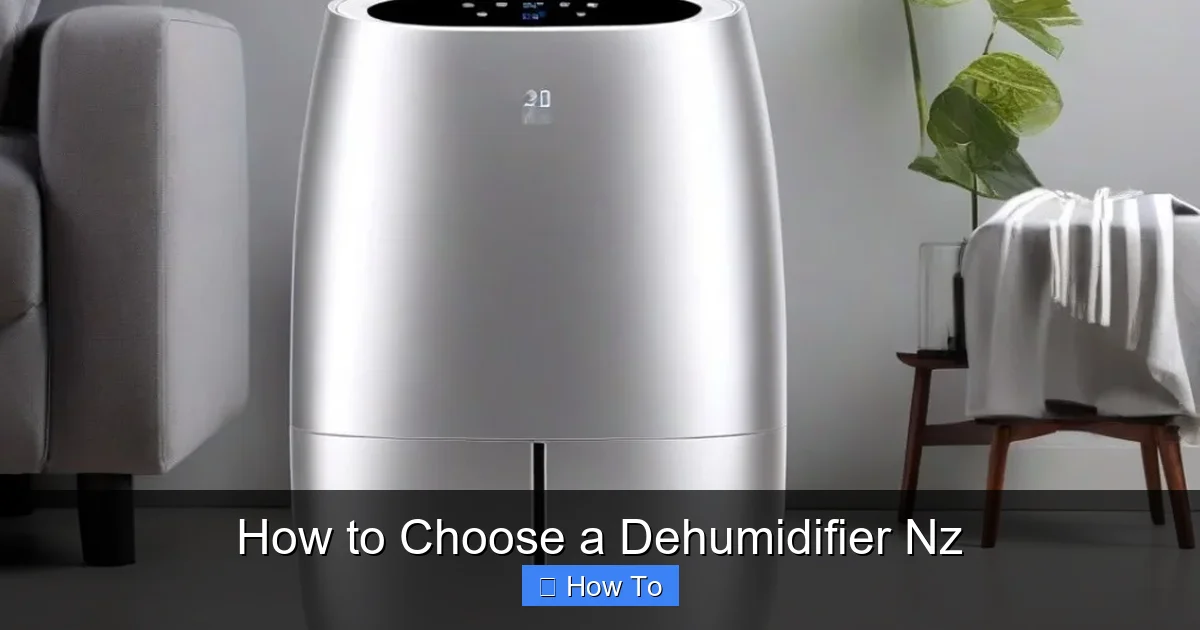
Choosing the right dehumidifier in NZ depends on your home’s size, humidity levels, and local climate. This guide walks you through everything you need to know—from capacity and energy efficiency to placement and maintenance—so you can pick a model that keeps your space dry, healthy, and comfortable year-round.
Quick Answers to Common Questions
Tip/Question?
How often should I run my dehumidifier?
Run it daily during humid seasons or when humidity exceeds 60%. Use a timer or auto-humidistat for convenience.
Tip/Question?
Can I use a dehumidifier in winter?
Yes, especially in cold, damp rooms. Desiccant models work best in low temperatures, while compressor units may struggle below 15°C.
Tip/Question?
Do dehumidifiers use a lot of electricity?
They use moderate power—typically 200–400W. Choose an energy-efficient model and use timers to reduce costs.
Tip/Question?
Should I buy a dehumidifier with a built-in air purifier?
Some models combine both functions. Great for allergy sufferers, but check if the filter needs frequent replacement.
Tip/Question?
Can a dehumidifier help with asthma or allergies?
Yes. By reducing mould and dust mites, it can improve indoor air quality and ease respiratory symptoms.
How to Choose a Dehumidifier in NZ: A Complete Guide
If you’ve noticed damp walls, peeling paint, or that unmistakable musty smell in your home, you’re not alone. Many Kiwi households struggle with high humidity—especially in regions like Auckland, Wellington, or Northland, where coastal climates and frequent rain create the perfect conditions for moisture buildup. The good news? A dehumidifier can make a huge difference. But with so many models on the market, how do you choose the right one?
This guide will walk you through everything you need to know to pick the best dehumidifier for your New Zealand home. Whether you’re dealing with a damp basement, a humid laundry room, or just want to improve indoor air quality, we’ll help you make a smart, informed decision. You’ll learn how to assess your needs, understand key features, compare models, and maintain your unit for long-term performance.
Let’s dive in.
Step 1: Understand Why You Need a Dehumidifier
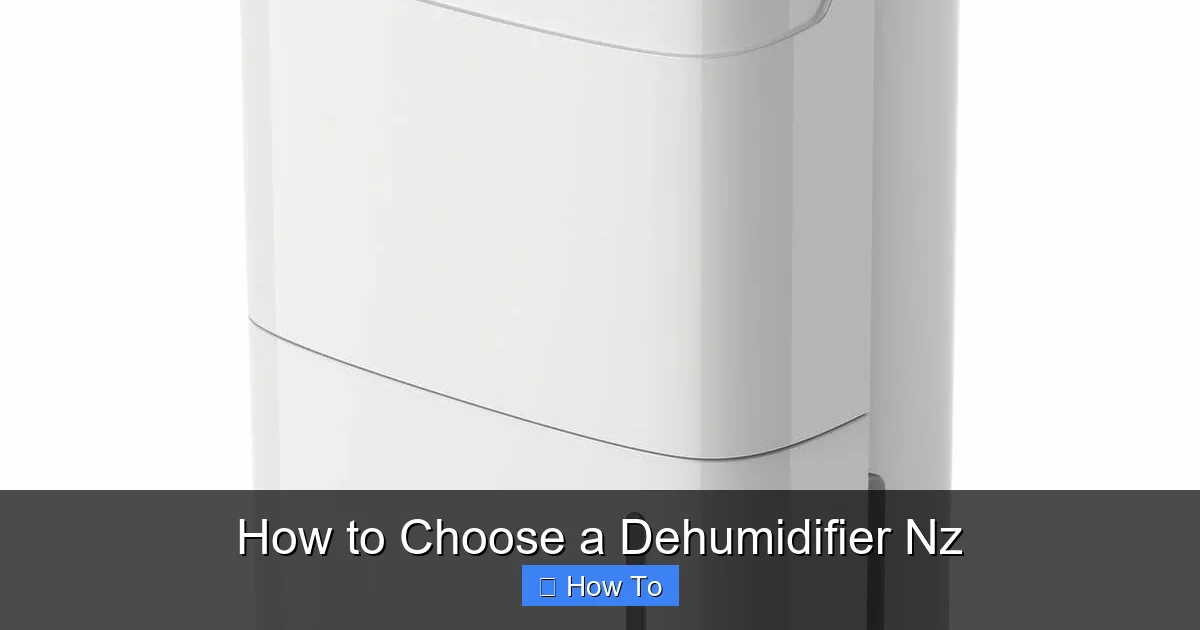
Visual guide about How to Choose a Dehumidifier Nz
Image source: cdn1.productnation.co
Before you start shopping, it’s important to understand what a dehumidifier does—and why it matters.
A dehumidifier removes excess moisture from the air. This helps prevent mould, mildew, dust mites, and other allergens that thrive in damp environments. It also protects your home’s structure, furniture, and electronics from moisture damage.
In New Zealand, high humidity is common due to our maritime climate. Coastal areas, in particular, experience high levels of moisture in the air, especially during autumn and winter. Even inland homes can suffer from poor ventilation, especially in newer, tightly sealed buildings.
Signs you might need a dehumidifier include:
– Condensation on windows
– Damp or cold walls
– Musty odours
– Mould growth (especially in bathrooms, wardrobes, or under sinks)
– Clothes that take forever to dry indoors
– Allergy flare-ups or respiratory issues
If you’re seeing any of these, a dehumidifier could be a game-changer.
Step 2: Measure Your Space and Assess Humidity Levels
Not all dehumidifiers are created equal—and the right one for a small bathroom won’t cut it for a large open-plan living area.
Calculate the Room Size
Start by measuring the area you want to dehumidify. Use a tape measure to get the length and width of the room, then multiply them to get the square metres (m²). For example, a room that’s 4m x 5m = 20m².
Most dehumidifiers list their recommended room size, so this step is crucial. A unit too small for the space will struggle to keep up, while an oversized one may cycle on and off too frequently, wasting energy.
Check the Humidity Level
Ideal indoor humidity should be between 40% and 60%. Anything above 60% increases the risk of mould and dust mites.
You can check humidity with a hygrometer—a small, inexpensive device available at hardware stores or online. Place it in the room for 24 hours to get an average reading.
If your humidity is consistently above 60%, especially in winter, a dehumidifier is a smart investment.
Identify Problem Areas
Some rooms are more prone to dampness than others. Common trouble spots in NZ homes include:
– Basements or underfloor spaces
– Bathrooms without good ventilation
– Laundry rooms
– Bedrooms with poor airflow
– Rental properties with limited heating
If you’re targeting one specific area, a smaller, portable unit may suffice. For whole-house coverage, consider a larger model or multiple units.
Step 3: Choose the Right Capacity (Litres per Day)
Dehumidifiers are rated by how much moisture they can extract in 24 hours, measured in litres per day (L/day). This is the most important factor when choosing a model.
Match Capacity to Room Size and Humidity
Here’s a general guide for NZ homes:
– **Small rooms (up to 20m²), low humidity:** 10–12L/day
– **Medium rooms (20–40m²), moderate humidity:** 12–20L/day
– **Large rooms (40–60m²), high humidity:** 20–25L/day
– **Very damp areas (e.g., basements, flood-prone zones):** 25L/day or more
For example, a 15L/day unit is ideal for a typical Auckland living room (around 30m²) with average humidity. But if you live in a coastal area like Whangārei and have persistent dampness, a 20L or 25L model would be better.
Consider the Climate Zone
New Zealand has diverse climates. Coastal and northern regions (Northland, Auckland, Bay of Plenty) tend to be more humid, especially in summer. In contrast, Central Otago or Canterbury can be drier.
If you’re in a high-humidity zone, lean toward a higher-capacity unit. It’s better to have a slightly oversized dehumidifier than one that’s constantly running at full blast.
Step 4: Decide Between Compressor and Desiccant Dehumidifiers
There are two main types of dehumidifiers: compressor (refrigerant) and desiccant. Each has pros and cons, especially in NZ conditions.
Compressor Dehumidifiers
These are the most common and affordable type. They work by cooling air to condense moisture, then reheat it before releasing it back into the room.
– **Best for:** Warm to moderate climates (above 15°C)
– **Pros:** Highly efficient at removing moisture, lower running costs, good for large spaces
– **Cons:** Less effective in cold temperatures, can be noisy, may make the room slightly warmer
In NZ, compressor models are ideal for living rooms, bedrooms, and open-plan areas—especially in summer or heated homes.
Desiccant Dehumidifiers
These use a moisture-absorbing material (like silica gel) to trap water vapour. They don’t rely on cooling, so they work well in cold environments.
– **Best for:** Cold rooms, unheated spaces, or winter use
– **Pros:** Effective in low temperatures, quieter operation, lighter and more compact
– **Cons:** Higher running costs, lower moisture extraction rate, may heat the room slightly
Desiccant models are great for garages, sheds, or bedrooms in winter when indoor temperatures drop. They’re also popular in rental properties where heating is limited.
Which Should You Choose?
For most Kiwi homes, a **compressor dehumidifier** is the best all-round choice—especially if you have central heating or live in a warmer region. But if you’re dealing with a cold, damp space (like a basement or uninsulated room), a **desiccant model** might be more effective.
Some modern units combine both technologies or offer dual-mode operation, giving you flexibility.
Step 5: Look for Key Features
Not all dehumidifiers are created equal. The right features can make your unit easier to use, more efficient, and better suited to your lifestyle.
Auto-Humidistat
This built-in sensor monitors humidity levels and automatically adjusts the fan speed or turns the unit on/off to maintain your desired setting (e.g., 50%). It saves energy and ensures consistent comfort.
Look for models with digital displays and adjustable humidity settings.
Continuous Drainage Option
Most dehumidifiers have a water tank you need to empty regularly (usually 1–3 litres). But if you’re running the unit daily, this can be a hassle.
A continuous drainage feature lets you attach a hose to the unit and drain water directly into a sink, floor drain, or sump pump. This is ideal for basements, laundries, or 24/7 operation.
Washable or Reusable Filters
Air filters trap dust, mould spores, and allergens. Washable filters are eco-friendly and cost-effective—just rinse them monthly and let them dry.
Avoid models with disposable filters unless you’re prepared to replace them regularly.
Quiet Operation
Dehumidifiers can be noisy, especially compressor models. Look for units with a noise level below 50 decibels (dB) for bedrooms or living areas.
Check product specs or customer reviews for real-world noise feedback.
Timer and Auto-Restart
A timer lets you set the unit to run for a specific time (e.g., 2, 4, or 8 hours). Auto-restart means the dehumidifier will turn back on after a power outage, maintaining your settings.
These features add convenience and peace of mind.
Energy Efficiency
Running a dehumidifier 24/7 can add to your power bill. Look for models with a high Energy Star rating or low wattage (typically 200–400W).
Some units have “eco” or “low-energy” modes that reduce power use during lighter loads.
Portability and Design
If you plan to move the unit between rooms, look for:
– Built-in handles
– Wheels or casters
– Compact size
– Lightweight design (under 15kg is ideal)
A sleek, modern design also helps it blend into your home.
Step 6: Compare Brands and Models Available in NZ
Several reputable brands offer dehumidifiers in New Zealand, including:
– **Dyson** – Known for innovative design and air purification, but higher price point
– **Meaco** – Popular in the UK and NZ, energy-efficient, quiet, great for homes
– **Delonghi** – Reliable, stylish, good for medium to large spaces
– **Kambrook** – Affordable, widely available at major retailers
– **Sunbeam** – Budget-friendly options with basic features
– **Bionaire** – Good mid-range models with auto-humidistat
When comparing models, check:
– Extraction rate (L/day)
– Room coverage (m²)
– Noise level (dB)
– Energy consumption (watts)
– Warranty (look for at least 2 years)
– Customer reviews on sites like Consumer NZ, PB Tech, or Harvey Norman
Don’t just go for the cheapest option—consider long-term running costs and reliability.
Step 7: Consider Placement and Installation
Where you place your dehumidifier affects its performance.
Best Locations
– **Central areas:** Living rooms or hallways allow air to circulate evenly.
– **Near moisture sources:** Bathrooms, laundry rooms, or kitchens (but avoid steam).
– **Away from walls and furniture:** Leave at least 15–30cm of space around the unit for airflow.
Tips for Effective Use
– Close doors and windows when running the unit to prevent humid air from entering.
– Use exhaust fans in bathrooms and kitchens to reduce moisture at the source.
– Run the dehumidifier during the day or when humidity is highest (often overnight in winter).
– Avoid placing it near heat sources like radiators or direct sunlight.
Whole-House vs. Portable Units
Most home dehumidifiers are portable. But if you have a large, open-plan home or serious damp issues, consider a whole-house system integrated with your ventilation or HVAC system. These are more expensive but offer comprehensive coverage.
For most Kiwis, a high-quality portable unit is sufficient.
Step 8: Maintain Your Dehumidifier for Long-Term Performance
Regular maintenance keeps your dehumidifier running efficiently and extends its lifespan.
Monthly Maintenance
– **Clean the filter:** Remove and rinse with warm water. Let it dry completely before replacing.
– **Wipe the exterior:** Use a damp cloth to remove dust and grime.
– **Check the water tank:** Empty and rinse it to prevent mould or odours.
Seasonal Checks
– **Inspect the coils (compressor models):** Dust buildup reduces efficiency. Use a soft brush or vacuum attachment.
– **Check the drainage hose:** Ensure it’s not kinked or clogged.
– **Store properly in summer:** If you only use it in winter, clean and store the unit in a dry place.
Troubleshooting Common Issues
– **Unit not collecting water:** Check if the room is too dry, the filter is clogged, or the temperature is below 15°C (for compressor models).
– **Water tank overflowing:** Empty it more frequently or set up continuous drainage.
– **Strange noises:** Ensure the unit is level and not vibrating against furniture.
– **Not turning on:** Check the power supply, timer settings, or humidistat.
Most issues are easy to fix with basic cleaning or adjustments.
Step 9: Budget and Running Costs
Dehumidifiers range from $150 to $800+ in NZ, depending on size and features.
Initial Cost vs. Long-Term Value
A $200 model might seem like a bargain, but if it’s underpowered or inefficient, it could cost more in electricity over time. Invest in a reliable, energy-efficient unit with good reviews.
Estimate Running Costs
To calculate daily cost:
1. Check the wattage (e.g., 300W)
2. Multiply by hours used per day (e.g., 8 hours = 2.4 kWh)
3. Multiply by your electricity rate (e.g., $0.25/kWh = $0.60/day)
A 300W unit running 8 hours a day costs about $0.60/day or $18/month. Over a year, that’s around $216.
Look for models with lower wattage or eco modes to reduce costs.
Conclusion
Choosing the right dehumidifier in NZ doesn’t have to be overwhelming. By assessing your space, understanding your humidity levels, and comparing key features, you can find a model that keeps your home dry, healthy, and comfortable.
Remember: size matters. Match the capacity to your room and climate. Prioritise energy efficiency, quiet operation, and useful features like auto-humidistat and continuous drainage. And don’t forget regular maintenance—it’s the secret to long-term performance.
Whether you’re battling winter damp in Christchurch or summer humidity in Tauranga, the right dehumidifier can make a real difference. Take your time, do your research, and invest in a unit that fits your lifestyle and budget.
Your home—and your health—will thank you.