
Choosing the right dehumidifier can improve your home’s comfort, protect your health, and prevent mold and damage. This guide walks you through everything you need to know—from room size and humidity levels to energy efficiency and smart features—so you can pick the best model for your needs.
Quick Answers to Common Questions
What size dehumidifier do I need for a 1,000 sq ft basement?
For a 1,000 sq ft basement with moderate humidity, a 30–50 pint dehumidifier is ideal. If the space is very damp or prone to flooding, go for a 50-pint or higher model.
Can I run a dehumidifier all the time?
Yes, but it’s more efficient to use an auto-humidistat. Set it to maintain 40–50% humidity, and the unit will cycle on and off as needed.
Do dehumidifiers use a lot of electricity?
They can, but ENERGY STAR models are designed to be efficient. Look for high Energy Factor (EF) ratings and use timers to reduce run time.
Should I buy a dehumidifier with a built-in pump?
A built-in pump allows water to be pumped upward into a sink or drain, which is helpful if you can’t place the unit near a floor drain. It’s a useful feature for basements.
How often should I clean my dehumidifier?
Clean the filter every 1–2 months during heavy use. Wipe down the exterior and check the tank for mold or residue monthly.
How to Choose the Right Dehumidifier: A Complete Step-by-Step Guide
Is your home feeling damp, musty, or sticky? Are you noticing condensation on windows, peeling paint, or that unmistakable smell of mold? If so, you might need a dehumidifier. But with so many models on the market, how do you choose the right one?
Don’t worry—we’ve got you covered. This guide will walk you through every step of selecting the perfect dehumidifier for your home. Whether you’re dealing with a damp basement, a humid bathroom, or just want to improve your indoor air quality, we’ll help you make an informed decision. By the end, you’ll know exactly what to look for in size, type, features, and efficiency.
Step 1: Understand Why You Need a Dehumidifier
Before buying any appliance, it’s important to understand the problem you’re solving. Dehumidifiers remove excess moisture from the air, which helps prevent mold, mildew, dust mites, and musty odors. They also make your home more comfortable by reducing that clammy, sticky feeling.

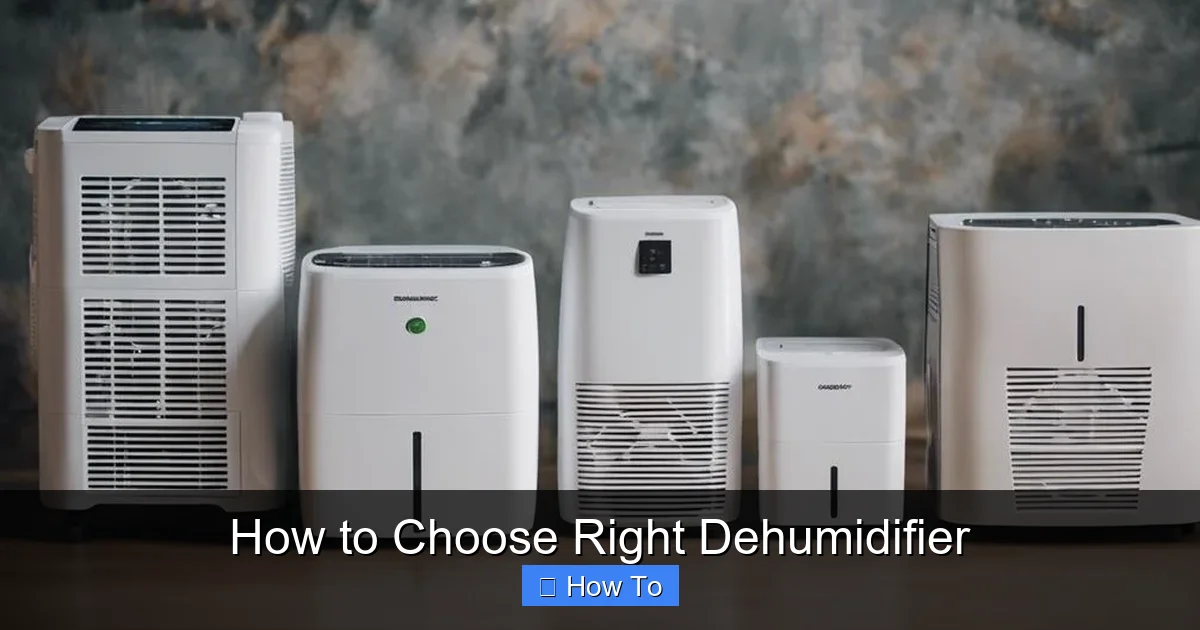
Visual guide about How to Choose Right Dehumidifier
Image source: earnest.com.bd
High humidity can also damage your belongings—warping wood furniture, ruining books, and causing electronics to malfunction. In extreme cases, it can even affect your home’s structure. So, a dehumidifier isn’t just about comfort—it’s about protection.
Common Signs You Need a Dehumidifier
- Condensation on windows or walls
- Musty smells in basements, closets, or bathrooms
- Visible mold or mildew growth
- Allergy or asthma symptoms worsening indoors
- Clothes or towels taking forever to dry
- Peeling wallpaper or paint
If you’ve noticed any of these signs, it’s time to take action. A dehumidifier can make a big difference in your home’s air quality and overall health.
Step 2: Measure Your Space and Determine Capacity
One of the most important factors in choosing a dehumidifier is size—specifically, the capacity. Dehumidifiers are rated by how many pints of moisture they can remove in 24 hours. But bigger isn’t always better. You need the right size for your space.
Calculate the Square Footage
Start by measuring the area where you plan to use the dehumidifier. Use a tape measure to find the length and width of the room, then multiply them to get the square footage. For example, a 10 ft x 12 ft room is 120 square feet.
Most dehumidifiers list their recommended coverage area. A 30-pint model might cover up to 1,500 square feet, while a 50-pint unit can handle up to 3,000 square feet. But don’t just go by square footage alone—humidity level matters too.
Assess the Humidity Level
Use a hygrometer (a small, inexpensive device that measures humidity) to check the moisture level in your home. Ideal indoor humidity is between 30% and 50%. If it’s above 60%, you have a high-humidity problem.
Here’s a quick guide to help you match capacity to your needs:
- 30–50 pints per day: Moderate humidity (50–60%) in average-sized rooms (up to 1,500 sq ft)
- 50–70 pints per day: High humidity (60–70%) in large or damp areas like basements
- 70+ pints per day: Severe dampness or flooding in large spaces
For example, if your basement is 1,200 square feet and feels very damp, a 50-pint dehumidifier would be a good choice. But if it’s only slightly humid, a 30-pint model might suffice.
Step 3: Choose the Right Type of Dehumidifier
Not all dehumidifiers work the same way. There are three main types: compressor (refrigerant), desiccant, and thermoelectric. Each has pros and cons depending on your climate and needs.
Compressor (Refrigerant) Dehumidifiers
This is the most common type. It uses a compressor and refrigerant to cool air, causing moisture to condense and collect in a tank. These are highly effective in warm, humid environments (above 65°F).
Best for: Basements, living rooms, and homes in humid climates.
Pros: High moisture removal, energy-efficient at scale, widely available.
Cons: Less effective in cold temperatures, can be noisy, larger units are heavy.
Desiccant Dehumidifiers
These use a moisture-absorbing material (like silica gel) to pull water from the air. They don’t rely on cooling, so they work well in cold environments.
Best for: Cold climates, garages, RVs, or winter use.
Pros: Works in low temperatures, quieter operation, lighter weight.
Cons: Less efficient in high humidity, higher energy use, smaller capacity.
Thermoelectric Dehumidifiers
These use a small fan and Peltier module to cool air and collect moisture. They’re compact and quiet but have limited capacity.
Best for: Small spaces like closets, RVs, or under sinks.
Pros: Very quiet, energy-efficient for small jobs, portable.
Cons: Low moisture removal, not suitable for large or damp areas.
For most homes, a compressor dehumidifier is the best all-around choice. But if you live in a cold climate or need something for a small space, consider a desiccant or thermoelectric model.
Step 4: Consider Energy Efficiency and Operating Costs
Dehumidifiers run for hours each day, so energy efficiency matters. A less efficient model might cost more in electricity over time—even if it’s cheaper upfront.
Look for ENERGY STAR Certification
ENERGY STAR-certified dehumidifiers meet strict efficiency guidelines set by the U.S. Environmental Protection Agency. They use 15–30% less energy than standard models, saving you money and reducing your carbon footprint.
Check the Energy Factor (EF) rating—measured in liters of water removed per kilowatt-hour (L/kWh). Higher EF means better efficiency. For example, a model with an EF of 1.5 is more efficient than one with 1.2.
Estimate Your Operating Cost
To calculate how much a dehumidifier will cost to run, use this formula:
Daily cost = (Wattage × Hours used per day × Electricity rate) ÷ 1,000
For example, a 300-watt dehumidifier running 10 hours a day at $0.12 per kWh would cost about $0.36 per day, or $131 per year. A more efficient 250-watt model would cost around $0.30 per day.
While the difference seems small, it adds up. Over 5 years, you could save over $150 with a more efficient unit.
Step 5: Evaluate Noise Level and Portability
Dehumidifiers aren’t silent. Most produce noise from fans and compressors. If you plan to use it in a bedroom, living room, or office, noise level is important.
Check the Decibel (dB) Rating
Look for models under 50 dB for quiet operation. For comparison:
- 30–40 dB: Whisper or quiet library
- 50 dB: Normal conversation
- 60+ dB: Loud fan or vacuum
Desiccant and thermoelectric models are usually quieter than compressor types. Some brands also offer “quiet mode” or insulated cabinets to reduce noise.
Look for Portability Features
If you plan to move the dehumidifier between rooms, choose one with:
- Built-in handles
- Wheels or casters
- Lightweight design (under 40 lbs for easy lifting)
A portable model gives you flexibility. For example, you might use it in the basement during summer and move it to the bathroom in winter.
Step 6: Review Key Features and Smart Options
Modern dehumidifiers come with a range of features that improve convenience, performance, and control. Here’s what to look for:
Auto-Humidistat
This built-in sensor monitors humidity and turns the unit on or off to maintain your desired level. It’s more efficient than running constantly and prevents over-drying.
Continuous Drain Option
Instead of emptying a tank, you can attach a hose to drain water directly into a floor drain or sump pump. This is ideal for basements or 24/7 operation.
Timer and Auto-Restart
A timer lets you set when the dehumidifier turns on or off. Auto-restart resumes operation after a power outage—great for unattended use.
Filter Indicator and Washable Filter
A clean filter improves airflow and efficiency. Look for a washable or reusable filter with a cleaning reminder light.
Wi-Fi and Smart Controls
Some models connect to your smartphone via Wi-Fi. You can monitor humidity, adjust settings, and receive alerts from anywhere. Brands like Frigidaire, Honeywell, and GE offer smart dehumidifiers.
While smart features are convenient, they often come at a higher price. Decide if the added cost is worth the convenience for your lifestyle.
Step 7: Set a Budget and Compare Models
Dehumidifiers range from $100 to $600+, depending on size, type, and features. Set a realistic budget based on your needs.
Budget Options ($100–$200)
Great for small spaces or mild humidity. Look for basic 30-pint compressor models from brands like hOmeLabs or Ivation. They may lack advanced features but get the job done.
Mid-Range ($200–$400)
Best value for most homes. These often include auto-humidistats, continuous drain, and better efficiency. Popular models include the Frigidaire FFAD7033R1 and Honeywell TP70WKN.
High-End ($400+)
Ideal for large, damp areas or smart home integration. These offer top efficiency, quiet operation, and advanced controls. Examples include the AprilAire E080 and GE APER50LZ.
Read customer reviews and check ratings on sites like Amazon, Home Depot, or Consumer Reports. Look for consistent feedback on reliability, noise, and ease of use.
Step 8: Installation and Maintenance Tips
Once you’ve chosen your dehumidifier, proper setup and maintenance are key to long-term performance.
Placement Matters
Place the unit in the center of the room or near the source of moisture. Keep it at least 6–12 inches away from walls and furniture for proper airflow. Avoid placing it near heat sources like radiators or vents.
Empty the Tank Regularly
Most models have a water tank that needs emptying every 12–24 hours. Some have a full-tank alert light. If you’re using a continuous drain hose, make sure it’s securely attached and directed to a drain.
Clean the Filter Monthly
Turn off and unplug the unit, then remove the filter. Rinse it with warm water and let it dry completely before reinserting. A clogged filter reduces efficiency and can cause the unit to overheat.
Inspect for Frost (Compressor Models)
In cold environments, the coils can frost over. If you see ice buildup, turn off the unit and let it defrost. Some models have auto-defrost, but it’s still good to check periodically.
Store Properly Off-Season
If you only use the dehumidifier in summer, clean it thoroughly and store it in a dry place. Cover it to prevent dust buildup.
Troubleshooting Common Issues
Even the best dehumidifiers can have problems. Here’s how to fix common issues:
Dehumidifier Isn’t Removing Moisture
- Check the filter—clean or replace if dirty.
- Ensure the room is sealed (close doors and windows).
- Verify the humidity setting—lower it if needed.
- Make sure the unit is the right size for the space.
Unit Is Too Noisy
- Place it on a flat, stable surface to reduce vibration.
- Check for loose parts or debris in the fan.
- Consider moving it to a less sensitive area.
Water Leaking from the Unit
- Ensure the tank is properly seated.
- Check the drain hose for kinks or blockages.
- Inspect the gasket or seal around the tank.
Unit Won’t Turn On
- Check the power cord and outlet.
- Reset the circuit breaker if tripped.
- Look for a blown fuse or faulty switch.
If problems persist, consult the user manual or contact the manufacturer’s customer service.
Conclusion
Choosing the right dehumidifier doesn’t have to be overwhelming. By following these steps—assessing your space, checking humidity levels, selecting the right type and size, and considering efficiency and features—you can find a model that keeps your home comfortable and healthy.
Remember, the best dehumidifier is one that matches your specific needs. Whether you’re tackling a damp basement or just improving air quality, the right choice will make a noticeable difference. Take your time, compare options, and invest in a quality unit that will serve you well for years to come.