
Choosing the correct dehumidifier size ensures optimal moisture control and energy efficiency. This guide walks you through room size, humidity levels, and capacity ratings to help you pick the perfect unit for your home or basement.
Quick Answers to Common Questions
Tip/Question?
Can I use a small dehumidifier in a large room?
It may work temporarily, but it won’t keep up with moisture levels. You’ll waste energy and likely see little improvement in humidity.
Tip/Question?
Should I buy a dehumidifier with a built-in pump?
Yes, if you’re placing it in a basement or area without a nearby drain. A pump allows continuous drainage without manual emptying.
Tip/Question?
How often should I run my dehumidifier?
Run it daily during humid months or whenever humidity exceeds 50%. Use a humidistat for automatic control.
Tip/Question?
Is a 50-pint dehumidifier too big for a 600 sq ft basement?
Not if the basement is very damp or wet. In high-moisture conditions, a larger unit ensures effective drying.
Tip/Question?
Can I use multiple small dehumidifiers instead of one large one?
Yes, but it’s usually less efficient and more expensive long-term. One properly sized unit is typically better.
How to Choose the Size of a Dehumidifier
Excess moisture in your home can lead to mold, musty odors, and even structural damage. A dehumidifier helps maintain healthy indoor air quality by removing excess humidity from the air. But here’s the catch: not all dehumidifiers are created equal. Choosing the right size is crucial—too small, and it won’t keep up; too large, and you’ll waste energy and money.
In this comprehensive guide, you’ll learn exactly how to choose the size of a dehumidifier that fits your needs. We’ll walk you through measuring your space, understanding humidity levels, interpreting capacity ratings, and considering real-world factors like climate and usage. By the end, you’ll be confident in selecting a dehumidifier that keeps your home dry, comfortable, and energy-efficient.
Step 1: Measure the Square Footage of the Area
The first step in choosing the right dehumidifier size is knowing how much space you need to cover. Most dehumidifiers are designed for specific room sizes, so accurate measurements are essential.
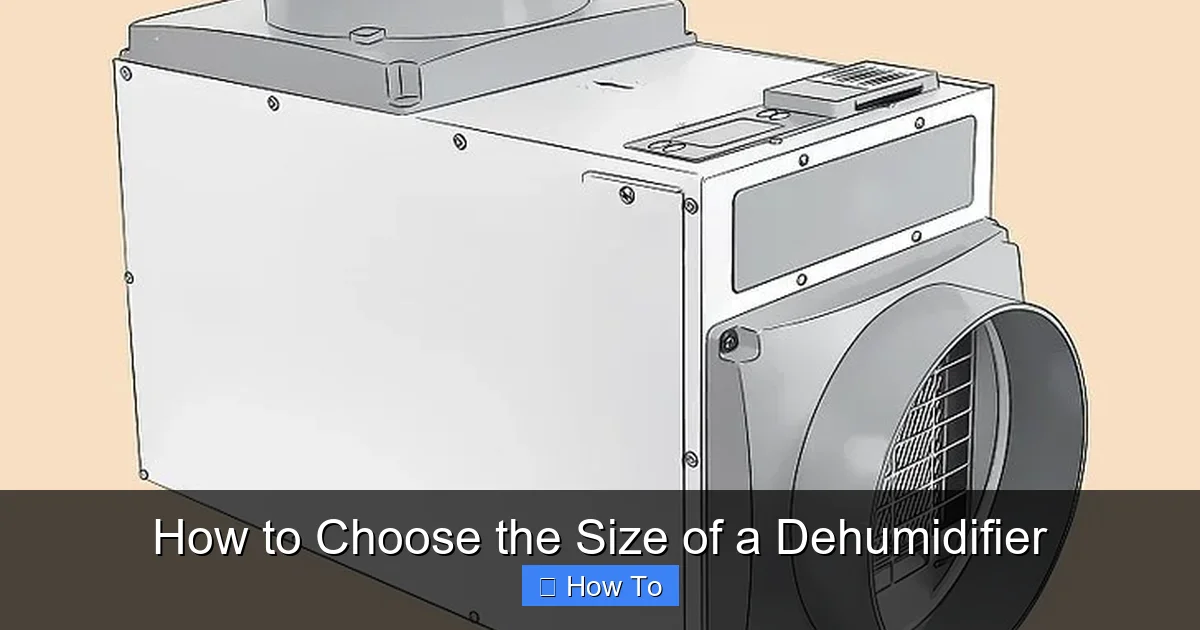
Visual guide about How to Choose the Size of a Dehumidifier
Image source: wikihow.com
How to Calculate Square Footage
To find the square footage of a room, multiply the length by the width. For example, a room that is 10 feet long and 12 feet wide equals 120 square feet. If you have an irregularly shaped room, divide it into rectangles, calculate each section, and add them together.
Include All Affected Areas
Don’t just measure the main living space. If moisture is a problem in a basement, crawl space, or laundry room, include those areas too. A dehumidifier placed in a central location may not effectively cover multiple rooms unless it’s powerful enough.
Example Scenarios
- A small bedroom (100 sq ft) may only need a compact 20-pint unit.
- A large basement (1,000 sq ft) with high humidity might require a 50-pint or larger model.
- An open-concept living area (800 sq ft) could need a 40-pint dehumidifier, especially if it’s damp.
Tip: Always round up when in doubt. It’s better to have a slightly larger capacity than to underpower your space.
Step 2: Assess the Humidity Level in Your Space
Room size alone isn’t enough—how damp the area is plays a huge role in determining the right dehumidifier size. A 500-square-foot room in Arizona will need a much smaller unit than the same size room in Florida.
Use a Hygrometer to Measure Humidity
A hygrometer is a small, inexpensive device that measures relative humidity (RH). Ideal indoor humidity levels range from 30% to 50%. Anything above 60% is considered high and can promote mold growth.
To use a hygrometer:
- Place it in the room for at least 24 hours.
- Take readings at different times of day, especially after showers or cooking.
- Record the average humidity level.
Classify the Moisture Level
Based on your readings, categorize the room’s moisture level:
- Normal: 30–50% RH — minimal moisture, no musty smell.
- Slightly Damp: 50–60% RH — occasional dampness, maybe after rain.
- Damp: 60–70% RH — noticeable moisture, possible condensation on windows.
- Very Damp: 70–80% RH — strong musty odor, visible mold or mildew.
- Wet: Above 80% RH — standing water, flooding, or chronic leaks.
The higher the humidity, the larger the dehumidifier you’ll need—even in a small space.
Step 3: Understand Dehumidifier Capacity Ratings
Dehumidifiers are rated by how many pints of moisture they can remove in 24 hours under standard conditions (80°F and 60% RH). This is known as the “pint rating.”
Common Capacity Sizes
- 20–30 pints: Best for small spaces (up to 500 sq ft) with normal to slightly damp conditions.
- 30–50 pints: Ideal for medium to large rooms (500–1,500 sq ft) that are damp or very damp.
- 50+ pints: Designed for large basements, crawl spaces, or wet areas (1,500+ sq ft).
Match Capacity to Room Size and Dampness
Use this general guide to match capacity to your situation:
| Room Size | Normal | Slightly Damp | Damp | Very Damp | Wet |
|---|---|---|---|---|---|
| Up to 500 sq ft | 20 pints | 30 pints | 30–50 pints | 50 pints | 50+ pints |
| 500–1,000 sq ft | 30 pints | 30–50 pints | 50 pints | 50–70 pints | 70+ pints |
| 1,000–1,500 sq ft | 50 pints | 50 pints | 50–70 pints | 70 pints | 70+ pints |
| 1,500+ sq ft | 50–70 pints | 70 pints | 70+ pints | 70+ pints | 70+ pints (or multiple units) |
Note: These are estimates. Real-world performance can vary based on temperature, ventilation, and usage.
Don’t Rely Solely on Manufacturer Claims
Some brands may overstate capacity. Look for AHAM (Association of Home Appliance Manufacturers) certified ratings, which are tested under standardized conditions and are more reliable.
Step 4: Consider Your Climate and Local Conditions
Where you live affects how much moisture your dehumidifier needs to handle. Humid climates require more powerful units, even in smaller spaces.
Humid vs. Dry Climates
- Humid climates (e.g., Southeast U.S., Gulf Coast): High outdoor humidity seeps indoors. Choose a larger capacity or a unit with a pump for continuous drainage.
- Moderate climates (e.g., Midwest): Seasonal humidity changes. A mid-sized unit with adjustable settings works well.
- Dry climates (e.g., Southwest): Less moisture overall. A smaller unit may suffice, but basements or crawl spaces can still be damp.
Seasonal Variations
Humidity levels fluctuate throughout the year. In summer, your dehumidifier may work harder. Consider a model with a built-in humidistat so it automatically adjusts based on current conditions.
Proximity to Water Sources
If your home is near a lake, river, or in a flood-prone area, you may need a higher-capacity unit or even a whole-house dehumidifier.
Step 5: Evaluate Usage and Lifestyle Factors
How you use your space also impacts dehumidifier size. Daily activities can add significant moisture to the air.
High-Moisture Activities
- Laundry: Hanging clothes to dry indoors adds moisture. If you do laundry frequently, consider a larger unit.
- Cooking and showering: These activities release steam. Kitchens and bathrooms benefit from localized dehumidification or a whole-home system.
- Pets and plants: Pets breathe and shed moisture; houseplants release water through transpiration. These can increase indoor humidity.
Home Occupancy
More people = more moisture. A family of four generates more humidity than a single occupant. Adjust your dehumidifier size accordingly.
Ventilation and Airflow
Poorly ventilated spaces trap moisture. If your basement or bathroom lacks windows or exhaust fans, you’ll need a stronger dehumidifier to compensate.
Step 6: Choose the Right Type of Dehumidifier
Not all dehumidifiers are the same. The type you choose affects performance and efficiency.
Compressor (Refrigerant) Dehumidifiers
Most common type. Work best in warm, humid conditions (above 65°F). Efficient for basements and living areas.
Desiccant Dehumidifiers
Use moisture-absorbing materials. Better for cold spaces (like crawl spaces) but less energy-efficient in warm climates.
Whole-House Dehumidifiers
Integrated with HVAC systems. Ideal for large homes or chronic moisture problems. More expensive but highly effective.
Portable vs. Permanent
- Portable: Easy to move, good for spot treatment. Choose based on room size and mobility needs.
- Permanent: Installed in basements or crawl spaces. Often include pumps for automatic drainage.
Step 7: Prioritize Energy Efficiency
A larger dehumidifier isn’t always better if it’s inefficient. High energy use can lead to steep electricity bills.
Look for ENERGY STAR Certification
ENERGY STAR-certified dehumidifiers use 15–30% less energy than standard models. They meet strict efficiency guidelines set by the EPA.
Check the Energy Factor (EF)
The EF measures how many liters of water the unit removes per kilowatt-hour of electricity. Higher EF = more efficient. Aim for at least 1.5 L/kWh.
Use a Timer or Humidistat
Units with built-in humidistats turn on only when needed. Timers let you run the dehumidifier during off-peak hours to save energy.
Step 8: Plan for Drainage and Maintenance
A dehumidifier’s effectiveness depends on proper drainage and regular maintenance.
Manual vs. Continuous Drainage
- Manual: You empty the water tank. Suitable for small units or infrequent use.
- Continuous: Hose connects to a drain or sump pump. Best for large units or wet areas.
Built-in Pump
Some models include a pump to push water upward (e.g., from a basement to a sink). This is essential if you can’t gravity-drain.
Filter Maintenance
Clean or replace filters every 1–2 months. Clogged filters reduce efficiency and airflow.
Troubleshooting Common Sizing Mistakes
Even with the right calculations, mistakes happen. Here’s how to fix common issues.
Problem: Dehumidifier Runs Constantly but Doesn’t Lower Humidity
Solution: The unit is too small for the space or humidity level. Upgrade to a higher-capacity model or add a second unit.
Problem: Unit Cycles On and Off Too Frequently
Solution: The dehumidifier may be oversized. It removes moisture too quickly, triggering the humidistat to shut it off. Consider a smaller unit or adjust the humidity setting.
Problem: Water Tank Fills Up Too Fast
Solution: This is normal in very damp conditions. Use a continuous drain hose or upgrade to a model with a larger tank or pump.
Problem: Musty Smell Persists
Solution: The dehumidifier may not be reaching all areas. Improve air circulation with fans or consider a whole-home system.
Final Tips for Choosing the Right Size
- Always measure your space and test humidity before buying.
- Use the capacity guide as a starting point, but adjust for climate and usage.
- Invest in a quality hygrometer to monitor results after installation.
- Choose ENERGY STAR models to save on energy costs.
- Don’t forget about maintenance—clean filters and check drainage regularly.
By following these steps, you’ll choose a dehumidifier that keeps your home dry, healthy, and comfortable year-round.
Conclusion
Choosing the right dehumidifier size isn’t just about square footage—it’s about understanding your home’s unique moisture challenges. By measuring your space, assessing humidity levels, and matching capacity to your needs, you can select a unit that works efficiently and effectively.
Remember, a properly sized dehumidifier not only prevents mold and mildew but also improves air quality, protects your belongings, and can even lower your energy bills. Take the time to evaluate your situation, and don’t hesitate to consult a professional if you’re dealing with severe moisture issues.
With the right dehumidifier in place, you’ll enjoy a fresher, healthier home—no matter the season.