

Yes, a dehumidifier can affect your AC thermostat—especially in how it influences perceived temperature and humidity levels. While it doesn’t directly interfere with the thermostat’s electrical function, it changes the indoor environment in ways that may cause your AC to behave differently, potentially leading to more efficient cooling or unexpected cycling.
Key Takeaways
- Dehumidifiers reduce indoor humidity, which can make the air feel cooler without lowering the actual temperature. This may cause your thermostat to sense a more comfortable environment and reduce AC runtime.
- Lower humidity levels improve AC efficiency. When moisture is removed, your air conditioner doesn’t have to work as hard to cool the space, potentially reducing energy consumption.
- Improper placement of a dehumidifier near the thermostat can cause false readings. If the dehumidifier blows dry, cool air directly onto the thermostat, it may misread the room’s actual conditions.
- Using a dehumidifier alongside your AC can lead to better indoor air quality and comfort. It helps prevent mold, dust mites, and musty odors, especially in humid climates.
- Smart thermostats may respond differently when paired with a dehumidifier. Advanced models can detect humidity changes and adjust cooling cycles accordingly, enhancing overall performance.
- Over-dehumidification can cause discomfort and strain on systems. Too little humidity (below 30%) can lead to dry skin, irritated airways, and static electricity.
- Coordinating dehumidifier and AC use saves energy and extends equipment life. Running both systems in harmony reduces wear and tear and maintains optimal indoor conditions.
Quick Answers to Common Questions
Can a dehumidifier make my AC thermostat read incorrectly?
Yes, if the dehumidifier blows cool, dry air directly onto the thermostat, it can cause false temperature or humidity readings, leading to improper AC cycling.
Should I run my dehumidifier and AC at the same time?
Yes, running both systems together can improve comfort and efficiency, especially in humid climates. The dehumidifier handles moisture while the AC focuses on cooling.
Will a dehumidifier reduce my AC energy bills?
Often, yes. By lowering humidity, your AC doesn’t have to work as hard, which can reduce energy consumption and lower cooling costs.
Can a dehumidifier damage my thermostat?
No, a dehumidifier won’t physically damage your thermostat. However, it can affect its readings if placed too close, leading to inefficient operation.
What humidity level should I maintain with a dehumidifier?
Aim for 30–50% indoor humidity. Levels below 30% can cause dryness, while levels above 50% promote mold and discomfort.
📑 Table of Contents
- Understanding the Relationship Between Dehumidifiers and AC Thermostats
- How Humidity Affects Thermostat Readings and Comfort
- Can a Dehumidifier Interfere with Thermostat Function?
- Benefits of Using a Dehumidifier with Your AC System
- Potential Drawbacks and How to Avoid Them
- Smart Thermostats and Dehumidifier Integration
- Best Practices for Using a Dehumidifier with Your AC
- Conclusion
Understanding the Relationship Between Dehumidifiers and AC Thermostats
When it comes to home comfort, most people think of air conditioning as the sole solution for beating the heat. But what about humidity? High moisture levels can make a 75°F room feel like 85°F—sticky, uncomfortable, and downright miserable. That’s where dehumidifiers come in. These devices pull excess moisture from the air, making your home feel cooler and more pleasant. But here’s the catch: while dehumidifiers don’t directly control your thermostat, they can significantly influence how your air conditioning system operates—and how your thermostat responds.
So, can a dehumidifier affect your AC thermostat? The short answer is yes—but not in the way you might think. A dehumidifier doesn’t send signals to your thermostat or override its settings. Instead, it changes the indoor environment in ways that indirectly impact thermostat behavior. For example, by lowering humidity, the air feels cooler, which may cause your thermostat to register a more comfortable temperature and reduce cooling demand. This can lead to shorter AC cycles, lower energy bills, and improved comfort—especially during humid summer months.
But it’s not all smooth sailing. If a dehumidifier is placed too close to your thermostat, it might blow dry, cool air directly onto the sensor, causing it to misread the room’s actual temperature and humidity. This can result in your AC turning on or off at the wrong times, leading to inefficiency and discomfort. Understanding this dynamic is key to optimizing your home’s climate control system.
How Humidity Affects Thermostat Readings and Comfort
Visual guide about Can a Dehumidifier Affect Ac Thermostat
Image source: 1.bp.blogspot.com
To grasp how a dehumidifier can affect your AC thermostat, it helps to understand the role of humidity in indoor comfort. Humidity refers to the amount of water vapor in the air. High humidity makes it harder for sweat to evaporate from your skin, which is your body’s natural cooling mechanism. As a result, you feel hotter than the actual air temperature suggests. This is why a 78°F room in Florida feels vastly different from a 78°F room in Arizona—humidity levels are the deciding factor.
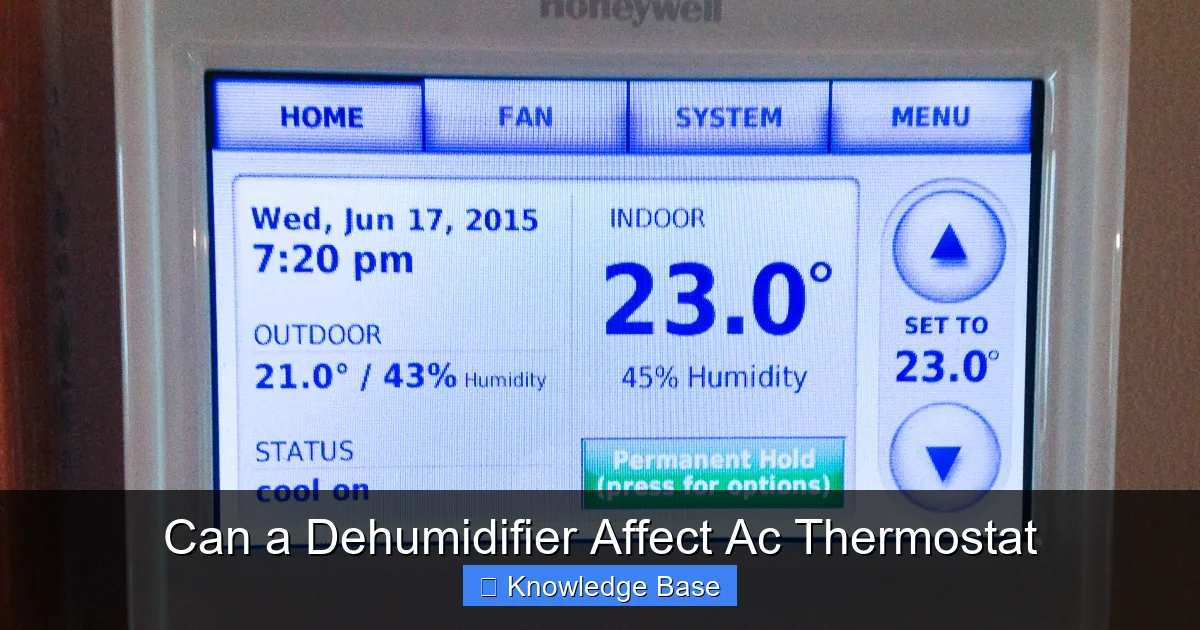
Your thermostat measures temperature, not humidity. However, many modern thermostats—especially smart models—include humidity sensors. These devices can detect moisture levels and adjust cooling cycles accordingly. When humidity is high, the thermostat may signal the AC to run longer to remove both heat and moisture. But when a dehumidifier is actively reducing indoor humidity, the thermostat may sense a more balanced environment and shorten cooling cycles.
For example, imagine your thermostat is set to 76°F. On a humid day, the air feels sticky and uncomfortable, so your AC runs frequently to maintain that temperature. Now, add a dehumidifier to the mix. As it removes moisture, the air feels cooler and more comfortable at 76°F. Your thermostat may interpret this as “mission accomplished” and reduce AC runtime. This not only saves energy but also reduces wear on your cooling system.
But here’s a common pitfall: if your dehumidifier is positioned near the thermostat, it might create a microclimate. The dry, cool air from the dehumidifier could lower the temperature reading at the sensor, even if the rest of the room is warmer. This can trick the thermostat into thinking the house is cooler than it actually is, causing the AC to shut off prematurely. The result? Uneven cooling, hot spots, and wasted energy.
Can a Dehumidifier Interfere with Thermostat Function?

Visual guide about Can a Dehumidifier Affect Ac Thermostat
Image source: earthclean.co.jp
A frequent concern among homeowners is whether a dehumidifier can interfere with thermostat function. The good news is that dehumidifiers don’t emit signals or electromagnetic interference that would disrupt a thermostat’s operation. They’re electrically isolated appliances that work independently of your HVAC system. So, in terms of direct interference—like causing a thermostat to malfunction or reset—there’s no real risk.
However, indirect effects are very real. As mentioned earlier, placement matters. If your dehumidifier is blowing air directly onto the thermostat, it can create false readings. This is especially true for mechanical or older digital thermostats that rely on a simple temperature sensor. Even some smart thermostats with humidity sensors can be misled if the local environment around them is artificially altered.
For instance, placing a dehumidifier in a hallway near a wall-mounted thermostat might seem harmless. But if the unit discharges dry, cool air upward or sideways, it could cool the thermostat sensor faster than the rest of the room. The thermostat then thinks the house has reached the desired temperature and signals the AC to turn off—even though other areas are still warm and humid. This leads to inconsistent cooling and discomfort.
To avoid this, it’s best to keep dehumidifiers at least 3 to 5 feet away from thermostats. If possible, place the dehumidifier in a central location where it can evenly distribute dehumidified air without creating localized cooling. Also, consider using a dehumidifier with a built-in humidistat, which automatically shuts off when the desired humidity level is reached. This prevents over-dehumidification and reduces the risk of affecting thermostat accuracy.
Benefits of Using a Dehumidifier with Your AC System
Using a dehumidifier alongside your air conditioner offers several advantages—especially in humid climates or during peak summer months. While your AC does remove some moisture as a byproduct of cooling, it’s not designed primarily for dehumidification. In fact, when the AC runs frequently to cool the air, it may not run long enough to effectively remove humidity. This is known as short-cycling, and it leaves your home feeling clammy and uncomfortable.
A dedicated dehumidifier fills this gap. By actively removing moisture, it allows your AC to focus on temperature control. This division of labor improves overall efficiency and comfort. Here are some key benefits:
Improved Comfort: Lower humidity makes the air feel cooler, so you can set your thermostat a few degrees higher without sacrificing comfort. For every degree you raise the thermostat, you can save up to 3–5% on cooling costs.
Energy Savings: When humidity is under control, your AC doesn’t have to work as hard. This reduces energy consumption and lowers utility bills. In some cases, homeowners report up to 20% savings on cooling costs when using a dehumidifier.
Better Air Quality: High humidity promotes mold, mildew, dust mites, and bacteria. A dehumidifier helps keep these allergens in check, improving indoor air quality and reducing respiratory issues.
Protects Your Home: Excess moisture can damage wood floors, furniture, and drywall. By maintaining optimal humidity levels (between 30% and 50%), you protect your home’s structure and belongings.
Reduces AC Wear and Tear: When your AC isn’t constantly battling high humidity, it experiences less strain. This can extend the lifespan of your system and reduce the need for repairs.
For example, consider a home in Houston, Texas, where summer humidity often exceeds 70%. Without a dehumidifier, the AC runs almost nonstop, struggling to keep up with both heat and moisture. But with a dehumidifier running in the basement or main living area, the AC can cool more efficiently. The thermostat senses a more stable environment and cycles less frequently, saving energy and improving comfort.
Potential Drawbacks and How to Avoid Them
While the benefits are clear, using a dehumidifier with your AC isn’t without potential drawbacks. The most common issue is over-dehumidification. If a dehumidifier runs too long or is too powerful for the space, it can drop humidity levels below 30%. This creates a dry, uncomfortable environment that can cause dry skin, irritated sinuses, and static electricity.
Another concern is increased energy use. Dehumidifiers consume electricity, so running one alongside your AC could offset some of the energy savings. However, this is usually outweighed by the reduced load on your AC. Still, it’s important to choose an energy-efficient model and use it wisely.
Placement remains a critical factor. As discussed earlier, positioning a dehumidifier too close to the thermostat can lead to inaccurate readings. Similarly, placing it in a corner or behind furniture can restrict airflow and reduce effectiveness.
To avoid these issues, follow these tips:
- Choose the right size dehumidifier: Match the unit’s capacity (measured in pints per day) to the size and humidity level of your space. A unit that’s too small won’t be effective; one that’s too large may cycle too frequently.
- Set the humidity level correctly: Aim for 30–50% humidity. Use a hygrometer to monitor levels if your dehumidifier doesn’t have a built-in humidistat.
- Place the dehumidifier strategically: Keep it away from the thermostat and in a central, well-ventilated area. Avoid blocking air intake or discharge vents.
- Use a smart dehumidifier: Models with Wi-Fi connectivity and smart sensors can integrate with your thermostat and adjust operation based on real-time conditions.
- Maintain your dehumidifier: Clean the filter regularly and empty the water tank to ensure optimal performance.
For example, a homeowner in Atlanta might use a 50-pint dehumidifier in a 1,500-square-foot home with a central AC. By placing the unit in the living room—away from the hallway thermostat—and setting it to maintain 45% humidity, they achieve balanced comfort without disrupting thermostat function.
Smart Thermostats and Dehumidifier Integration
The rise of smart thermostats has added a new dimension to how dehumidifiers and AC systems interact. Unlike traditional thermostats, smart models like the Nest, Ecobee, or Honeywell T9 can monitor both temperature and humidity. Some even allow you to set humidity targets and adjust cooling cycles accordingly.
This means your smart thermostat can “communicate” with your dehumidifier—not electronically, but through environmental feedback. For instance, if the thermostat detects high humidity, it may signal the AC to run longer or activate a connected dehumidifier (if compatible). This creates a more responsive and efficient climate control system.
Some advanced systems take this further. For example, certain HVAC units come with built-in dehumidification modes that work in tandem with the thermostat. These systems use variable-speed compressors and reheat coils to remove moisture without overcooling the air. When paired with a smart thermostat, they can maintain precise humidity levels while minimizing energy use.
Even without built-in integration, you can create a smart setup using home automation platforms like Apple HomeKit, Google Home, or Amazon Alexa. For example, you can set a routine where the dehumidifier turns on automatically when the thermostat detects humidity above 55%. Or, you can use geofencing to activate both systems when you’re on your way home.
This level of coordination ensures that your dehumidifier and AC work together—not against each other—to maintain comfort and efficiency. It also reduces the risk of thermostat misreadings, since the system responds to overall conditions rather than localized changes.
Best Practices for Using a Dehumidifier with Your AC
To get the most out of your dehumidifier and AC system, follow these best practices:
- Run both systems during peak humidity: Use the dehumidifier in the morning and evening when humidity is highest, and let the AC handle cooling during the hottest part of the day.
- Seal your home: Close windows and doors to prevent humid outdoor air from entering. This reduces the load on both systems.
- Use ceiling fans: Fans improve air circulation, helping the thermostat sense room conditions more accurately and enhancing the cooling effect of lower humidity.
- Schedule regular maintenance: Clean AC filters, check refrigerant levels, and service your dehumidifier to ensure peak performance.
- Monitor with a hygrometer: Keep an eye on indoor humidity levels to avoid over- or under-dehumidification.
- Consider a whole-house dehumidifier: For larger homes or severe humidity issues, a whole-house unit integrated with your HVAC system offers the most consistent results.
By following these tips, you can create a balanced, efficient, and comfortable indoor environment—without worrying about your dehumidifier affecting your AC thermostat in a negative way.
Conclusion
So, can a dehumidifier affect your AC thermostat? Absolutely—but the impact is usually positive when managed correctly. By reducing indoor humidity, a dehumidifier makes the air feel cooler, improves AC efficiency, and enhances overall comfort. While it doesn’t directly interfere with thermostat function, improper placement or overuse can lead to inaccurate readings and discomfort.
The key is balance. Use a properly sized dehumidifier, place it away from the thermostat, and monitor humidity levels to maintain an optimal range. Pair it with a smart thermostat for even greater control and efficiency. When used together, your dehumidifier and AC system can work in harmony to keep your home cool, dry, and energy-efficient—all summer long.
Frequently Asked Questions
Can a dehumidifier interfere with my thermostat’s Wi-Fi signal?
No, dehumidifiers do not emit signals that interfere with Wi-Fi or smart thermostat connectivity. They operate independently and safely alongside modern electronics.
Do I need a dehumidifier if my AC already removes moisture?
Your AC removes some moisture, but not enough in very humid conditions. A dehumidifier provides targeted moisture control, improving comfort and efficiency.
Can using a dehumidifier cause my AC to freeze up?
Not directly. However, if the dehumidifier lowers humidity too much, the AC may not run long enough to properly dehumidify, potentially leading to ice buildup in rare cases.
Is it better to use a portable or whole-house dehumidifier with my AC?
Whole-house dehumidifiers are more effective for large homes or severe humidity issues, while portable units work well for single rooms or moderate needs.
How often should I run my dehumidifier with my AC?
Run the dehumidifier during high-humidity periods, such as mornings and evenings, or continuously if humidity remains above 50%. Adjust based on indoor conditions.
Can a dehumidifier help with allergies when used with AC?
Yes, by reducing mold, dust mites, and other allergens that thrive in high humidity, a dehumidifier can significantly improve indoor air quality and allergy symptoms.