

Yes, a dehumidifier can be added to a split unit, but it depends on your climate, indoor humidity levels, and system compatibility. While split AC units remove some moisture, they aren’t designed for high-humidity control. Adding a dedicated dehumidifier improves air quality, prevents mold, and enhances comfort—especially in humid regions or poorly ventilated spaces.
Key Takeaways
- Split units reduce humidity passively but aren’t optimized for dehumidification, especially in high-moisture environments.
- Standalone dehumidifiers offer precise control over indoor humidity levels, improving comfort and air quality.
- Portable or whole-home dehumidifiers can be integrated alongside split systems without major modifications.
- Energy efficiency matters—choose ENERGY STAR-rated models to avoid doubling electricity costs.
- Proper placement and maintenance are crucial for optimal performance of both the split unit and dehumidifier.
- Smart dehumidifiers with humidity sensors automatically adjust output, reducing manual intervention.
- Consult an HVAC professional before making changes to ensure compatibility and safe installation.
Quick Answers to Common Questions
Can I run a dehumidifier and split AC at the same time?
Yes, you can run both simultaneously. In fact, it’s often beneficial—the dehumidifier reduces moisture, allowing the AC to cool more efficiently.
Will a dehumidifier increase my electricity bill?
It may increase usage slightly, but energy-efficient models and reduced AC runtime can offset costs. ENERGY STAR units are best for savings.
Do I need a special dehumidifier for a basement?
Yes, basements often require a cold-weather or high-capacity dehumidifier (50+ pints) due to lower temperatures and higher moisture levels.
Can a dehumidifier replace my split AC?
No. Dehumidifiers remove moisture but don’t cool the air. You still need your split unit for temperature control.
How often should I empty the dehumidifier tank?
It depends on humidity levels, but most tanks need emptying daily. Use a continuous drain hose for convenience.
📑 Table of Contents
- Understanding Split Units and Their Role in Humidity Control
- Can You Add a Dehumidifier to a Split Unit System?
- Benefits of Adding a Dehumidifier to Your Split System
- Choosing the Right Dehumidifier for Your Split Unit Setup
- Installation and Maintenance Tips
- When Not to Add a Dehumidifier
- Conclusion
Understanding Split Units and Their Role in Humidity Control
When it comes to cooling your home, split air conditioning units are a popular choice. They’re sleek, quiet, energy-efficient, and perfect for rooms without ductwork. But here’s a common question many homeowners ask: “Can a dehumidifier be added to a split unit?” The short answer is yes—but it’s not always necessary, and understanding why will help you make the best decision for your space.
Split AC units work by pulling warm, humid air from inside your room, passing it over cold evaporator coils, and then blowing cooler air back into the room. During this process, moisture in the air condenses on the coils and drains away—similar to how a dehumidifier works. So technically, your split unit *does* remove some humidity. However, it’s not designed primarily for dehumidification. Its main job is cooling, and moisture removal is just a byproduct.
In dry climates or during mild weather, this passive dehumidification might be enough. But in humid regions—like coastal areas, tropical zones, or during rainy seasons—your split unit may struggle to keep up. You might notice sticky air, condensation on windows, or that “muggy” feeling even when the AC is running. That’s when adding a dehumidifier becomes a smart move.
How Split Units Handle Moisture
Let’s break it down. When warm, humid air enters the indoor unit of a split system, it passes over the cold evaporator coil. As the air cools, its ability to hold moisture decreases. The excess water vapor condenses into liquid and drips into a drain pan, eventually exiting through a condensate line. This process lowers the relative humidity slightly.
But here’s the catch: split units only remove moisture when they’re actively cooling. If the room reaches the set temperature but humidity remains high, the AC may shut off—leaving you cool but still clammy. This is especially true in shoulder seasons (spring and fall) when temperatures are mild but humidity is high. Your AC runs less, so less moisture is removed.
Additionally, many modern split units operate at variable speeds to save energy. While efficient, this means they don’t always run long enough to fully dehumidify the space. The result? You get comfort in temperature, but not in humidity.
Signs You Need More Than Just a Split Unit
So how do you know if your split unit isn’t cutting it? Watch for these signs:
– **Condensation on windows or walls** – This indicates excess moisture in the air.
– **Musty odors or mold growth** – Especially in corners, closets, or basements.
– **Sticky or clammy feeling** – Even when the AC is on and the room feels cool.
– **Allergy or respiratory issues worsening** – High humidity promotes dust mites and mold, which can trigger allergies.
– **Difficulty drying clothes indoors** – If laundry stays damp for days, humidity is likely too high.
If you’re experiencing any of these, it’s a strong signal that your split unit alone isn’t managing humidity effectively. That’s where a dehumidifier comes in.
Can You Add a Dehumidifier to a Split Unit System?
Visual guide about Can a Dehumidifier Be Added to a Split Unit
Image source: dynamix-cdn.s3.amazonaws.com
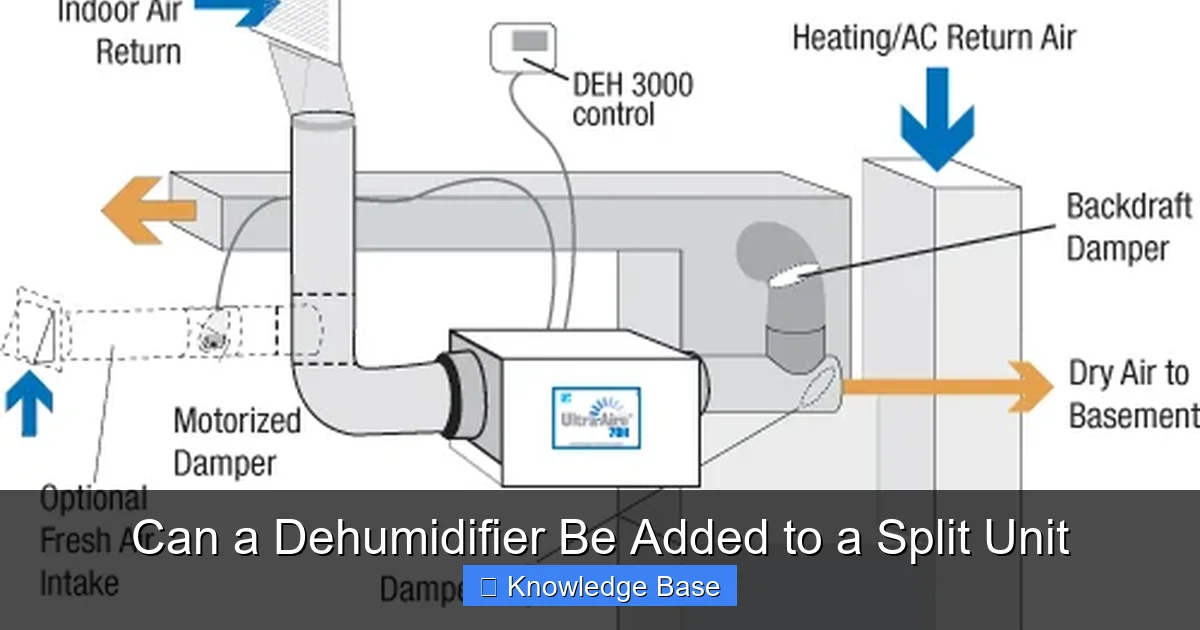
Now to the heart of the question: can a dehumidifier be added to a split unit? The answer is a resounding yes—and it’s easier than you might think. You don’t need to rewire your home or replace your AC. In most cases, you can simply plug in a standalone dehumidifier and let it do its job alongside your split system.
There are two main types of dehumidifiers you can use: portable units and whole-home (whole-house) systems. Portable dehumidifiers are the most common and affordable option. They’re compact, easy to move, and perfect for single rooms or small spaces. Whole-home dehumidifiers are larger, more powerful, and designed to integrate with your home’s HVAC system—but they can also work independently of your split unit.
Portable Dehumidifiers: Simple and Effective
Portable dehumidifiers are the go-to solution for most homeowners. They work by drawing in humid air, passing it over cold coils to remove moisture, and then releasing dry air back into the room. The collected water is stored in a tank that you empty periodically—or you can attach a hose for continuous drainage.
These units are ideal for bedrooms, living rooms, basements, or bathrooms—anywhere your split unit might not be running constantly. For example, if you only use your bedroom split AC at night, a dehumidifier can run during the day to keep humidity in check.
One major advantage? They’re plug-and-play. No installation required. Just find a spot near an outlet, set your desired humidity level (usually between 30% and 50%), and let it run. Many modern models even have built-in hygrometers and auto-shutoff features, so they only operate when needed.
Whole-Home Dehumidifiers: For Larger Spaces
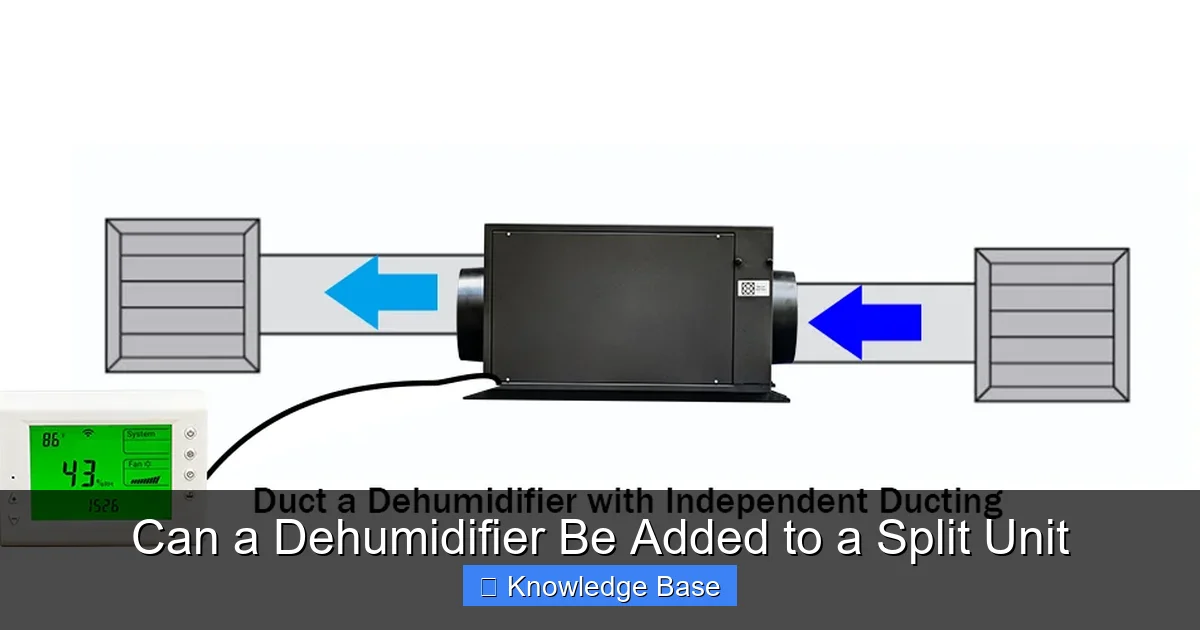
If you have a larger home or multiple rooms with high humidity, a whole-home dehumidifier might be worth considering. These systems are typically installed in your basement or utility room and connect to your home’s ductwork. They can dehumidify the entire house, working in tandem with your split units.
But here’s the good news: even if you don’t have central ductwork, some whole-home dehumidifiers can operate independently. They use powerful fans to circulate air throughout your home, pulling moisture from multiple rooms. This makes them a great option for homes with multiple split units or open floor plans.
While more expensive than portable units, whole-home dehumidifiers offer better coverage, quieter operation, and lower maintenance. They’re especially useful in humid climates or homes with poor ventilation.
Smart Dehumidifiers: The Future of Comfort
Technology has made dehumidifiers smarter than ever. Many newer models come with Wi-Fi connectivity, allowing you to control them via smartphone apps. You can set schedules, monitor humidity levels in real time, and receive alerts when the tank is full.
Some smart dehumidifiers even sync with your smart thermostat or split unit. For example, if your AC detects high humidity, it can trigger the dehumidifier to run—even if the temperature is already comfortable. This creates a more balanced indoor environment and prevents overcooling.
Brands like Frigidaire, hOmeLabs, and AprilAire offer smart models with features like auto-defrost, energy-saving modes, and quiet operation. These are perfect for tech-savvy homeowners who want comfort without constant monitoring.
Benefits of Adding a Dehumidifier to Your Split System
Visual guide about Can a Dehumidifier Be Added to a Split Unit
Image source: preair.com
So why go through the trouble of adding a dehumidifier? The benefits go far beyond just feeling less sticky. Let’s explore the key advantages.
Improved Indoor Air Quality
High humidity creates the perfect breeding ground for mold, mildew, and dust mites. These allergens can trigger asthma, allergies, and other respiratory issues. By keeping humidity levels between 30% and 50%, a dehumidifier helps reduce these irritants, leading to cleaner, healthier air.
For families with children, elderly members, or anyone with sensitive lungs, this can make a big difference. You’ll notice fewer allergy symptoms, less coughing at night, and a fresher-smelling home.
Enhanced Comfort and Sleep
Ever wake up feeling sweaty even though the AC was on all night? That’s because your body can’t cool itself efficiently in humid air. Sweat doesn’t evaporate as easily, so you feel hotter than the actual temperature.
A dehumidifier solves this by removing excess moisture, allowing your body to cool naturally. You’ll sleep better, feel more comfortable during the day, and may even be able to raise your thermostat a few degrees—saving energy in the process.
Protection for Your Home and Belongings
Excess moisture doesn’t just affect your health—it can damage your home. Over time, high humidity can warp wood floors, peel paint, and rust metal fixtures. It can also ruin furniture, electronics, and clothing.
Basements and crawl spaces are especially vulnerable. Adding a dehumidifier to these areas can prevent structural damage and extend the life of your belongings. In fact, many insurance companies recommend dehumidifiers as part of home maintenance.
Energy Savings and AC Efficiency
Here’s a surprising benefit: using a dehumidifier can actually make your split unit more efficient. When humidity is high, your AC has to work harder to cool the air because it’s also trying to remove moisture. This increases energy consumption and wear on the system.
By pre-drying the air, a dehumidifier reduces the load on your AC. Your split unit can focus on cooling rather than dehumidifying, which means shorter run times and lower electricity bills. In some cases, you might even be able to set your thermostat a degree or two higher without sacrificing comfort.
Prevention of Odors and Mold
Nobody likes a musty smell. Whether it’s in the basement, bathroom, or closet, that damp odor is a sign of excess moisture. A dehumidifier helps eliminate these smells by drying out the air and preventing mold growth.
This is especially important in older homes or areas with poor ventilation. Even if you can’t see mold, it might be growing behind walls or under carpets. A dehumidifier acts as a preventive measure, keeping your home fresh and safe.
Choosing the Right Dehumidifier for Your Split Unit Setup
Not all dehumidifiers are created equal. To get the best results, you need to choose the right type, size, and features for your space. Here’s what to consider.
Capacity: How Much Moisture Can It Remove?
Dehumidifiers are rated by how many pints of moisture they can remove in 24 hours. For most homes, a 30- to 50-pint unit is sufficient. But if you live in a very humid climate or have a large space, you might need a 70-pint model.
As a general rule:
– **30 pints**: Small rooms, bathrooms, or closets (up to 500 sq ft)
– **50 pints**: Medium-sized rooms or basements (500–1,500 sq ft)
– **70 pints**: Large homes, crawl spaces, or high-humidity areas (1,500+ sq ft)
Check the manufacturer’s recommendations and consider your local climate. If you’re unsure, opt for a slightly larger capacity—it’s better to have more power than not enough.
Energy Efficiency: Look for ENERGY STAR
Dehumidifiers can use a lot of electricity, especially if they run frequently. To save money and reduce environmental impact, choose an ENERGY STAR-certified model. These units use up to 15% less energy than standard models, which can add up over time.
Look for features like auto-humidistat, timer settings, and low-watt operation. Some models also have “eco” or “energy-saver” modes that adjust performance based on humidity levels.
Noise Level: Quiet Operation Matters
If you plan to use the dehumidifier in a bedroom or living area, noise is a key factor. Most portable units range from 40 to 60 decibels—about as loud as a quiet conversation or a refrigerator hum.
Check the product specs for noise ratings. Units with insulated compressors or variable-speed fans tend to be quieter. For nighttime use, aim for models under 50 dB.
Drainage Options: Manual vs. Continuous
All dehumidifiers collect water in a tank, but not all require you to empty it. Some models offer continuous drainage via a hose, which is ideal for basements or unattended areas.
If you choose a model with a tank, make sure it has an automatic shutoff when full—so you don’t come home to a flooded floor. Larger tanks (2–3 gallons) mean less frequent emptying.
Smart Features: Convenience and Control
Modern dehumidifiers come with a range of smart features:
– **Built-in hygrometer**: Monitors humidity and adjusts output automatically.
– **Wi-Fi connectivity**: Control via smartphone app.
– **Timer and scheduling**: Set it to run during off-peak hours.
– **Filter alerts**: Reminds you when to clean or replace the air filter.
These features make operation easier and more efficient. If you already use smart home devices, look for models that integrate with platforms like Alexa or Google Home.
Installation and Maintenance Tips
Adding a dehumidifier to your split unit system is simple, but proper setup and maintenance are key to long-term performance.
Placement Matters
Where you place your dehumidifier affects its efficiency. Avoid corners or tight spaces where airflow is restricted. Instead, position it in the center of the room or near the source of moisture (like a basement window or laundry area).
Keep it at least 6–12 inches away from walls and furniture to allow proper air circulation. If using a portable unit, make sure the intake and exhaust grilles aren’t blocked.
Regular Maintenance Keeps It Running Smoothly
Like your split unit, your dehumidifier needs regular care:
– **Clean the filter monthly** – A clogged filter reduces airflow and efficiency.
– **Empty the water tank** – Do this daily if not using continuous drainage.
– **Wipe down the coils** – Use a soft brush or vacuum to remove dust.
– **Check the drain hose** – Ensure it’s not kinked or clogged.
Most manufacturers recommend a full cleaning every 3–6 months. Refer to your user manual for specific instructions.
Coordinate with Your Split Unit
For best results, run your dehumidifier and split unit together—but not at the same time if possible. Let the dehumidifier run during the day to lower humidity, then turn on the AC in the evening for cooling. This prevents overworking either system.
Some smart systems can coordinate automatically. For example, your dehumidifier can run when the AC is off, or vice versa, based on humidity and temperature sensors.
When Not to Add a Dehumidifier
While dehumidifiers are helpful in many situations, they’re not always necessary. Here are a few cases where you might not need one:
– **Dry climates** – If your area has low humidity year-round, your split unit is likely sufficient.
– **Well-ventilated homes** – Good airflow can naturally reduce moisture buildup.
– **Seasonal use** – If humidity is only high during a few months, a portable unit might be overkill.
Also, avoid using a dehumidifier in winter unless you have a cold-weather model. Most standard units freeze up below 65°F (18°C), making them ineffective.
Conclusion
So, can a dehumidifier be added to a split unit? Absolutely. In fact, it’s a smart upgrade for anyone living in a humid climate, dealing with moisture issues, or wanting better indoor air quality. While split AC units do remove some moisture, they’re not designed for precise humidity control. A dedicated dehumidifier fills that gap, offering comfort, health benefits, and energy savings.
Whether you choose a portable unit for a single room or a whole-home system for broader coverage, the key is to match the dehumidifier to your needs. Look for energy-efficient models with smart features, and don’t forget regular maintenance.
By combining your split unit with a dehumidifier, you create a more balanced, comfortable, and healthy living environment. It’s a simple change that can make a big difference—especially during those sticky summer months.
Frequently Asked Questions
Can a dehumidifier be added to a split unit?
Yes, a dehumidifier can be added to a split unit system. It works alongside the AC to control humidity, improving comfort and air quality.
Does a split AC unit act as a dehumidifier?
Split units remove some moisture during cooling, but they’re not designed for high-humidity control. A dedicated dehumidifier is more effective.
What size dehumidifier do I need for a 1,000 sq ft room?
A 50-pint dehumidifier is typically sufficient for a 1,000 sq ft space, especially in moderately humid climates.
Can I use a dehumidifier in winter?
Standard dehumidifiers may freeze below 65°F. Use a cold-weather model or avoid operation in unheated spaces during winter.
Will a dehumidifier help with mold?
Yes, by reducing humidity below 50%, a dehumidifier inhibits mold growth and helps eliminate musty odors.
Do smart dehumidifiers work with split AC systems?
Many smart dehumidifiers can sync with thermostats or AC units to optimize humidity and temperature control automatically.