
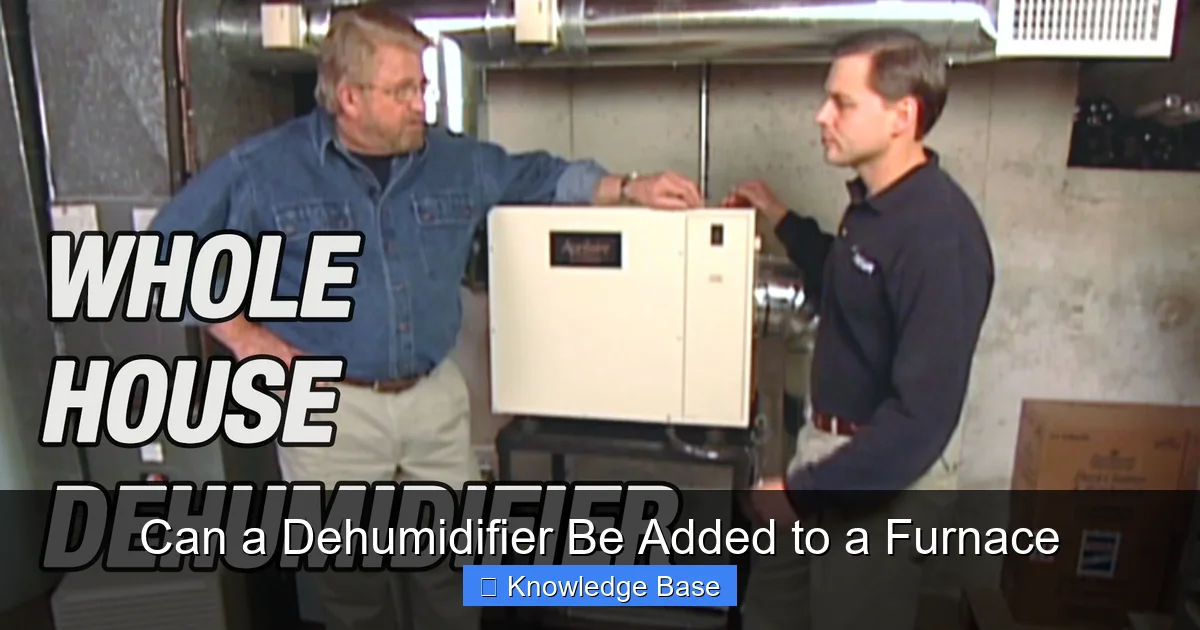
Yes, a dehumidifier can be added to a furnace to improve indoor air quality and comfort. This integration helps control humidity levels, especially in humid climates or during summer months, enhancing your HVAC system’s efficiency and protecting your home from mold and allergens.
Key Takeaways
- Yes, integration is possible: A whole-house dehumidifier can be connected to your furnace and ductwork to manage humidity throughout your home.
- Improves air quality: Reducing excess moisture helps prevent mold, dust mites, and mildew, leading to healthier indoor air.
- Boosts HVAC efficiency: Lower humidity makes your air feel cooler, allowing you to raise the thermostat and reduce cooling costs.
- Protects your home: Controlled humidity prevents warping of wood, peeling paint, and damage to electronics and furniture.
- Requires professional installation: Proper sizing, ductwork modification, and electrical connections should be handled by an HVAC expert.
- Choose the right type: Options include bypass, ventilating, and high-capacity dehumidifiers—each suited for different home sizes and climates.
- Maintenance matters: Regular filter changes and coil cleaning ensure long-term performance and energy efficiency.
Quick Answers to Common Questions
Can a dehumidifier be added to any furnace?
Yes, most furnaces can be integrated with a whole-house dehumidifier, provided there’s adequate space and access to ductwork. A professional assessment is recommended.
Will a dehumidifier increase my energy bill?
It may slightly increase electricity use, but it can reduce cooling costs by making your home feel cooler, potentially lowering overall energy consumption.
Do I still need a portable dehumidifier after installation?
Not usually. A whole-house system handles humidity throughout your home, eliminating the need for multiple portable units.
Can I install a dehumidifier myself?
It’s not recommended. Installation involves ductwork, electrical connections, and drainage—tasks best left to licensed HVAC professionals.
How often should I run the dehumidifier?
Most systems run automatically based on humidity levels. Set your desired level (e.g., 45%) and let the system maintain it as needed.
📑 Table of Contents
- Can a Dehumidifier Be Added to a Furnace?
- Why Humidity Control Matters in Your Home
- How a Dehumidifier Works with a Furnace
- Steps to Add a Dehumidifier to Your Furnace
- Benefits of Integrating a Dehumidifier with Your Furnace
- Maintenance Tips for Long-Term Performance
- Is It Worth It? Cost vs. Benefit Analysis
- Conclusion
Can a Dehumidifier Be Added to a Furnace?
If you’ve ever walked into your basement and felt that sticky, clammy sensation—or noticed condensation on your windows—you know how uncomfortable high humidity can be. While your furnace heats your home, it doesn’t always manage moisture levels effectively. That’s where a dehumidifier comes in. But here’s the big question many homeowners ask: Can a dehumidifier be added to a furnace?
The short answer is yes—and it’s more common than you might think. Integrating a dehumidifier with your furnace allows you to control indoor humidity levels throughout your entire home, not just in one room. This setup, often called a whole-house dehumidifier, connects directly to your HVAC system’s ductwork and works in tandem with your furnace and air conditioner. It’s especially useful in humid climates, during summer months, or in homes with poor ventilation.
But before you run out to buy one, it’s important to understand how this integration works, what types of dehumidifiers are compatible, and whether it’s the right solution for your home. In this guide, we’ll walk you through everything you need to know—from how dehumidifiers connect to furnaces, to installation tips, maintenance, and the benefits you can expect.
Why Humidity Control Matters in Your Home
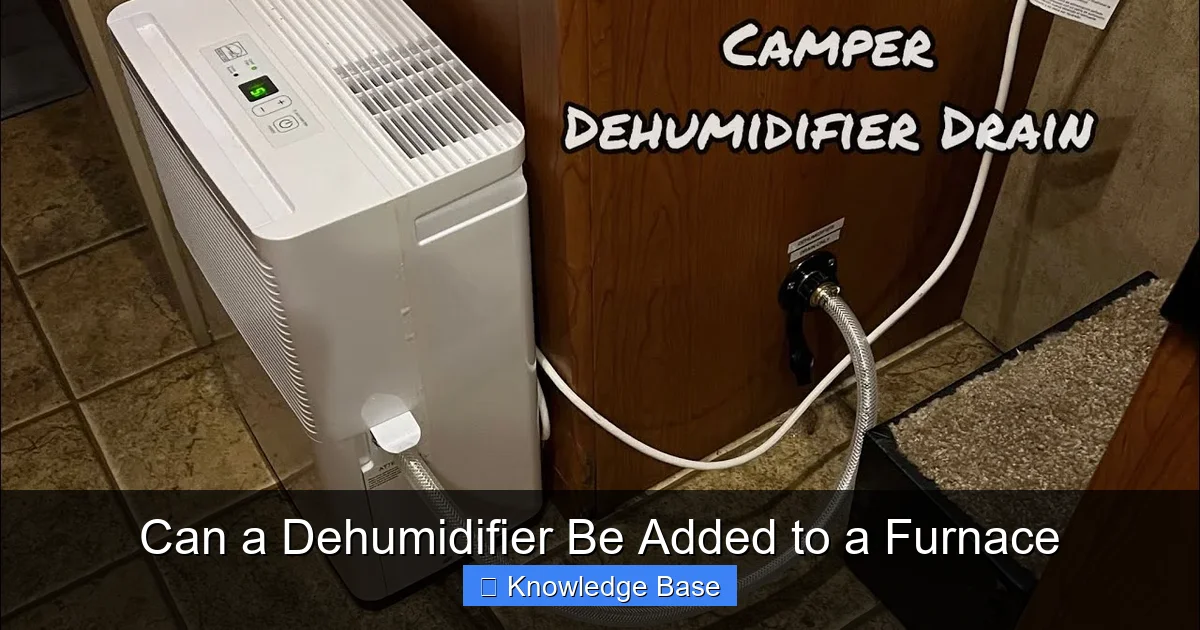
Visual guide about Can a Dehumidifier Be Added to a Furnace
Image source: i.ytimg.com
You might think humidity is only a summer problem, but it can affect your home year-round. High indoor humidity—typically above 60%—creates the perfect environment for mold, mildew, and dust mites. These allergens can trigger respiratory issues, especially in children, the elderly, or anyone with asthma or allergies.
Beyond health concerns, excess moisture can damage your home. Wood floors may warp, paint can peel, and furniture can deteriorate. Electronics are also at risk, as moisture can cause corrosion over time. Even your energy bills can go up. When the air feels sticky, you’re more likely to crank the air conditioner, which increases energy use.
On the flip side, too little humidity—below 30%—can cause dry skin, irritated sinuses, and static electricity. It can also damage wooden furniture and musical instruments. The ideal indoor humidity level is between 30% and 50%, depending on the season and your comfort preferences.
This is where a dehumidifier becomes essential. While portable units can help in specific rooms, they’re not efficient for whole-home control. That’s why integrating a dehumidifier with your furnace is such a smart move. It allows you to maintain consistent, comfortable humidity levels across all rooms, using the same ductwork your furnace already uses.
How a Dehumidifier Works with a Furnace
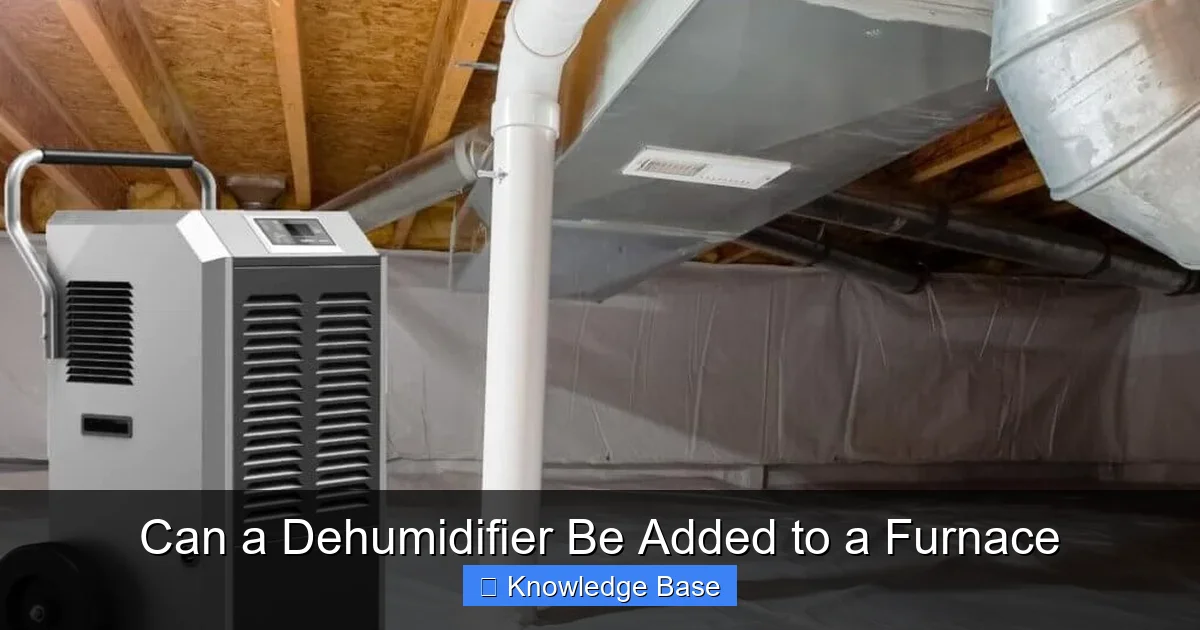
Visual guide about Can a Dehumidifier Be Added to a Furnace
Image source: homeairadvisor.com
To understand how a dehumidifier can be added to a furnace, it helps to know how both systems operate.
Your furnace heats air and distributes it through ducts using a blower fan. In many homes, the furnace is part of a central HVAC system that also includes air conditioning. During cooling season, the AC removes some moisture from the air as a byproduct of cooling. But in humid climates or during shoulder seasons (spring and fall), the AC might not run enough to control humidity effectively.
A whole-house dehumidifier fills this gap. It’s designed to remove excess moisture from the air before it’s circulated back into your home. Here’s how it typically works:
The dehumidifier is installed in line with your ductwork, often near the furnace or air handler. It draws in humid air from your home, passes it over cold coils (similar to an air conditioner), which causes moisture to condense into water. The water is collected in a drain pan and sent to a drain line. The drier air is then reheated slightly and sent back through the ducts.
Some systems use a bypass configuration, where only a portion of the air is dehumidified and then mixed with the rest. Others use a dedicated ventilating dehumidifier that also brings in fresh outdoor air, improving ventilation.
The key advantage of connecting a dehumidifier to your furnace is that it uses the existing airflow and duct system. This means you don’t need separate units in every room, and you get consistent humidity control throughout your home.
Types of Whole-House Dehumidifiers
Not all dehumidifiers are created equal. When integrating with a furnace, you’ll want to choose a system designed for whole-house use. Here are the main types:
Bypass Dehumidifiers: These are the most common type. They use a portion of the air from your return duct, dehumidify it, and then send it back into the supply duct. They’re energy-efficient and work well in moderately humid environments.
Ventilating Dehumidifiers: These units not only remove moisture but also bring in fresh outdoor air. They’re ideal for tightly sealed homes that lack proper ventilation. They help meet building code requirements for indoor air quality.
High-Capacity Dehumidifiers: Designed for large homes or extremely humid climates, these systems can remove 100+ pints of moisture per day. They’re often used in basements, crawl spaces, or homes with chronic moisture issues.
Desiccant Dehumidifiers: Unlike refrigerant-based models, these use a drying agent (desiccant) to absorb moisture. They work well in cooler temperatures and are often used in commercial settings or unconditioned spaces.
Each type has its pros and cons, so it’s important to consult with an HVAC professional to determine which is best for your home.
Steps to Add a Dehumidifier to Your Furnace
Adding a dehumidifier to your furnace isn’t a DIY weekend project—it requires planning, proper equipment, and professional expertise. Here’s a step-by-step overview of what the process typically involves:
1. Assess Your Home’s Humidity Levels
Before making any changes, use a hygrometer (a humidity meter) to measure the moisture levels in different areas of your home. Ideal indoor humidity should be between 30% and 50%. If you consistently see readings above 60%, especially in basements or bathrooms, a dehumidifier is likely needed.
Also consider your climate. Homes in the Southeast, Gulf Coast, or Pacific Northwest often face higher humidity levels. Even in drier regions, poor ventilation or high occupancy (like large families) can lead to moisture buildup.
2. Choose the Right Dehumidifier
Size matters. A unit that’s too small won’t effectively control humidity, while one that’s too large may cycle on and off too frequently, wasting energy and wearing out components.
Look for a whole-house dehumidifier rated for your home’s square footage and humidity level. For example:
– A 50-pint unit may be sufficient for a 1,500 sq. ft. home in a moderate climate.
– A 100-pint or higher unit may be needed for a 3,000+ sq. ft. home in a humid region.
Energy efficiency is also important. Look for models with the ENERGY STAR label, which meet strict efficiency guidelines set by the EPA.
3. Plan the Installation Location
The dehumidifier should be installed near your furnace or air handler, where it can easily connect to the ductwork. Common locations include:
– Utility closet
– Basement
– Garage (if insulated and accessible)
Ensure there’s enough space for the unit, access for maintenance, and a nearby drain for water removal. Some units can connect to a condensate pump if a floor drain isn’t available.
4. Modify the Ductwork
This is where professional help is essential. An HVAC technician will:
– Cut into the return or supply duct
– Install dampers to control airflow
– Connect the dehumidifier using flexible or rigid ducting
– Ensure proper sealing to prevent air leaks
In bypass systems, a balancing damper may be added to regulate how much air flows through the dehumidifier.
5. Connect Electrical and Drain Lines
Whole-house dehumidifiers require a dedicated electrical circuit, typically 120V or 240V depending on the model. A licensed electrician should handle this to ensure safety and code compliance.
The drain line must be connected to a floor drain, sink, or condensate pump. It should slope downward to prevent water backup and include a trap to stop odors from entering the system.
6. Integrate with Your Thermostat or Control System
Many modern dehumidifiers can be controlled via a smart thermostat or a dedicated humidistat. This allows you to set your desired humidity level (e.g., 45%) and let the system maintain it automatically.
Some systems even communicate with your furnace and AC, turning on the blower fan when dehumidification is needed—even if heating or cooling isn’t required.
7. Test and Calibrate
Once installed, the technician will test the system to ensure it’s working properly. They’ll check airflow, humidity levels, and drainage. Adjustments may be made to dampers or settings for optimal performance.
Benefits of Integrating a Dehumidifier with Your Furnace
Now that you know how it’s done, let’s talk about why it’s worth the effort. Adding a dehumidifier to your furnace offers several key benefits:
Improved Indoor Air Quality
By reducing excess moisture, you create an environment where mold, mildew, and dust mites can’t thrive. This is especially important for people with allergies, asthma, or other respiratory conditions. Cleaner air means fewer sniffles, less coughing, and better sleep.
Enhanced Comfort
Humidity makes the air feel heavier and warmer. Even at the same temperature, high humidity can make you feel sticky and uncomfortable. By lowering humidity, your home feels cooler and more refreshing—even if the thermostat is set higher.
This also means you can raise your AC thermostat by a few degrees without sacrificing comfort, which can lead to significant energy savings.
Energy Efficiency
When your home feels cooler due to lower humidity, you rely less on your air conditioner. This reduces runtime and energy consumption. Some studies suggest that proper humidity control can reduce cooling costs by 10–15%.
Additionally, a dehumidifier can reduce the load on your AC unit, potentially extending its lifespan.
Protection for Your Home and Belongings
Moisture damage is expensive. Warped hardwood floors, peeling wallpaper, and rusty tools are all signs of high humidity. By maintaining optimal moisture levels, you protect your investment in your home and belongings.
Electronics, books, artwork, and musical instruments also last longer in a stable, dry environment.
Reduced Odors
Musty smells are a telltale sign of excess moisture. Whether it’s a damp basement or a stuffy closet, high humidity encourages odor-causing bacteria and mold. A dehumidifier helps eliminate these odors at the source.
Better HVAC Performance
When your furnace and AC don’t have to work as hard to maintain comfort, they operate more efficiently. This can lead to fewer repairs, lower utility bills, and a longer system lifespan.
Maintenance Tips for Long-Term Performance
Like any HVAC component, a whole-house dehumidifier needs regular maintenance to perform well. Here are some essential tips:
Change the Air Filter Regularly
Most dehumidifiers have an air filter that captures dust and debris. Check it every 1–2 months and replace it as needed. A clogged filter reduces airflow and efficiency.
Clean the Coils and Drain Pan
Over time, the evaporator and condenser coils can collect dirt, reducing heat transfer. The drain pan may also develop algae or mold. Clean these components annually or as recommended by the manufacturer.
Inspect the Drain Line
Ensure the drain line is clear and flowing freely. If water backs up, it can cause leaks or trigger a safety switch that shuts off the unit. Use a wet/dry vacuum or pipe cleaner to clear clogs.
Check Humidity Settings
Seasonal changes affect indoor humidity. In winter, you may need to lower the setting to prevent condensation on cold windows. In summer, you might increase it slightly for comfort.
Schedule Professional Tune-Ups
Have your HVAC technician inspect the dehumidifier during annual maintenance. They can check refrigerant levels (if applicable), test controls, and ensure everything is working safely and efficiently.
Is It Worth It? Cost vs. Benefit Analysis
The cost of adding a dehumidifier to your furnace varies depending on the unit, installation complexity, and your location. On average:
– A whole-house dehumidifier costs between $1,500 and $3,500, including installation.
– High-capacity or ventilating models can cost up to $5,000.
While this is a significant investment, the long-term benefits often outweigh the cost. Consider:
– Lower energy bills
– Fewer HVAC repairs
– Improved health and comfort
– Protection of home and belongings
In humid climates or homes with chronic moisture issues, the return on investment can be realized in just a few years.
Conclusion
So, can a dehumidifier be added to a furnace? Absolutely. In fact, it’s a smart, effective way to improve your home’s comfort, air quality, and energy efficiency. By integrating a whole-house dehumidifier with your existing HVAC system, you gain precise control over indoor humidity levels—something portable units simply can’t match.
Whether you’re dealing with a damp basement, musty odors, or just want to breathe easier, this upgrade can make a big difference. Just remember: proper sizing, professional installation, and regular maintenance are key to getting the most out of your system.
If you’re considering this addition, talk to a licensed HVAC technician. They can assess your home, recommend the right equipment, and ensure a safe, efficient installation. With the right setup, you’ll enjoy a healthier, more comfortable home—all year long.
Frequently Asked Questions
How does a whole-house dehumidifier differ from a portable one?
A whole-house dehumidifier connects to your HVAC system and treats air throughout your entire home, while portable units only work in single rooms and require manual emptying.
Can a dehumidifier help with allergies?
Yes, by reducing mold, dust mites, and mildew, a dehumidifier can significantly improve indoor air quality and reduce allergy symptoms.
Will a dehumidifier work in winter?
Most refrigerant-based models work best above 65°F. In colder areas, a desiccant dehumidifier or basement-specific unit may be needed.
Does a dehumidifier need a drain?
Yes, all whole-house dehumidifiers produce condensate water that must be drained via a floor drain, sink, or condensate pump.
Can a dehumidifier replace my air conditioner?
No, a dehumidifier only removes moisture, not heat. It works best alongside your AC to improve comfort and efficiency.
How long does a whole-house dehumidifier last?
With proper maintenance, most units last 10–15 years, similar to other HVAC components like furnaces and air handlers.