
Most home dehumidifiers do not use traditional refrigerant and cannot be recharged with coolant. Instead, they rely on desiccant materials or sealed refrigerant systems that aren’t user-serviceable. Attempting DIY recharging can damage the unit or violate environmental laws.
Key Takeaways
- Most residential dehumidifiers are sealed systems: Unlike air conditioners, many dehumidifiers use sealed refrigerant circuits that aren’t designed for user recharging.
- Desiccant dehumidifiers don’t use coolant: These models absorb moisture using silica gel or similar materials and require no refrigerant at all.
- Recharging requires EPA certification: Handling refrigerants like R-410A or R-32 legally requires EPA Section 608 certification due to environmental regulations.
- Low cooling performance ≠ low coolant: Reduced efficiency is often due to clogged filters, dirty coils, or fan issues—not refrigerant loss.
- DIY recharging risks damage and voided warranties: Tampering with sealed systems can cause leaks, compressor failure, or safety hazards.
- Professional assessment is recommended: If your dehumidifier isn’t working, a certified technician should diagnose the issue before any repair attempts.
- Replacement may be more cost-effective: Older or heavily damaged units often aren’t worth repairing—new energy-efficient models offer better performance and savings.
Quick Answers to Common Questions
Can I add refrigerant to my dehumidifier myself?
No, most home dehumidifiers are sealed systems with no user-accessible ports. Adding refrigerant requires EPA certification, specialized tools, and technical knowledge—DIY attempts are unsafe and illegal.
Why is my dehumidifier not collecting water?
Common causes include a dirty filter, frost on coils, low room temperature, or a full water tank—not low refrigerant. Clean the unit and check operating conditions first.
Do all dehumidifiers use refrigerant?
No. Desiccant dehumidifiers use moisture-absorbing materials like silica gel and don’t require refrigerant at all.
Is it worth repairing an old dehumidifier?
Often, no. Repair costs for sealed systems can exceed half the price of a new unit. Newer models are more efficient and eco-friendly.
What should I do if my dehumidifier stops working?
Start with basic troubleshooting: clean the filter, check for frost, ensure proper temperature, and inspect the fan. If problems persist, contact a certified technician.
📑 Table of Contents
Understanding How Dehumidifiers Work
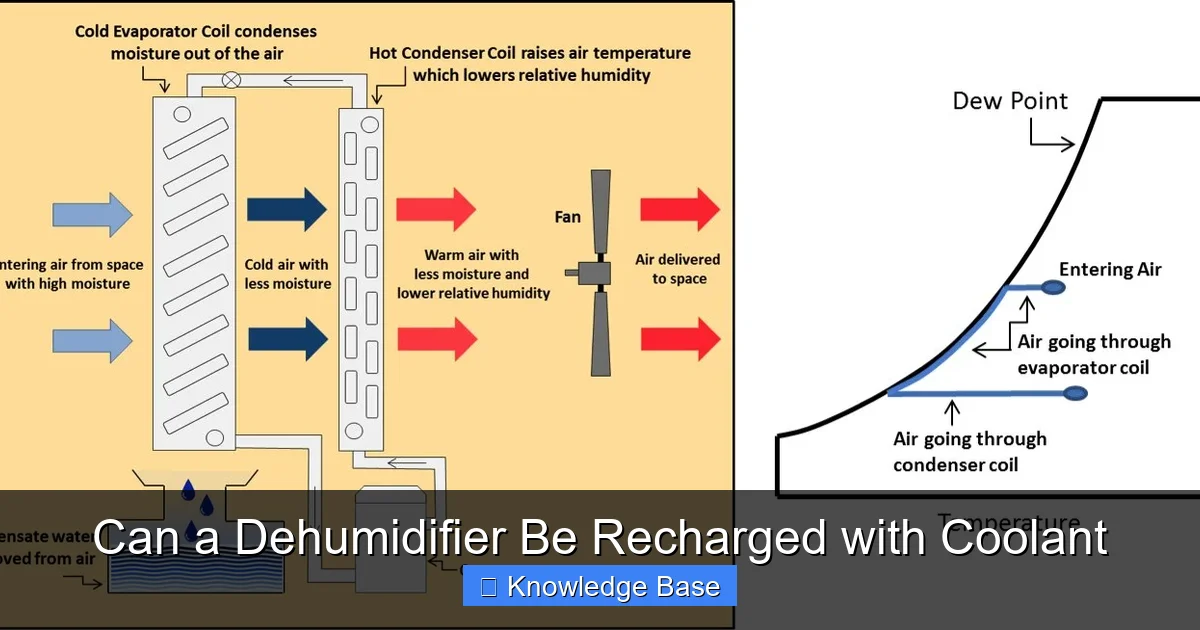
Before diving into whether you can recharge a dehumidifier with coolant, it’s essential to understand how these appliances actually remove moisture from the air. At first glance, dehumidifiers might seem similar to air conditioners—and for good reason. Both use refrigeration cycles to cool surfaces so that water vapor condenses out of the air. However, their goals differ: air conditioners primarily cool the air, while dehumidifiers focus on reducing humidity levels.
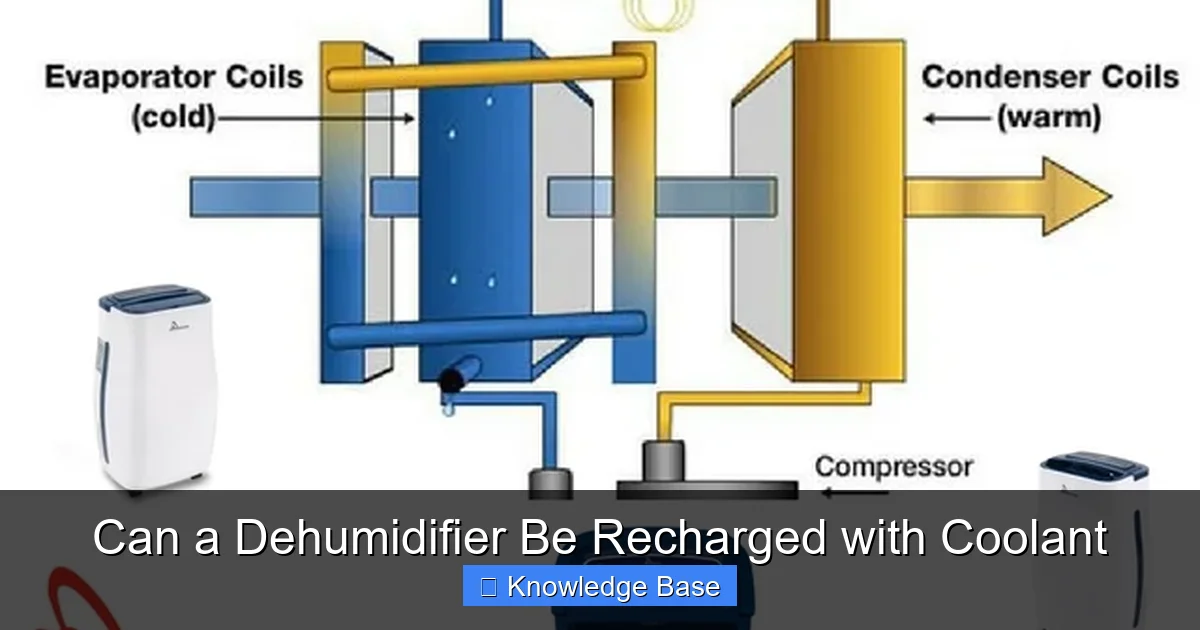
There are two main types of dehumidifiers found in homes: refrigerant-based (also called compressor-driven) and desiccant-based. Refrigerant dehumidifiers are the most common in North America and work by pulling humid air over cold coils using a fan. As the air cools below its dew point, moisture condenses into water droplets, which collect in a tank or drain hose. The dried air then passes over warm coils to reheat slightly before being released back into the room. This cycle repeats continuously until the desired humidity level is reached.
Desiccant dehumidifiers, more popular in Europe and Asia, operate differently. They use a hygroscopic material—like silica gel—that absorbs moisture directly from the air. A heating element then regenerates the desiccant by driving off the collected water, which is expelled as vapor or collected separately. Because they don’t rely on refrigerants, desiccant models never need “coolant” and are unaffected by low refrigerant issues.
Refrigerant vs. Coolant: What’s the Difference?
You might hear people refer to “coolant” when talking about dehumidifiers, but technically, the correct term is refrigerant. Coolant usually refers to liquids used in automotive radiators or liquid-cooled electronics, while refrigerant is the specialized fluid that absorbs and releases heat in HVAC systems. Common refrigerants in modern dehumidifiers include R-410A, R-32, and older models may use R-22 (now phased out due to environmental concerns).
Refrigerants don’t get “used up” like gasoline—they circulate in a closed loop. In theory, a properly functioning system should never lose refrigerant. If performance drops, it’s rarely because the refrigerant is depleted. More often, it’s due to mechanical wear, blockages, or electrical faults. This distinction is crucial: thinking your dehumidifier just needs a “top-up” of coolant can lead to wasted time, money, and potential harm.
Can You Recharge a Dehumidifier with Coolant?
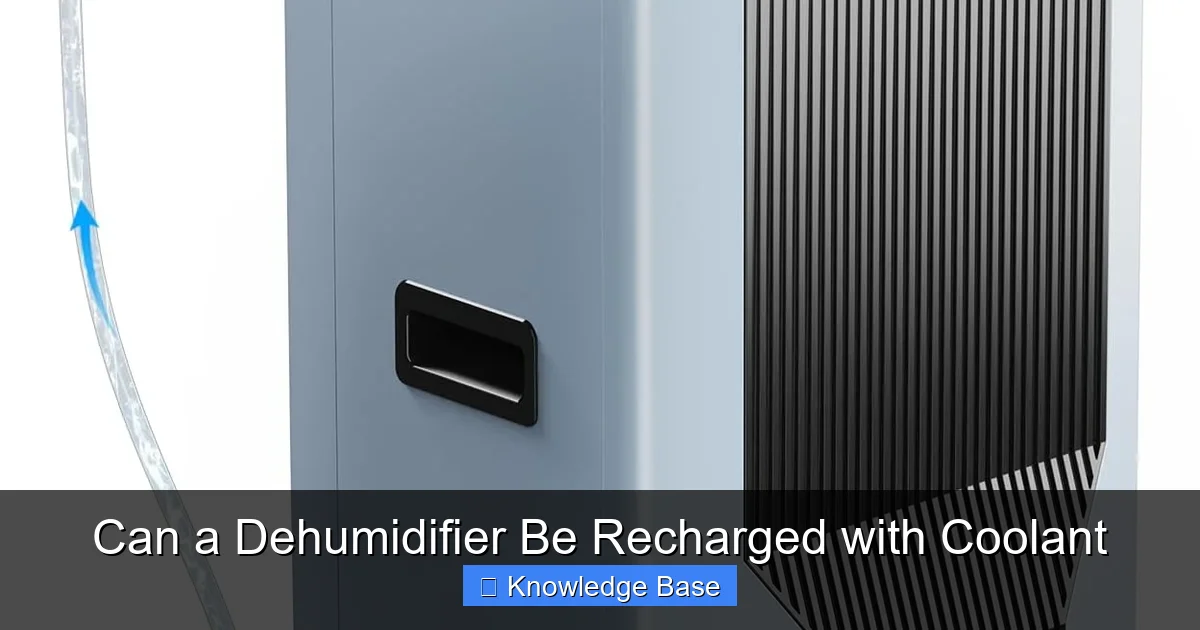
The short answer is: generally, no—you cannot safely or legally recharge most home dehumidifiers with coolant. While some larger commercial or industrial dehumidifiers may have service ports and be designed for maintenance, the vast majority of residential units are built as sealed systems. These are factory-filled with refrigerant and welded shut to prevent leaks and ensure long-term reliability.
Visual guide about Can a Dehumidifier Be Recharged with Coolant
Image source: m.media-amazon.com
Attempting to open a sealed dehumidifier to add refrigerant is not only technically challenging but also risky. You’d need specialized tools, vacuum pumps, leak detectors, and precise charging equipment. Even then, without proper training, you could introduce air or moisture into the system—both of which degrade performance and can destroy the compressor. Plus, if you damage the unit during the process, you’ll likely void any existing warranty.
Another critical factor is legality. In the United States, the Environmental Protection Agency (EPA) strictly regulates the handling of refrigerants under Section 608 of the Clean Air Act. Only certified technicians can purchase, handle, or recharge systems containing regulated refrigerants. If you’re not certified, buying refrigerant cylinders or attempting to recharge a system yourself could result in fines or legal consequences—even if your intentions are purely DIY-friendly.
Signs People Mistake for Low Coolant
Many homeowners assume their dehumidifier needs a coolant recharge when it stops working efficiently. But in reality, several common issues mimic low refrigerant symptoms:
- Clogged air filter: A dirty filter restricts airflow, reducing the unit’s ability to pull in humid air. This makes it seem like the dehumidifier isn’t extracting moisture, even though the refrigerant system is fine.
- Frost buildup on coils: In cold environments (below 65°F), evaporator coils can frost over, insulating them and stopping condensation. This is often mistaken for a refrigerant problem, but it’s usually an operating condition issue.
- Faulty fan motor: If the fan isn’t moving air across the coils, heat exchange fails—even with full refrigerant levels.
- Dirty condenser or evaporator coils: Dust and debris reduce thermal efficiency, making the unit work harder for less output.
- Compressor failure: While rare, a failed compressor won’t circulate refrigerant—but this isn’t fixable by simply adding more coolant.
Before assuming your dehumidifier needs a recharge, try these simple troubleshooting steps: clean the filter, check for frost, ensure proper room temperature, and inspect coils for dirt. Often, a quick cleaning restores full functionality.
Types of Dehumidifiers and Their Coolant Needs
Not all dehumidifiers are created equal—and their coolant (refrigerant) requirements vary significantly by type. Understanding which kind you own helps determine whether recharging is even a possibility.
Visual guide about Can a Dehumidifier Be Recharged with Coolant
Image source: dehumidifiers.co.za
Refrigerant (Compressor) Dehumidifiers
These are the standard models found in basements, laundry rooms, and crawl spaces. They use a vapor-compression cycle similar to refrigerators. The refrigerant absorbs heat from incoming air at the evaporator coil, then releases it at the condenser coil. Most residential units contain between 4 to 12 ounces of refrigerant, depending on size and design.
Because they’re sealed at the factory, there’s no access port for adding refrigerant. Some higher-end or commercial models may include a Schrader valve for servicing, but these are exceptions—not the rule. Even if you find a valve, recharging without proper gauges and recovery equipment can lead to overcharging (which damages the compressor) or undercharging (which reduces efficiency).
Desiccant Dehumidifiers
If your dehumidifier uses a rotating wheel or cartridge filled with silica gel, it doesn’t use refrigerant at all. Moisture is absorbed chemically, not through phase change. These units are common in humid climates or where quiet operation is needed (they’re often much quieter than compressor models). Since there’s no coolant involved, the idea of “recharging” doesn’t apply.
Maintenance for desiccant models typically involves replacing or reactivating the desiccant material—some premium models even have washable or reusable cartridges. Always consult your user manual, as regeneration methods vary by brand.
Heat Pump Dehumidifiers
A subset of refrigerant models, heat pump dehumidifiers recycle waste heat to improve efficiency. They’re common in energy-efficient homes and RVs. Like standard compressor units, they’re usually sealed and not user-serviceable. However, their dual-function design (dehumidifying and heating) makes them more complex—and even less suitable for DIY refrigerant work.
Why DIY Recharging Is Discouraged
Even if you’re handy with tools and confident in your skills, recharging a dehumidifier with coolant is strongly discouraged for several reasons—safety, legality, and practicality.
Safety Risks
Refrigerants can be hazardous if mishandled. Older types like R-22 are ozone-depleting substances, while newer ones like R-410A are high-pressure gases that can cause frostbite if released directly onto skin. Introducing air or moisture into the system during a recharge can create acidic compounds that corrode internal components, leading to catastrophic failure.
Additionally, opening a pressurized system without proper depressurization can result in sudden releases of gas or oil, posing explosion or inhalation risks. Compressors are also electrically charged components—tampering without disconnecting power can lead to electric shock.
Legal and Environmental Concerns
The EPA mandates that only certified professionals handle refrigerants. This includes recovering, recycling, and recharging. If you release refrigerant into the atmosphere—even accidentally—you could be violating federal law. Penalties include fines up to $37,500 per day per violation. Certification requires training and passing an exam, which most homeowners don’t pursue.
Moreover, improper charging contributes to global warming. Many modern refrigerants are potent greenhouse gases—R-410A has a global warming potential (GWP) over 2,000 times that of CO₂. Releasing even small amounts accelerates climate impact.
Warranty and Cost Implications
Most manufacturers void warranties if users attempt unauthorized repairs—including refrigerant recharging. If your unit is still under warranty (typically 1–5 years), contact the manufacturer or an authorized service center. They’ll diagnose the issue correctly and perform any needed repairs legally and safely.
Even out of warranty, the cost of tools, refrigerant, and potential mistakes often exceeds the value of an older dehumidifier. A new ENERGY STAR-certified model may cost $200–$400 but offer 20–30% better efficiency, quieter operation, and smart features like humidity sensors and auto-shutoff.
When to Call a Professional
If your dehumidifier isn’t removing moisture as it should, don’t jump to conclusions about coolant levels. Instead, follow a logical troubleshooting sequence:
- Check the air filter and clean or replace it.
- Ensure the room temperature is above 65°F (18°C)—most refrigerant dehumidifiers struggle in colder spaces.
- Inspect coils for frost or dirt; defrost if necessary and clean gently with a soft brush.
- Verify the fan is spinning freely and the water tank isn’t full or misaligned.
- Listen for unusual noises (grinding, clicking, or silence) that indicate motor or compressor issues.
If none of these steps resolve the problem, it’s time to consult a professional. Certified HVAC or appliance technicians have the tools and training to test refrigerant pressure, check for leaks, and determine if the compressor or other components need replacement. They can also confirm whether your unit is truly low on refrigerant—or if another fault is to blame.
In rare cases where a sealed system has a confirmed leak and is otherwise in good condition, a technician might recommend replacing the entire unit rather than repairing it. Sealed systems aren’t designed for reassembly after opening, and the cost of repair often approaches that of a new model.
Alternatives to Recharging
If your dehumidifier is underperforming, consider these alternatives before thinking about coolant:
- Upgrade to a newer model: Technology has improved significantly in the last decade. Newer units use eco-friendly refrigerants, consume less energy, and include smart controls.
- Use a desiccant dehumidifier in cold climates: If you live in a region with frequent temperatures below 60°F, a desiccant model will outperform compressor-based units.
- Improve home ventilation: Sometimes, the issue isn’t the dehumidifier—it’s poor airflow or excessive moisture sources (like unvented dryers or leaky foundations). Addressing root causes reduces strain on your appliance.
- Schedule regular maintenance: Clean filters monthly, wipe coils quarterly, and empty tanks promptly to extend lifespan and maintain efficiency.
Remember: dehumidifiers are appliances, not perpetual machines. With proper care, they last 5–10 years. After that, replacement is usually the smarter choice.
Conclusion
So, can a dehumidifier be recharged with coolant? For the vast majority of homeowners, the answer is no—and for good reasons. Most residential dehumidifiers are sealed systems that don’t allow user access to refrigerant lines. Desiccant models don’t use coolant at all. And even if you could open the system, doing so without certification is illegal, unsafe, and likely to cause more harm than good.
Instead of chasing myths about low coolant, focus on proper maintenance and realistic expectations. Clean your filters, monitor operating conditions, and know when it’s time to call a pro—or upgrade to a newer, more efficient unit. Your home’s comfort, your wallet, and the environment will thank you.
Frequently Asked Questions
Can a dehumidifier lose refrigerant over time?
In a properly sealed system, refrigerant shouldn’t leak or deplete. If your dehumidifier is losing cooling performance, it’s more likely due to mechanical issues like clogged coils or fan problems—not low refrigerant.
Are there dehumidifiers that can be recharged?
Some commercial or industrial dehumidifiers may have service valves and be designed for maintenance, but these are rare in residential settings. Most home units are sealed and not user-serviceable.
What happens if I overcharge a dehumidifier with refrigerant?
Overcharging can cause excessive pressure, leading to compressor failure, reduced efficiency, or even safety hazards like ruptured lines. Always leave refrigerant work to professionals.
How do I know if my dehumidifier uses refrigerant or desiccant?
Check the user manual or look for model specifications online. Refrigerant models typically have vents, coils, and a compressor sound; desiccant models are often quieter and may have a rotating wheel or cartridge.
Can I use car AC refrigerant in my dehumidifier?
Absolutely not. Automotive refrigerants (like R-134a) are incompatible with dehumidifier systems and can damage components or create toxic byproducts.
Is it illegal to recharge a dehumidifier without certification?
Yes, in the U.S. and many other countries, handling regulated refrigerants without EPA Section 608 certification is a violation of environmental laws and can result in significant fines.