
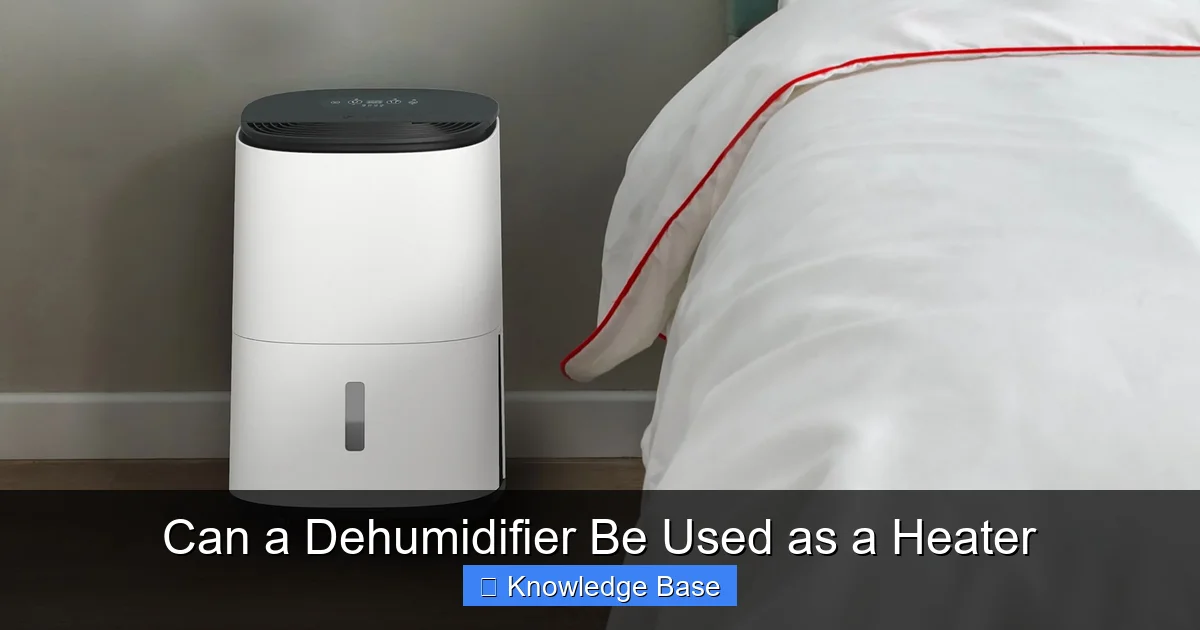
While a dehumidifier produces some heat as a byproduct of its operation, it is not designed or efficient enough to serve as a primary heater. Using it solely for warmth can increase energy costs and reduce the unit’s lifespan. For effective heating, dedicated space heaters or HVAC systems are better choices.
Key Takeaways
- Dehumidifiers generate heat as a side effect: The compressor and fan produce warmth, but this is not their primary function.
- Not an efficient heating solution: Dehumidifiers consume significant electricity and are far less efficient than space heaters or furnaces.
- Can slightly raise room temperature: In small, enclosed spaces, the heat output may make a minor difference, but it’s unreliable.
- Risk of overheating and damage: Running a dehumidifier continuously for heat can strain the motor and shorten its lifespan.
- Better used for moisture control: Dehumidifiers excel at reducing humidity, improving air quality, and preventing mold—not heating.
- Combine with proper heating systems: Use a dehumidifier alongside a heater for optimal comfort and air quality in damp environments.
- Energy costs add up quickly: Relying on a dehumidifier for heat can lead to higher utility bills without meaningful warmth.
Quick Answers to Common Questions
Can a dehumidifier warm up a cold basement?
A dehumidifier may raise the temperature by a few degrees, but it’s not enough to make a cold basement comfortably warm. It’s better used to reduce dampness, which can make the space feel less chilly.
Is it safe to run a dehumidifier all the time for heat?
No. Continuous operation can overheat the unit, damage the compressor, and increase fire risk. Dehumidifiers should cycle based on humidity levels, not run nonstop.
Does a dehumidifier use more electricity than a space heater?
Not necessarily—smaller dehumidifiers use less power than large space heaters. However, they produce far less heat, making them less efficient for warming.
Can I use a dehumidifier in winter?
Yes, but only if the room stays above 65°F. Most dehumidifiers shut off automatically in colder temperatures to prevent coil freezing.
Will a dehumidifier help my heater work better?
Indirectly, yes. By reducing humidity, it can improve the efficiency of heat pumps and make your home feel warmer at lower temperatures.
📑 Table of Contents
- Can a Dehumidifier Be Used as a Heater? The Truth Explained
- How Does a Dehumidifier Work?
- Does a Dehumidifier Actually Heat a Room?
- Why Using a Dehumidifier as a Heater Is Not Recommended
- When a Dehumidifier Might Help with Warmth
- Safe and Efficient Heating Alternatives
- Tips for Using a Dehumidifier Wisely
- Conclusion: Use the Right Tool for the Job
Can a Dehumidifier Be Used as a Heater? The Truth Explained
You’ve probably noticed that your dehumidifier feels warm when it’s running. Maybe you’ve even thought, “Hey, this thing is putting out some heat—could I use it to warm up my basement or laundry room?” It’s a fair question, especially during chilly, damp months when every bit of warmth counts. But before you start relying on your dehumidifier as a makeshift heater, it’s important to understand what’s really happening inside that machine—and why using it for heat might not be the best idea.
At first glance, it seems logical. Dehumidifiers do emit warm air. You can feel it blowing out the back or top of the unit. So, why not put that to good use? The short answer is: while dehumidifiers do produce heat, they are not designed to be heaters. Their main job is to remove moisture from the air, not to warm your space. Treating them like a space heater can lead to higher energy bills, reduced efficiency, and even damage to the unit over time.
In this article, we’ll dive deep into how dehumidifiers work, why they get warm, and whether that warmth can be practically used for heating. We’ll also explore safer, more efficient alternatives and help you make smart decisions about managing both humidity and temperature in your home.
How Does a Dehumidifier Work?
To understand whether a dehumidifier can double as a heater, we first need to know how it operates. Most residential dehumidifiers use a refrigeration-based system, similar to an air conditioner or refrigerator. Here’s a simple breakdown of the process:
The Refrigeration Cycle
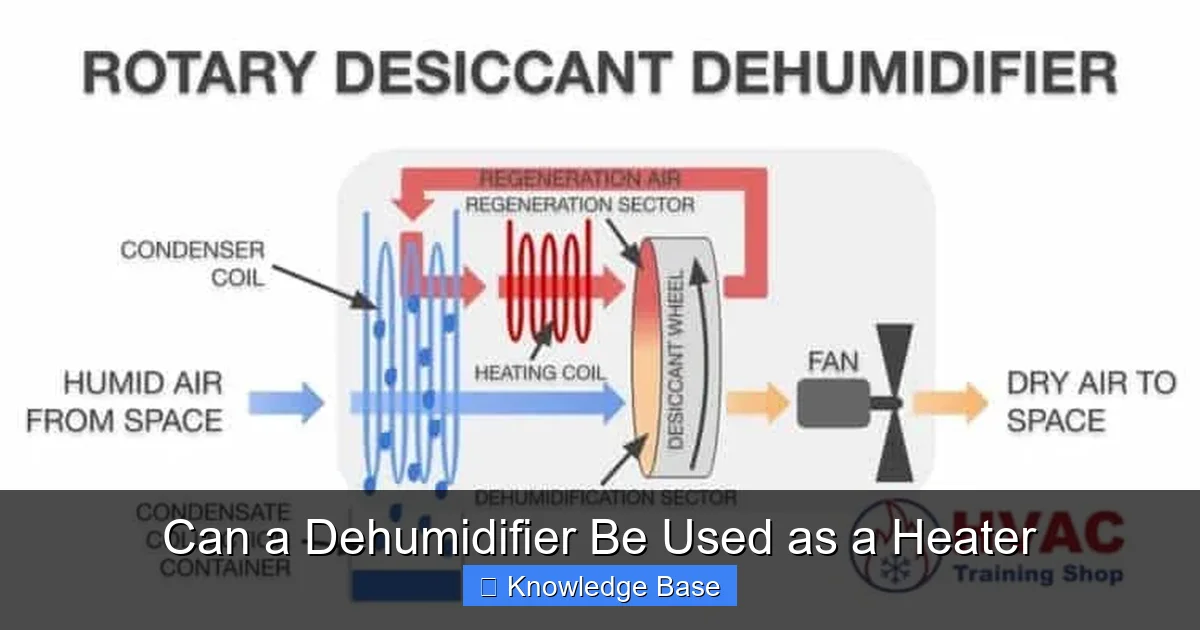
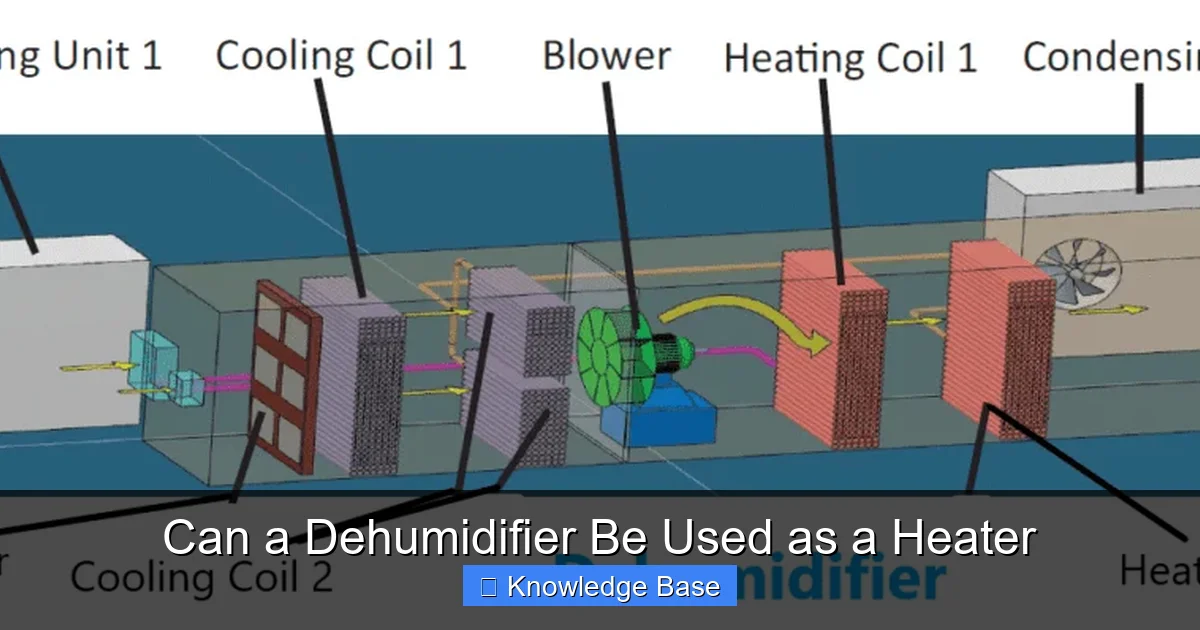
Inside the dehumidifier, a fan pulls humid air from the room into the unit. This air passes over cold evaporator coils, where the moisture in the air condenses into water droplets. These droplets collect in a built-in bucket or are drained through a hose. The now-drier air then moves over hot condenser coils, where it’s warmed back up before being released into the room.
Visual guide about Can a Dehumidifier Be Used as a Heater
Image source: hvactrainingshop.com
Heat as a Byproduct
The warming of the air over the condenser coils is what makes the dehumidifier feel hot. This heat comes from the compressor, which compresses refrigerant gas, raising its temperature. The condenser then releases this heat into the air stream. So yes—dehumidifiers do produce heat. But remember: this heat is a byproduct of the dehumidification process, not the goal.
Energy Consumption
Dehumidifiers typically use between 300 and 700 watts of power, depending on the size and model. While this is less than many space heaters (which can use 1,500 watts or more), it’s still a significant amount of energy—especially if you’re running the unit constantly just to generate warmth.
Does a Dehumidifier Actually Heat a Room?
Now for the big question: can a dehumidifier actually make your room warmer? The answer is yes—but only in a limited way.
Minor Temperature Increase
In a small, enclosed space like a closet, bathroom, or utility room, a dehumidifier might raise the temperature by a few degrees. For example, if you run a 50-pint dehumidifier in a 100-square-foot basement, you might notice the air feels slightly warmer after a few hours. But this increase is usually between 2°F and 5°F—hardly enough to make a noticeable difference in comfort, especially in colder climates.
Visual guide about Can a Dehumidifier Be Used as a Heater
Image source: flairpharma.com
Heat Output vs. Heating Capacity
Let’s put this into perspective. A typical space heater produces about 5,000 BTUs (British Thermal Units) of heat per hour. A dehumidifier, by contrast, produces only about 1,000 to 2,000 BTUs—and much of that is used internally to run the compressor and fan. The actual heat added to the room is even less. So while the dehumidifier is technically adding heat, it’s doing so at a fraction of the rate of a dedicated heater.
Air Circulation Matters
The warmth from a dehumidifier is also localized. The warm air is usually expelled from the top or back of the unit, so it tends to rise and stay near the ceiling. Without proper air circulation, the heat doesn’t distribute evenly. You might feel warm air near the machine, but the rest of the room remains cool.
Why Using a Dehumidifier as a Heater Is Not Recommended
Despite the fact that dehumidifiers produce heat, using them as your main source of warmth comes with several drawbacks.
Energy Inefficiency
Dehumidifiers are not energy-efficient heaters. They consume a lot of electricity to remove moisture, and only a small portion of that energy becomes usable heat. In contrast, electric space heaters convert nearly 100% of their energy into heat. If your goal is warmth, a space heater will give you more bang for your buck—literally.
Increased Wear and Tear
Running a dehumidifier continuously for heat puts extra strain on its components. The compressor, fan, and coils are designed to cycle on and off based on humidity levels, not to run nonstop. Constant operation can lead to overheating, motor burnout, or refrigerant leaks—especially in older units. This not only shortens the lifespan of the dehumidifier but can also pose a fire hazard in extreme cases.
Higher Utility Bills
Because dehumidifiers are less efficient at heating, you’ll end up paying more for the same amount of warmth. For example, running a 500-watt dehumidifier for 8 hours uses 4 kilowatt-hours (kWh) of electricity. At an average rate of $0.15 per kWh, that’s $0.60 per day—or over $18 per month. A 1,500-watt space heater running for the same time would use 12 kWh, costing $1.80 per day. While the space heater uses more power, it delivers significantly more heat, making it a better value for heating purposes.
Limited Heating Range
Dehumidifiers are built for moisture control, not space heating. They don’t have thermostats designed to maintain a target temperature, nor do they distribute heat evenly. You can’t set them to “heat mode” or adjust the output like you would with a heater. This makes them impractical for maintaining comfortable room temperatures, especially in larger areas.
When a Dehumidifier Might Help with Warmth
That said, there are a few scenarios where a dehumidifier can contribute to a warmer-feeling environment—just not in the way you might think.
Reducing Dampness and Improving Comfort
High humidity makes cold air feel even colder. This is because moist air conducts heat away from your body more efficiently than dry air. By lowering humidity levels, a dehumidifier can make a room feel more comfortable at the same temperature. For example, a basement that feels clammy at 65°F might feel cozier at 62°F once the humidity is reduced. This psychological effect can make you *feel* warmer, even if the actual temperature hasn’t changed much.
Preventing Mold and Condensation
In damp areas like basements, crawl spaces, or garages, moisture can lead to mold growth, musty odors, and structural damage. A dehumidifier helps prevent these issues by keeping humidity levels between 30% and 50%. While this doesn’t directly heat the space, it creates a healthier, more livable environment—especially during winter when windows are closed and ventilation is limited.
Complementing Your Heating System
The best use of a dehumidifier is in tandem with a proper heating system. For instance, if you have a heat pump that struggles in humid conditions, running a dehumidifier can improve its efficiency. Heat pumps work better in dry air, so reducing humidity allows them to heat your home more effectively. In this way, the dehumidifier indirectly supports your heating efforts—without trying to replace them.
Safe and Efficient Heating Alternatives
If you’re looking to warm up a damp space, here are better options than relying on your dehumidifier:
Electric Space Heaters
Portable space heaters are designed specifically for heating. They come in various types—ceramic, infrared, oil-filled—and can quickly raise the temperature in a small area. Look for models with thermostats, timers, and safety features like tip-over protection and overheat shutoff. While they use more power than dehumidifiers, they deliver far more heat per watt.
Baseboard or Wall Heaters
For permanent heating in a basement or bathroom, consider installing electric baseboard heaters or wall-mounted units. These provide consistent, quiet warmth and can be controlled with a thermostat. They’re more energy-efficient than running multiple space heaters and don’t interfere with your dehumidifier’s operation.
Heat Pumps
Mini-split heat pumps are highly efficient heating and cooling systems. They work well in damp climates and can dehumidify the air while heating. Some models even have built-in dehumidification modes, combining both functions in one unit. While the upfront cost is higher, the long-term energy savings make them a smart investment.
Improving Insulation and Air Sealing
Sometimes the best heating solution is preventing heat loss. Check for drafts around windows, doors, and vents. Add insulation to walls, attics, and crawl spaces. Use weatherstripping and door sweeps to keep cold air out. A well-insulated home retains heat better, reducing the need for additional heating sources.
Tips for Using a Dehumidifier Wisely
Even if you’re not using your dehumidifier as a heater, it’s important to operate it efficiently to get the most benefit.
Set the Right Humidity Level
Most experts recommend keeping indoor humidity between 30% and 50%. In winter, you may want to stay on the lower end (30–40%) to prevent condensation on cold surfaces. Use a hygrometer to monitor levels and adjust the dehumidifier accordingly.
Choose the Right Size
Dehumidifiers are rated by how many pints of moisture they can remove per day. A 30-pint unit is suitable for a moderately damp 1,000-square-foot space, while a 70-pint model is better for large, very damp areas. Using an undersized unit will force it to run constantly, increasing wear and energy use.
Empty the Water Tank Regularly
Most dehumidifiers have an automatic shutoff when the tank is full. If you don’t empty it, the unit will stop working—even if the room is still humid. For convenience, consider a model with a built-in pump or continuous drainage option.
Clean the Filter Monthly
A dirty air filter restricts airflow, reducing efficiency and forcing the unit to work harder. Check the filter every month and clean or replace it as needed. This simple maintenance step can extend the life of your dehumidifier and improve performance.
Place It Strategically
Position the dehumidifier in the center of the room or near the source of moisture (like a laundry area or basement stairwell). Avoid placing it near walls or furniture that could block airflow. Keep doors and windows closed while it’s running to maximize effectiveness.
Conclusion: Use the Right Tool for the Job
So, can a dehumidifier be used as a heater? Technically, yes—it does produce heat. But practically, no—it’s not an efficient, safe, or cost-effective way to warm your home. Dehumidifiers are designed to control moisture, not temperature. While the warmth they emit might make a small, damp space feel a little cozier, it’s nowhere near enough to replace a proper heating system.
Instead of trying to turn your dehumidifier into a heater, focus on using it for what it does best: improving air quality, preventing mold, and making your home more comfortable by reducing humidity. Pair it with a dedicated heating solution—like a space heater, heat pump, or improved insulation—and you’ll enjoy a warmer, healthier living environment without wasting energy or risking damage to your appliances.
Remember: just because a device produces heat doesn’t mean it’s a heater. Use the right tool for the job, and you’ll save money, stay safer, and get better results.
Frequently Asked Questions
Can a dehumidifier be used as a heater?
While a dehumidifier produces heat as a byproduct, it is not designed or efficient enough to serve as a primary heater. The heat output is minimal and not distributed evenly.
How much heat does a dehumidifier produce?
Most dehumidifiers produce between 1,000 and 2,000 BTUs of heat, but much of this is used internally. The actual warmth added to a room is limited and localized.
Is it cheaper to heat with a dehumidifier than a space heater?
No. Although dehumidifiers may use less power, they deliver far less heat per watt. Space heaters are more cost-effective for actual heating needs.
Can running a dehumidifier damage it?
Yes, especially if run continuously for heat. This can cause overheating, motor failure, and reduced lifespan due to excessive strain on components.
Should I use a dehumidifier in a cold room?
Only if the temperature stays above 65°F. Most units have auto-defrost features, but they won’t work efficiently in freezing conditions.
What’s the best way to heat a damp basement?
Use a combination of a dehumidifier to control moisture and a dedicated heater (like a space heater or baseboard unit) for warmth. Proper insulation also helps.