
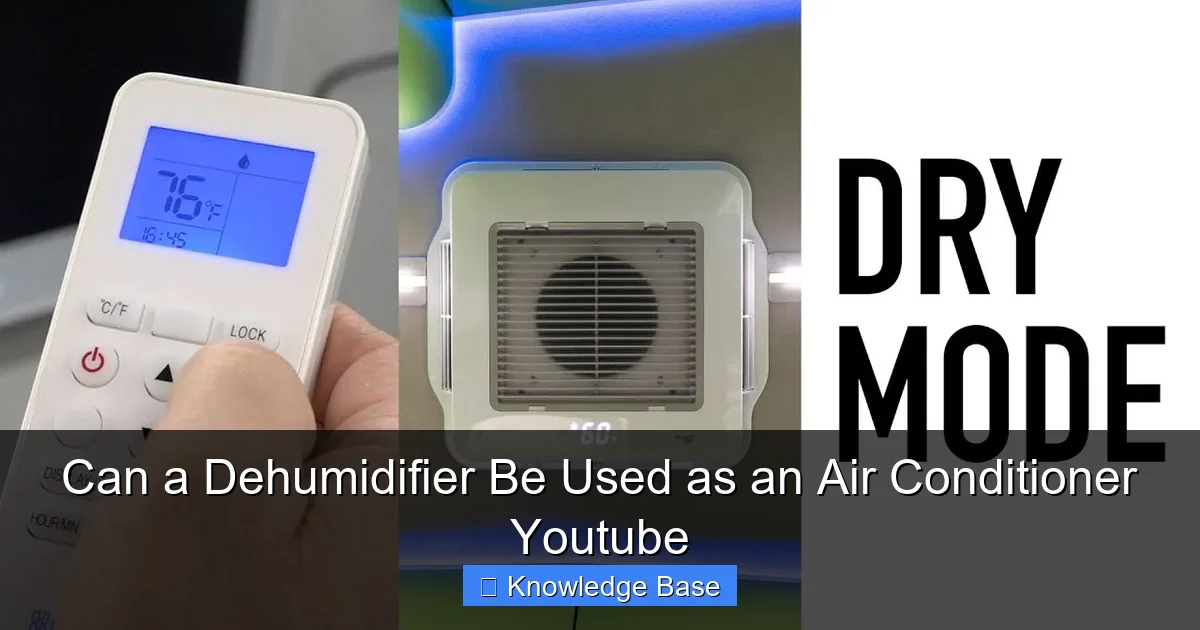
While a dehumidifier can make a room feel more comfortable by reducing humidity, it is not a true replacement for an air conditioner. It doesn’t cool the air like an AC unit—instead, it removes moisture, which can indirectly lower perceived temperature. Understanding the differences helps you choose the right solution for comfort and energy efficiency.
Key Takeaways
- Dehumidifiers reduce humidity, not temperature: They remove excess moisture from the air, making it feel cooler but not actually lowering the room’s temperature.
- Air conditioners cool and dehumidify: AC units actively cool the air and remove humidity as a byproduct of the refrigeration cycle.
- Energy efficiency varies: Dehumidifiers use less energy than air conditioners, but running one in hot climates may not provide enough relief.
- Best for humid, not hot, environments: Dehumidifiers work best in damp spaces like basements or during muggy summer days when humidity is high but heat isn’t extreme.
- YouTube videos offer real-world tests: Many creators compare dehumidifiers and ACs side-by-side, showing practical results and limitations.
- Combine devices for better comfort: Using a dehumidifier with a fan or window AC can improve efficiency and comfort in humid climates.
- Maintenance matters: Both devices need regular cleaning and filter changes to work effectively and safely.
Quick Answers to Common Questions
Can a dehumidifier cool a room like an air conditioner?
No, a dehumidifier does not cool the air. It removes moisture, which can make a room feel more comfortable, but it doesn’t lower the temperature like an air conditioner.
Does a dehumidifier use less energy than an air conditioner?
Yes, most dehumidifiers use 500–700 watts, while air conditioners typically use 1,000–1,500 watts or more, making dehumidifiers more energy-efficient for moisture control.
Can I use a dehumidifier in place of an AC in a humid climate?
It can help improve comfort by reducing humidity, but it won’t cool the air. In hot, humid climates, you’ll likely still need an air conditioner for relief.
Do dehumidifiers make the air warmer?
Yes, most dehumidifiers release slightly warmer air as a byproduct of their operation, so they can increase room temperature by a few degrees.
Should I run a dehumidifier with a fan?
Yes, using a fan helps circulate the drier air, enhancing the cooling effect on your skin and making the room feel more comfortable.
📑 Table of Contents
- Can a Dehumidifier Be Used as an Air Conditioner? The Truth Behind the Myth
- How Do Dehumidifiers and Air Conditioners Work?
- Can a Dehumidifier Cool a Room? The Science of Perceived Temperature
- When a Dehumidifier Might Be a Good Alternative
- Limitations and Downsides of Using a Dehumidifier as an AC
- Tips for Maximizing Comfort with a Dehumidifier
- What Do YouTube Experts Say?
- Conclusion: Know the Difference, Choose Wisely
Can a Dehumidifier Be Used as an Air Conditioner? The Truth Behind the Myth
You’ve probably seen it on YouTube—someone claims their dehumidifier is “just as good as an air conditioner” during a heatwave. Or maybe you’ve watched a viral video where a basement feels noticeably cooler after running a dehumidifier for a few hours. It sounds almost too good to be true. And honestly? It kind of is.
Let’s cut through the noise. Can a dehumidifier be used as an air conditioner? The short answer is: not really. But there’s more to the story. While a dehumidifier can make a room feel more comfortable, especially in humid climates, it doesn’t actually cool the air like an air conditioner does. Instead, it removes moisture—which can make the air feel less sticky and slightly cooler to the touch. But if you’re looking for that crisp, refreshing chill an AC provides, a dehumidifier alone won’t cut it.
So why do so many people think it works? Part of it comes from real user experiences shared on platforms like YouTube. Homeowners in humid regions—like the southeastern U.S., parts of Asia, or coastal Australia—have filmed their dehumidifiers running and noted how much better their homes feel. And they’re not wrong. High humidity makes sweat evaporate more slowly, which means your body can’t cool itself efficiently. By lowering humidity, a dehumidifier helps your body cool naturally, making the room feel more comfortable—even if the thermometer hasn’t dropped.
But here’s the catch: the air temperature stays the same. In fact, most dehumidifiers actually release a small amount of warm air as a byproduct of their operation. So while the air might feel less oppressive, the room isn’t getting cooler. That’s a crucial difference between dehumidifiers and air conditioners, and one that’s often misunderstood—even in well-meaning YouTube tutorials.
How Do Dehumidifiers and Air Conditioners Work?
Visual guide about Can a Dehumidifier Be Used as an Air Conditioner Youtube
Image source: i.ytimg.com
To understand whether a dehumidifier can double as an air conditioner, we need to look under the hood—literally. Both devices deal with moisture in the air, but they do so in very different ways, and for different purposes.
How a Dehumidifier Works
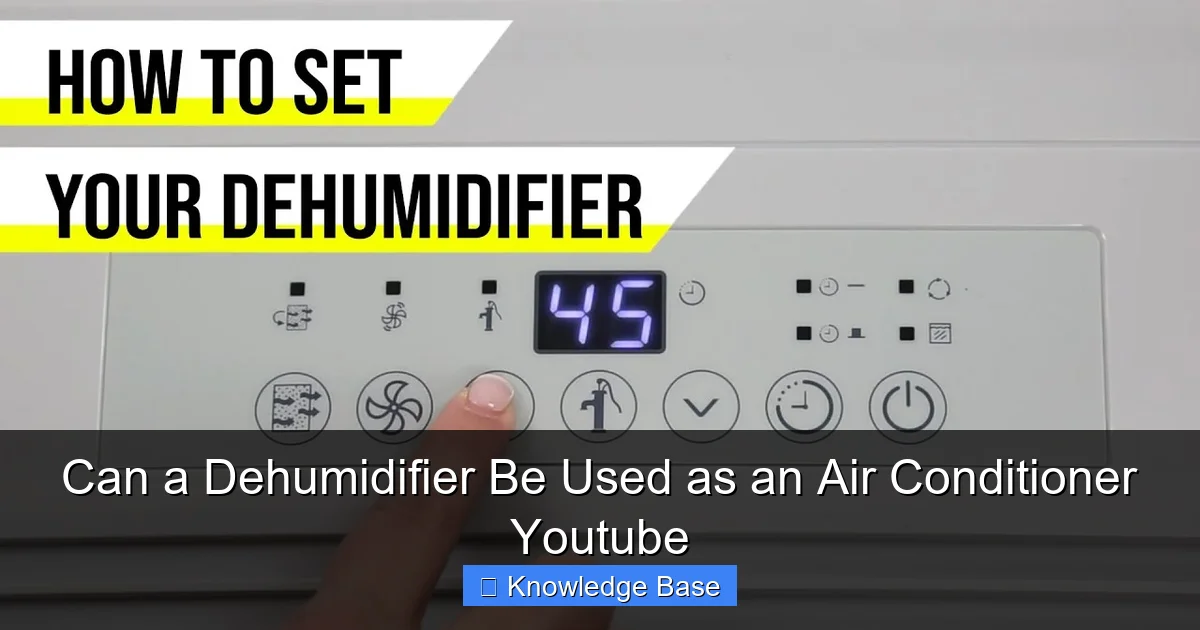
A dehumidifier pulls in warm, humid air from the room using a fan. This air passes over cold coils (similar to a refrigerator), causing the moisture in the air to condense into water droplets. These droplets collect in a built-in tank or drain hose. The now-drier air then passes over warm coils to bring it back to room temperature—or slightly warmer—before being blown back into the room.
So, the main job of a dehumidifier is to reduce humidity levels, typically aiming for a relative humidity (RH) between 30% and 50%. This helps prevent mold, mildew, dust mites, and that sticky, uncomfortable feeling you get on humid days.
But here’s the kicker: the process generates a small amount of heat. The compressor and fan inside the dehumidifier produce warmth, and the air that comes out is often a few degrees warmer than the air that went in. So while the air feels less humid, it’s not cooler—and in some cases, it might even feel a bit toastier.
How an Air Conditioner Works
An air conditioner, on the other hand, is designed to cool the air. It uses a refrigeration cycle involving a compressor, condenser, expansion valve, and evaporator coils. Warm air from the room is pulled in, passed over cold evaporator coils, and cooled before being blown back into the space. At the same time, moisture condenses on the cold coils and is drained away—so yes, air conditioners do dehumidify as a side effect.
But the key difference is that an AC actively lowers the air temperature. It removes heat from the indoor air and releases it outside (in the case of window or split units). This is why stepping into an air-conditioned room feels like a relief on a 95°F (35°C) day.
In short:
– A dehumidifier removes moisture and may slightly warm the air.
– An air conditioner removes heat and moisture, actively cooling the space.
Can a Dehumidifier Cool a Room? The Science of Perceived Temperature

Visual guide about Can a Dehumidifier Be Used as an Air Conditioner Youtube
Image source: i.ytimg.com
Now, let’s tackle the big question: can a dehumidifier make a room feel cooler? The answer is yes—but only in a specific sense.
The Role of Humidity in Comfort
Your body cools itself primarily through sweat evaporation. When the air is humid, sweat doesn’t evaporate easily because the air is already saturated with moisture. This makes you feel hotter than the actual temperature suggests. For example, a room at 80°F (27°C) with 80% humidity feels much more uncomfortable than the same room at 80°F with 40% humidity.
By lowering the humidity, a dehumidifier helps sweat evaporate more efficiently. This improves your body’s natural cooling process, making the room feel more comfortable—even if the thermometer hasn’t moved. This is known as the “wet-bulb temperature” effect, and it’s why weather reports often include “feels like” temperatures.
So, in a humid environment, running a dehumidifier can make a noticeable difference in comfort. You might feel less sticky, sleep better, and even turn your thermostat up a degree or two—saving energy in the process.
Real-World Examples from YouTube
If you search “dehumidifier vs air conditioner” on YouTube, you’ll find dozens of videos where people test this idea. One popular creator, “Home Comfort Guru,” set up a dehumidifier in his basement during a humid summer week. He measured the temperature and humidity before and after running the unit for 24 hours. The results? Humidity dropped from 70% to 45%, and while the temperature didn’t change, he reported feeling “noticeably more comfortable” and even used a fan to circulate the drier air.
Another video by “DIY Climate Control” compared a dehumidifier to a window AC in the same room. The AC dropped the temperature by 8°F (4.5°C) and reduced humidity. The dehumidifier only reduced humidity—and the room actually got 2°F warmer due to the heat output. Yet, the creator noted that on a humid day, the dehumidifier made the space “feel like it cooled down,” even though it hadn’t.
These real-world tests confirm what science tells us: dehumidifiers improve comfort by reducing humidity, not by cooling the air.
When a Dehumidifier Might Be a Good Alternative
So, if a dehumidifier doesn’t cool the air, when—if ever—can it be a viable alternative to an air conditioner?
In Moderately Warm, Highly Humid Climates
If you live in a place where summers are humid but not scorching—think coastal areas or regions with frequent rain—a dehumidifier might be enough to keep you comfortable. For example, in cities like Charleston, SC, or Miami, FL, temperatures often hover around 85°F (29°C), but the humidity can exceed 70%. In these cases, reducing humidity can make a big difference in how hot it feels.
Many homeowners in these areas use dehumidifiers in basements, laundry rooms, or main living spaces during the summer. Paired with a ceiling fan or portable fan, the drier air feels cooler and more breathable.
In Energy-Efficient or Off-Grid Living
Dehumidifiers typically use less electricity than air conditioners. A standard 50-pint dehumidifier uses about 500–700 watts, while a window AC unit can use 1,000–1,500 watts or more. If you’re trying to reduce energy consumption or live off-grid with solar power, a dehumidifier might be a smarter choice—especially if you only need moisture control, not cooling.
Some tiny home and van life YouTubers have shared setups where they use a small dehumidifier with a fan to stay comfortable in humid climates, avoiding the high energy draw of an AC.
For Allergy and Asthma Sufferers
High humidity promotes mold, dust mites, and mildew—common triggers for allergies and asthma. A dehumidifier can significantly improve indoor air quality by keeping humidity in check. In fact, the EPA recommends maintaining indoor humidity between 30% and 50% to reduce allergens.
For people with respiratory issues, a dehumidifier might be a necessary addition—even if they also use an air conditioner. Some use both: the AC for cooling and the dehumidifier for air quality.
In Basements and Crawl Spaces
Basements are naturally cooler than the rest of the house but often suffer from high humidity. A dehumidifier is ideal here—it prevents mold, protects stored items, and makes the space more usable. Since basements are already cooler, the lack of active cooling from the dehumidifier isn’t a problem.
Many YouTube DIYers recommend placing a dehumidifier in the basement during humid months, especially if the space is used as a home gym, workshop, or guest room.
Limitations and Downsides of Using a Dehumidifier as an AC
While dehumidifiers have their benefits, they’re not a one-size-fits-all solution. Here are some important limitations to consider.
No Actual Cooling
This is the biggest drawback. A dehumidifier does not lower the air temperature. In hot climates—like Phoenix, Las Vegas, or Dubai—where temperatures regularly exceed 95°F (35°C), a dehumidifier alone won’t provide relief. You’ll still feel hot, even if the air is less humid.
Heat Output
As mentioned earlier, dehumidifiers generate heat. The compressor and fan produce warmth, and the air expelled is often warmer than the air intake. In a small, poorly ventilated room, this can actually make things hotter. This is why you should never run a dehumidifier in a sealed room without ventilation—it can create a feedback loop of increasing temperature.
Energy Use Over Time
While dehumidifiers use less power than ACs, they still consume electricity—especially if run continuously. In humid climates, you might need to run it 8–12 hours a day, which adds up on your energy bill. Plus, if you’re using a fan alongside it to circulate air, that’s additional energy use.
Noise and Space
Dehumidifiers can be noisy, with fan and compressor sounds that range from a low hum to a noticeable buzz. They also take up floor space and require regular maintenance—emptying the water tank, cleaning filters, and ensuring proper drainage.
Not Suitable for Extreme Heat
If you’re dealing with a heatwave or living in a desert climate, a dehumidifier won’t help. In fact, it could make things worse by adding heat to the room. In these cases, an air conditioner—or even an evaporative cooler in dry climates—is essential.
Tips for Maximizing Comfort with a Dehumidifier
If you decide to use a dehumidifier for comfort, here are some practical tips to get the most out of it.
Pair It with a Fan
Use a ceiling fan, box fan, or oscillating fan to circulate the drier air. Moving air enhances evaporation from your skin, making you feel cooler. This combo can mimic the effect of a cooler room—even if the temperature hasn’t changed.
Use It in the Right Room
Focus on rooms where humidity is a problem—basements, bathrooms, laundry areas, or main living spaces during humid months. Avoid using it in small, enclosed spaces without ventilation.
Set the Right Humidity Level
Most dehumidifiers have a humidistat. Set it between 40% and 50% for optimal comfort and health. Going below 30% can dry out your skin and respiratory system.
Maintain It Regularly
Clean the air filter every 2–4 weeks during heavy use. Empty the water tank daily or use a continuous drain hose. Check coils for dust buildup, which can reduce efficiency.
Use It During Off-Peak Hours
If you’re on a time-of-use electricity plan, run the dehumidifier during off-peak hours (like nighttime) to save on energy costs.
What Do YouTube Experts Say?
YouTube has become a go-to source for home improvement and climate control advice. Channels like “The HVAC Tech,” “Smart Home Solver,” and “Living Simply” have all tackled the dehumidifier vs. air conditioner debate.
Many agree that dehumidifiers are excellent for moisture control but not a replacement for cooling. Some creators recommend using both: an AC for temperature control and a dehumidifier for air quality and comfort.
One popular video titled “Can a Dehumidifier Cool Your Home? (Real Test!)” shows a side-by-side comparison in two identical rooms. One uses a dehumidifier, the other a window AC. After 6 hours, the AC room is 10°F cooler. The dehumidifier room feels more comfortable but is still warm. The conclusion? “Great for humidity, not for heat.”
Another trending video shows a homeowner in Florida using a dehumidifier in their bedroom at night with a fan. They report better sleep and less sweating—proof that even without cooling, the device improves quality of life.
Conclusion: Know the Difference, Choose Wisely
So, can a dehumidifier be used as an air conditioner? The answer is clear: not as a direct replacement. A dehumidifier removes moisture, which can make a room feel more comfortable, especially in humid conditions. But it doesn’t cool the air, and in some cases, it might even add a little heat.
Air conditioners, on the other hand, are designed to lower temperature and reduce humidity as part of the cooling process. They’re essential in hot climates and during heatwaves.
That said, dehumidifiers are valuable tools—especially in damp environments, for allergy sufferers, or as part of an energy-efficient cooling strategy. When paired with fans or used alongside an AC, they can enhance comfort and air quality.
The key is understanding your needs. If you’re dealing with high humidity and moderate heat, a dehumidifier might be enough. But if you’re facing intense heat, you’ll need the real cooling power of an air conditioner.
And if you’re watching YouTube videos for advice, look for creators who test both devices and explain the science—not just the hype. Real data and honest reviews will help you make the best choice for your home, health, and wallet.
Frequently Asked Questions
Can a dehumidifier replace my air conditioner?
No, a dehumidifier cannot replace an air conditioner because it doesn’t cool the air. It only reduces humidity, which may improve comfort but won’t lower the temperature.
Will a dehumidifier help during a heatwave?
It may make the air feel less sticky, but it won’t provide cooling relief during extreme heat. An air conditioner is necessary for significant temperature reduction.
Is it safe to run a dehumidifier all day?
Yes, most modern dehumidifiers are designed for continuous use. Just remember to empty the water tank regularly or use a drain hose to avoid overflow.
Can a dehumidifier improve indoor air quality?
Yes, by reducing humidity, it helps prevent mold, mildew, and dust mites, which can improve air quality and benefit people with allergies or asthma.
Do I need both a dehumidifier and an air conditioner?
It depends on your climate. In very humid areas, using both can improve comfort—AC for cooling and dehumidifier for air quality and moisture control.
Why does my room feel warmer after running a dehumidifier?
Dehumidifiers generate heat during operation. The air they release is often slightly warmer than the air they take in, which can raise the room temperature.