
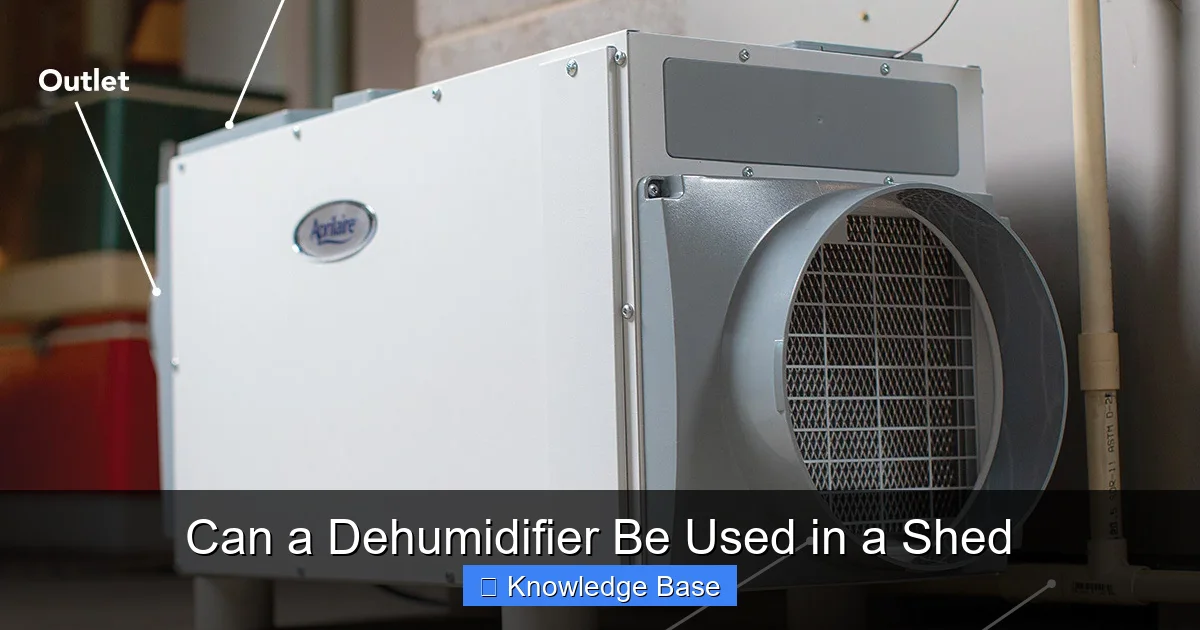
Yes, a dehumidifier can be used in a shed—and it’s often a smart move. Sheds are prone to high humidity, which can damage tools, wood, and stored items. Using the right dehumidifier helps prevent mold, rust, and rot, keeping your shed dry and functional year-round.
Key Takeaways
- Dehumidifiers work in sheds: With proper setup, dehumidifiers effectively reduce moisture in small, enclosed spaces like sheds.
- Choose the right type: Compact, portable, or desiccant models are ideal for sheds; avoid large residential units unless space allows.
- Power source matters: Most sheds lack outlets, so consider battery-powered, solar, or low-wattage models for off-grid use.
- Ventilation improves efficiency: A well-ventilated shed helps the dehumidifier work better and prevents stagnant air.
- Regular maintenance is key: Empty water tanks, clean filters, and check seals to ensure long-term performance.
- Preventive storage helps: Use sealed containers, moisture absorbers, and raised shelving to reduce moisture exposure.
- Monitor humidity levels: Use a hygrometer to keep humidity between 30–50% for optimal protection.
Quick Answers to Common Questions
Can I run a dehumidifier in an unheated shed?
Yes, but choose a desiccant model, as they work in colder temperatures. Compressor units lose efficiency below 65°F.
How often should I empty the water tank?
It depends on humidity levels, but check every 2–3 days during humid weather. Use a continuous drain hose for convenience.
Do I need electricity in my shed for a dehumidifier?
Most plug-in models do, but battery-powered or solar options are available for off-grid sheds.
Can a dehumidifier prevent mold in a shed?
Yes, by keeping humidity below 50%, it significantly reduces the risk of mold and mildew growth.
What’s the ideal humidity level for a shed?
Aim for 30–50% relative humidity. Use a hygrometer to monitor and adjust as needed.
📑 Table of Contents
- Can a Dehumidifier Be Used in a Shed? The Short Answer
- Why Sheds Are Prone to High Humidity
- Types of Dehumidifiers Suitable for Sheds
- How to Choose the Right Dehumidifier for Your Shed
- Installation and Placement Tips for Maximum Efficiency
- Maintenance and Long-Term Care
- Alternative Moisture Control Methods
- Real-World Examples and Success Stories
- Conclusion: Is a Dehumidifier Worth It for Your Shed?
Can a Dehumidifier Be Used in a Shed? The Short Answer
Yes—absolutely. A dehumidifier can be used in a shed, and in many cases, it’s one of the best investments you can make to protect your belongings. Sheds, by nature, are often poorly insulated, exposed to temperature swings, and vulnerable to moisture buildup. Whether you’re storing tools, garden equipment, wood, or sentimental items, excess humidity can lead to rust, mold, mildew, and structural decay.
Many people assume that because sheds are small and not climate-controlled, they’re not worth protecting. But the truth is, even a modest shed can become a breeding ground for moisture-related problems—especially in humid climates or during rainy seasons. A dehumidifier helps maintain a stable, dry environment, extending the life of your stored items and preserving the integrity of the shed itself. With the right model and setup, you can keep your shed dry, safe, and functional year-round.
Why Sheds Are Prone to High Humidity
Sheds are notorious for trapping moisture. Unlike homes, they’re often built with minimal insulation, single-pane windows (if any), and poor airflow. This creates the perfect conditions for humidity to build up. When warm, moist air enters the shed—whether from rain, morning dew, or ground evaporation—it cools down inside, causing condensation. This moisture clings to walls, tools, and stored items, leading to rust, warping, and mold.
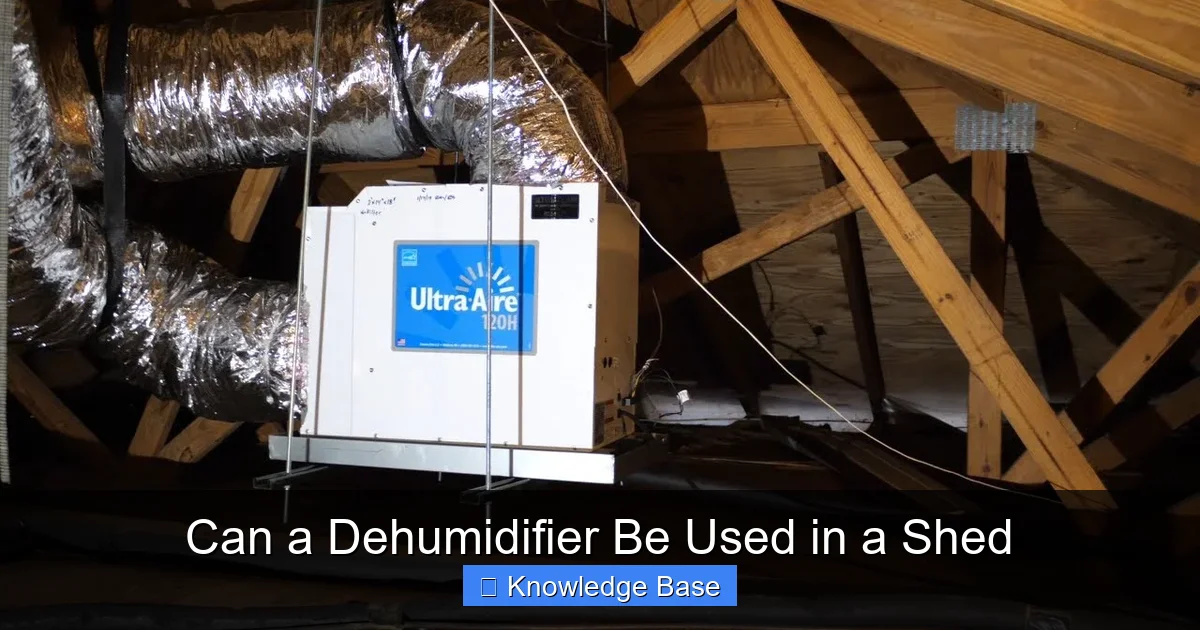
Visual guide about Can a Dehumidifier Be Used in a Shed
Image source: i.ytimg.com
Common Causes of Moisture in Sheds
- Poor ventilation: Without proper airflow, humid air has nowhere to go, leading to stagnant, damp conditions.
- Ground moisture: Sheds built directly on soil or concrete absorb moisture from the ground, especially if there’s no vapor barrier.
- Temperature fluctuations: Daily temperature changes cause condensation, particularly on metal surfaces like tools or roofing.
- Rain and snow intrusion: Leaky roofs, gaps in siding, or poorly sealed doors allow water to seep in.
- Stored damp items: Putting wet tools, muddy boots, or damp firewood inside introduces moisture directly.
The Consequences of Ignoring Humidity
If left unchecked, high humidity in a shed can cause serious damage. Metal tools and equipment will rust, wooden shelves and furniture will warp or rot, and fabrics or paper items may develop mold. Over time, this can compromise the structural integrity of the shed itself—especially if it’s made of wood. Mold spores can also pose health risks if you spend time in the shed, particularly for people with allergies or respiratory issues.
For example, imagine storing your prized vintage lawnmower or a set of antique hand tools in a damp shed. Within a few months, you might find rust spots, sticky handles, or even electrical issues if moisture reaches internal components. A dehumidifier can prevent this kind of damage, saving you money and preserving your belongings.
Types of Dehumidifiers Suitable for Sheds
Not all dehumidifiers are created equal—especially when it comes to small, non-climate-controlled spaces like sheds. Choosing the right type is crucial for effectiveness, energy efficiency, and practicality.
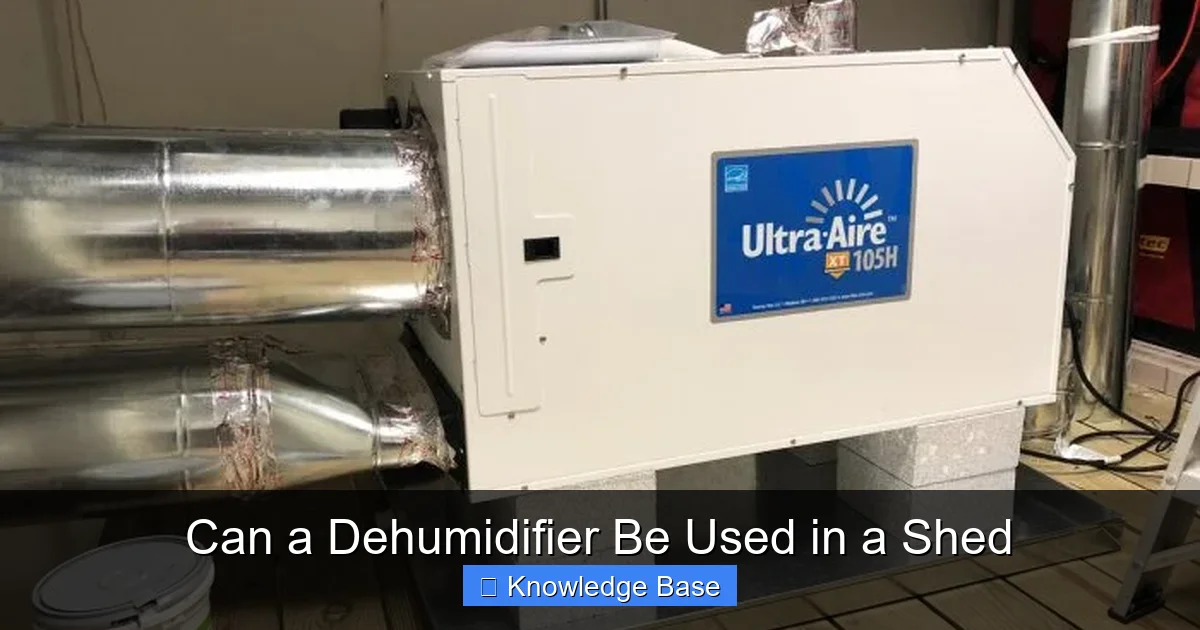
Visual guide about Can a Dehumidifier Be Used in a Shed
Image source: s3.amazonaws.com
Compressor (Refrigerant) Dehumidifiers
These are the most common type found in homes. They work by pulling in moist air, cooling it to condense the moisture, and then reheating the air before releasing it back into the room. They’re effective in warm, humid environments but lose efficiency in cooler temperatures—typically below 65°F (18°C).
Best for: Sheds in warm climates or those used year-round with consistent temperatures.
Pros: High moisture removal capacity, affordable to run in warm conditions.
Cons: Less effective in cold weather, may not work well in unheated sheds during winter.
Desiccant Dehumidifiers
These use a moisture-absorbing material (like silica gel) to pull water from the air. They don’t rely on cooling coils, so they work well in colder environments—even down to 40°F (4°C). They’re often quieter and more compact than compressor models.
Best for: Sheds in cooler climates, seasonal use, or off-grid setups.
Pros: Effective in low temperatures, compact, quiet.
Cons: Slower moisture removal, higher energy use per pint of water removed.
Mini and Portable Dehumidifiers
Designed for small spaces, these compact units are perfect for sheds under 200 square feet. Many are battery-powered or low-wattage, making them ideal for sheds without electricity.
Best for: Small sheds, tool storage, or seasonal protection.
Pros: Lightweight, easy to move, low power consumption.
Cons: Smaller water tanks require frequent emptying, limited coverage.
Solar-Powered and Battery-Operated Options
For sheds without access to electricity, solar-powered or battery-operated dehumidifiers are a game-changer. These models use renewable energy or rechargeable batteries to run, making them eco-friendly and practical for remote locations.
Best for: Off-grid sheds, garden sheds, or cabins.
Pros: No wiring needed, sustainable, portable.
Cons: Limited runtime, may not run continuously on cloudy days.
Whole-Shed vs. Spot Protection
Some dehumidifiers are designed to cover an entire shed, while others are meant for spot protection—like inside a tool cabinet or storage box. For full-shed coverage, choose a model with a higher pint-per-day (PPD) rating. For targeted use, a small desiccant unit or moisture absorber may suffice.
How to Choose the Right Dehumidifier for Your Shed
Selecting the best dehumidifier for your shed depends on several factors: size, climate, power availability, and what you’re storing.
Step 1: Measure Your Shed’s Size
Most dehumidifiers list their coverage area in square feet. Measure your shed’s length and width to determine the total space. For example, a 10×12 shed is 120 square feet. Choose a unit rated for at least that size—ideally slightly larger to account for poor insulation.
Step 2: Assess Your Climate
If you live in a humid, warm region (like the Southeast U.S.), a compressor dehumidifier may be ideal. In cooler or seasonal climates, a desiccant model will perform better. Check average humidity levels in your area—ideally, aim to keep indoor humidity between 30% and 50%.
Step 3: Consider Power Options
Does your shed have electricity? If yes, you can use standard plug-in models. If not, look for low-wattage, battery-powered, or solar options. Some models can run on a 12V car battery or portable power station.
Step 4: Evaluate Storage Needs
What are you storing? Metal tools need rust protection, while wood and fabric items are vulnerable to mold. If you’re storing sensitive electronics or documents, you may need a more powerful or continuous-running unit.
Step 5: Check Tank Capacity and Drainage
Dehumidifiers collect water in a tank that needs to be emptied regularly. In a shed, you may not check it daily, so choose a model with a large tank (at least 1–2 liters) or one with a continuous drainage option (hose attachment).
Step 6: Look for Smart Features
Some modern dehumidifiers come with hygrometers, auto-shutoff, timers, or Wi-Fi connectivity. These features help maintain optimal humidity without constant monitoring—especially useful if you don’t visit the shed often.
Installation and Placement Tips for Maximum Efficiency
Even the best dehumidifier won’t work well if it’s placed incorrectly or the shed isn’t prepared. Proper installation and setup are key to success.
Where to Place the Dehumidifier
Place the unit in the center of the shed, away from walls and corners, to allow for even air circulation. Avoid placing it directly on the ground—use a small stand or shelf to prevent dust and moisture from the floor from clogging the intake.
Ensure Proper Airflow
Dehumidifiers need to draw in air to work. Keep the intake and exhaust vents clear of obstructions. Don’t block the unit with boxes or tools. If possible, open a window or vent slightly to allow fresh air to enter and humid air to exit.
Seal Air Leaks
Check for gaps around doors, windows, and vents. Use weatherstripping or caulk to seal leaks. This prevents humid outside air from entering and reduces the workload on the dehumidifier.
Use a Hygrometer
A hygrometer is a small, inexpensive device that measures humidity levels. Place one near the dehumidifier to monitor conditions. Aim for 30–50% humidity. If levels stay high, you may need a more powerful unit or better ventilation.
Consider Insulation
If your shed is uninsulated, consider adding insulation to walls and the roof. This helps stabilize temperatures and reduces condensation. Even a simple reflective barrier can make a difference.
Elevate Stored Items
Keep tools, boxes, and furniture off the floor using pallets, shelves, or racks. This prevents ground moisture from wicking up into your belongings.
Maintenance and Long-Term Care
A dehumidifier is only as good as its maintenance. Regular care ensures it runs efficiently and lasts for years.
Empty the Water Tank Regularly
Check the tank every few days, especially during humid weather. If it fills up, the unit may shut off or leak. For convenience, use a model with a hose attachment for continuous drainage.
Clean the Filter Monthly
Dust and debris can clog the air filter, reducing efficiency. Remove the filter and rinse it with water or vacuum it. Let it dry completely before reinserting.
Inspect for Mold and Mildew
Check the interior of the unit and the water tank for mold growth. Wipe surfaces with a mild bleach solution or vinegar to disinfect.
Check Door and Window Seals
Over time, seals can wear out, allowing humid air to enter. Replace weatherstripping if it’s cracked or loose.
Run the Unit Seasonally
Even if you don’t use the shed in winter, run the dehumidifier periodically to prevent moisture buildup. In very cold climates, consider removing the unit and storing it indoors to avoid damage.
Alternative Moisture Control Methods
While dehumidifiers are effective, they’re not the only solution. Combining methods gives you the best protection.
Moisture Absorbers and Desiccants
Products like DampRid or silica gel packs absorb moisture passively. Place them in toolboxes, cabinets, or corners. They’re cheap and require no power, but need to be replaced or recharged regularly.
Ventilation Fans
Install a small exhaust fan or solar-powered vent to improve airflow. This helps push humid air out and bring drier air in.
Dehumidifying Paint or Sealants
Apply moisture-resistant paint or sealant to walls and floors. These products repel water and reduce condensation.
Heaters for Cold Climates
In winter, a small space heater can raise the temperature slightly, reducing condensation. Use only if the shed is well-ventilated and safe for heating.
Raised Foundations and Gutters
Ensure your shed has a raised foundation with good drainage. Install gutters and downspouts to direct rainwater away from the base.
Real-World Examples and Success Stories
Many shed owners have successfully used dehumidifiers to protect their belongings. Here are a few real-life examples:
Example 1: The Woodworker’s Shed
John, a hobbyist woodworker, stored his chisels, saws, and lumber in a 10×10 shed. After noticing rust and warped wood, he installed a small desiccant dehumidifier. Within weeks, humidity dropped from 70% to 45%, and his tools stayed sharp and dry.
Example 2: The Off-Grid Garden Shed
Maria lives in a rural area with no electricity near her garden shed. She uses a solar-powered mini dehumidifier and moisture absorbers in her seed and tool storage. Her seeds remain viable, and her tools stay rust-free year-round.
Example 3: The Seasonal Cabin Shed
Tom uses his shed as a summer cabin. He runs a compressor dehumidifier during humid months and uses a hygrometer to monitor levels. He also stores bedding in sealed bins. The result? No mold, no musty smell, and a comfortable space every time he visits.
Conclusion: Is a Dehumidifier Worth It for Your Shed?
Absolutely. A dehumidifier can be used in a shed—and it’s often a wise investment. Whether you’re protecting tools, preserving wood, or storing sentimental items, controlling moisture is essential. With the right type, proper placement, and regular maintenance, a dehumidifier can keep your shed dry, safe, and functional for years to come.
Don’t wait until you see rust or smell mold. Take action now. Assess your shed’s needs, choose a suitable dehumidifier, and combine it with good ventilation and storage practices. Your future self—and your belongings—will thank you.
Frequently Asked Questions
Can a dehumidifier be used in a metal shed?
Yes, a dehumidifier works well in metal sheds. In fact, metal sheds are prone to condensation, so controlling humidity is especially important to prevent rust and corrosion.
Will a dehumidifier increase my electricity bill?
It depends on the model and usage. Small, efficient units use minimal power—often less than 200 watts. Running it a few hours a day has little impact on your bill.
Can I use a home dehumidifier in a shed?
You can, but it may be overkill. Home units are larger and more expensive. A compact, shed-specific model is usually more practical and cost-effective.
How long does it take for a dehumidifier to work in a shed?
It can start reducing humidity within hours, but it may take 1–2 days to reach optimal levels, depending on the shed’s size and initial moisture content.
Do dehumidifiers make noise in a shed?
Most produce a low hum, similar to a small fan. Desiccant models are quieter than compressor types, making them better for quiet environments.
Can I leave a dehumidifier on all the time in a shed?
Yes, if it has an auto-humidistat, it will turn on and off as needed. This saves energy and maintains consistent humidity without constant monitoring.