

Yes, a dehumidifier can absolutely be used in a garage—and it’s often a smart move. Garages are prone to high humidity, which can lead to mold, rust, and damage to stored items. Using a dehumidifier helps maintain a dry, healthy environment and protects your belongings year-round.
Key Takeaways
- Garages are naturally humid: Poor ventilation, temperature swings, and exposure to outdoor moisture make garages ideal breeding grounds for humidity-related problems.
- Dehumidifiers prevent mold and mildew: By reducing moisture in the air, dehumidifiers stop mold spores from thriving and spreading on walls, tools, and stored items.
- Protects tools and vehicles: Excess moisture causes rust and corrosion on metal tools, car parts, and electronics—using a dehumidifier extends their lifespan.
- Choose the right size and type: Garage dehumidifiers should be rated for larger, uninsulated spaces and colder temperatures (like basements or crawl spaces).
- Placement and maintenance matter: Position the unit centrally, keep doors/windows closed, and empty the water tank regularly for optimal performance.
- Energy efficiency is important: Look for Energy Star-rated models with auto-shutoff and continuous drainage options to save on electricity.
- Alternative solutions exist: While dehumidifiers are effective, combining them with ventilation, insulation, or moisture absorbers can enhance results.
Quick Answers to Common Questions
Can I use a regular dehumidifier in my garage?
Not all regular dehumidifiers are suitable for garages. Look for models rated for basements or cold spaces, as they can operate in lower temperatures and handle larger areas.
How often should I run the dehumidifier in my garage?
Run it daily during humid seasons or when humidity levels are high. In drier months, you can reduce usage but check levels regularly with a hygrometer.
Will a dehumidifier increase my electricity bill?
Yes, but Energy Star-rated models are more efficient. Using features like auto-shutoff and continuous drainage can help minimize energy use.
Can a dehumidifier prevent rust on my tools?
Yes, by reducing moisture in the air, a dehumidifier helps prevent rust and corrosion on metal tools and equipment.
Do I need to insulate my garage to use a dehumidifier?
Insulation helps, but it’s not required. A dehumidifier can still work in an uninsulated garage, especially if it’s designed for cold climates.
📑 Table of Contents
- Can a Dehumidifier Be Used in a Garage?
- Why Garages Are Prone to High Humidity
- Benefits of Using a Dehumidifier in Your Garage
- Choosing the Right Dehumidifier for Your Garage
- How to Use a Dehumidifier in Your Garage Effectively
- Common Mistakes to Avoid
- Alternative Solutions for Garage Moisture
- Conclusion
Can a Dehumidifier Be Used in a Garage?
If you’ve ever opened your garage door on a humid summer morning and noticed a musty smell, foggy windows, or damp concrete floors, you’re not alone. Garages are notorious for trapping moisture, especially if they’re attached to your home or located in a climate with high humidity. Over time, this excess moisture can lead to mold growth, rust on tools, warped wood, and even damage to your car’s undercarriage. So, the big question many homeowners ask is: Can a dehumidifier be used in a garage?
The short answer is a resounding yes. In fact, using a dehumidifier in your garage is one of the most effective ways to control indoor humidity levels and protect your belongings. Unlike living spaces, garages often lack proper insulation, heating, or air conditioning, making them more vulnerable to moisture buildup. A dehumidifier works by pulling in humid air, removing the excess moisture, and releasing drier air back into the space. This simple process can make a huge difference in maintaining a clean, dry, and functional garage.
But before you rush out to buy any dehumidifier, it’s important to understand how they work, what features to look for, and how to use them properly in a garage setting. Not all dehumidifiers are created equal—some are designed for small, climate-controlled rooms, while others are built to handle large, cold, or uninsulated areas like garages. In this guide, we’ll walk you through everything you need to know about using a dehumidifier in your garage, from benefits and best practices to common mistakes and alternative solutions.
Why Garages Are Prone to High Humidity
Visual guide about Can a Dehumidifier Be Used in a Garage
Image source: i.ytimg.com
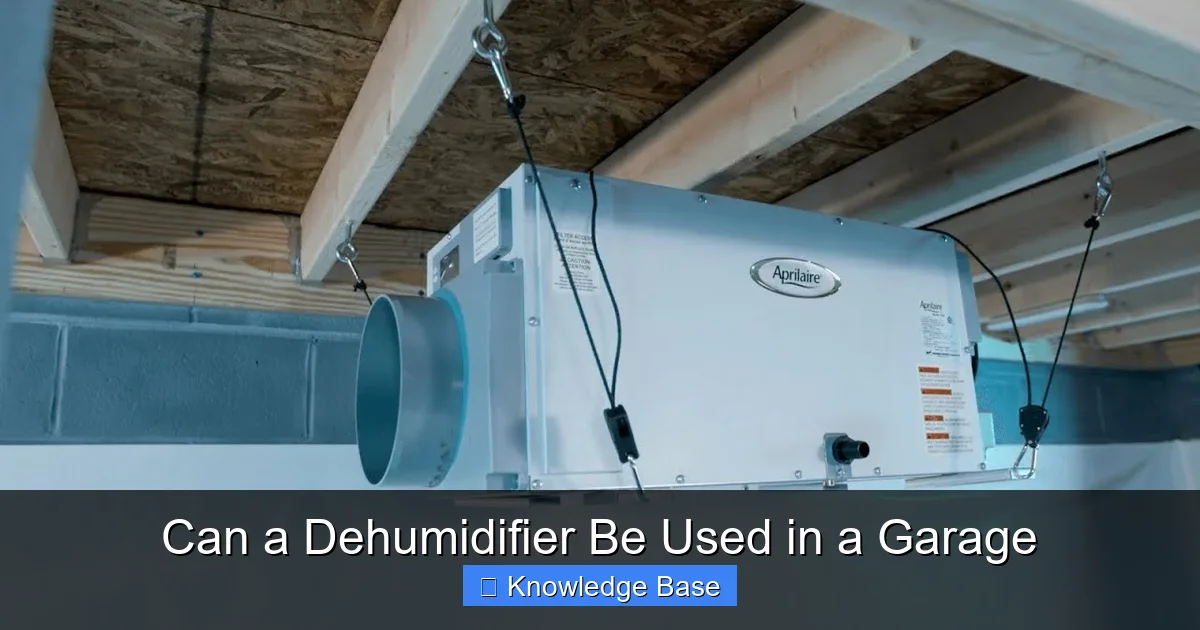
Garages are unique spaces. They’re typically attached to the house but not fully integrated into the home’s HVAC system. This means they don’t benefit from the same heating, cooling, or ventilation as your living areas. As a result, garages often experience extreme temperature fluctuations—freezing in winter, sweltering in summer—and poor airflow. These conditions create the perfect storm for moisture problems.
One of the biggest culprits is condensation. When warm, humid air from outside enters a cool garage (especially in the morning or during seasonal changes), it cools down rapidly. As the air cools, its ability to hold moisture decreases, leading to condensation on cold surfaces like concrete floors, metal tools, car bodies, and garage doors. You might notice water droplets forming on your car overnight or a damp film on your workbench—this is condensation in action.
Another factor is ground moisture. Concrete floors are porous and can absorb moisture from the soil beneath, especially if your garage lacks a proper vapor barrier or drainage system. Over time, this moisture evaporates into the air, increasing indoor humidity levels. Additionally, garages often store items that contribute to moisture, such as wet lawn equipment, damp firewood, or recently washed cars. Even everyday activities like washing your car in the garage or running a humidifier nearby can add significant moisture to the air.
Poor ventilation exacerbates the problem. Many garages have only one door and maybe a small window, which isn’t enough to allow proper air circulation. Without fresh air moving through the space, humid air gets trapped, creating a stagnant environment where mold and mildew thrive. And because garages are often used for storage, clutter can block airflow even further, creating hidden pockets of high humidity.
All these factors combine to make garages one of the most humid areas in a home—even more so than basements in some cases. And while a little moisture might not seem like a big deal, over time it can cause serious damage. That’s where a dehumidifier comes in.
Benefits of Using a Dehumidifier in Your Garage
Visual guide about Can a Dehumidifier Be Used in a Garage
Image source: homeairadvisor.com
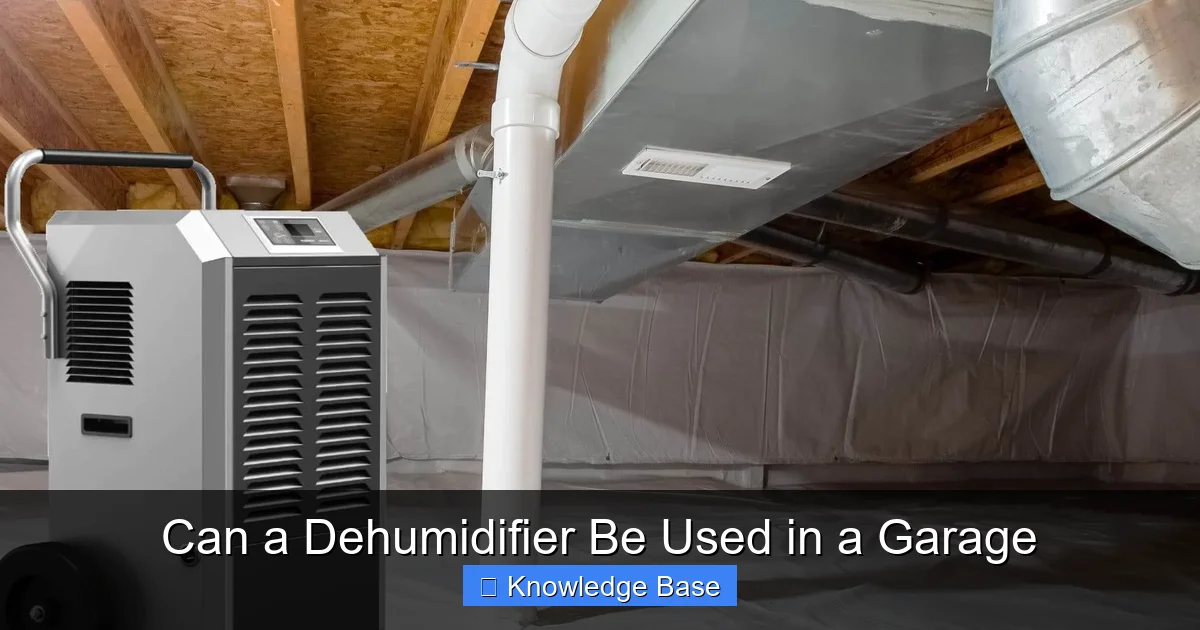
Using a dehumidifier in your garage offers a wide range of benefits, from protecting your belongings to improving air quality. Let’s break down the top advantages:
Prevents Mold and Mildew Growth
Mold and mildew love damp, dark environments—and your garage is practically their dream home. These fungi release spores into the air, which can trigger allergies, asthma, and other respiratory issues. They also leave unsightly stains on walls, ceilings, and stored items. A dehumidifier keeps humidity levels below 60% (ideally between 30% and 50%), which is the threshold where mold struggles to grow. By maintaining a dry environment, you significantly reduce the risk of mold and mildew taking hold.
Protects Tools and Equipment
If you’re like most homeowners, your garage is home to a collection of tools, lawn equipment, and seasonal items. Unfortunately, metal tools are highly susceptible to rust and corrosion when exposed to moisture. A dehumidifier helps keep your wrenches, drills, saws, and lawnmowers in top condition by preventing oxidation. This not only extends their lifespan but also saves you money on replacements and repairs.
Preserves Vehicles
Your car spends a lot of time in the garage—so why let moisture damage it? High humidity can lead to rust on the undercarriage, foggy windows, and musty odors inside the cabin. Over time, this can affect your vehicle’s performance and resale value. A dehumidifier helps maintain a dry environment, reducing the risk of corrosion and keeping your car in better shape.
Improves Air Quality
Even though your garage isn’t a living space, the air inside can seep into your home through shared walls, vents, or open doors. High humidity promotes the growth of dust mites, mold, and bacteria, all of which can negatively impact indoor air quality. By using a dehumidifier, you create a healthier environment both in the garage and throughout your home.
Protects Stored Items
Many people use their garage for storage—seasonal decorations, sports gear, documents, and even furniture. These items can be damaged by moisture, leading to warped wood, ruined paper, or mildewed fabric. A dehumidifier helps preserve the integrity of your stored belongings, ensuring they’re ready to use when you need them.
Reduces Musty Odors
That damp, earthy smell in your garage? It’s likely caused by mold, mildew, or stagnant air. A dehumidifier removes excess moisture, which in turn eliminates the source of these unpleasant odors. Your garage will smell fresher and feel more inviting.
Choosing the Right Dehumidifier for Your Garage
Not all dehumidifiers are suitable for garage use. Because garages are often larger, colder, and less insulated than living spaces, you need a unit specifically designed to handle these conditions. Here’s what to look for when shopping for a garage dehumidifier:
Capacity (Pints per Day)
Dehumidifiers are rated by how many pints of moisture they can remove in 24 hours. For a typical 2-car garage (around 400–600 square feet), a unit with a capacity of 30–50 pints per day is usually sufficient. Larger garages or those in very humid climates may require a 70-pint model or higher. Always check the manufacturer’s recommendations for room size and humidity level.
Low-Temperature Operation
Standard dehumidifiers often shut off when temperatures drop below 65°F (18°C), which is a problem in unheated garages during fall and winter. Look for a dehumidifier with a “cold climate” or “basement” rating, which can operate efficiently in temperatures as low as 41°F (5°C). These models use special compressors and defrost systems to prevent icing.
Durability and Build Quality
Garages can be rough environments—dusty, dirty, and subject to temperature swings. Choose a dehumidifier with a sturdy, rust-resistant casing and protective filters. Some models come with washable air filters, which are easier to maintain in dusty conditions.
Drainage Options
Most dehumidifiers collect water in an internal tank that needs to be emptied regularly. For garage use, this can be inconvenient—especially if you’re not around to check it daily. Look for models with a continuous drainage option, where you can attach a hose to drain water directly into a floor drain, sump pump, or outside. This is a game-changer for busy homeowners.
Energy Efficiency
Dehumidifiers can use a lot of electricity, especially if they run constantly. Choose an Energy Star-certified model, which uses up to 15% less energy than standard units. Features like auto-humidistat (which turns the unit on/off based on humidity levels) and timer functions can also help reduce energy consumption.
Noise Level
While garages aren’t quiet spaces, a loud dehumidifier can be annoying if your garage is near living areas. Look for models with noise levels below 55 decibels (dB) for quieter operation.
Portability and Size
Garages often have limited floor space, so consider the size and weight of the unit. Many dehumidifiers come with wheels and handles for easy movement. If you plan to move the unit between the garage and basement, portability is key.
How to Use a Dehumidifier in Your Garage Effectively
Buying the right dehumidifier is only half the battle—using it correctly is just as important. Here are some practical tips to get the best results:
Place It in the Right Spot
Position the dehumidifier in a central location, away from walls and obstacles. This allows for maximum airflow and efficient moisture removal. Avoid placing it near sources of heat or cold, like garage doors or windows, which can interfere with performance.
Keep Doors and Windows Closed
For the dehumidifier to work effectively, the garage should be as sealed as possible. Keep the garage door closed, and avoid opening windows or vents unless necessary. If you need ventilation, consider installing an exhaust fan or using a dehumidifier with a built-in ventilation mode.
Set the Right Humidity Level
Most experts recommend keeping indoor humidity between 30% and 50%. Use the humidistat on your dehumidifier to set your target level. In humid climates, aim for the lower end of that range. In drier areas, 40–50% is usually fine.
Empty the Tank Regularly
If your dehumidifier doesn’t have continuous drainage, check the water tank daily—especially during humid weather. A full tank will cause the unit to shut off, reducing its effectiveness. Some models have indicator lights or alarms to remind you when the tank is full.
Clean the Filter Monthly
Dust and debris can clog the air filter, reducing airflow and efficiency. Most dehumidifiers have washable filters that can be rinsed under water and dried before reinserting. Clean the filter at least once a month, or more often if your garage is particularly dusty.
Use a Hygrometer to Monitor Humidity
A hygrometer is a small, inexpensive device that measures humidity levels. Place one in your garage to monitor conditions and adjust your dehumidifier settings as needed. This helps ensure you’re maintaining the ideal environment.
Run It Consistently
For best results, run the dehumidifier regularly—ideally every day during humid seasons. Even in winter, occasional use can prevent moisture buildup from temperature swings.
Common Mistakes to Avoid
Even with the best intentions, homeowners often make mistakes when using dehumidifiers in garages. Here are some common pitfalls to watch out for:
Using a Small Room Dehumidifier
A dehumidifier designed for a bedroom or bathroom won’t cut it in a garage. These units lack the capacity and durability needed for larger, uninsulated spaces. Always choose a model rated for garage or basement use.
Ignoring Drainage Needs
If you don’t set up continuous drainage, you’ll end up emptying the tank constantly—or worse, the unit will stop working when the tank fills up. Invest in a model with a hose attachment or install a nearby floor drain.
Placing It Near the Garage Door
The garage door is a major source of outside air and moisture. Placing the dehumidifier right next to it can cause it to work overtime, reducing efficiency and increasing wear and tear.
Not Maintaining the Unit
A dirty filter or clogged coils can reduce performance and increase energy use. Regular maintenance is essential for long-term effectiveness.
Expecting Instant Results
Dehumidifiers take time to reduce humidity levels, especially in large spaces. Be patient—it may take several days of continuous operation to see a noticeable difference.
Alternative Solutions for Garage Moisture
While dehumidifiers are highly effective, they’re not the only solution for garage moisture. Here are some complementary strategies:
Improve Ventilation
Install an exhaust fan or vent to allow moist air to escape. Even a simple window fan can help improve airflow.
Insulate Walls and Ceiling
Proper insulation reduces temperature swings and prevents condensation. Consider adding insulation to garage walls and the ceiling if it’s attached to living spaces.
Seal Concrete Floors
Apply a concrete sealer to prevent ground moisture from rising into the air. Epoxy floor coatings also add a protective barrier.
Use Moisture Absorbers
For smaller spaces or seasonal use, moisture-absorbing products like silica gel packs or calcium chloride buckets can help. These are cheaper than dehumidifiers but require regular replacement.
Install a Vapor Barrier
If your garage floor is prone to dampness, consider installing a vapor barrier beneath the concrete or on the surface to block moisture.
Conclusion
So, can a dehumidifier be used in a garage? Absolutely—and it’s one of the best investments you can make for protecting your home, vehicles, and belongings. Garages are naturally prone to high humidity due to poor ventilation, temperature fluctuations, and exposure to outdoor moisture. Without intervention, this can lead to mold, rust, odors, and costly damage.
A well-chosen dehumidifier tackles these problems head-on by maintaining a dry, healthy environment. By selecting the right size and type, placing it correctly, and maintaining it properly, you can enjoy a cleaner, safer, and more functional garage year-round. Combine it with good ventilation, insulation, and regular upkeep, and you’ll have a moisture-free space that stands the test of time.
Whether you’re storing tools, parking your car, or using your garage as a workshop, a dehumidifier is a simple yet powerful tool for peace of mind. Don’t let humidity take over—take control today.
Frequently Asked Questions
What size dehumidifier do I need for a 2-car garage?
For a typical 2-car garage (400–600 sq ft), a 30–50 pint per day dehumidifier is usually sufficient. Choose a higher capacity if your area is very humid.
Can I leave a dehumidifier on all the time?
Yes, most modern dehumidifiers are safe to run continuously. Look for models with auto-shutoff and overheating protection for added safety.
Will a dehumidifier help with garage odors?
Yes, by reducing mold and mildew growth, a dehumidifier can eliminate musty smells and improve air quality in your garage.
Can I use a dehumidifier in a detached garage?
Yes, but ensure the unit is protected from extreme weather. If the garage is unheated, choose a cold-climate model.
How do I know if my garage is too humid?
Signs include condensation on windows, damp floors, musty smells, or mold growth. Use a hygrometer to measure humidity levels—above 60% is too high.
Is it worth buying a dehumidifier for a small garage?
Yes, even small garages can suffer from moisture problems. A compact, efficient model can make a big difference in protecting your belongings.