
Yes, a dehumidifier can be used in a bathroom—and it’s often a smart move. It helps reduce excess moisture, prevent mold growth, and improve air quality. With the right model and setup, you can keep your bathroom fresher, cleaner, and more comfortable year-round.
Key Takeaways
- Dehumidifiers work well in bathrooms: They effectively remove excess moisture from the air, especially in high-humidity areas like showers and bathtubs.
- Choose the right size and type: Compact, bathroom-safe models with auto-shutoff and drainage options are ideal for small, enclosed spaces.
- Prevent mold and mildew: By lowering humidity levels, dehumidifiers stop mold spores from thriving on walls, ceilings, and grout.
- Improve air quality and comfort: Less moisture means fewer allergens, odors, and that sticky, clammy feeling after a hot shower.
- Use safely with proper ventilation: Always ensure the unit is placed away from water sources and used alongside exhaust fans when possible.
- Maintenance is key: Regular cleaning of filters and water tanks ensures efficiency and prevents bacteria buildup.
- Consider alternatives: Exhaust fans, ventilation, and moisture-absorbing products can complement or replace dehumidifiers in some cases.
Quick Answers to Common Questions
Can I run a dehumidifier in the bathroom all the time?
It’s not necessary to run it 24/7. Use it for 30–60 minutes after showers or during humid weather. Most models have timers and auto-humidity settings to help.
Will a dehumidifier make my bathroom colder?
Most dehumidifiers slightly warm the air as they operate, so they won’t make your bathroom colder. The effect is usually minimal.
Can a dehumidifier replace an exhaust fan?
Not entirely. Exhaust fans remove moist air quickly during showers, while dehumidifiers work more slowly. Use both for best results.
How much does it cost to run a dehumidifier in a bathroom?
Small units use about 20–50 watts. Running one for an hour a day may cost just a few cents, depending on your electricity rate.
Can I put a dehumidifier in a shower room or wet room?
Only if it’s rated for wet environments and placed safely away from water. Most standard units aren’t waterproof and should not be exposed to direct spray.
📑 Table of Contents
Can a Dehumidifier Be Used in a Bathroom?
If you’ve ever stepped out of a hot shower only to find your bathroom mirror fogged up, walls damp, and that unmistakable musty smell lingering in the air, you’re not alone. Bathrooms are naturally humid spaces—thanks to steamy showers, hot baths, and poor ventilation. Over time, this excess moisture can lead to mold, mildew, peeling paint, and even structural damage. So, what’s the solution? Many people wonder: Can a dehumidifier be used in a bathroom?
The short answer is yes—absolutely. A dehumidifier can be a powerful tool for managing bathroom humidity. Unlike exhaust fans, which only vent moist air outside (and only when turned on), dehumidifiers actively pull moisture from the air and collect it in a tank or drain it directly. This makes them especially useful in bathrooms that lack windows, have weak ventilation, or are used frequently by multiple people.
But before you rush out to buy one, it’s important to understand how dehumidifiers work, which types are best suited for bathrooms, and how to use them safely and effectively. In this guide, we’ll walk you through everything you need to know—from the science of humidity to practical tips for installation and maintenance. Whether you’re dealing with chronic dampness or just want to keep your bathroom fresher and cleaner, a dehumidifier might be exactly what you need.
Why Bathrooms Need Moisture Control
Visual guide about Can a Dehumidifier Be Used in a Bathroom
Image source: vanillaluxury.sg
Bathrooms are one of the most moisture-prone areas in any home. Every time you take a hot shower, run a bath, or even wash your hands, you’re adding water vapor to the air. Without proper ventilation, this moisture has nowhere to go—it lingers, condenses on cool surfaces, and creates the perfect environment for mold, mildew, and bacteria to grow.
Let’s break down why moisture control is so critical in bathrooms:
The Science of Humidity in Bathrooms
Humidity refers to the amount of water vapor in the air. When the air in your bathroom becomes saturated—especially after a hot shower—it reaches its dew point, meaning it can’t hold any more moisture. The excess then condenses on surfaces like mirrors, tiles, windows, and walls. This condensation isn’t just annoying; it’s a breeding ground for mold and mildew.
Mold spores are everywhere, but they only need three things to grow: moisture, warmth, and organic material (like soap scum or grout). Bathrooms provide all three. Once mold takes hold, it can spread quickly, causing unpleasant odors, discoloration, and even health issues like allergies or respiratory problems.
Common Bathroom Moisture Problems
Here are some of the most common issues caused by high humidity in bathrooms:
- Mold and mildew growth: Black spots on grout, corners, or ceilings are telltale signs of mold. Mildew often appears as a white or gray powdery substance.
- Peeling paint or wallpaper: Moisture seeps behind surfaces, causing them to bubble, crack, or detach.
- Warped wood: Cabinets, doors, and trim can swell or warp when exposed to constant dampness.
- Musty odors: Stale, damp smells are a sign that moisture is trapped and organic matter is breaking down.
- Reduced air quality: High humidity can worsen allergies and asthma by promoting dust mites and mold growth.
How Dehumidifiers Help
A dehumidifier works by drawing in humid air, cooling it to remove moisture, and then reheating the air before releasing it back into the room. This process lowers the overall humidity level, making the environment less hospitable to mold and mildew.
For example, if your bathroom’s humidity level is consistently above 60%, a dehumidifier can bring it down to the ideal range of 30–50%. This not only prevents mold but also makes the space feel more comfortable and reduces the risk of damage to fixtures and finishes.
Types of Dehumidifiers Suitable for Bathrooms
Visual guide about Can a Dehumidifier Be Used in a Bathroom
Image source: waterleak.co.uk
Not all dehumidifiers are created equal—and not all are suitable for bathroom use. When choosing a dehumidifier for your bathroom, you’ll want to consider size, capacity, safety features, and ease of use.
Refrigerant (Compressor) Dehumidifiers
These are the most common type of dehumidifier and work by using a cold coil to condense moisture from the air. They’re effective in warm, humid environments and are generally energy-efficient.
Pros:
- Effective at removing large amounts of moisture
- Affordable and widely available
- Good for bathrooms with moderate to high humidity
Cons:
- Less efficient in cooler temperatures (below 65°F)
- Can be noisy due to the compressor
- May generate some heat
Best for: Bathrooms in warm climates or those used frequently.
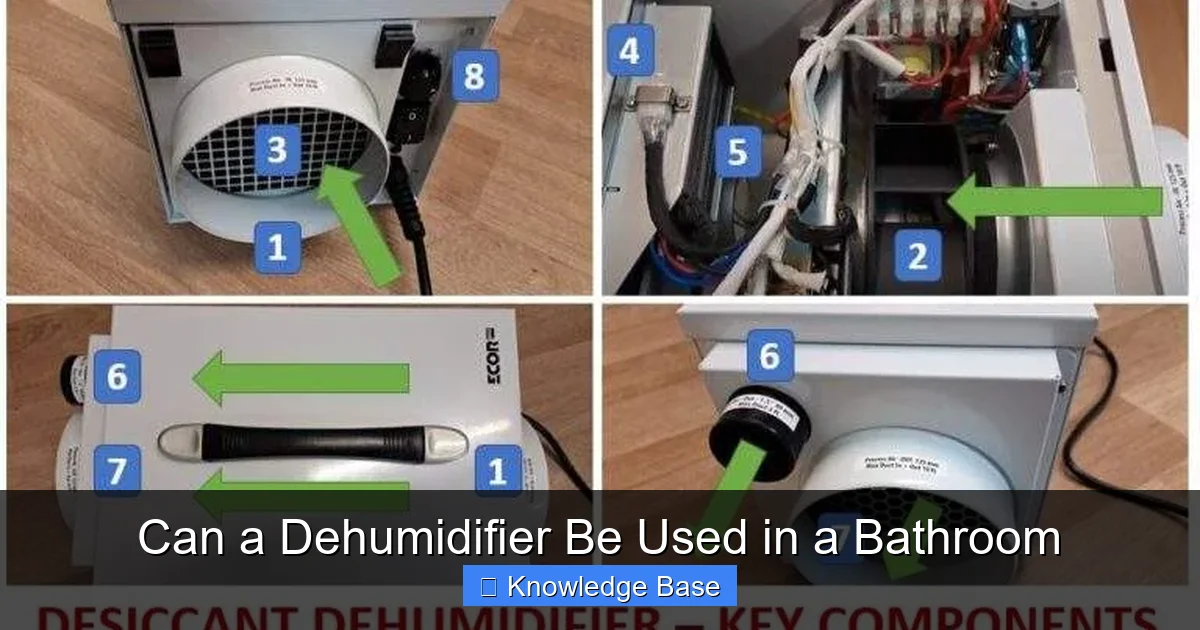
Desiccant Dehumidifiers
These units use a moisture-absorbing material (like silica gel) to pull water from the air. They don’t rely on cooling coils, so they work well in cooler temperatures and are often quieter.
Pros:
- Effective in cold or low-temperature environments
- Quiet operation
- Compact and lightweight
Cons:
- Generally less efficient at removing large volumes of moisture
- May require more frequent maintenance
- Often more expensive per pint of moisture removed
Best for: Small bathrooms, RVs, or cold climates.
Peltier (Thermo-Electric) Dehumidifiers
These are small, portable units that use a Peltier module to cool a surface and condense moisture. They’re ultra-quiet and energy-efficient but have limited capacity.
Pros:
- Very quiet—ideal for bedrooms or small spaces
- No compressor, so fewer moving parts
- Compact and easy to move
Cons:
- Low moisture removal capacity (usually 8–16 oz per day)
- Not suitable for large or very humid bathrooms
- Can be slow to make a noticeable difference
Best for: Powder rooms, small bathrooms, or as a supplemental unit.
Key Features to Look For
When shopping for a bathroom dehumidifier, keep an eye out for these important features:
- Auto-shutoff: Turns off when the water tank is full to prevent overflow.
- Continuous drainage option: Allows you to connect a hose for automatic draining, so you don’t have to empty the tank daily.
- Compact size: Fits easily in small spaces like under sinks or in corners.
- Quiet operation: Look for models under 50 decibels if noise is a concern.
- Humidity control: Adjustable settings let you set your ideal humidity level (e.g., 45%).
- Safety certifications: Ensure the unit is UL-listed or ETL-certified for safety.
How to Use a Dehumidifier in a Bathroom Safely
Using a dehumidifier in a bathroom isn’t just about plugging it in and walking away. To get the best results—and to stay safe—you need to follow a few key guidelines.
Placement Matters
Where you place your dehumidifier can make a big difference in its effectiveness and safety.
- Away from water sources: Never place the unit directly next to the shower, bathtub, or sink. Keep it at least 3–6 feet away to avoid splashes or accidental contact with water.
- On a stable, elevated surface: Use a shelf, cabinet, or stand to keep it off the floor. This reduces the risk of water damage and improves airflow.
- Near the center of the room: For even moisture removal, place it where air can circulate freely around all sides.
- Avoid blocking vents: Make sure the intake and exhaust vents aren’t covered by towels, curtains, or furniture.
Electrical Safety
Bathrooms are high-moisture environments, so electrical safety is crucial.
- Use GFCI outlets: Always plug your dehumidifier into a Ground Fault Circuit Interrupter (GFCI) outlet. These outlets shut off power if they detect a ground fault, reducing the risk of electric shock.
- Avoid extension cords: Plug the unit directly into the wall. If you must use an extension cord, choose a heavy-duty, outdoor-rated one with GFCI protection.
- Keep cords dry: Route power cords away from wet areas and ensure they don’t drape into sinks or tubs.
Operating Tips
To maximize efficiency and longevity:
- Run it after showers: Turn on the dehumidifier for 30–60 minutes after each shower to capture lingering moisture.
- Close doors and windows: Keep the bathroom door closed while the unit runs to prevent humid air from entering from other rooms.
- Use with exhaust fans: If your bathroom has an exhaust fan, run it during and after showers, then switch to the dehumidifier for deeper drying.
- Set the right humidity level: Aim for 30–50% relative humidity. Most units have a built-in hygrometer to help you monitor levels.
Maintenance and Cleaning Tips
Like any appliance, a dehumidifier needs regular maintenance to work efficiently and safely. Neglecting it can lead to reduced performance, mold growth inside the unit, and even fire hazards.
Empty the Water Tank Regularly
Most dehumidifiers collect water in an internal tank. Depending on humidity levels, this tank may fill up daily.
- Check daily: Make it a habit to check the tank each morning, especially during humid seasons.
- Clean the tank weekly: Rinse it with warm, soapy water and a soft brush to remove residue and prevent bacterial growth.
- Use the continuous drain option: If your model supports it, connect a hose to drain water directly into a sink or floor drain. This eliminates the need to empty the tank manually.
Clean or Replace the Filter
The air filter traps dust, lint, and other particles. A clogged filter reduces airflow and efficiency.
- Clean monthly: Remove the filter and vacuum it or rinse it under warm water. Let it dry completely before reinserting.
- Replace as needed: Most filters last 6–12 months. Check your user manual for recommendations.
Wipe Down the Exterior and Coils
Dust and moisture can build up on the exterior and internal coils.
- Unplug the unit first: Always disconnect power before cleaning.
- Use a damp cloth: Wipe the outside with a soft, slightly damp cloth. Avoid harsh chemicals.
- Clean coils gently: Use a soft brush or compressed air to remove dust from the coils. Never use water directly on internal components.
Store Properly When Not in Use
If you only use the dehumidifier seasonally (e.g., during summer), store it correctly:
- Clean thoroughly: Empty the tank, clean the filter, and wipe down the unit.
- Store in a dry place: Keep it in a closet or garage away from moisture and extreme temperatures.
- Cover it: Use a breathable cover to protect it from dust.
Alternatives and Complementary Solutions
While dehumidifiers are effective, they’re not the only way to control bathroom moisture. In some cases, simpler or more cost-effective solutions may work just as well—or better.
Exhaust Fans
A properly installed exhaust fan is one of the most important tools for bathroom ventilation. It removes moist air directly outside, preventing it from circulating through your home.
- Run during and after showers: Leave the fan on for at least 20–30 minutes after bathing.
- Choose the right size: Look for a fan rated for your bathroom’s square footage (e.g., 1 CFM per square foot).
- Upgrade if needed: Older fans may be weak or noisy. Modern models are quieter and more efficient.
Ventilation and Airflow
Improving natural airflow can make a big difference.
- Open windows: If your bathroom has a window, open it during and after showers to let steam escape.
- Use a fan: A small oscillating fan can help circulate air and speed up drying.
- Keep doors open: After showering, leave the bathroom door open to allow moisture to disperse.
Moisture-Absorbing Products
For mild humidity issues, passive solutions can help:
- Silica gel packs: Place them in cabinets or corners to absorb excess moisture.
- Charcoal bags: Natural charcoal absorbs odors and moisture without chemicals.
- Dehumidifier stones: Reusable mineral-based absorbers that can be dried and reused.
Water-Resistant Materials
Prevention starts with smart design:
- Use mold-resistant paint: Special paints contain mildewcides to inhibit growth.
- Install tile or waterproof flooring: These materials are less prone to water damage than wood or carpet.
- Seal grout regularly: Apply a grout sealer every 6–12 months to prevent moisture penetration.
When a Dehumidifier Is the Best Choice
So, when should you invest in a dehumidifier for your bathroom?
Consider a dehumidifier if:
- Your bathroom has no window or exhaust fan
- You live in a humid climate (e.g., Southeast U.S., coastal areas)
- You notice persistent mold, mildew, or musty smells
- Multiple people use the bathroom daily
- You’ve tried ventilation and fans but moisture remains a problem
In these cases, a dehumidifier provides active, consistent moisture control that passive methods can’t match.
Conclusion
So, can a dehumidifier be used in a bathroom? The answer is a resounding yes. When chosen and used correctly, a dehumidifier can dramatically improve your bathroom’s comfort, cleanliness, and longevity. It tackles the root cause of many common bathroom problems—excess moisture—by pulling water from the air and preventing mold, mildew, and odors from taking hold.
But success depends on selecting the right type of unit, placing it safely, and maintaining it properly. Pair it with good ventilation, regular cleaning, and smart design choices, and you’ll have a bathroom that stays fresh, dry, and healthy year-round.
Whether you’re dealing with a chronically damp space or just want to upgrade your home’s air quality, a dehumidifier is a practical, effective solution. It’s not just about convenience—it’s about protecting your home and your health. So go ahead, give your bathroom the breath of fresh air it deserves.
Frequently Asked Questions
Is it safe to use a dehumidifier in a bathroom?
Yes, as long as it’s placed away from water sources and plugged into a GFCI outlet. Always follow the manufacturer’s safety guidelines to prevent electrical hazards.
How long should I run a dehumidifier after a shower?
Run it for 30–60 minutes after each shower to effectively remove lingering moisture and prevent condensation on surfaces.
Do dehumidifiers use a lot of electricity?
Small bathroom dehumidifiers are energy-efficient and typically use less power than a light bulb. Look for Energy Star-rated models for even greater savings.
Can a dehumidifier help with bathroom odors?
Yes. By reducing moisture, it inhibits the growth of mold and mildew, which are common causes of musty smells in bathrooms.
Should I use a dehumidifier with an exhaust fan?
Absolutely. Use the exhaust fan during and immediately after showers, then switch to the dehumidifier for deeper, longer-lasting moisture control.
What size dehumidifier do I need for a small bathroom?
For a typical bathroom (50–100 sq ft), a compact unit with a capacity of 10–20 pints per day is usually sufficient. Check the manufacturer’s recommendations based on humidity levels.