
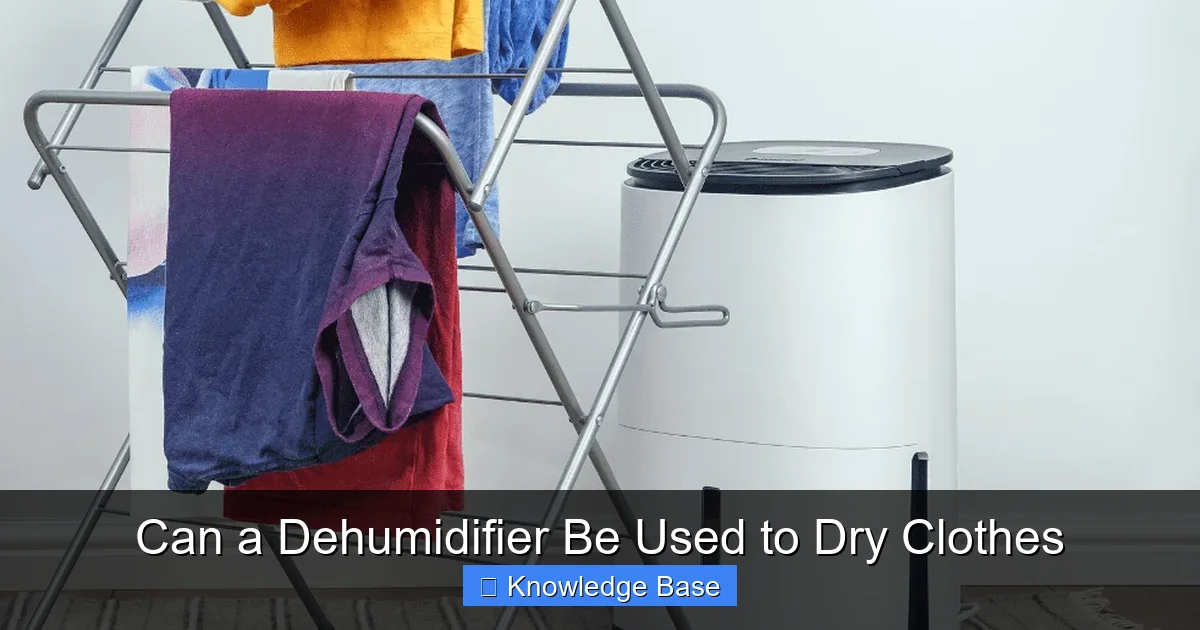
Yes, a dehumidifier can be used to dry clothes indoors by removing moisture from the air, speeding up evaporation. It’s a great alternative when outdoor drying isn’t possible, especially in humid or cold climates. With proper setup, it’s energy-efficient, gentle on fabrics, and helps prevent mold and mildew.
Key Takeaways
- Dehumidifiers can dry clothes indoors: They pull moisture from the air, creating a dry environment that helps wet clothes evaporate faster.
- Ideal for humid or cold climates: When outdoor drying isn’t practical, a dehumidifier offers a reliable indoor solution.
- Energy-efficient compared to dryers: Using a dehumidifier typically uses less energy than an electric clothes dryer, especially over time.
- Prevents mold and mildew: By reducing humidity, it discourages mold growth on damp clothes and in your laundry area.
- Gentle on fabrics: Air-drying with a dehumidifier avoids the heat damage caused by tumble dryers, preserving clothing quality.
- Requires proper setup: For best results, use in a small, enclosed space like a closet or bathroom with good airflow.
- Not a replacement for all drying needs: Best for everyday loads; heavy or bulky items may take longer to dry.
Quick Answers to Common Questions
Can a dehumidifier dry clothes faster than air-drying?
Yes, a dehumidifier can dry clothes faster than passive air-drying because it removes moisture from the air, creating ideal conditions for evaporation—especially in humid environments.
Is it safe to leave a dehumidifier running overnight?
Yes, most modern dehumidifiers have safety features like auto-shutoff and overheating protection, making them safe to run overnight. Just ensure the water tank doesn’t overflow.
Can I use a dehumidifier in a bathroom to dry clothes?
Absolutely. A bathroom is an ideal space because it’s small, enclosed, and often has ventilation. Just close the door and run the dehumidifier while clothes dry on a rack.
Will using a dehumidifier increase my electricity bill?
It may add a small amount to your bill, but it’s typically much less than running an electric dryer. Over time, the savings from not using the dryer often outweigh the cost.
Can I dry towels and jeans with a dehumidifier?
Yes, but heavier items like towels and jeans will take longer—usually 8–12 hours. Make sure they’re well-spun and hung with space for airflow.
📑 Table of Contents
- Can a Dehumidifier Be Used to Dry Clothes? The Surprising Answer
- How Does a Dehumidifier Help Dry Clothes?
- Benefits of Using a Dehumidifier to Dry Clothes
- How to Use a Dehumidifier to Dry Clothes: Step-by-Step Guide
- Limitations and Things to Consider
- Best Dehumidifiers for Drying Clothes
- Conclusion: Is a Dehumidifier Right for Your Laundry Routine?
Can a Dehumidifier Be Used to Dry Clothes? The Surprising Answer
Have you ever pulled a load of laundry out of the washer only to realize it’s going to take forever to dry because it’s raining, snowing, or just plain too humid outside? Or maybe you live in an apartment without outdoor space or a dryer hookup? You’re not alone. Many people face the daily challenge of drying clothes indoors—and that’s where a dehumidifier might just become your new best friend.
At first glance, a dehumidifier seems like it’s only for keeping your basement dry or preventing musty smells in closets. But here’s the thing: it doesn’t just remove moisture from the air—it creates an environment where moisture *wants* to leave wet surfaces, like your damp jeans or towels. In other words, a dehumidifier can actually help dry your clothes faster, safer, and more efficiently than you might think.
This method isn’t magic, but it’s science. By lowering the humidity in a room, the dehumidifier encourages evaporation from your wet clothes. The drier the air, the quicker water molecules on your fabrics can escape into the atmosphere. And because there’s no heat involved (unlike a tumble dryer), your clothes stay protected from shrinkage, fading, or damage. Plus, you’re not adding extra moisture to your home—something that can lead to mold, mildew, and that dreaded “wet laundry smell” that lingers for days.
So, can a dehumidifier be used to dry clothes? The short answer is yes—and in many cases, it’s a smart, eco-friendly, and cost-effective choice. Whether you’re dealing with a rainy season, living in a humid climate, or simply trying to reduce your energy bill, using a dehumidifier to dry clothes is a practical solution that’s gaining popularity among homeowners, renters, and eco-conscious families alike.
How Does a Dehumidifier Help Dry Clothes?
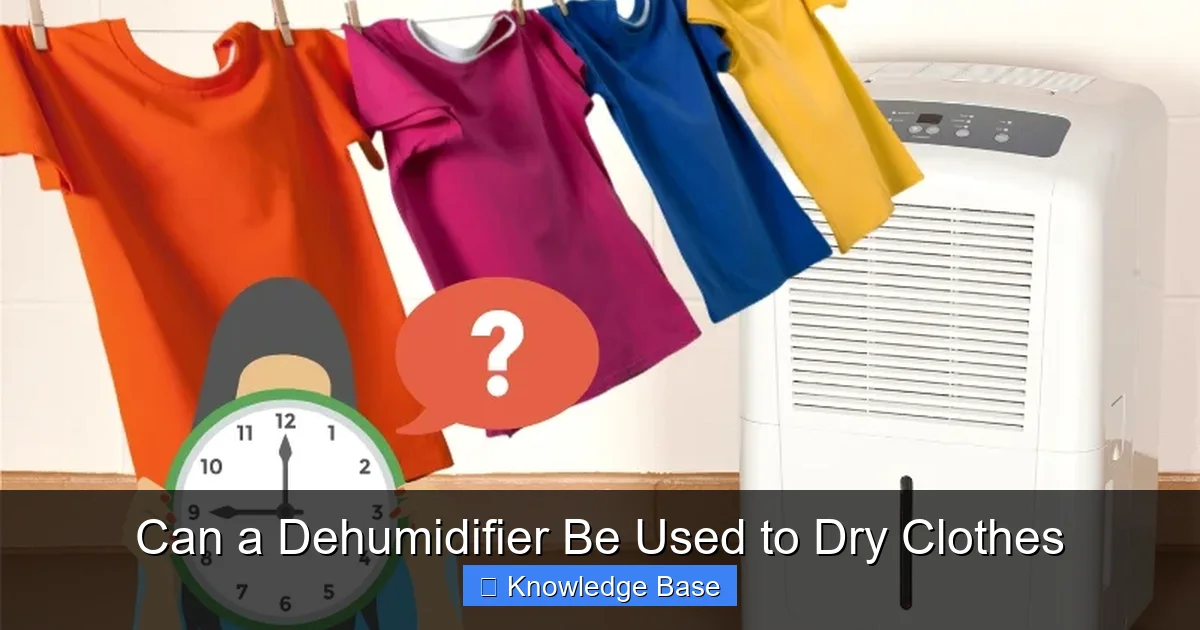
Visual guide about Can a Dehumidifier Be Used to Dry Clothes
Image source: inthewash.co.uk
To understand how a dehumidifier can dry clothes, it helps to know a little about how evaporation works. When clothes are wet, water molecules cling to the fabric. For those molecules to escape into the air—what we call drying—they need energy, usually in the form of heat or airflow. But there’s another key factor: the humidity level of the surrounding air.
If the air is already saturated with moisture (high humidity), it’s harder for water to evaporate from your clothes. Think of it like trying to dry off with a wet towel—it just doesn’t work. But if the air is dry, water molecules can more easily jump from your clothes into the air. That’s where the dehumidifier comes in.
The Science of Evaporation and Humidity
Evaporation happens when water changes from a liquid to a gas (water vapor). This process is faster when the air is dry because there’s “room” for more moisture. A dehumidifier removes excess moisture from the air, lowering the relative humidity. As the air becomes drier, it pulls moisture from wet surfaces—including your clothes—more effectively.
For example, imagine hanging a wet shirt in a bathroom after a hot shower. The air is thick with steam, and the shirt stays damp for hours. Now, imagine running a dehumidifier in that same bathroom. The machine pulls moisture from the air, creating a drier environment. The shirt dries faster because the air is actively “sucking” moisture out of the fabric.
How the Dehumidifier Creates a Drying Environment
Most dehumidifiers work by drawing in humid air, passing it over cold coils to condense the moisture into water (which collects in a tank or drains out), and then releasing dry, warm air back into the room. This cycle continuously reduces humidity levels.
When you hang wet clothes in a room with a running dehumidifier, you’re essentially creating a controlled drying chamber. The dry air circulates around the clothes, absorbing moisture as it evaporates. Over time, this process dries your laundry—often faster than passive air-drying, especially in humid conditions.
It’s important to note that the dehumidifier doesn’t “blow” air onto the clothes like a fan or dryer. Instead, it changes the air quality, making it more receptive to moisture. This is why airflow still matters—you’ll want to hang clothes with space between them so air can circulate.
Real-World Example: Drying Clothes in a Closet
Let’s say you’ve just washed a small load of delicates—silk blouses, wool sweaters, or baby clothes—that you don’t want to put in the dryer. You hang them on a drying rack inside a walk-in closet. Normally, they might take 24–48 hours to dry, especially if your home is humid.
Now, place a compact dehumidifier inside the closet, close the door, and let it run. Within 6–12 hours, your clothes are dry. Why? Because the dehumidifier has lowered the humidity inside the closet, creating ideal conditions for evaporation. The enclosed space traps the dry air, maximizing efficiency.
This method is especially useful in winter, when indoor heating can make the air dry but cold—slowing evaporation. The dehumidifier adds warmth as a byproduct of its operation, further speeding up drying.
Benefits of Using a Dehumidifier to Dry Clothes
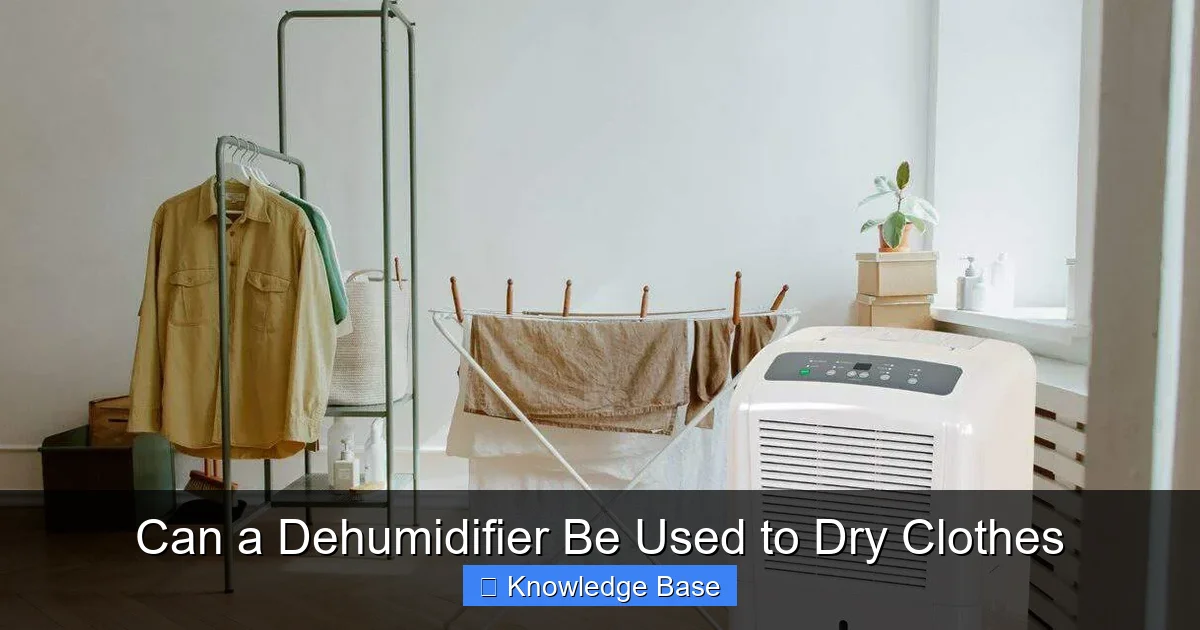
Visual guide about Can a Dehumidifier Be Used to Dry Clothes
Image source: cdn.shortpixel.ai
Using a dehumidifier to dry clothes isn’t just a clever hack—it comes with a range of real benefits that make it a worthwhile addition to your laundry routine. Whether you’re looking to save money, protect your clothes, or improve indoor air quality, this method checks a lot of boxes.
Energy Efficiency and Cost Savings
One of the biggest advantages is energy efficiency. Electric clothes dryers are among the most energy-hungry appliances in the home. According to the U.S. Department of Energy, a typical dryer uses about 3,000 watts per hour—roughly the same as running a microwave, toaster, and coffee maker all at once.
In contrast, most dehumidifiers use between 200 and 750 watts, depending on size and model. Even if you run it for several hours, the total energy consumption is often less than a single dryer cycle. Over time, this can lead to noticeable savings on your electricity bill—especially if you do multiple loads per week.
For example, if you dry five loads a week using a dryer, you could be spending $50–$100 extra per year on electricity. Switching to a dehumidifier for some or all of those loads can cut that cost significantly.
Gentle on Fabrics and Extends Clothing Life
Heat is the enemy of fabric. Tumble dryers use high heat to evaporate moisture, which can weaken fibers, cause shrinkage, fade colors, and damage delicate materials like lace, spandex, or wool. Over time, this wear and tear shortens the lifespan of your clothes.
Drying clothes with a dehumidifier is a form of air-drying—just accelerated. There’s no heat involved, so your clothes retain their shape, color, and softness. This is especially beneficial for:
– Delicates (silk, lingerie, cashmere)
– Activewear (moisture-wicking fabrics)
– Baby clothes (sensitive skin)
– Vintage or sentimental items
You’ll also avoid the static cling and stiffness that often come with machine drying.
Prevents Mold, Mildew, and Odors
Leaving wet clothes to dry in a poorly ventilated room can lead to musty smells, mold, and mildew. These not only ruin your clothes but can also affect indoor air quality and trigger allergies or respiratory issues.
A dehumidifier actively removes moisture from the air, reducing the risk of mold growth. This is especially important in basements, bathrooms, or laundry closets—areas prone to dampness. By keeping humidity levels below 50%, you create an environment where mold and mildew can’t thrive.
Plus, because clothes dry faster, there’s less chance for bacteria to grow, which means fresher-smelling laundry.
Ideal for Small Spaces and Renters
If you live in an apartment, condo, or tiny home, you might not have access to outdoor drying space or a dryer hookup. Hanging clothes on a balcony might not be allowed, or it could be too windy, rainy, or polluted.
A dehumidifier offers a compact, indoor solution. You can dry clothes in a bathroom, closet, or even a spare room—no outdoor space required. Many modern dehumidifiers are quiet, portable, and energy-efficient, making them perfect for small living spaces.
Eco-Friendly and Sustainable
Reducing energy consumption isn’t just good for your wallet—it’s good for the planet. By using a dehumidifier instead of a dryer, you’re lowering your carbon footprint. Plus, air-drying clothes reduces wear and tear, meaning you’ll need to replace them less often, cutting down on textile waste.
It’s a small change that adds up. According to the EPA, the average American household does about 300 loads of laundry per year. If even half of those were dried using a dehumidifier instead of a dryer, the energy savings would be substantial.
How to Use a Dehumidifier to Dry Clothes: Step-by-Step Guide
Now that you know the benefits, let’s talk about how to actually use a dehumidifier to dry clothes effectively. It’s not as simple as just turning it on and hanging up your laundry—there are a few best practices to follow for the best results.
Choose the Right Space
The key to success is creating a small, enclosed drying area. The smaller the space, the faster the dehumidifier can reduce humidity and dry your clothes. Ideal locations include:
– A bathroom (with the door closed)
– A walk-in closet
– A spare room or laundry nook
– A large wardrobe with ventilation
Avoid large, open areas like living rooms or bedrooms—unless you have a very powerful dehumidifier, it will take much longer to dry clothes.
Prepare Your Clothes
Before hanging, give your clothes a good spin in the washer. The more water you remove mechanically, the less the dehumidifier has to do. Use the highest spin speed your machine allows.
Shake out each item to prevent wrinkles and ensure even drying. Hang clothes on a drying rack, clothesline, or hangers with space between them. Overcrowding slows airflow and reduces drying efficiency.
Set Up the Dehumidifier
Place the dehumidifier in the center of the room or near the drying area. Make sure it’s on a flat, stable surface and not blocked by furniture or curtains.
If your model has a drain hose option, consider using it to avoid emptying the water tank frequently. Otherwise, check the tank every few hours, especially during heavy use.
Set the humidity level to around 40–50%. Most dehumidifiers have a built-in humidistat that lets you choose your target. Lower settings will dry clothes faster but use more energy.
Ensure Proper Airflow
Even though the dehumidifier doesn’t blow air directly, airflow still matters. Open windows slightly if outdoor humidity is low, or use a small fan to circulate air within the room. This helps distribute dry air evenly and speeds up evaporation.
Avoid sealing the room completely—some air exchange is healthy and prevents the space from becoming too stagnant.
Monitor Drying Time
Drying time depends on several factors:
– Size of the load
– Fabric type (cotton dries faster than wool)
– Initial moisture level
– Room temperature and humidity
As a general rule:
– Light loads (towels, t-shirts): 4–8 hours
– Medium loads (jeans, sweaters): 8–12 hours
– Heavy or bulky items (blankets, bathrobes): 12–24 hours
Check clothes periodically. They’re done when they feel dry to the touch and no longer smell damp.
Safety Tips
– Never leave a dehumidifier running unattended for long periods. Most modern models have auto-shutoff features, but it’s still wise to check on it.
– Keep the unit away from water sources to avoid electrical hazards.
– Clean the filter regularly (every 2–4 weeks) to maintain efficiency.
– Don’t overload the space—too many wet clothes can overwhelm the dehumidifier and slow drying.
Limitations and Things to Consider
While using a dehumidifier to dry clothes has many advantages, it’s not a perfect solution for every situation. It’s important to understand its limitations so you can decide when it’s the right choice—and when it’s not.
Not Ideal for Large or Heavy Loads
A dehumidifier works best with small to medium loads. If you try to dry a full washer’s worth of heavy towels or blankets in a small room, it could take 24 hours or more—and the dehumidifier might struggle to keep up.
For large loads, consider splitting them into smaller batches or using a combination of methods (e.g., partial drying in the dryer, then finishing with the dehumidifier).
Time-Consuming Compared to Dryers
Even under ideal conditions, drying clothes with a dehumidifier takes longer than using a tumble dryer. While a dryer might finish a load in 45–60 minutes, the dehumidifier method can take several hours.
This isn’t necessarily a bad thing—many people appreciate the slower, gentler process. But if you’re in a rush, it might not be the best option.
Depends on Initial Humidity Levels
If your home is already very humid (above 60%), the dehumidifier will have to work harder to dry the air—and your clothes. In extreme cases, it might not be effective at all.
For best results, use this method when outdoor humidity is low, or run the dehumidifier in advance to pre-dry the room.
Noise and Space Requirements
Dehumidifiers aren’t silent. Most produce a low hum or fan noise, which can be distracting if used in a bedroom or living area. Choose a quiet model (look for decibel ratings under 50 dB) if noise is a concern.
Also, you’ll need space for both the dehumidifier and the drying rack. In very small apartments, this might be a challenge.
Not a Replacement for All Drying Needs
While great for everyday clothes, a dehumidifier isn’t ideal for items that need thorough drying quickly—like workout clothes after a sweaty session or baby bottles that need sterilizing. For those, a dryer or air-drying with a fan might be better.
Best Dehumidifiers for Drying Clothes
Not all dehumidifiers are created equal when it comes to drying clothes. Here are a few features to look for:
– **Capacity:** 30–50 pints per day is ideal for most homes.
– **Compact Size:** Look for portable models that fit in small spaces.
– **Auto-Humidistat:** Lets you set and maintain your desired humidity level.
– **Continuous Drain Option:** Allows you to hose out water without emptying the tank.
– **Quiet Operation:** Under 50 dB for use in living areas.
– **Energy Star Certified:** Ensures energy efficiency.
Popular models include the hOmeLabs 4,500 Sq. Ft Dehumidifier, Frigidaire FFAD7033R1, and Eva-Dry E-333 Mini Dehumidifier for smaller spaces.
Conclusion: Is a Dehumidifier Right for Your Laundry Routine?
So, can a dehumidifier be used to dry clothes? Absolutely. It’s a smart, efficient, and gentle way to dry laundry indoors—especially when outdoor drying isn’t an option. By lowering humidity and promoting evaporation, a dehumidifier can significantly speed up the drying process while protecting your clothes and improving indoor air quality.
It’s not a one-size-fits-all solution, but for many households, it’s a game-changer. Whether you’re dealing with rainy weather, living in a humid climate, or simply trying to reduce energy use, this method offers a practical alternative to traditional drying.
With the right setup—small space, good airflow, and proper load size—you can enjoy fresher, longer-lasting clothes and lower utility bills. Give it a try next time you’re stuck with a damp load and no dryer in sight. You might just find your new favorite laundry hack.
Frequently Asked Questions
How long does it take to dry clothes with a dehumidifier?
Drying time varies based on load size, fabric, and humidity, but most clothes dry in 4–12 hours. Light fabrics dry faster, while heavy items may take up to 24 hours.
Do I need a special dehumidifier to dry clothes?
No, any standard dehumidifier will work. Look for one with a humidistat, good capacity, and quiet operation for best results in a living space.
Can I use a dehumidifier in a closet to dry clothes?
Yes, a closet is an excellent place to dry clothes with a dehumidifier. Just ensure the door is closed and the unit is placed inside or near the drying rack.
Will drying clothes with a dehumidifier cause mold?
No—in fact, it helps prevent mold by reducing humidity. Mold grows in damp, stagnant air, which the dehumidifier actively removes.
Can I use a dehumidifier and a fan together?
Yes, using a small fan to circulate air can improve drying efficiency. The fan helps distribute dry air evenly around the clothes.
Is it better to use a dehumidifier or a dryer?
It depends on your needs. A dehumidifier is gentler on clothes, more energy-efficient, and better for indoor air quality, while a dryer is faster for large or urgent loads.