
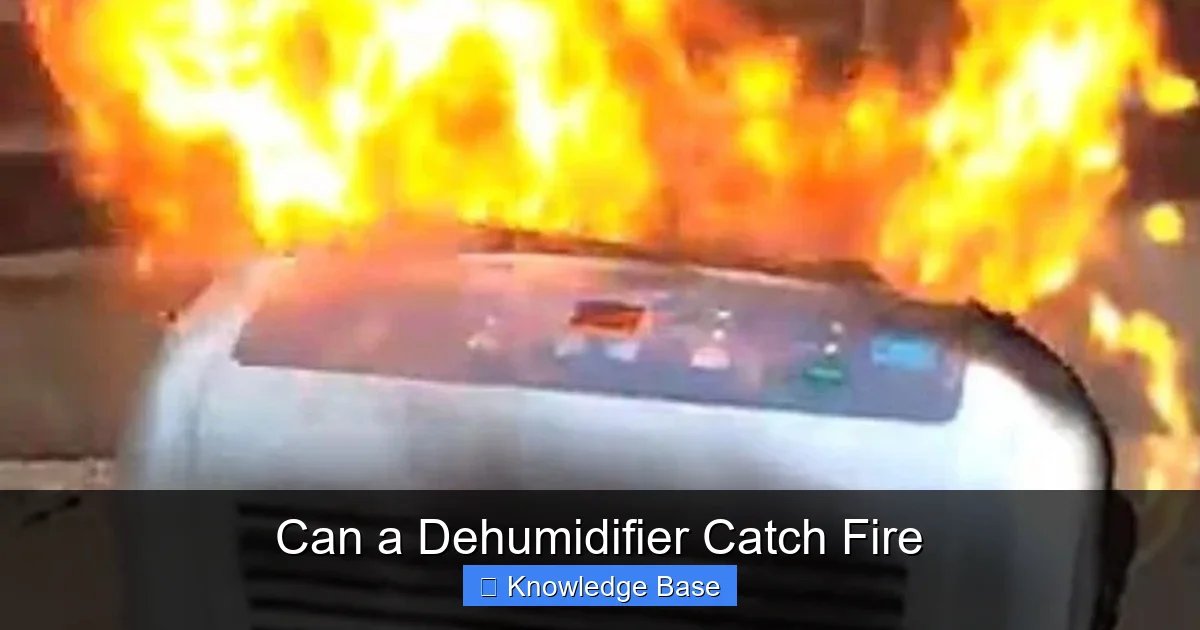
While rare, dehumidifier fires can happen due to electrical faults, overheating, or poor maintenance. Understanding the causes and following safety guidelines significantly reduces the risk of fire and ensures safe, long-term use.
Key Takeaways
- Dehumidifier fires are rare but possible: Most units are safe when used correctly, but malfunctions can lead to overheating or electrical fires.
- Electrical issues are a leading cause: Faulty wiring, damaged cords, or power surges can spark fires, especially in older models.
- Overheating from blocked airflow increases risk: Dust buildup, clogged filters, or restricted vents can cause the compressor to overheat.
- Refrigerant leaks may contribute to fire hazards: While not flammable themselves, leaks can damage components and create unsafe conditions.
- Regular maintenance prevents most problems: Cleaning filters, checking cords, and proper placement go a long way in fire prevention.
- Choose certified, well-reviewed models: Look for UL or ETL certification and avoid cheap, uncertified units with poor safety records.
- Unplug when not in use for extended periods: This reduces electrical stress and minimizes fire risk during long absences.
Quick Answers to Common Questions
Can a dehumidifier catch fire if left on overnight?
Yes, but it’s unlikely if the unit is well-maintained and functioning properly. Modern dehumidifiers have safety features like thermal cutoffs to prevent overheating. However, never leave a damaged or recalled unit running unattended.
How often should I clean my dehumidifier filter?
Clean the air filter every 4–6 weeks, or more often in dusty environments or homes with pets. A clean filter ensures proper airflow and reduces the risk of overheating.
Is it safe to use a dehumidifier in a basement?
Yes, basements are common places for dehumidifiers. Just ensure the unit is placed on a flat, stable surface with good ventilation and away from walls or stored items.
Can a power surge cause a dehumidifier to catch fire?
Yes, power surges can damage internal components and lead to electrical fires. Use a surge protector and avoid overloading circuits to reduce this risk.
Should I unplug my dehumidifier when I go on vacation?
Yes, it’s a good safety practice. Unplugging reduces electrical stress and eliminates the risk of fire while you’re away. If you use a drain hose, you may leave it on, but unplugging is safer.
📑 Table of Contents
- Can a Dehumidifier Catch Fire? Understanding the Real Risks
- How Dehumidifiers Work and Why They Can Overheat
- Electrical Faults: The Leading Cause of Dehumidifier Fires
- Manufacturing Defects and Recalled Models
- Maintenance and Usage Tips to Prevent Fires
- Signs Your Dehumidifier Might Be a Fire Risk
- Choosing a Safe Dehumidifier: What to Look For
- What to Do If Your Dehumidifier Catches Fire
- Conclusion: Stay Safe, Stay Smart
Can a Dehumidifier Catch Fire? Understanding the Real Risks
You’ve probably heard the occasional news story about household appliances catching fire—microwaves, dryers, even coffee makers. But what about dehumidifiers? These quiet, hardworking devices sit in basements, laundry rooms, or crawl spaces, pulling moisture from the air to prevent mold, musty smells, and structural damage. They’re essential in humid climates or damp homes. But can a dehumidifier catch fire?
The short answer is: yes, it’s possible—but it’s also very rare. Most dehumidifiers are designed with multiple safety features to prevent overheating and electrical faults. However, like any electrical appliance, they aren’t completely risk-free. Fires can occur due to manufacturing defects, poor maintenance, or improper use. The good news? Most of these risks are preventable with awareness and care.
In this guide, we’ll explore the real dangers, common causes, and practical steps you can take to keep your dehumidifier—and your home—safe. Whether you’re using a compact 30-pint unit in a closet or a heavy-duty 70-pint model in a basement, understanding fire risks helps you make smarter, safer choices.
How Dehumidifiers Work and Why They Can Overheat
Visual guide about Can a Dehumidifier Catch Fire
Image source: carpetcleaningforce.co.nz
To understand fire risks, it helps to know how dehumidifiers function. Most residential dehumidifiers use a refrigeration cycle, similar to an air conditioner. Here’s a simplified breakdown:
– A fan pulls humid air into the unit.
– The air passes over cold coils, causing moisture to condense into water, which drips into a collection tank or drains out.
– The now-dry air passes over warm coils to reheat it slightly before being expelled back into the room.
– A compressor and refrigerant gas drive this cooling and reheating process.
This cycle generates heat—especially in the compressor and motor. Under normal conditions, built-in fans and heat exchangers dissipate this heat safely. But when airflow is blocked or components wear out, heat can build up faster than it can escape.
Common Overheating Triggers
Several factors can cause a dehumidifier to overheat:
– Clogged air filters: Dust and debris block airflow, forcing the fan and compressor to work harder.
– Blocked vents or coils: Furniture, curtains, or storage items placed too close to the unit restrict ventilation.
– Dirty condenser coils: Over time, coils collect dust and grime, reducing heat transfer efficiency.
– Faulty thermostats or sensors: These may fail to shut off the unit when temperatures rise too high.
– Overuse in high-humidity environments: Running a small unit in a very damp space for days on end can strain the system.
When overheating occurs, internal components like wiring, capacitors, or the compressor can degrade. In extreme cases, this can lead to sparks, melting insulation, or even flames.
Electrical Faults: The Leading Cause of Dehumidifier Fires

Visual guide about Can a Dehumidifier Catch Fire
Image source: dehumidifierhireauckland.co.nz
Electrical problems are the most common cause of dehumidifier fires. These issues often stem from design flaws, manufacturing defects, or wear and tear over time.
Damaged Power Cords and Plugs
Frayed, cracked, or chewed power cords are a major fire hazard. If the inner wires are exposed, they can short-circuit when they touch each other or a conductive surface. This creates sparks that can ignite nearby materials like carpet, insulation, or dust.
Example: Imagine your dehumidifier is plugged into an outlet behind a washing machine. Over time, vibrations from the washer cause the cord to rub against a sharp edge. The insulation wears down, and one day, the live and neutral wires touch. A spark flies, igniting lint buildup around the unit.
To prevent this, always inspect the power cord regularly. Look for cracks, exposed wires, or burn marks near the plug. Never run cords under rugs or through doorways where they can be pinched or damaged.
Faulty Internal Wiring and Components
Inside the dehumidifier, wires connect the motor, compressor, thermostat, and control board. If these connections loosen or corrode, they can create resistance, leading to overheating at the connection point.
Capacitors, which help start the compressor, are especially prone to failure. A failing capacitor may overheat, leak electrolyte, or even explode. While rare, such failures can ignite nearby flammable materials.
Tip: If your dehumidifier makes unusual buzzing, clicking, or burning smells, unplug it immediately and have it inspected by a professional.
Power Surges and Overloaded Circuits
Dehumidifiers draw significant power when the compressor kicks on. If your home’s electrical system is outdated or the circuit is overloaded, this surge can stress the unit’s internal components.
Using a dehumidifier on the same circuit as high-wattage appliances like space heaters or microwaves increases the risk of overloading. This can cause overheating in the wiring or the dehumidifier itself.
Solution: Plug your dehumidifier into a dedicated outlet on a circuit with sufficient capacity. Consider using a surge protector to guard against voltage spikes.
Manufacturing Defects and Recalled Models
Not all dehumidifier fires are due to user error. Some result from design flaws or manufacturing defects. In fact, several major brands have issued recalls over the years due to fire risks.
Notable Dehumidifier Recalls
One of the most significant recalls involved over 2 million units from brands like Frigidaire, GE, and Kenmore between 2013 and 2014. The U.S. Consumer Product Safety Commission (CPSC) found that the compressors in these models could overheat, posing a fire and burn hazard. Many of these units were manufactured by a single supplier and shared similar internal designs.
Another recall in 2020 involved certain Midea-brand dehumidifiers due to overheating compressors that could catch fire. These units were sold at major retailers like Home Depot and Lowe’s.
How to Check if Your Dehumidifier Is Recalled
If you own a dehumidifier, it’s wise to check for recalls—even years after purchase. Here’s how:
– Visit the CPSC website (cpsc.gov) and search for “dehumidifier recalls.”
– Enter your model number (usually found on a label on the back or bottom of the unit).
– Sign up for recall alerts to stay informed about future issues.
If your model is recalled, the manufacturer typically offers a free repair, replacement, or refund. Never continue using a recalled unit—even if it seems to work fine.
Maintenance and Usage Tips to Prevent Fires
The best way to prevent a dehumidifier fire is through regular maintenance and smart usage habits. Most problems arise not from the appliance itself, but from neglect or misuse.
Clean the Air Filter Monthly
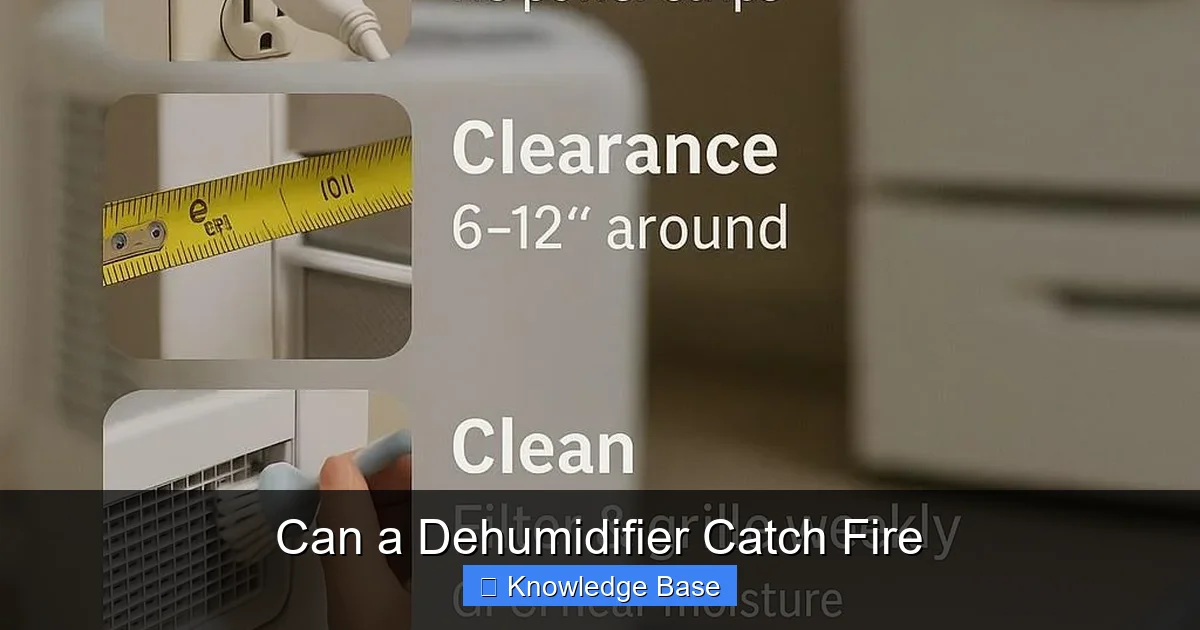
The air filter traps dust, pet hair, and other particles. A dirty filter restricts airflow, causing the unit to work harder and overheat.
How to clean it:
– Unplug the dehumidifier.
– Remove the filter (usually behind a front panel).
– Rinse it under warm water or vacuum it.
– Let it dry completely before reinserting.
For homes with pets or high dust levels, check the filter every two weeks.
Keep Vents and Coils Clear
Ensure at least 6–12 inches of clearance around all sides of the dehumidifier. Don’t place it against walls, furniture, or curtains. This allows proper airflow and prevents heat buildup.
Also, clean the condenser coils annually. Use a soft brush or coil cleaner spray to remove dust and debris. Dirty coils reduce efficiency and increase the risk of overheating.
Empty the Water Tank Regularly
Most dehumidifiers have a float switch that shuts off the unit when the tank is full. But if the switch fails or the tank overflows, water can damage internal components or create a short circuit.
Tip: If you’re away for more than a day, use a continuous drain hose instead of relying on the tank. This prevents overflow and reduces the need for frequent emptying.
Inspect the Power Cord and Plug
Every few months, check the power cord for damage. Look for:
– Fraying or exposed wires
– Burn marks near the plug
– Loose connections
If you notice any issues, stop using the unit and replace the cord or have it repaired by a qualified technician.
Avoid Overloading Circuits
Dehumidifiers typically use 300–800 watts, depending on size. Avoid plugging them into power strips or extension cords, which can overheat under high load. Instead, use a wall outlet on a dedicated circuit.
Signs Your Dehumidifier Might Be a Fire Risk
Even with proper care, problems can develop. Watch for these warning signs:
– Burning smell: A strong odor of burning plastic or rubber indicates overheating or electrical failure.
– Unusual noises: Grinding, buzzing, or clicking sounds may signal a failing motor or capacitor.
– Excessive heat: If the unit feels unusually hot to the touch, especially near the back or sides, it may be overheating.
– Frequent shutdowns: If the dehumidifier turns off unexpectedly, it could be due to a thermal cutoff switch activating—a sign of overheating.
– Visible damage: Cracks, melted plastic, or scorch marks are clear red flags.
If you notice any of these signs, unplug the unit immediately and stop using it. Have it inspected by a professional or consider replacing it.
Choosing a Safe Dehumidifier: What to Look For
Not all dehumidifiers are created equal. When shopping for a new unit, prioritize safety features and reputable brands.
Safety Certifications
Look for units certified by independent testing labs such as:
– UL (Underwriters Laboratories)
– ETL (Intertek)
– CSA (Canadian Standards Association)
These certifications mean the product has been tested for electrical and fire safety.
Built-in Safety Features
Modern dehumidifiers often include:
– Thermal cutoff switches: Automatically shut off the unit if it overheats.
– Automatic defrost: Prevents ice buildup on coils in cold environments.
– Tip-over protection: Shuts off the unit if it’s knocked over (common in portable models).
– Child lock: Prevents accidental changes to settings.
Brand Reputation and Reviews
Stick with well-known brands like Frigidaire, Honeywell, GE, or Tosot. Read customer reviews, especially those mentioning long-term reliability and safety. Avoid extremely cheap, no-name brands that may cut corners on materials and safety.
What to Do If Your Dehumidifier Catches Fire
In the unlikely event of a fire, your safety comes first.
Immediate Steps
1. Unplug the unit if safe to do so. Only attempt this if the fire is small and you can reach the plug without risk.
2. Use a Class C fire extinguisher. This type is designed for electrical fires. Never use water—it can conduct electricity and worsen the situation.
3. Evacuate and call 911. If the fire spreads or you’re unsure, leave immediately and call for help.
After the Fire
– Do not attempt to repair or reuse a fire-damaged dehumidifier.
– Contact your insurance company to report the incident.
– Keep records of the model, purchase date, and any maintenance for potential warranty or recall claims.
Conclusion: Stay Safe, Stay Smart
So, can a dehumidifier catch fire? Yes—but with proper care and attention, the risk is extremely low. Most fires result from preventable issues like clogged filters, damaged cords, or using recalled models. By choosing a certified unit, performing regular maintenance, and staying alert to warning signs, you can enjoy the benefits of a dehumidifier without worry.
Think of your dehumidifier like any other essential appliance: it needs a little TLC to keep running safely. Clean the filter, check the cord, give it space to breathe, and don’t ignore strange smells or sounds. These simple habits go a long way in preventing problems before they start.
Remember, safety isn’t just about avoiding fires—it’s about peace of mind. When your dehumidifier runs quietly and efficiently, you know your home is protected from moisture and mold. And with the right precautions, you can rest easy knowing it’s not a hidden fire hazard.
Invest in quality, maintain regularly, and stay informed. Your home—and your family—will thank you.
Frequently Asked Questions
Are dehumidifier fires common?
No, dehumidifier fires are very rare. Most units are designed with multiple safety features to prevent overheating and electrical faults. However, they can occur due to defects, poor maintenance, or misuse.
What causes a dehumidifier to overheat?
Overheating is usually caused by blocked airflow (from dirty filters or restricted vents), dirty coils, or electrical issues like faulty wiring or capacitors. Regular cleaning and inspection help prevent this.
Can a dehumidifier explode?
While extremely rare, a failing capacitor or compressor could potentially rupture under pressure. However, modern units have safety valves and cutoffs to prevent explosions. Proper maintenance minimizes this risk.
How can I tell if my dehumidifier is unsafe?
Warning signs include burning smells, unusual noises, excessive heat, frequent shutdowns, or visible damage like cracks or scorch marks. If you notice any of these, stop using the unit immediately.
Do all dehumidifiers have fire safety features?
Most modern, certified models include safety features like thermal cutoffs, automatic shutoff, and tip-over protection. Always check for UL or ETL certification to ensure safety standards are met.
Can I repair a dehumidifier that overheated?
It depends on the damage. Minor issues like a dirty filter or clogged coil can be fixed. However, if there’s electrical damage, burnt components, or signs of fire, it’s safer to replace the unit entirely.