

While dehumidifiers are essential for reducing excess moisture, running them excessively or in already dry environments can strip the air of necessary humidity, leading to discomfort and health issues. Understanding ideal humidity levels and proper usage helps maintain a balanced, healthy indoor environment.
Key Takeaways
- Dehumidifiers can over-dry air: If used improperly or in dry climates, they may lower humidity below the recommended 30–50% range.
- Low humidity causes health issues: Dry air can irritate skin, eyes, and respiratory passages, worsening allergies and asthma.
- Ideal indoor humidity is 30–50%: This range prevents mold growth while keeping air comfortable and breathable.
- Use a hygrometer to monitor levels: Regular checks help you adjust dehumidifier settings and avoid over-drying.
- Smart dehumidifiers offer better control: Models with auto-humidity sensors adjust output automatically for balanced air.
- Supplement with humidifiers if needed: In very dry conditions, a humidifier can restore moisture lost from dehumidifier use.
- Proper placement and maintenance matter: Correct setup and cleaning ensure efficient, balanced operation.
Quick Answers to Common Questions
Can a dehumidifier make the air too dry?
Yes, especially if used excessively or in already dry environments. It can lower humidity below 30%, causing discomfort and health issues.
What is the ideal indoor humidity level?
The ideal range is 30–50%. This prevents mold and allergens while keeping air comfortable and breathable.
How can I tell if my air is too dry?
Signs include dry skin, chapped lips, static shocks, sore throat, and cracking wood furniture.
Should I use a dehumidifier in winter?
Only if indoor humidity is high. Winter heating often dries the air, so a dehumidifier may not be needed.
Can I use a dehumidifier and humidifier at the same time?
Yes, but in different areas. Monitor humidity levels to ensure balance and avoid overcorrection.
📑 Table of Contents
- Can a Dehumidifier Cause Air Too Dry?
- How Dehumidifiers Work and Their Impact on Air
- Signs Your Air Is Too Dry from a Dehumidifier
- Ideal Indoor Humidity Levels and Health Impacts
- How to Prevent Your Dehumidifier from Over-Drying the Air
- Smart Dehumidifiers and Advanced Features
- When to Use a Dehumidifier vs. a Humidifier
- Maintenance Tips to Ensure Balanced Operation
- Conclusion
Can a Dehumidifier Cause Air Too Dry?
If you’ve ever walked into a room and felt your skin tighten, your throat get scratchy, or your lips start to chap, you might have experienced the effects of overly dry air. While dehumidifiers are fantastic tools for fighting dampness, mold, and musty odors, they come with a potential downside: they can make the air *too* dry if not used correctly.
Dehumidifiers work by pulling moisture from the air, collecting it in a tank or draining it away. This is great in humid climates or during rainy seasons when excess moisture leads to condensation, mildew, and dust mites. But in dry environments—or if the unit runs nonstop—it can strip the air of too much moisture, creating an uncomfortable and even unhealthy indoor atmosphere.
The key is balance. Just like Goldilocks, your home’s humidity shouldn’t be too high or too low—it should be just right. In this article, we’ll explore how dehumidifiers affect indoor air, the risks of over-drying, and practical tips to keep your home’s humidity in the sweet spot. Whether you’re dealing with a damp basement or a humid summer, understanding how to use your dehumidifier wisely will help you breathe easier—literally.
How Dehumidifiers Work and Their Impact on Air
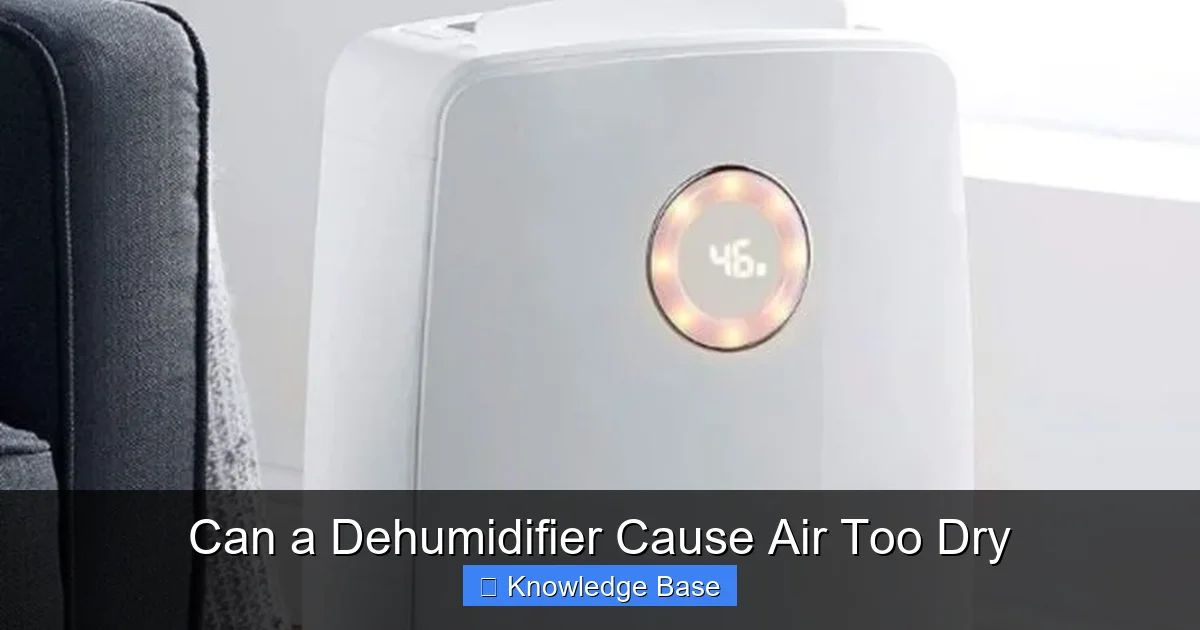
Visual guide about Can a Dehumidifier Cause Air Too Dry
Image source: i.pinimg.com
To understand whether a dehumidifier can make air too dry, it helps to know how these devices function. Most residential dehumidifiers use a refrigeration-based system. Here’s a simple breakdown:
The Dehumidification Process
Warm, moist air is drawn into the unit by a fan. As the air passes over cold coils (similar to an air conditioner), the moisture condenses into water droplets. These droplets collect in a removable tank or are drained through a hose. The now-drier air is reheated slightly and blown back into the room.
This process effectively lowers the relative humidity (RH)—the amount of moisture in the air compared to what it can hold at that temperature. For example, if the RH is 70%, the air feels sticky and promotes mold growth. A dehumidifier can bring it down to a more comfortable 45%, which is ideal for most homes.
Why Humidity Levels Matter
Relative humidity isn’t just about comfort—it affects your health, your home, and even your belongings. High humidity encourages dust mites, mold, and bacteria. Low humidity, on the other hand, dries out mucous membranes, increases static electricity, and can damage wood furniture or musical instruments.
The Environmental Protection Agency (EPA) and other health organizations recommend keeping indoor humidity between 30% and 50%. This range strikes a balance: it’s low enough to prevent mold and allergens but high enough to keep your respiratory system and skin healthy.
When Dehumidifiers Go Too Far
Now, here’s the catch: dehumidifiers don’t “know” when to stop. Unless they have a built-in humidistat (a sensor that measures humidity), they’ll keep running until manually turned off. In a damp basement, that might be fine. But in a dry climate—say, during winter when indoor heating already dries the air—running a dehumidifier nonstop can push humidity below 30%.
For example, imagine you live in Arizona, where outdoor humidity averages 20–30%. If your home’s heating system already reduces indoor moisture, adding a dehumidifier could drop levels to 15% or lower. That’s dangerously dry and can cause discomfort and health problems.
Signs Your Air Is Too Dry from a Dehumidifier

Visual guide about Can a Dehumidifier Cause Air Too Dry
Image source: dehumidifierhireauckland.co.nz
How can you tell if your dehumidifier is overdoing it? Look for these common signs of excessively dry indoor air:
Physical Symptoms
– **Dry, itchy skin or chapped lips:** Your skin loses moisture faster in dry air, leading to flakiness and irritation.
– **Irritated eyes or nose:** Dry air can cause a burning sensation in your eyes or a stuffy, dry nose.
– **Sore throat or coughing:** Without enough moisture, your throat’s protective mucus layer dries out, making you more susceptible to irritation and infection.
– **Static shocks:** Low humidity increases static electricity, so you might get zapped when touching doorknobs or electronics.
Home and Environmental Clues
– **Cracking wood:** Furniture, floors, or musical instruments (like pianos or guitars) may warp or crack as they lose moisture.
– **Peeling wallpaper or paint:** Dry air can cause materials to contract and separate from walls.
– **Increased dust:** Dry air holds less moisture, so dust particles stay airborne longer, making your home feel dustier.
– **Difficulty breathing at night:** Some people experience worsened asthma or allergy symptoms in dry conditions.
Practical Example
Let’s say you run a dehumidifier in your bedroom every night during winter. You notice your throat feels scratchy in the morning, your lips are chapped, and your wooden nightstand has developed a small crack. These are red flags that your indoor air is too dry—possibly due to the dehumidifier running unchecked.
In this case, the solution isn’t to ditch the dehumidifier entirely, but to adjust its use. Maybe you only need it during humid months, or perhaps you should lower the humidity setting or use it for shorter periods.
Ideal Indoor Humidity Levels and Health Impacts
Maintaining the right humidity level is crucial for both comfort and health. Let’s break down what happens at different humidity ranges and why the 30–50% sweet spot matters.
Why 30–50% Is the Goldilocks Zone
– **Below 30%:** Air is too dry. This can lead to dry skin, irritated sinuses, increased static, and greater susceptibility to respiratory infections. Viruses like the flu also survive longer in very dry air.
– **30–50%:** This is the ideal range. It prevents mold and dust mites (which thrive above 50%) while keeping your respiratory system and skin hydrated.
– **Above 50%:** Air feels sticky and promotes mold, mildew, and bacterial growth. This can trigger allergies, asthma, and structural damage to your home.
Health Risks of Overly Dry Air
When humidity drops too low, your body pays the price:
– **Respiratory issues:** Dry air can irritate the airways, worsening conditions like asthma, bronchitis, or allergies. It may also make you more prone to colds and sinus infections.
– **Skin problems:** Low humidity accelerates moisture loss from the skin, leading to dryness, eczema flare-ups, and premature aging.
– **Sleep disruption:** Dry nasal passages can cause snoring or mouth breathing at night, reducing sleep quality.
Who’s Most at Risk?
Certain groups are more vulnerable to dry air:
– **Infants and young children:** Their skin is more sensitive, and their respiratory systems are still developing.
– **Older adults:** Skin naturally becomes drier with age, and low humidity can worsen conditions like arthritis or dry eye syndrome.
– **People with chronic illnesses:** Those with asthma, COPD, or autoimmune disorders may experience worsened symptoms in dry environments.
Real-World Impact
A study published in the *Journal of the American Medical Association* found that maintaining indoor humidity between 40% and 60% reduced the survival rate of airborne influenza viruses. However, going below 30% had the opposite effect—viruses remained active longer. This highlights the importance of balance: not too dry, not too damp.
How to Prevent Your Dehumidifier from Over-Drying the Air
The good news? You can enjoy the benefits of a dehumidifier without turning your home into a desert. Here’s how to use it wisely:
Use a Hygrometer to Monitor Humidity
A hygrometer is a small, inexpensive device that measures indoor humidity. Place one in the room where you use your dehumidifier and check it regularly. Aim to keep readings between 30% and 50%. If it drops below 30%, it’s time to adjust your dehumidifier or turn it off.
Choose a Dehumidifier with a Built-In Humidistat
Many modern dehumidifiers come with a humidistat—a sensor that automatically turns the unit on or off based on the current humidity level. Set it to your desired range (e.g., 45%), and the dehumidifier will maintain that level without overworking. This is especially useful in basements or laundry rooms where you can’t monitor it constantly.
Adjust Settings Based on Season and Climate
Your dehumidifier needs will change throughout the year:
– **Summer/humid months:** You may need it running daily to combat high outdoor humidity.
– **Winter/dry months:** Indoor heating already dries the air, so you might only need the dehumidifier occasionally—or not at all.
– **Dry climates:** In places like Colorado or Nevada, outdoor air is naturally dry. Running a dehumidifier may be unnecessary and counterproductive.
Limit Run Time and Use Timers
If your dehumidifier doesn’t have an auto-shutoff, use a timer or run it only when needed. For example, run it for 2–3 hours after a shower or during peak humidity times. Avoid leaving it on 24/7 unless absolutely necessary.
Supplement with a Humidifier if Needed
In very dry conditions—especially during winter—you might need to add moisture back into the air. A small humidifier in your bedroom can counteract the drying effects of both heating systems and dehumidifiers. Look for models with adjustable settings and automatic shutoff to prevent over-humidification.
Maintain Proper Ventilation
Good airflow helps distribute moisture evenly and prevents pockets of overly dry or damp air. Open windows on mild days, use exhaust fans in bathrooms and kitchens, and ensure your HVAC system is balanced.
Practical Tip: The Ice Test
If you’re unsure whether your dehumidifier is working too hard, try the “ice test.” Place a glass of ice water in the room. If condensation forms quickly on the outside, the air is still humid enough. If the glass stays dry, the air may be too dry—time to ease up on the dehumidifier.
Smart Dehumidifiers and Advanced Features
Technology has made dehumidifiers smarter and more user-friendly. If you’re concerned about over-drying, consider upgrading to a model with advanced features.
Auto-Humidity Sensors
These sensors continuously monitor indoor humidity and adjust the dehumidifier’s output accordingly. Some models even connect to smart home systems, allowing you to control them via your phone.
Energy-Saving Modes
Many dehumidifiers now include eco modes that reduce power consumption and prevent overuse. They may run at lower speeds or cycle on and off based on need.
Drainage Options
Instead of emptying a water tank daily, choose a model with a continuous drainage hose. This allows the unit to run longer without manual intervention, but only if humidity levels truly require it.
Air Filtration
Some dehumidifiers include HEPA or activated carbon filters that remove allergens and odors while removing moisture. This is especially helpful in basements or pet-friendly homes.
Example: The Frigidaire FFAD7033R1
This 70-pint dehumidifier features a built-in humidistat, auto-defrost, and a washable filter. Users report it maintains consistent humidity without over-drying, thanks to its precise controls.
When to Use a Dehumidifier vs. a Humidifier
Sometimes, the solution isn’t to stop using your dehumidifier—it’s to add a humidifier to the mix. Here’s how to decide which device you need:
Use a Dehumidifier When:
– You notice condensation on windows.
– There’s a musty smell or visible mold.
– Your hygrometer reads above 50%.
– You live in a humid climate or during rainy seasons.
Use a Humidifier When:
– Your skin, lips, or throat feel dry.
– You experience frequent static shocks.
– Your hygrometer reads below 30%.
– You live in a dry climate or during winter heating months.
Can You Use Both at Once?
Yes—but with caution. Some homes benefit from using a dehumidifier in one area (like a basement) and a humidifier in another (like a bedroom). Just monitor humidity levels in each space to avoid conflicts.
Pro Tip: Zoned Climate Control
If you have a large home, consider a whole-house dehumidifier or humidifier connected to your HVAC system. These systems maintain balanced humidity throughout your entire home, reducing the need for multiple portable units.
Maintenance Tips to Ensure Balanced Operation
Even the best dehumidifier can cause problems if it’s not properly maintained. Follow these tips to keep it running efficiently and safely:
Clean the Filter Monthly
A clogged filter reduces airflow and efficiency, causing the unit to work harder and potentially over-dry the air. Most filters are washable—rinse with warm water and let dry before reinserting.
Empty the Water Tank Regularly
If your model uses a tank, empty it when full to prevent overflow and ensure continuous operation. Some units have auto-shutoff when the tank is full—don’t disable this feature.
Check for Frost or Ice Buildup
In cold environments, the coils can freeze, reducing efficiency. If you see ice, turn off the unit and let it defrost. Use the auto-defrost feature if available.
Inspect the Drain Hose
If using a continuous drain, ensure the hose is not kinked or clogged. A blocked hose can cause water to back up and damage the unit.
Store Properly Off-Season
When not in use (e.g., during dry winter months), clean the unit, empty the tank, and store it in a dry place. Cover it to prevent dust buildup.
Conclusion
So, can a dehumidifier cause air too dry? Absolutely—if it’s used without care or in the wrong environment. But that doesn’t mean you should avoid dehumidifiers altogether. When used correctly, they’re invaluable tools for improving indoor air quality, preventing mold, and enhancing comfort.
The key is awareness and balance. Monitor your home’s humidity with a hygrometer, choose a dehumidifier with smart controls, and adjust usage based on season and climate. If the air feels too dry, consider reducing run time or adding a humidifier to restore moisture.
Remember, your home’s ideal humidity isn’t a fixed number—it’s a dynamic range that changes with the weather, your activities, and your health needs. By staying informed and proactive, you can enjoy the benefits of both dry and moist air—without the downsides.
Breathe easy, stay comfortable, and keep your indoor environment just right.
Frequently Asked Questions
How often should I run my dehumidifier?
It depends on humidity levels. In humid climates, daily use may be needed. In dry areas, run it only when necessary or use a timer.
Do all dehumidifiers have humidity controls?
No. Basic models run continuously until turned off. Look for units with a built-in humidistat for automatic control.
Can low humidity cause nosebleeds?
Yes. Dry air can irritate and crack the nasal lining, leading to nosebleeds, especially in children or dry climates.
Is it safe to sleep with a dehumidifier on?
Yes, if humidity is high. But if the air feels dry, consider lowering the setting or using a humidifier instead.
What’s the difference between a dehumidifier and an air purifier?
A dehumidifier removes moisture; an air purifier removes pollutants like dust and allergens. They serve different purposes but can complement each other.
Can a dehumidifier help with allergies?
Yes, by reducing mold and dust mites. But if it dries the air too much, it may worsen respiratory irritation—balance is key.