
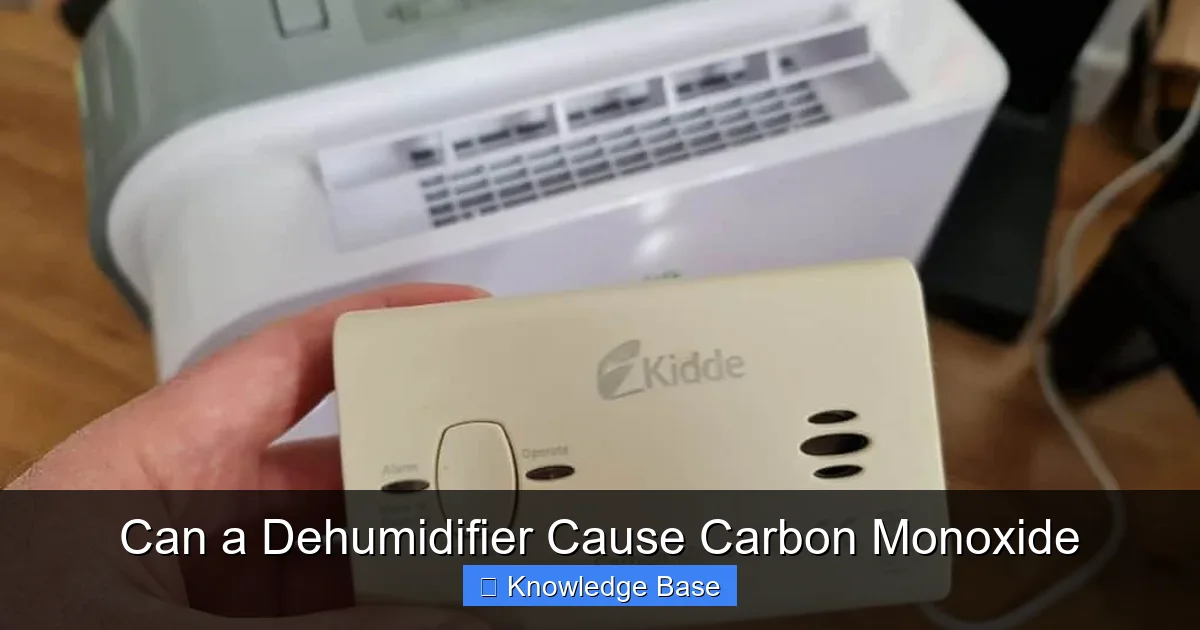
Dehumidifiers do not produce carbon monoxide under normal operation. Unlike fuel-burning appliances, electric dehumidifiers use refrigeration or desiccant technology and lack combustion. However, improper use or damaged units can pose indirect risks—understanding these helps ensure safe, healthy indoor air.
Key Takeaways
- Dehumidifiers do not emit carbon monoxide: Standard electric models use no combustion, so they don’t generate CO during normal use.
- Only fuel-burning devices produce CO: Appliances like gas furnaces, water heaters, or generators are the primary sources of carbon monoxide in homes.
- Damaged wiring or overheating can create fire hazards: While not CO producers, faulty dehumidifiers may overheat and pose electrical risks.
- Ventilation matters even for electric appliances: Running any motorized device in a sealed space can reduce air quality over time.
- CO detectors are essential for all homes: Installing and maintaining carbon monoxide alarms protects against risks from other household appliances.
- Regular maintenance prevents indirect dangers: Cleaning filters and inspecting cords reduces fire and malfunction risks.
- Misinformation spreads easily: Always verify claims about appliance safety with reliable sources like manufacturers or safety agencies.
Quick Answers to Common Questions
Can a dehumidifier produce carbon monoxide?
No, standard electric dehumidifiers do not produce carbon monoxide because they use no combustion—only electricity and mechanical processes.
What appliances actually create carbon monoxide?
Fuel-burning devices like gas furnaces, water heaters, stoves, generators, and fireplaces can produce CO if not properly ventilated or maintained.
Should I worry about my dehumidifier overheating?
Overheating is rare but possible with damaged units. Regular maintenance and avoiding blocked vents reduce this risk significantly.
Do I still need a CO detector if I don’t have gas appliances?
Yes. CO can enter your home from neighboring units, attached garages, or portable generators. Detectors are essential for all homes.
Can a dehumidifier improve indoor air quality?
Absolutely. By reducing humidity, it inhibits mold, dust mites, and mildew—common triggers for allergies and respiratory issues.
📑 Table of Contents
- Can a Dehumidifier Cause Carbon Monoxide? The Straight Answer
- How Dehumidifiers Work: No Combustion, No Carbon Monoxide
- Common Sources of Carbon Monoxide in Homes
- When Dehumidifiers Might Indirectly Contribute to Risk
- Best Practices for Safe Dehumidifier Use
- The Importance of Carbon Monoxide Detectors
- Debunking Common Myths About Dehumidifiers and CO
- Conclusion: Peace of Mind Through Knowledge
Can a Dehumidifier Cause Carbon Monoxide? The Straight Answer
If you’ve ever wondered whether your dehumidifier could be silently releasing carbon monoxide into your home, you’re not alone. With growing awareness about indoor air quality and the dangers of carbon monoxide (CO), it’s natural to question every appliance in your living space. After all, we’ve all heard horror stories about CO poisoning from furnaces, generators, or gas stoves—so why not a dehumidifier?
The short answer is: **no, a standard electric dehumidifier cannot produce carbon monoxide under normal operating conditions.** These devices are designed to remove moisture from the air using either refrigeration coils or desiccant materials—both of which rely on electricity, not combustion. Since carbon monoxide is a byproduct of incomplete combustion of carbon-based fuels (like gas, oil, wood, or propane), appliances that don’t burn fuel simply don’t have the mechanism to create CO.
That said, it’s important not to dismiss concerns outright. While dehumidifiers themselves aren’t CO producers, there are scenarios—rare but possible—where their use might indirectly contribute to unsafe indoor air conditions. For example, if a dehumidifier is placed near a fuel-burning appliance or if it malfunctions in a way that causes overheating, it could exacerbate existing risks. Understanding these nuances helps you make informed decisions about appliance placement, maintenance, and overall home safety.
In this article, we’ll break down exactly how dehumidifiers work, why they don’t emit carbon monoxide, what *can* produce CO in your home, and how to use your dehumidifier safely. We’ll also address common myths, share practical tips, and explain why carbon monoxide detectors remain a must-have—even if you don’t own any gas appliances.
How Dehumidifiers Work: No Combustion, No Carbon Monoxide

Visual guide about Can a Dehumidifier Cause Carbon Monoxide
Image source: homeinspectioninsider.com
To understand why dehumidifiers don’t produce carbon monoxide, it helps to know how they actually function. Most residential dehumidifiers fall into two main categories: refrigerant-based (also called compressor dehumidifiers) and desiccant dehumidifiers. Both types operate using electricity and mechanical processes—not flames or fuel combustion.
Refrigerant-Based Dehumidifiers
These are the most common type found in homes. They work similarly to air conditioners. A fan pulls humid air into the unit, where it passes over cold coils. As the air cools, moisture condenses into water droplets, which collect in a built-in tank or drain hose. The drier air is then reheated slightly and released back into the room.
This entire process is purely mechanical and electrical. There’s no burning of fuel, no open flame, and no exhaust gases. The only emissions are water vapor (which is collected) and a small amount of heat from the motor and compressor. Nothing in this cycle produces carbon monoxide.
Desiccant Dehumidifiers
Desiccant models use a moisture-absorbing material (often silica gel) to pull water from the air. These units are common in colder climates or in spaces where refrigerant units are less efficient. They typically include a heating element to regenerate the desiccant material so it can continue absorbing moisture.
Again, while there’s a heating element involved, it’s electric—not combustion-based. The heat is used internally to dry the desiccant, not to burn fuel. As long as the unit is functioning properly, no carbon monoxide is generated.
Why Combustion Is Required for CO Production
Carbon monoxide forms when carbon-containing fuels don’t burn completely. This happens when there’s insufficient oxygen during combustion—a situation common in poorly ventilated spaces with gas stoves, wood stoves, kerosene heaters, or malfunctioning furnaces.
Electric appliances, including dehumidifiers, microwaves, refrigerators, and space heaters, do not involve combustion. They convert electrical energy directly into other forms (like motion, heat, or cooling). Without a flame or fuel source, there’s no pathway for CO to form.
So unless your dehumidifier is somehow modified to burn gasoline or propane (which would be extremely dangerous and outside manufacturer specifications), it simply cannot produce carbon monoxide.
Common Sources of Carbon Monoxide in Homes

Visual guide about Can a Dehumidifier Cause Carbon Monoxide
Image source: plentifulair.com
Since dehumidifiers aren’t a source of carbon monoxide, it’s helpful to know what *is*. Understanding the real culprits can help you focus your safety efforts where they matter most.
Fuel-Burning Appliances
Any household device that burns fuel has the potential to emit carbon monoxide if it’s not properly maintained or ventilated. Common examples include:
– Gas furnaces and boilers
– Water heaters (gas-powered)
– Fireplaces (wood, gas, or pellet)
– Gas stoves and ovens (especially when used for heating)
– Kerosene or propane space heaters
– Generators (portable or standby)
– Gas dryers
– Vehicles left running in attached garages
These appliances rely on combustion to generate heat or power. If the venting system is blocked, the unit is damaged, or the room lacks adequate airflow, CO can build up to dangerous levels.
Improper Ventilation and Blocked Flues
Even well-maintained appliances can become hazardous if vents, chimneys, or flues are blocked by debris, snow, or animal nests. This prevents exhaust gases—including CO—from escaping outdoors, allowing them to seep back into living spaces.
Similarly, using outdoor appliances (like grills or generators) indoors—even in garages or basements—can lead to rapid CO accumulation. Many tragic CO poisoning cases occur because people mistakenly believe a slightly open window or door provides enough ventilation.
Old or Poorly Maintained Equipment
Over time, fuel-burning appliances can develop cracks, corrosion, or worn components that allow CO to leak into indoor air. Regular inspections by qualified technicians are essential, especially before the heating season.
For example, a furnace with a cracked heat exchanger might appear to work normally but could be releasing CO directly into your ductwork. Without a detector, you’d have no way of knowing until symptoms like headaches, dizziness, or nausea appear—and by then, it could be too late.
When Dehumidifiers Might Indirectly Contribute to Risk
While dehumidifiers don’t produce carbon monoxide, there are a few edge cases where their presence or condition could indirectly affect indoor air safety.
Proximity to Fuel-Burning Appliances
If you place a dehumidifier right next to a gas water heater or furnace, you might create a false sense of security. For instance, if the dehumidifier’s fan draws in air from a contaminated zone (where CO is leaking), it could circulate that air more widely throughout your home—making detection harder or exposure worse.
This doesn’t mean the dehumidifier *caused* the CO, but it could amplify the risk by distributing it. Always ensure proper clearance around fuel-burning appliances and avoid clustering multiple devices in tight, poorly ventilated utility closets.
Electrical Malfunctions and Overheating
Although rare, a severely damaged or poorly manufactured dehumidifier could overheat due to faulty wiring, a seized motor, or blocked airflow. In extreme cases, this overheating might cause insulation or plastic components to smolder or catch fire.
While this still wouldn’t produce carbon monoxide directly, a smoldering electrical fire *can* generate toxic fumes—including trace amounts of CO—especially if synthetic materials are involved. However, this is an indirect result of fire, not normal operation.
The key takeaway: such risks are associated with electrical fires in general, not unique to dehumidifiers. The solution isn’t to avoid dehumidifiers, but to practice good electrical safety—like replacing frayed cords, not overloading outlets, and unplugging units during storms.
Misdiagnosis of Symptoms
Sometimes, people experiencing headaches, fatigue, or nausea near a dehumidifier assume it’s the source of CO. But these symptoms can also stem from high humidity, mold exposure, or poor ventilation—all issues a dehumidifier is meant to fix!
In fact, running a dehumidifier can *improve* indoor air quality by reducing mold growth and allergens. If you’re feeling unwell, consider testing your home for actual CO levels before blaming the wrong appliance.
Best Practices for Safe Dehumidifier Use
Using your dehumidifier safely is straightforward—but a few simple habits go a long way in preventing accidents and maintaining efficiency.
Choose the Right Location
Place your dehumidifier in a well-ventilated area, away from walls, furniture, and especially fuel-burning appliances. Allow at least 6–12 inches of clearance on all sides to ensure proper airflow through the intake and exhaust vents.
Avoid running it in enclosed spaces like sealed closets or under sinks unless the model is specifically designed for such use. Good airflow prevents the unit from overheating and keeps it working efficiently.
Maintain Regularly
Clean the air filter every 2–4 weeks, especially during heavy use. A clogged filter forces the motor to work harder, increasing the risk of overheating and reducing moisture removal efficiency.
Empty the water tank frequently (or use a continuous drain hose) to prevent overflow and bacterial growth. Some models have auto-shutoff features when the tank is full—make sure yours is functioning.
Inspect power cords and plugs monthly for cracks, fraying, or discoloration. If you notice any damage, stop using the unit immediately and contact the manufacturer or a qualified technician.
Use a Timer or Hygrostat
Many modern dehumidifiers come with built-in humidistats that automatically turn the unit on and off based on humidity levels. This prevents over-drying, saves energy, and reduces wear on the motor.
If your model doesn’t have one, consider using a smart plug with scheduling features. Running the dehumidifier only when needed minimizes runtime and lowers the chance of malfunctions.
Avoid Extension Cords
Dehumidifiers draw significant power, especially when starting up. Plugging them into a dedicated outlet (not an extension cord or power strip) reduces the risk of overheating and electrical fires.
If you must use an extension cord, ensure it’s heavy-duty (rated for at least 15 amps) and as short as possible. Never daisy-chain multiple cords together.
The Importance of Carbon Monoxide Detectors
Even though your dehumidifier isn’t a CO source, every home should have working carbon monoxide detectors. CO is odorless, colorless, and tasteless—you can’t detect it without an alarm.
Where to Install CO Detectors
Place detectors:
– On every level of your home, including the basement
– Outside each sleeping area (so you can hear it at night)
– Near fuel-burning appliances (but not directly above or beside them—follow manufacturer instructions)
Avoid installing them in kitchens, garages, or near windows/drafts, as these locations can cause false alarms or reduce sensitivity.
Test and Maintain Alarms
Test your CO detectors monthly by pressing the test button. Replace batteries at least once a year (or use 10-year sealed lithium models). Replace the entire unit every 5–7 years, as sensors degrade over time.
If an alarm sounds, evacuate immediately and call emergency services. Don’t assume it’s a false alarm—CO poisoning can be fatal within minutes at high concentrations.
Consider Smart Detectors
Smart CO detectors can send alerts to your phone, integrate with home security systems, and even shut off gas lines in some setups. While not essential, they offer added peace of mind, especially for frequent travelers or households with children or elderly residents.
Debunking Common Myths About Dehumidifiers and CO
Misinformation spreads quickly online, leading to unnecessary fear. Let’s clear up a few persistent myths:
Myth: “All motorized appliances produce carbon monoxide.”
False. Only combustion-based devices produce CO. Electric motors, compressors, and heating elements do not.
Myth: “If my dehumidifier smells funny, it’s making CO.”
Unlikely. Strange odors from a dehumidifier usually indicate mold in the tank, dirty filters, or overheating components—not carbon monoxide. CO has no smell. If you detect an odor, turn off the unit, clean it thoroughly, and inspect for damage.
Myth: “Running a dehumidifier in a sealed room traps CO.”
Not accurate. Dehumidifiers don’t generate CO, so they can’t “trap” it. However, sealing a room with a fuel-burning appliance *can* lead to CO buildup—but that’s unrelated to the dehumidifier.
Myth: “Desiccant dehumidifiers burn fuel to regenerate.”
No. They use electric heating elements, not open flames or fuel combustion.
Staying informed helps you use your appliances confidently and safely.
Conclusion: Peace of Mind Through Knowledge
So, can a dehumidifier cause carbon monoxide? The answer remains a clear **no**—not under normal, intended use. These helpful devices improve indoor air quality by reducing excess moisture, preventing mold, and making your home more comfortable. They operate entirely on electricity and involve no combustion, which means they simply cannot produce carbon monoxide.
That doesn’t mean you should ignore safety altogether. Like any electrical appliance, dehumidifiers require basic care: regular cleaning, proper placement, and attention to warning signs like strange noises or overheating. And while your dehumidifier isn’t a threat, other household systems might be—which is exactly why carbon monoxide detectors are non-negotiable.
By understanding how your appliances work and where real risks lie, you can enjoy the benefits of a dry, healthy home without unnecessary worry. Stay informed, stay vigilant, and breathe easy knowing your dehumidifier is part of the solution—not the problem.
Frequently Asked Questions
Can a dehumidifier cause carbon monoxide poisoning?
No, dehumidifiers cannot cause carbon monoxide poisoning. They operate electrically without combustion, so they don’t generate CO under normal conditions.
Is it safe to run a dehumidifier overnight?
Yes, it’s generally safe to run a dehumidifier overnight, especially if it has an auto-shutoff feature and is placed in a well-ventilated area. Just ensure the water tank won’t overflow.
What should I do if my dehumidifier smells bad?
A bad smell usually indicates mold or bacteria in the water tank or filter. Turn off the unit, clean it thoroughly with vinegar or a mild disinfectant, and let it dry completely before reuse.
Can a broken dehumidifier emit toxic fumes?
In rare cases of severe electrical failure or fire, damaged components might release fumes—including trace CO—but this is due to burning materials, not normal operation.
Do dehumidifiers use a lot of electricity?
Dehumidifiers vary in energy use. Look for ENERGY STAR-certified models, which are more efficient. Using a hygrostat helps reduce runtime and energy consumption.
Should I unplug my dehumidifier when not in use?
It’s a good practice to unplug the unit during extended absences or storms to prevent electrical issues, though not strictly necessary for short breaks.